How to Make Your Male Betta Fish Happy
Making your male betta fish happy starts with the right tank setup, a nutritious diet, and regular enrichment. Male bettas thrive when they have space, clean water, and stimulating environments. This guide covers everything you need to keep your betta healthy and joyful.
Keeping a male betta fish happy is one of the most rewarding parts of fish keeping. These stunning creatures have personality, color, and charm that few other pets can match. But happiness doesn’t just happen. It takes effort, knowledge, and a little creativity on your part.
If you want your betta fish to thrive, you need to understand what makes them tick. From tank size to food choices, every detail matters. This guide walks you through everything you need to know about betta fish care and keeping your male friend healthy and content.
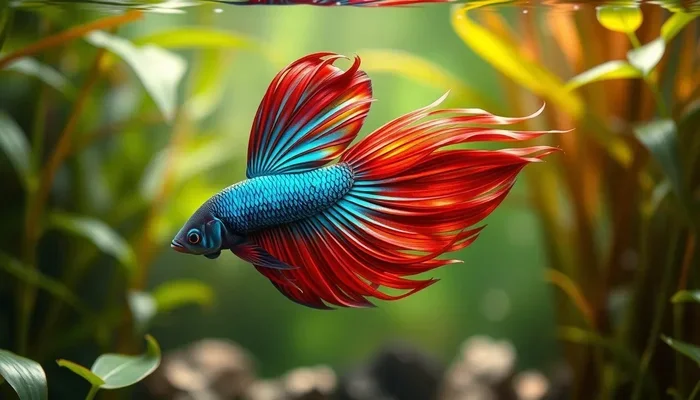
Male bettas are often called Siamese fighting fish for a reason. They are bold, curious, and sometimes dramatic. A happy male betta will flare its fins, build bubble nests, and swim actively around the tank. A stressed or unhappy one might hide, refuse food, or lose its vibrant colors. The good news is that making your betta happy is easier than you think.
Key Takeaways
- Spacious Tank Matters: A minimum 5-gallon tank gives your male betta room to swim and explore.
- Clean Water Is Essential: Regular water changes and proper filtration keep your betta healthy and stress-free.
- Diet Drives Happiness: A varied diet of high-quality pellets, frozen foods, and occasional treats keeps your fish vibrant.
- Enrichment Prevents Boredom: Plants, caves, and interactive games stimulate your betta mentally and physically.
- Bonding Builds Trust: Spending time near the tank and hand-feeding strengthens your connection with your betta.
- Watch for Warning Signs: Recognizing stress and illness early helps you act fast and keep your fish thriving.
📑 Table of Contents
Understanding Your Male Betta Fish
Before you can make your male betta fish happy, you need to understand who they are. Male bettas are territorial by nature. In the wild, they claim small patches of rice paddies and slow-moving streams. This means they need a space that feels safe and theirs.
Male bettas are also intelligent. They recognize their owners, learn routines, and even respond to feeding signals. Many owners report their bettas swimming to the front of the tank when it’s feeding time. This kind of behavior shows a happy, engaged fish.
What Makes a Betta Fish Happy?
A happy betta fish displays certain behaviors that are easy to spot. Look for these signs:
- Bright, vibrant colors that seem to glow
- Active swimming patterns without lethargy
- Bubble nest building, which shows comfort and confidence
- Eagerness at feeding time and a healthy appetite
- Fin flaring in a relaxed, not aggressive, way
If your fish shows these signs, you’re doing a great job. If not, don’t worry. There are many things you can adjust to improve your betta’s mood and overall betta fish happiness.
Setting Up the Perfect Tank
The foundation of betta fish care is the tank itself. A poor environment leads to stress, illness, and unhappiness. A well-designed tank sets your fish up for a long, joyful life. Male bettas need more than just a small bowl. They deserve proper space and setup.
Tank Size Matters
Many people make the mistake of keeping male bettas in tiny containers. A bowl or a 1-gallon tank might seem cute, but it’s not enough. The minimum tank size for a male betta should be 5 gallons. A larger tank, around 10 gallons, is even better.
More space means more room to swim, explore, and establish territory. It also makes it easier to maintain stable water parameters. Betta fish health directly improves when they have adequate swimming room.
Filtration and Heating
Betta fish need warm water to thrive. The ideal temperature range is between 76 and 82 degrees Fahrenheit. A small fish tank heater helps maintain this temperature consistently.
Filtration is equally important. However, bettas prefer gentle water flow. Strong filters can stress them out. Use a sponge filter or adjust the flow rate so the water moves softly. Clean, warm, gently flowing water creates a betta fish environment that feels like home.
Decorations and Hiding Spots
Male bettas love places to explore and hide. Adding plants, caves, and driftwood gives them mental stimulation. Live plants are especially great because they improve water quality and provide natural cover.
If you’re unsure about setup, check out our guide on how to decorate your betta fish tank for creative and safe ideas. The right decorations reduce stress and encourage natural behaviors like exploring and resting.
Feeding for Happiness and Health
What you feed your male betta directly affects its mood, energy, and color. A poor diet leads to a dull, lethargic fish. A rich, varied diet brings out the best in your betta.
Best Foods for Male Bettas
High-quality betta pellets should form the base of your fish’s diet. Look for pellets with protein as the first ingredient. Avoid brands filled with fillers like corn and wheat.
Beyond pellets, you can offer variety with these foods:
- Frozen bloodworms — a favorite treat for most bettas
- Brine shrimp — packed with protein and nutrients
- Daphnia — great for digestive health
- Live mosquito larvae — a natural and exciting food source
Feed your betta 2 to 3 times a day in small amounts. Overfeeding is a common mistake that leads to bloating and poor water quality. A well-fed betta is a happy betta.
Making Homemade Fish Food
Some owners like to prepare food at home for their bettas. This can be a great way to control ingredients and add variety. If you’re interested, our article on how to make betta fish food at home has easy recipes you can try today.
Water Quality and Maintenance
Clean water is the single most important factor in betta fish health. Dirty water causes stress, disease, and shortened lifespan. Regular maintenance keeps your tank safe and your fish thriving.
Water Changes Made Easy
Aim to change 25 to 30 percent of the tank water every week. This removes waste, excess food, and harmful chemicals. Use a gravel vacuum to clean the substrate during each change.
Always treat new water with a tap water conditioner before adding it to the tank. Chlorine and chloramine found in tap water are harmful to fish. If you want to learn more about preparing water properly, read our guide on how to make water for betta fish.
Testing Water Parameters
Keep an eye on ammonia, nitrite, and nitrate levels. Ammonia and nitrite should always read zero. Nitrates should stay below 20 ppm. Testing kits are inexpensive and easy to use.
Stable parameters mean a stable, happy fish. Sudden changes in water chemistry are one of the biggest stressors for bettas.
Enrichment and Mental Stimulation
Just like any pet, bettas need mental stimulation to stay happy. A boring tank leads to a bored fish. Adding enrichment activities keeps your betta engaged and active.
Interactive Games
Did you know you can play games with your betta fish? Many owners teach their fish to follow their finger, swim through hoops, or even jump for food. This kind of interaction builds trust and provides excellent mental exercise.
For fun game ideas, check out our article on how to play games with your betta fish. You’ll be surprised how smart and responsive these little fish can be.
Adding New Elements
Rotate decorations occasionally to give your betta a fresh environment. Add new plants or rearrange the tank layout every few weeks. This simulates the natural changes bettas experience in the wild and keeps them curious.
You can also introduce floating logs and leaf litter. Indian almond leaves, in particular, release tannins that many bettas find comforting. These natural additions promote a sense of security and well-being.
Building a Bond with Your Betta
One of the most rewarding parts of owning a betta is the bond you can build over time. Male bettas are capable of recognizing their owners and responding to interaction.
Hand-Feeding Your Betta
Hand-feeding is a wonderful way to build trust. Start by placing your hand near the tank and letting your betta get used to your presence. Then, slowly offer food from your fingers.
At first, your betta might be hesitant. Be patient. Within a week or two, most bettas will eagerly take food from your hand. This creates a strong connection between you and your fish.
Spending Time Near the Tank
Simply sitting near your tank and talking softly can help your betta feel comfortable. Avoid tapping on the glass or making sudden loud noises. These actions startle fish and erode trust over time.
Consistency is key. Feed your betta at the same times each day. Perform maintenance on a regular schedule. Predictability makes your fish feel safe and secure.
Common Mistakes That Make Male Bettas Unhappy
Even well-meaning owners can make mistakes that affect their betta’s happiness. Being aware of these pitfalls helps you avoid them.
Keeping the Tank Too Small
This is the number one mistake. A tiny bowl with no heater or filter is not a suitable home. It leads to poor water quality and chronic stress. Invest in a proper tank from the start.
Overcrowding the Tank
Male bettas should live alone. They are aggressive toward other male bettas and can even harass smaller, colorful fish. Keeping your betta solo in a properly set up tank is the best approach.
Ignoring Warning Signs
Lethargy, loss of color, clamped fins, and refusal to eat are all signs that something is wrong. If you notice these symptoms, take action quickly. Check water parameters, adjust the temperature, and consider whether your fish might be sick.
If your betta is showing signs of illness, our guide on how to make your betta fish healthy again offers practical steps for recovery and restoring vitality.
Conclusion
Making your male betta fish happy is a journey, not a one-time task. It requires attention to tank setup, diet, water quality, and enrichment. But the payoff is enormous. A happy betta is a colorful, active, and engaging companion that brings joy to your home every day.
Start with the basics: a spacious tank, clean water, and nutritious food. Then add enrichment and bonding activities to take your care routine to the next level. Your betta will thank you with vibrant colors, playful behavior, and a strong connection with you.
Remember, every betta is different. Pay attention to your fish’s individual personality and preferences. What makes one betta happy might differ slightly from another. The key is to observe, learn, and adjust as needed. With patience and love, you’ll create a thriving home that keeps your male betta happy for years to come.
Frequently Asked Questions
How do I know if my male betta fish is happy?
A happy male betta shows bright colors, active swimming, builds bubble nests, and eats eagerly. If your fish displays these behaviors, it’s a strong sign of contentment and good health.
What is the best tank size for a male betta fish?
A minimum 5-gallon tank is recommended for a male betta. Larger tanks, around 10 gallons, provide even more swimming space and make it easier to maintain stable water conditions.
Can I keep anything else with my male betta fish?
Male bettas should live alone. They are territorial and can become aggressive toward other fish, especially other male bettas. Snails and certain shrimp may work in larger tanks, but caution is always needed.
How often should I feed my male betta fish?
Feed your betta 2 to 3 times a day in small amounts. Overfeeding is a common problem that leads to bloating and dirty water. Remove any uneaten food after a few minutes.
Do male betta fish need a heater?
Yes, male bettas need a heater to maintain water temperature between 76 and 82 degrees Fahrenheit. Stable warmth is essential for their immune system, energy levels, and overall happiness.
How can I make my betta fish tank more interesting?
Add live plants, caves, driftwood, and floating logs. Rotate decorations occasionally and try interactive games like finger-following or target training to keep your betta mentally stimulated and engaged.