How to Make Your Betta Fish Less Stressed
Learn how to make your betta fish less stressed with simple, proven steps that any fish owner can follow. This guide covers the top causes of stress, early warning signs, and practical solutions to keep your betta calm and thriving. By the end, you will know exactly what your fish needs to feel safe and relaxed.
Every betta fish owner wants their colorful companion to thrive. But did you know that betta fish stress is one of the biggest threats to your fish’s well-being? A stressed betta fish can develop serious health problems, from faded colors to deadly diseases. The good news is that how to make your betta fish less stressed is simpler than most people think. With a few smart changes to your routine and tank setup, you can create a peaceful home where your betta feels safe and happy.
Betta fish are beautiful, curious creatures that respond strongly to their betta fish environment. Unlike some hardy species, bettas are sensitive to water conditions, noise, lighting, and even the way you interact with them. When something in their world feels wrong, they show it through physical and behavioral changes. Understanding these signals is the first step toward helping your fish relax and live a longer, healthier life.
This guide walks you through everything you need to know about reducing betta fish stress. You will learn the most common causes of stress, how to spot early warning signs, and exactly what to do to calm your fish down. Whether you are a first-time betta owner or have had fish for years, these practical betta fish care tips will make a real difference.
Key Takeaways
- Reduce noise and light: A calm environment is the foundation of a stress-free betta fish.
- Maintain clean water: Regular water changes and proper filtration prevent most stress triggers.
- Add hiding spots: Plants and decorations give your betta a sense of security.
- Watch for stress signs: Early detection helps you act fast before problems worsen.
- Choose tank mates carefully: The wrong companions can cause constant anxiety.
- Stick to a routine: Consistent feeding and tank maintenance create stability.
📑 Table of Contents
Understanding Why Betta Fish Get Stressed
Betta fish may look tough with their flowing fins and bright colors, but they are actually quite sensitive creatures. Stress in bettas is not just a mood problem. It directly affects their immune system, appetite, and overall betta fish health. When you understand what causes stress, you can take steps to prevent it before it becomes a serious issue.
Common Stress Triggers in Betta Fish
Several everyday factors can cause your betta to feel anxious or uneasy. The most common betta fish stress causes include poor water quality, wrong tank temperature, overcrowded tanks, and aggressive tank mates. Even something as simple as placing the tank near a loud television or a window with direct sunlight can keep your fish on edge.
Another major trigger is sudden changes. Betta fish are creatures of habit. If you change their water too quickly, move their tank to a new location, or introduce new decorations without warning, it can shock their system. Consistent betta fish tank maintenance should be gentle and predictable. Small, gradual changes are always better than sudden ones.
Overfeeding is a stress trigger that many owners overlook. Excess food rots at the bottom of the tank and spikes ammonia levels. This creates a toxic environment that makes your fish feel uncomfortable and unsafe. A proper betta fish feeding schedule keeps the water clean and your fish feeling good.
The Impact of Stress on Betta Health
When a betta fish stays stressed for too long, the effects build up fast. A weakened immune system makes them vulnerable to common diseases like ich, fin rot, and fungal infections. Stressed bettas often stop eating, which leads to malnutrition and further health decline.
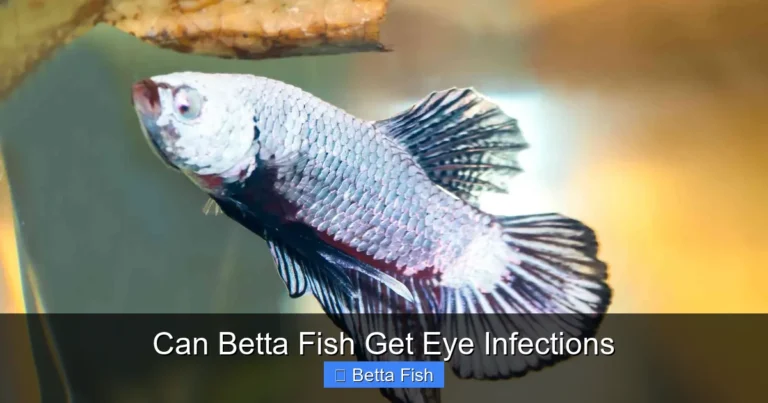
Behavioral changes are also a clear sign that stress is taking a toll. Your fish may become hiding more than usual, flare at their own reflection constantly, or try to jump out of the tank. These are not just quirky habits. They are cries for help. If you notice these behaviors, it is time to look closely at your fish’s environment and routine.
Learning how to make your betta fish less stressed starts with recognizing that stress has real physical consequences. A calm betta fish will have vibrant colors, a healthy appetite, and steady swimming patterns. Your goal is to create conditions that allow your fish to feel secure at all times. Think of it as building a betta fish habitat that supports complete relaxation and natural behavior.
Recognizing the Signs of a Stressed Betta Fish
Catching stress early is the key to fixing the problem quickly. Betta fish communicate their discomfort through both physical and behavioral signals. The sooner you notice these signs, the faster you can make changes that help your fish recover.
Physical Warning Signs
Look closely at your fish every day during feeding time. A healthy betta should have bright, vivid colors and smooth, flowing fins. If you notice any of the following physical signs, stress may be the cause:
- Faded or dull colors: When a betta is stressed, its vibrant pigments often fade. This is one of the most visible warning signs.
- Clamped fins: If your fish keeps its fins pressed close to its body instead of spread out, it is feeling uncomfortable.
- Rapid breathing: Gasping at the surface or breathing very fast can signal poor water quality or low oxygen levels.
- Loss of appetite: A betta that refuses food or eats very little is telling you something is wrong.
- White spots or patches: These can indicate ich or other stress-related illnesses that need immediate attention.
If you see any of these symptoms, check your water parameters right away. How to treat a stressed betta fish starts with identifying the root cause, whether it is dirty water, wrong temperature, or an aggressive tank mate.
Behavioral Changes to Watch For
Beyond physical signs, your betta’s behavior tells you a lot about how it is feeling. A happy betta is curious and active. A stressed betta becomes withdrawn or erratic. Here are the behavioral red flags to watch for:
- Excessive hiding: While bettas enjoy having hiding spots, a fish that hides constantly and refuses to explore is stressed.
- Constant flaring at reflections: Territorial frustration and anxiety often show up as persistent flaring at their own image in the glass.
- Erratic swimming: Darting around the tank or swimming in strange patterns can indicate discomfort or pain.
- Lethargy: A betta that sits at the bottom of the tank and barely moves may be suffering from chronic stress.
- Jumping attempts: Stressed fish sometimes try to escape their tank, which is a serious warning sign.
To better understand what normal behavior looks like, check out our guide on how to know if your betta fish is happy. Knowing what happiness looks like makes it much easier to spot when something is off.
How to Make Your Betta Fish Less Stressed
Now that you know what causes stress and how to spot it, let’s talk about the practical steps you can take. How to make your betta fish less stressed comes down to controlling five key areas: water quality, tank environment, diet, tank mates, and daily routine. Master these, and your fish will thrive.
Optimize Water Quality and Temperature
Water quality is the single most important factor in your betta’s stress levels. Betta fish water quality needs to stay clean, warm, and stable. Anything outside their comfort zone will keep them on edge.
The ideal temperature for a betta tank is between 76 and 82 degrees Fahrenheit. Use a reliable heater and thermometer to maintain steady warmth. Cold water slows your fish down and weakens its immune system. Hot water reduces oxygen levels and causes breathing problems.
Test your water parameters weekly. You want ammonia and nitrite at zero, and nitrates below 20 parts per million. A good betta fish tank setup includes a gentle filter that removes waste without creating strong currents. Bettas are weak swimmers and do not like being pushed around by fast-moving water. How to set up a fish tank for betta fish properly is the first step toward a calm, healthy fish.
Perform partial water changes every week, replacing about 25 percent of the tank water. This keeps the environment fresh without causing sudden shifts. Always use a water conditioner to neutralize chlorine and chloramine from tap water before adding it to the tank.
Create a Calm and Comfortable Tank Environment
Your betta’s tank is its entire world. Making that world calm and enriching goes a long way toward promoting betta fish relaxation. Start with the basics: tank size matters more than most people realize.
A tank of at least 5 gallons is recommended for a single betta. Smaller bowls and vases restrict movement and cause ammonia to build up quickly. A larger tank gives your fish room to swim and explore, which naturally reduces anxiety. The right betta fish tank size is one of the simplest yet most effective betta fish calming tips you can follow.
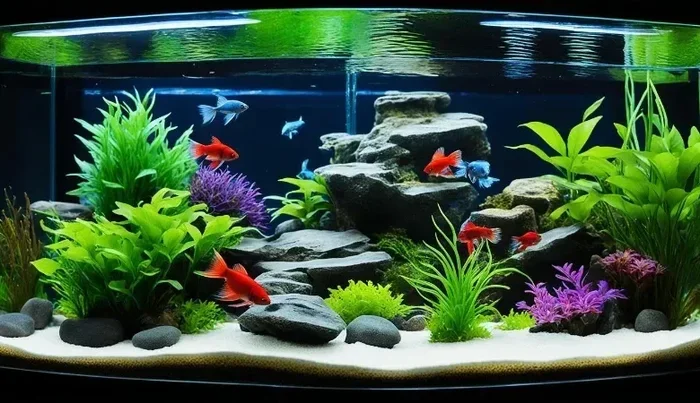
Next, focus on betta fish tank decoration. Add live or silk plants to create a natural feel. Bettas love to rest on broad leaves and dart through greenery. Avoid sharp plastic decorations that can tear their delicate fins. The goal is to create a space that looks and feels like their natural betta fish habitat.
Lighting should be soft and consistent. Too much light stresses bettas out, especially if the tank is placed in direct sunlight. A standard aquarium light on a timer that provides 8 to 10 hours of light per day is perfect. This also helps maintain a natural day-night cycle that keeps your fish relaxed.
If you want more ideas on creating a beautiful and stress-free home, our guide on how to decorate your betta fish tank has plenty of practical tips and inspiration.
Choose the Right Tank Mates
Not all fish get along with bettas, and choosing the wrong tank mates is one of the fastest ways to create a stressful environment. Male bettas are territorial and will fight with other colorful, long-finned fish. Even female bettas can show betta fish aggression in small spaces or with incompatible companions.
Good tank mates for bettas include snails, shrimp, and peaceful bottom-dwelling fish like corydoras. These creatures stay out of your betta’s way and do not trigger territorial behavior. Always introduce new fish slowly and watch for signs of aggression during the first few days.
If your betta lives alone, that is perfectly fine too. Bettas do just as well on their own in a well-set-up tank. In fact, many owners find that a solo betta in a 5-gallon tank with proper plants and hiding spots is the happiest and least stressed setup of all. Sometimes the best betta fish tank mates are none at all.
Daily Habits That Promote a Calm Betta Fish
Beyond tank setup, your daily habits play a huge role in keeping your betta relaxed. Small consistent actions build trust and stability, which are the foundations of a stress-free life for your fish.
Feeding Routines and Nutrition
Feeding your betta at the same times each day creates a sense of predictability that fish find comforting. Stick to a twice-daily feeding schedule with small amounts of food. A high-quality betta pellet should form the base of their diet, supplemented with occasional treats like frozen bloodworms or brine shrimp.
Avoid overfeeding at all costs. Uneaten food decays quickly and pollutes the water. A good rule of thumb is to feed only what your fish can consume in two minutes. A clean tank is a calm tank, and a calm tank means a happy fish.
If you ever need to prepare food at home, check out our article on how to make betta fish food at home for simple, healthy recipes your fish will love. A balanced diet supports both betta fish behavior and long-term vitality.
Interaction and Enrichment
Betta fish are smarter than many people give them credit for. They can recognize their owners and respond to gentle interaction. Simple enrichment activities can keep your fish mentally stimulated and reduce boredom-related stress.
Try floating a small mirror in front of the tank for a few minutes. Your betta will flare and show off its colors. This natural behavior provides mental stimulation and helps release pent-up energy. Just do not leave the mirror in for too long, as constant flaring can become stressful on its own.
You can also introduce gentle enrichment like a slow-moving current from a sponge filter or placing a ping pong ball in the tank. Bettas love to push objects around, and this playful behavior keeps them active and engaged. The key is variety without overstimulation.
For more ideas on bonding with your fish through play, read our guide on how to play games with your betta fish. These fun activities strengthen your relationship and keep your betta mentally healthy. A happy, entertained fish is a fish that is far less likely to experience chronic stress.
When to Seek Help for a Stressed Betta Fish
Most stress in bettas can be managed at home with the right adjustments. But sometimes, stress leads to illness or persists despite your best efforts. Knowing when to seek additional help can save your fish’s life.
Persistent Symptoms That Need Attention
If your betta shows signs of stress for more than a few days after making environmental changes, it is time to dig deeper. Persistent loss of appetite, open sores, fungal growth, or fin rot are all signs that stress has progressed into a medical issue.
Check your water parameters carefully. Even if you test regularly, equipment can malfunction. A heater that is set too high or too low can silently ruin your fish’s quality of life. Replace old equipment and double-check your settings to ensure your betta fish water temperature stays in the safe range.
Sometimes the issue is not the tank at all but the fish’s diet. Low-quality food lacks essential nutrients that support immune function and color vibrancy. Switching to a premium betta diet or adding supplements can make a noticeable difference in how your fish looks and behaves.
If home remedies do not improve your fish’s condition within a week, consult a veterinarian who specializes in fish health. Early intervention for serious stress-related illnesses gives your betta the best chance of a full recovery. Do not wait until the situation becomes critical.
Final Thoughts on Keeping Your Betta Stress-Free
How to make your betta fish less stressed is really about creating a stable, clean, and enriching environment where your fish feels safe. It is not complicated, but it does require consistency and attention to detail. The small daily habits you build, from regular water changes to gentle feeding routines, add up to a dramatically better life for your betta.
Remember that every betta fish is an individual. What works perfectly for one fish might need slight adjustments for another. Pay attention to your fish’s unique personality and respond to its cues. A watchful, caring owner is the best defense against stress.
Start with the changes that feel most manageable today. Clean the water, check the temperature, add a plant or two, and watch how your fish responds. You will likely see improvements within days. A relaxed betta is a beautiful betta, and there is nothing more rewarding than watching your fish thrive in the peaceful home you have created.
For more tips on keeping your betta in top shape, explore our guides on how to make your betta fish stronger and how to make your betta fish healthy again. These resources complement the advice in this article and help you build the best possible life for your companion.
Frequently Asked Questions
What are the first signs that my betta fish is stressed?
The earliest signs of a stressed betta fish include faded colors, clamped fins, rapid breathing, and loss of appetite. You may also notice your fish hiding more than usual or swimming in erratic patterns. Catching these signs early gives you the best chance to make changes before the stress leads to illness.
How often should I change my betta fish water to reduce stress?
Performing a partial water change of about 25 percent every week is the ideal routine for most betta tanks. This keeps ammonia and nitrate levels low without causing sudden shifts in water parameters. Consistent betta fish tank maintenance is one of the simplest and most effective ways to keep your fish calm and healthy.
Can a stressed betta fish recover on its own?
Mild stress can resolve on its own once the trigger is removed, such as fixing the water temperature or cleaning the tank. However, prolonged or severe stress usually requires active intervention, including water changes, adjusted feeding, and improved tank conditions. If symptoms persist for more than a few days, it is important to take further action.
What tank size is best for a stressed betta fish?
A tank of at least 5 gallons is recommended for a single betta fish. Smaller bowls and vases restrict movement and cause toxins to build up quickly, which increases stress. A larger tank gives your betta room to swim and explore, which naturally supports betta fish relaxation and overall well-being.
Are there any quick calming tips for a stressed betta fish?
Yes! Some quick betta fish calming tips include dimming the lights, reducing noise around the tank, and adding live plants or hiding spots. You can also try floating a mirror for a few minutes to let your betta express natural territorial behavior in a controlled way. These small changes can make a noticeable difference fast.
Should I isolate my betta fish if it is stressed?
Isolation can help if your betta is stressed due to aggressive tank mates or illness. A separate quarantine tank gives your fish time to recover in a peaceful environment. However, if the stress is caused by environmental factors like poor water quality, fixing those conditions in the main tank is usually the better first step.