How to Make Panko Fish Fallet Better
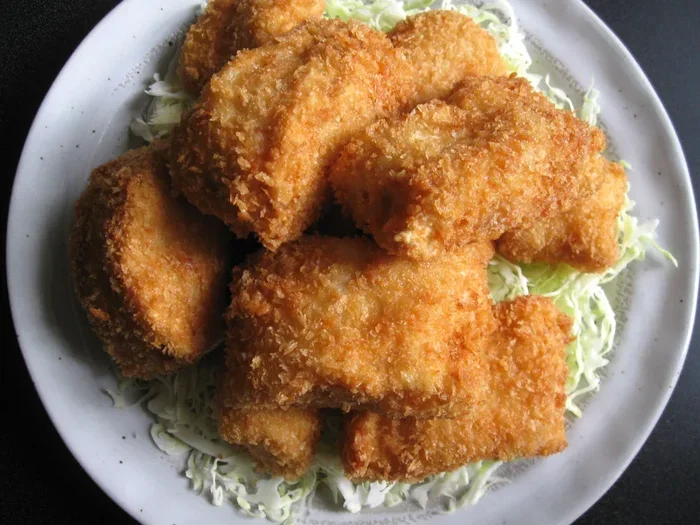
Making panko fish fallet better is easier than you think. With the right fish, proper breading, and smart cooking techniques, you can create crispy, golden fillets that rival any restaurant. This guide walks you through every step to achieve perfect results at home.
If you love fried fish, you already know that panko fish fallet can be absolutely incredible. But sometimes, home cooking doesn’t quite match what you get at your favorite restaurant. The good news is that a few simple changes can take your panko fish fallet from good to outstanding. Whether you are a beginner in the kitchen or a seasoned cook, these tips will help you create crispy, flavorful, and perfectly cooked fish fillets every single time.
There is something magical about a golden-brown panko crust giving way to tender, juicy fish inside. It is one of those dishes that feels both comforting and special. The secret lies in the details, from how you prep the fish to how you cook it. I will walk you through everything you need to know.
## Why Panko Makes Fish Fallet Better
Panko breadcrumbs are a game-changer when it comes to frying fish. Unlike regular breadcrumbs, panko flakes are lighter, larger, and crispier. They absorb less oil, which means your panko fish fallet stays crunchy longer without feeling greasy. This makes them the ideal choice for achieving that satisfying crunch everyone loves.
The texture of panko is what sets it apart. The flakes are made from crustless bread, which gives them a more open, porous structure. This structure creates air pockets during frying, resulting in a lighter and crispier coating. Regular breadcrumbs tend to clump together and create a denser, heavier crust. Panko avoids this problem entirely.
### The Science Behind the Crunch
Understanding why panko works so well helps you use it better. The large, jagged flakes create more surface area on the fish. This means more crunch in every bite. The porous texture also helps the coating adhere to the fish without needing too much batter. Less is more when working with panko.
When you fry panko-coated fish, the moisture inside the fillet creates steam. This steam pushes against the panko flakes, making them puff up slightly. This puffing effect creates that signature airy crunch. Regular breadcrumbs cannot do this as effectively because they are finer and denser.
## Choosing the Right Fish for Your Fallet
Not all fish work equally well for breading and frying. Some fish are too delicate and fall apart during cooking. Others have too much moisture and make the coating soggy. The best fish for panko fish fallet are firm, white-fleshed varieties that hold their shape well.
Cod is a classic choice. It has a mild flavor that pairs perfectly with panko, and its firm texture holds up beautifully during frying. Tilapia is another popular option because it is affordable and widely available. Haddock and pollock also work great. Each of these fish has a slightly different flavor profile, so feel free to experiment.
### What to Avoid
Some fish are too soft or too oily for panko coating. Fish like salmon or trout have higher fat content, which can make the breading fall off during cooking. Soft-fleshed fish like catfish or tilapia (when low quality) can also crumble. Always choose fresh or properly frozen fillets. Frozen fish that has been thawed correctly works just as well as fresh.
If you want to learn more about picking the best options for frying, check out this guide on a better fish to fry. It covers which varieties give you the best results when breading and frying.
## The Perfect Breading Technique
The breading process is where most people go wrong. It might seem simple, but the order and method matter a lot. A proper three-step breading process creates a coating that sticks well and fries up beautifully. Rushing through this step is the number one reason panko fish fallet comes out bland or soggy.
### Step 1: Prepare the Fish
Start by patting your fillets completely dry with paper towels. This is the most important step that most people skip. Moisture is the enemy of crispy breading. If the fish surface is wet, the panko will not stick properly and will slide off during cooking.
Next, season the fish lightly with salt and pepper. You can also add garlic powder or paprika at this stage for extra flavor. Let the seasoned fillets rest for about five minutes. This allows the seasoning to absorb into the surface.
### Step 2: Set Up Your Dredging Station
You need three shallow dishes for the classic breading method:
- Dish 1: All-purpose flour seasoned with salt, pepper, and a pinch of garlic powder.
- Dish 2: Beaten eggs mixed with a splash of milk or buttermilk.
- Dish 3: Panko breadcrumbs mixed with your favorite herbs and spices.
The flour helps the egg wash adhere to the fish. The egg wash helps the panko stick to the fish. Each layer serves a purpose. Skipping a layer means your coating will not hold as well.
### Step 3: Apply the Panko
Dredge each fillet in flour first, shaking off the excess. Then dip it into the egg wash, making sure the entire surface is coated. Finally, press the fillet firmly into the panko, coating both sides evenly. Do not just sprinkle the panko on. Pressing it on creates a thicker, more secure coating.
For an extra-crispy result, try double-dipping. After the first panko coating, dip the fillet back into the egg wash and then into the panko again. This creates a thicker crust that fries up beautifully.
## Cooking Tips for Crispy Perfection
How you cook your panko fish fallet matters just as much as how you bread it. Even with perfect breading, poor cooking technique can ruin the result. The goal is a golden-brown, crunchy exterior with a moist and tender interior.
### Pan-Frying vs. Deep-Frying
Both methods work well for panko fish fallet, but they produce slightly different results. Pan-frying uses less oil and is easier to manage at home. It creates a golden crust on the bottom and sides of the fillet. Deep-frying gives you an even, all-around crunch and is faster overall.
For pan-frying, use a heavy-bottomed skillet and add about a quarter-inch of oil. Heat the oil over medium-high heat until it shimmers. Place the fillet gently away from you to avoid splashing. Cook for about three to four minutes per side, depending on the thickness of the fillet.
For deep-frying, heat oil to 350-375°F. Use a thermometer to monitor the temperature. Fry each fillet for about two to three minutes until golden brown. The oil should be hot enough to sear the coating immediately, locking in moisture.
### The Importance of Oil Temperature
Oil temperature is the single most important factor in getting crispy fish. If the oil is too cool, the panko absorbs excess oil and becomes greasy and soggy. If the oil is too hot, the outside burns before the inside cooks through.
A thermometer is your best friend here. Keep the temperature between 350°F and 375°F throughout the cooking process. If the temperature drops too much after adding fish, wait a moment for it to recover before adding more fillets. Overcrowding the pan lowers the oil temperature and causes uneven cooking.
### Drain Properly
Once your fish is cooked, place it on a wire rack set over a baking sheet. This allows air to circulate around the entire fillet, keeping the bottom crust crispy. Placing fish directly on paper towels can make the bottom soggy because steam gets trapped underneath.
## Flavor Variations and Seasoning Ideas
One of the best things about panko fish fallet is how customizable it is. You can change the flavor profile simply by adjusting your seasonings. This is where you can really make the dish your own.
### Classic Herb Seasoning
Mix dried parsley, dill, thyme, and garlic powder into your panko for a traditional Mediterranean flavor. This combination works beautifully with cod and tilapia. Add a squeeze of lemon juice on top right after cooking for a bright, fresh finish.
### Spicy Cajun Style
For a kick, combine paprika, cayenne pepper, onion powder, and oregano in your panko. This creates a bold, spicy crust that pairs great with a drizzle of hot honey or a side of remoulade sauce.
### Japanese-Inspired
Since panko originates from Japan, why not lean into that tradition? Mix panko with a touch of soy sauce, sesame oil, and minced ginger. Serve with a side of rice and steamed vegetables for a fusion twist.
If you want more ideas on enhancing fish flavor in general, this guide on how do you make fish taste better has tons of helpful suggestions.
## Common Mistakes to Avoid
Even experienced cooks make mistakes when breading and frying fish. Knowing what to avoid saves you time, money, and frustration. Here are the most common errors people make when preparing panko fish fallet.
First, using wet fish. As I mentioned earlier, moisture is the enemy of crispy breading. Always pat your fillets dry thoroughly before starting the breading process.
Second, skipping the flour step. Some people go straight from egg wash to panko. The flour creates a rough surface for the egg wash to grip, and the egg wash creates a surface for the panko to grip. Skipping any layer weakens the entire coating.
Third, pressing too hard during breading. You want the panko to adhere, but pressing too hard compacts it into a dense, heavy layer. A light but firm press is all you need.
Fourth, cooking at the wrong temperature. This is the most common mistake and the one that causes the most problems. Invest in a simple kitchen thermometer. It makes a huge difference in your results.
Fifth, not resting the fish after cooking. Cutting into a freshly fried fillet releases steam that can make the inside soggy. Let it rest for a minute or two on a wire rack. This keeps the interior moist and the exterior crispy.
## Serving Suggestions for the Best Experience
How you serve your panko fish fallet can elevate the entire meal. The right sides and sauces complement the crispy coating and tender fish perfectly.
### Best Sauces to Pair
A simple lemon aioli is a crowd favorite. Mix mayonnaise with fresh lemon juice, garlic, and a pinch of salt. For something tangier, try a remoulade sauce with capers, pickles, and a dash of hot sauce. Tartar sauce is a classic choice that never disappoints.
### Side Dish Ideas
Crispy panko fish fallet pairs wonderfully with coleslaw, french fries, or a fresh garden salad. For a lighter option, serve it over a bed of rice with steamed vegetables and a drizzle of soy sauce. A side of roasted asparagus or broiled tomatoes adds color and nutrition to the plate.
## Final Thoughts
Making panko fish fallet better comes down to mastering a few key techniques. Dry your fish properly, follow the three-step breading process, maintain the right oil temperature, and avoid common mistakes. These steps might seem small, but they make a massive difference in the final result.
The beauty of panko fish fallet is that it is forgiving and customizable. You can adjust seasonings, try different fish varieties, and experiment with cooking methods until you find your perfect combination. Once you nail the basics, you can get creative and make this dish your own signature recipe.
Remember that practice makes perfect. Your first few attempts might not be flawless, but each one teaches you something new. Soon, you will be producing crispy, golden, restaurant-quality panko fish fallet that everyone will love.
If you are interested in preparing fish at home more broadly, you might enjoy learning how to make betta fish food at home for more fish-related tips and recipes.
Get into the kitchen, grab some panko, and start frying. Your taste buds will thank you.
Key Takeaways
- Choose the right fish: Firm white fish like cod or tilapia gives you the best texture for panko coating.
- Dry the fillet first: Patting fish dry before breading ensures the panko sticks properly and gets crispy.
- Double-dip your breading: Dipping in egg wash twice creates a thicker, crunchier crust that holds up during cooking.
- Use the right oil temperature: Keeping oil at 350-375°F prevents soggy fish and promotes even browning.
- Season every layer: Adding spices to the flour, egg wash, and panko creates flavor throughout the entire fillet.
- Rest after cooking: Letting the fallet sit on a wire rack keeps the bottom crust from getting soggy.
- Experiment with flavors: Different seasonings and dips can completely transform your panko fish fallet experience.
Frequently Asked Questions
What is the best fish to use for panko fish fallet?
Cod, tilapia, and haddock are the best choices because they are firm, mild-flavored, and hold their shape well during frying. Avoid soft or oily fish like salmon for this recipe.
Can I bake panko fish fallet instead of frying it?
Yes, you can bake panko fish fallet at 400°F for about 12-15 minutes. Brush the fillets with a light coat of oil before baking to help the panko crisp up. The result is not quite as crunchy as frying, but it is a healthier alternative.
Why does my panko coating fall off during cooking?
This usually happens because the fish surface was too wet or the oil temperature was too low. Make sure to pat the fish dry and maintain an oil temperature of 350-375°F for the best adhesion.
How do I keep panko fish fallet crispy after cooking?
Place the cooked fillets on a wire rack instead of paper towels. This allows air to circulate and prevents steam from making the bottom soggy. Serve immediately for the best texture.
Can I use panko breadcrumbs for other types of fish dishes?
Absolutely. Panko works great for fish sticks, fish tacos, and baked fish toppings. Its light, crispy texture makes it versatile for many different fish recipes.
How long can I store leftover panko fish fallet?
Store leftovers in an airtight container in the refrigerator for up to two days. Reheat in an oven or air fryer at 350°F for about 5 minutes to restore the crispiness. Avoid microwaving, which makes the coating soggy.