How to Make My Female Betta Fish Happy
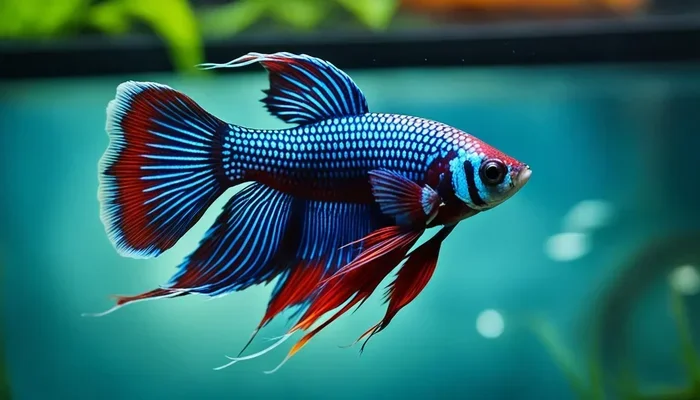
Making your female betta fish happy means more than just feeding her. You need the right tank setup, a balanced diet, mental stimulation, and a stress-free environment. This guide covers everything you need to know about how to make my female betta fish happy and keep her thriving.
Key Takeaways
- Right Tank Size: A minimum 5-gallon tank gives your female betta room to swim and explore freely.
- Clean Water: Regular water changes and proper temperature keep your betta healthy and stress-free.
- Balanced Diet: High-quality pellets, frozen foods, and occasional treats boost her energy and color.
- Enrichment: Plants, caves, and floating toys provide mental stimulation and mimic her natural habitat.
- Monitor Behavior: Watching for signs of stress or illness helps you act fast and keep her happy.
- Avoid Overcrowding: A peaceful tank with compatible tankmates (or none) keeps aggression low.
- Consistent Care: Small daily efforts add up to a much happier, longer life for your betta.
📑 Table of Contents
- How to Make My Female Betta Fish Happy: A Complete Guide
- Setting Up the Perfect Tank for Your Female Betta
- Feeding Your Female Betta for Optimal Happiness
- Enrichment and Stimulation for a Thriving Betta
- Recognizing Signs of a Happy Female Betta
- Common Mistakes That Make Female Bettas Unhappy
- Expert Tips for Long-Term Betta Happiness
- Quick Tips for a Happier Female Betta
- Comparison: Happy Betta vs. Unhappy Betta
- Conclusion
How to Make My Female Betta Fish Happy: A Complete Guide
So you want to learn how to make my female betta fish happy? Great choice! Betta fish are amazing pets. They have big personalities, bright colors, and unique behaviors. But many owners don’t realize that a happy betta needs more than just a small bowl and some food. Your female betta deserves a life full of comfort, stimulation, and care.
In this guide, we will walk you through everything you need to know. From setting up the perfect tank to choosing the right foods, we cover it all. Whether you are a new betta owner or a seasoned pro, you will find useful tips here. Let us dive in and help your betta live her best life.
Setting Up the Perfect Tank for Your Female Betta
The tank your betta lives in matters more than you think. A cramped, dirty tank will make any fish miserable. But the right setup can truly transform her quality of life. Learning how to make my female betta fish happy starts with her home.
Choose the Right Tank Size
Many people keep bettas in tiny bowls. While bettas can survive in small spaces, they do not thrive. A 5-gallon tank is the minimum for a happy female betta. She needs room to swim, explore, and make choices. In the wild, bettas patrol large areas. Give her space to do the same.
Larger tanks, like 10 gallons, are even better. They hold more stable water and allow for more decorations. More room means more opportunities for enrichment. Your betta will thank you for it.
Keep the Water Warm and Clean
Betta fish need warm water. Their ideal temperature is between 76°F and 82°F. Cold water makes them sluggish and weakens their immune system. Use a small aquarium heater to keep things consistent. Also, a filter helps keep the water clean without creating too much current. Bettas are weak swimmers and hate strong flows.
Change about 25% of the water every week. This removes toxins and keeps things fresh. Use a water conditioner to remove chlorine before adding new water. Clean water is one of the simplest ways to ensure your betta stays happy and healthy.
Add Live or Silk Plants
Plants make a betta tank feel like home. They also serve a practical purpose. Live plants like java fern or anubias give your betta places to rest and hide. Silk plants work well too. They are soft and will not damage her delicate fins. Avoid plastic plants with rough edges. Your betta needs a safe and comfortable environment.
Plants also help clean the water by absorbing nitrates. That is a win-win for you and your fish. A well-planted tank looks beautiful and keeps your betta stress-free.
Feeding Your Female Betta for Optimal Happiness
Food is fuel. The right diet keeps your betta energized, colorful, and active. Learning how to make my female betta fish happy means getting her nutrition right. Not all fish foods are created equal.
Best Foods for a Happy Betta
Start with high-quality betta pellets. Look for brands where fish meal is the first ingredient. Avoid cheap foods filled with fillers. Pellets should make up the bulk of her diet. But do not stop there.
Add variety with frozen or freeze-dried foods. Bloodworms, brine shrimp, and daphnia are excellent choices. These mimic what she would eat in the wild. They also boost her protein intake and enhance her colors. Feed treats like these two to three times per week. Do not overdo it, though.
How Often to Feed
Feed your female betta once or twice a day. Give her only what she can eat in two to three minutes. Overfeeding leads to obesity, bloating, and dirty water. A healthy betta has a slim but full body. If hers looks round and bloated, cut back on portions.
Some owners skip feeding once a week. This is fine and can aid digestion. Just make sure she gets enough nutrition overall. A consistent feeding schedule keeps her routine stable and stress low.
Enrichment and Stimulation for a Thriving Betta
Bettas are smart fish. They get bored just like we do. Without stimulation, a betta may become lethargic or stressed. Learning how to make my female betta fish happy means keeping her mind active too.
Add Interesting Tank Decorations
Decorations are not just for looks. They create a stimulating environment. Add caves, driftwood, and tunnels. These give your betta things to explore. Change the layout occasionally. Even a small rearrangement keeps things fresh for her.
Floating logs and ceramic caves work great. Bettas love resting near the surface. A floating decoration near the top gives her a cozy spot. Just make sure nothing has sharp edges. Her fins are delicate and tear easily.
Try Toy and Mirror Interactions
Some bettas respond to small floating toys. A tiny ball or a floating leaf can spark curiosity. You can also use a mirror briefly to see her flare. Many bettas enjoy seeing their reflection. It triggers natural territorial behavior. But limit mirror time to a few minutes. Too much can cause stress.
Watch how she reacts. Some bettas love interaction. Others prefer to be left alone. Respect her personality. Every fish is different. You know her best.
Consider Tankmates Carefully
Can a female betta live with other fish? Yes, sometimes. A betta sorority with other female bettas can work. But it requires a large tank, usually 20 gallons or more. Watch for aggression. Remove any fish that bully others.
Other tankmates like snails or shrimp can coexist peacefully. They add interest without stressing your betta. However, avoid fin-nipping fish like tetras. Also avoid brightly colored or long-finned species. Your betta may see them as rivals. Keeping her environment peaceful is key to happiness.
Recognizing Signs of a Happy Female Betta
How do you know if your efforts are working? Your betta shows clear signs when she is happy. Learning these signs helps you adjust her care. This is one of the most important parts of how to make my female betta fish happy.
Behavioral Signs of Happiness
- Active Swimming: A happy betta swims freely around the tank. She explores every corner and moves with purpose.
- Flaring and Curiosity: She may flare at her reflection or investigate new objects. This shows confidence and alertness.
- Appetite: A happy betta greets you at feeding time. She eats eagerly and with energy.
- Color Vibrancy: Bright, rich colors signal good health and contentment. Dull colors often mean stress or illness.
- Relaxed Fins: Her fins should flow naturally. Clamped fins indicate discomfort or disease.
When to Worry
Watch for signs of stress. These include hiding constantly, refusing food, rapid breathing, or fading colors. If your betta seems distressed, check the water parameters first. Temperature spikes and ammonia spikes are common culprits. Also look for signs of illness like white spots or torn fins. Acting quickly can prevent bigger problems.
You can also check out our guide on how to know if your betta fish is happy for more detailed behavioral insights. Understanding her mood is a huge step toward keeping her joyful.
Common Mistakes That Make Female Bettas Unhappy
Even well-meaning owners can make mistakes. Avoiding these common errors makes a big difference. Here is what to watch out for when trying to make my female betta fish happy.
Keeping Bettas in Small Bowls
This is the number one mistake. Small bowls offer no room to swim. They also lack filtration and heating. Your betta may survive, but she will not thrive. Upgrade to a proper tank. It is the best thing you can do for her.
Overfeeding
It is easy to love your fish to death with food. Overfeeding causes bloating, swim bladder issues, and dirty water. Stick to small portions. Remove any uneaten food after a few minutes. A clean tank and a slim betta are a happy betta.
Ignoring Water Quality
Fish live in water. If the water is bad, the fish suffers. Test your water regularly for ammonia, nitrite, and nitrate levels. Do partial water changes weekly. Use a conditioner every time you add fresh water. This simple routine prevents most health problems.
Placing the Tank in a Bad Location
Keep the tank away from direct sunlight. Sunlight causes algae growth and temperature swings. Also avoid placing it near drafts or heaters. A stable environment keeps your betta comfortable. Pick a calm spot in your room and leave it there.
Using Harsh Decorations
Avoid anything with sharp edges. Rocks, shells, and plastic plants can tear fins. Stick to soft, betta-safe decorations. Your betta’s fins are her pride. Protect them at all costs. If you want more ideas, our article on how to make a betta fish aquarium has great decoration and setup tips.
Expert Tips for Long-Term Betta Happiness
Beyond the basics, a few expert-level strategies take your betta care to the next level. Here are some pro tips for making my female betta fish happy for years to come.
Watch Her Every Day
Spend a few minutes each day just watching your betta. Notice her behavior, appetite, and movement. This builds a bond and helps you catch problems early. Many owners say their bettas recognize them. She may swim to the front when you approach. That is a sign of trust.
Keep a Consistent Routine
Bettas love routine. Feed at the same times. Keep the light on a regular schedule. Avoid sudden changes. A predictable environment reduces stress. Your betta feels safe when she knows what to expect.
Quarantine New Fish or Plants
Before adding anything new to the tank, quarantine it first. New fish or plants can bring parasites and diseases. A two-week quarantine period protects your betta. This is especially important if you plan to add tankmates later.
Handle Stress Situations Gently
If your betta seems stressed, do not panic. Check water parameters first. Then look for recent changes in her environment. Maybe you moved the tank or added a new decoration. Remove stressors and give her time to adjust. Most bettas bounce back quickly with proper care.
If you notice persistent behavioral issues, you might also find our article on how to cure my betta fish depression helpful. It covers dealing with lethargic or withdrawn bettas in detail.
Quick Tips for a Happier Female Betta
- Keep the tank at 76-82°F at all times.
- Feed high-quality pellets daily and add protein treats 2-3 times weekly.
- Do 25% water changes every week without fail.
- Add plants and hiding spots for mental stimulation.
- Watch your betta daily for any behavior changes.
- Avoid strong water currents from filters or powerheads.
- Never place the tank in direct sunlight.
- Be patient. New setups may take a few days for your betta to adjust.
Comparison: Happy Betta vs. Unhappy Betta
Here is a quick side-by-side look at what separates a thriving betta from a stressed one.
| Factor | Happy Betta | Unhappy Betta |
|---|---|---|
| Tank Size | 5 gallons or larger | Small bowl or container |
| Water Temperature | Stable 76-82°F | Cold or fluctuating |
| Water Quality | Regular changes, clean | Dirty, high ammonia |
| Diet | Varied, high-quality food | Overfed or low-quality |
| Enrichment | Plants, caves, decorations | Bare, empty tank |
| Color | Bright and vibrant | Dull or fading |
| Activity Level | Active and curious | Lethargic or hiding |
Conclusion
Learning how to make my female betta fish happy is a rewarding journey. It takes effort, but the results are incredible. A well-set-up tank, proper nutrition, mental enrichment, and daily attention make all the difference. Your betta can live a long, joyful life with the right care.
Remember, every betta has her own personality. Some are bold and curious. Others are shy and calm. Respect who she is and adapt your approach. The key is consistency and love. Apply what you have learned here, watch her thrive, and enjoy the special bond you share with your beautiful female betta.
Frequently Asked Questions
How can I tell if my female betta fish is happy?
A happy female betta swims actively, has bright colors, eats eagerly, and keeps her fins relaxed. She will explore her tank with purpose and may even greet you at feeding time. If she hides constantly or her colors fade, she may be stressed.
What is the best tank size for a female betta fish?
A 5-gallon tank is the minimum recommended size. It gives your betta enough room to swim, explore, and stay healthy. Larger tanks like 10 gallons are even better. They offer more stable water and space for decorations and plants.
Can I keep my female betta with other fish?
Female bettas can sometimes live with other fish. A betta sorority in a 20-gallon tank can work. Snails and shrimp are safe tankmates. Avoid fin-nipping fish and brightly colored species that may trigger aggression. Always monitor behavior closely.
How often should I feed my female betta?
Feed your female betta once or twice a day. Give her only what she can eat in two to three minutes. You can also skip feeding once a week to aid digestion. Always use high-quality pellets as the main diet and add frozen treats occasionally.
Does tank decoration affect my betta’s happiness?
Yes, absolutely. Decorations like plants, caves, and driftwood give your betta places to hide and explore. This reduces stress and provides mental stimulation. Avoid anything with sharp edges that could damage her delicate fins.
How do I keep my betta’s water clean and safe?
Change 25% of the water weekly. Use a water conditioner to remove chlorine every time. Keep the temperature stable between 76-82°F. Test water parameters regularly for ammonia and nitrite. A small filter helps but choose one with a gentle flow.