How to Make Liquid Fish Oil Taste Better
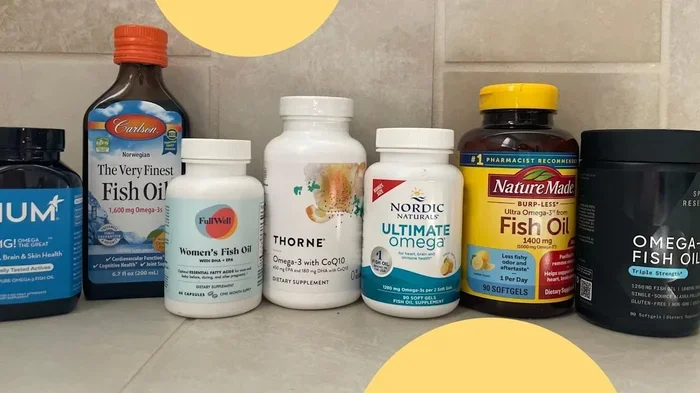
Liquid fish oil is a powerful source of omega-3 fatty acids, but its strong taste can be a real turnoff. This guide shows you practical ways to make liquid fish oil taste better so you can actually enjoy taking it every day.
Key Takeaways
- Chill it down: Cold temperatures reduce the fishy taste and make liquid fish oil much easier to swallow.
- Mix with flavors: Blending fish oil with juice, smoothies, or honey masks the taste effectively.
- Try flavored versions: Many brands offer lemon or mint-flavored liquid fish oil options.
- Use proper storage: Keeping fish oil refrigerated and sealed prevents oxidation that worsens taste.
- Pair with food: Taking fish oil with a full meal reduces aftertaste and improves absorption.
- Rinse your mouth: A quick rinse with water or mouthwash after taking fish oil removes lingering taste.
- Choose quality brands: Higher purity fish oil has less of that strong, off-putting fishy flavor.
📑 Table of Contents
How to Make Liquid Fish Oil Taste Better
If you have ever tried taking liquid fish oil, you know exactly what we are talking about. That strong, fishy taste can make you want to spit it out every single time. It is one of the biggest complaints people have about choosing liquid supplements over capsules.
But here is the thing. Liquid fish oil actually absorbs faster and gives you a higher dose of omega-3 fatty acids than pills. So you really do not want to give it up just because of the taste. The good news is that there are many simple and effective ways to make liquid fish oil taste better.
In this guide, we will walk you through practical tricks, flavor hacks, and smart storage tips. You will learn how to enjoy your daily fish oil without gagging. Let us dive in and make this supplement something you actually look forward to.
Why Does Liquid Fish Oil Taste So Bad?
Before we fix the problem, it helps to understand why liquid fish oil tastes the way it does. The main culprit is oxidation. When fish oil is exposed to air, light, or heat, it starts to break down. This process creates a strong, fishy smell and taste.
Another reason is the type of fish used. Some lower quality fish oils come from fish that have a stronger flavor. Also, liquid fish oil does not have the gelatin coating that capsules use to hide the taste. So the flavor hits your tongue directly.
Here are the most common reasons for a bad taste:
- Oxidation from poor storage or open bottles
- Low quality or refined fish oil
- Expired or old fish oil supplements
- Taking fish oil on an empty stomach
- Warm storage temperatures that speed up breakdown
Once you know the cause, you can tackle it. And most of these issues have easy fixes that we will cover next.
Simple Tricks to Mask the Fishy Taste
The easiest way to enjoy liquid fish oil is to mask its flavor. You do not have to just choke it down. There are many things you can mix it with or do to make it much more pleasant.
Chill It Before Drinking
One of the simplest tricks is to refrigerate your fish oil. Cold temperatures significantly reduce the fishy smell and taste. Many people find that drinking fish oil straight from the fridge makes a huge difference.
Some brands even sell fish oil that is designed to be taken cold. Keeping the bottle in the refrigerator between uses also prevents oxidation. So this tip serves two purposes at once. It improves taste and keeps your supplement fresh longer.
Try this method:
- Store your fish oil bottle in the refrigerator at all times.
- Pour your dose into a small glass.
- Let it sit for a minute to chill further.
- Drink it quickly while it is cold.
Mix It With Strong Flavors
If cold does not do the trick, mixing fish oil with something flavorful works wonders. The key is to use flavors that overpower the fishy taste. Here are some great options:
- Orange or lemon juice: Citrus is a classic fish oil chaser. It masks the taste very well.
- Smoothies: Blend fish oil into a fruit smoothie. The bananas and berries hide the flavor completely.
- Honey: A spoonful of honey mixed with fish oil coats your tongue and sweetens the aftertaste.
- Yogurt: Mixing fish oil into yogurt creates a creamy texture that softens the strong taste.
- Milk: Soaking or mixing fish oil in milk works similarly to how it helps with cooked fish dishes.
You can also try adding a squeeze of lime or a bit of ginger. Both are strong flavors that compete with the fishy taste. Find what works best for your palate and stick with it.
Use a Straw
This little hack is surprisingly effective. Pour your liquid fish oil into a cup and drink it through a straw. This way, the oil bypasses most of your taste buds. You taste it much less because it goes straight to the back of your throat.
Just be careful not to slurp too fast. You do not want to choke. Take small sips and follow with a glass of water.
Chase It With Something Tasty
If you prefer taking fish oil straight, just chase it immediately with something delicious. A bite of chocolate, a few crackers with cheese, or a swig of juice can erase the aftertaste. The goal is to give your mouth something else to enjoy right away.
Many people also rinse their mouth with water or mouthwash after taking fish oil. This simple step removes any lingering taste. It makes a big difference, especially if you use a flavored fish oil product.
Choose the Right Type of Fish Oil
Not all liquid fish oils are created equal. Some taste much better than others right out of the bottle. Choosing a high quality product can solve half your taste problems without any extra effort.
Go for Flavored Options
Many brands now make lemon-flavored liquid fish oil or mint-flavored versions. These are specifically designed to taste better. They use natural flavoring to cover up the fishy notes. If you have been using plain fish oil, switching to a flavored version might be all you need.
Here is a quick comparison of plain versus flavored fish oil:
| Feature | Plain Fish Oil | Flavored Fish Oil |
|---|---|---|
| Taste | Strong, fishy | Mild, citrus or mint |
| Price | Usually cheaper | Slightly more expensive |
| Availability | Most brands | Select brands |
| Effectiveness | Same | Same |
As you can see, flavored fish oil gives you the same omega-3 benefits with a much better experience. It is worth the small price difference for most people.
Pick a Higher Purity Grade
Lower quality fish oils tend to have more impurities. These impurities often cause a stronger taste and smell. Look for fish oil that is labeled pharmaceutical grade or molecularly distilled. These processes remove more contaminants and leave you with a cleaner tasting product.
Higher purity fish oil also tends to be fresher. It has less of that sour or rancid aftertaste that plagues cheaper brands. So when you invest a little more, you get better taste along with better health benefits.
Check the Expiration Date
Old fish oil tastes worse and is less effective. Always check the expiration date before buying. Once you open a bottle, try to use it within one to three months. After that, oxidation starts to affect both the taste and the quality of the oil.
If your fish oil smells very fishy or tastes sour, it is probably oxidized. Do not force yourself to drink it. Toss it and get a fresh bottle. Your taste buds and your body will thank you.
Best Practices for Taking Liquid Fish Oil
How and when you take your fish oil matters a lot. Following some simple best practices can reduce the unpleasant taste and even improve how well your body absorbs it.
Take It With Food
Never take liquid fish oil on an empty stomach. Food helps slow down digestion and gives the oil time to absorb properly. It also reduces that fishy burp or aftertaste that many people experience.
A good rule is to take fish oil during or right after a meal. The fats and proteins in your food help your body use the omega-3 fatty acids more efficiently. This means you get more benefit from every drop.
Do Not Heat It
Heat is the enemy of fish oil. It speeds up oxidation and makes the taste much worse. Never microwave your fish oil or add it to hot foods. Always serve it cold or at room temperature at most.
If you are adding fish oil to a recipe, wait until the dish has cooled down. This preserves the quality and keeps the flavor from turning sour. Treat your fish oil gently and it will taste much better.
Use the Right Dose
More is not always better with fish oil. Taking too much at once can overwhelm your senses and cause a very strong taste. Stick to the recommended dose on the bottle or your doctor’s advice.
Most people do well with one to two teaspoons per day. If you find the taste too strong, try splitting your dose into smaller amounts throughout the day. This makes each serving more manageable and keeps your omega-3 levels steady.
Storage Tips to Keep Fish Oil Fresh
Proper storage plays a huge role in how your liquid fish oil tastes. Bad storage leads to oxidation, and oxidation leads to a terrible taste. Here is how to keep your fish oil fresh and tasting as good as possible.
Keep It in the Refrigerator
Once you open your fish oil bottle, always store it in the refrigerator. The cold temperature slows down the oxidation process. It also keeps the oil from going rancid too quickly.
Some people keep their fish oil in the freezer instead. This works too, but the oil may thicken and become harder to pour. If you go this route, let it sit at room temperature for a minute before measuring your dose.
Seal the Bottle Tightly
Exposure to air is one of the biggest causes of oxidation. Always close your fish oil bottle right after use. Do not leave it sitting open on the counter while you prepare other things.
Also, avoid pouring too much oil into the measuring spoon at once. Pour only what you need. This reduces the amount of air that gets into the bottle each time you use it.
Keep It Away From Light
Sunlight and artificial light can break down fish oil faster. Store your bottle in a dark place inside the refrigerator. The original opaque bottle usually does a good job of this, but transferring to a clear glass can make things worse.
If your bottle is clear, consider wrapping it in a small towel or placing it in a dark container. These small steps add up over time and keep your fish oil tasting fresh.
When to Consider Switching to Capsules Instead
Even with all these tips, some people still struggle with the taste of liquid fish oil. If you have tried everything and still cannot stand it, there is no shame in switching to capsules. You still get the benefits of omega-3 fatty acids without the taste issue.
However, before you give up on liquid fish oil completely, consider this. Liquid fish oil often gives you a higher dose per serving. It also absorbs faster because there is no gelatin coating to break down first. So you may want to try a few more of the tricks we shared before making the switch.
You could also try a half-and-half approach. Take most of your dose in capsule form and a small amount in liquid form. This way, you still enjoy some of the liquid benefits while avoiding the full taste experience.
Talk to Your Doctor
If you are having a really hard time with fish oil, talk to your healthcare provider. They may suggest a different brand, a different form, or even an alternative supplement. There are plant-based omega-3 options available too, such as flaxseed oil. Your doctor can help you find what works best for your body and your preferences.
Conclusion
Making liquid fish oil taste better is absolutely doable. With the right tricks, you can enjoy your daily supplement without the struggle. Chilling it, mixing it with strong flavors, and using a straw all make a real difference. Choosing a high quality, flavored product and storing it properly keeps the taste fresh and mild.
Remember, liquid fish oil gives you powerful omega-3 fatty acids that support your heart, brain, and overall health. Do not let a little taste stop you from getting those benefits. Try a few of the methods we shared today and find what works for you. Your body will thank you for sticking with it.
Frequently Asked Questions
Can I mix liquid fish oil with water?
You can, but water does not mask the fishy taste very well. It is better to mix fish oil with something flavorful like juice, yogurt, or a smoothie. This way, the strong flavor is covered up much more effectively.
How long does liquid fish oil last once opened?
Most liquid fish oil products last about one to three months after opening. Always check the label for specific guidance. Keeping the bottle refrigerated helps extend its life and prevents the taste from getting worse.
Does adding lemon really help with fish oil taste?
Yes, lemon and other citrus juices work very well. The strong citrus flavor overpowers the fishy taste and even adds a pleasant scent. Many people find this the easiest way to enjoy liquid fish oil.
Is it okay to take fish oil before bed?
You can, but it is better to take it with a meal during the day. Taking fish oil at bedtime may cause a fishy aftertaste or reflux when you lie down. Pairing it with dinner usually works best.
What is the best flavored liquid fish oil brand?
There are many good brands that offer lemon or mint-flavored liquid fish oil. Look for ones that are molecularly distilled and have good customer reviews. Your local health store can also help you find a well-reviewed option.
Can children take liquid fish oil?
Yes, but always check with a pediatrician first. Children may find the taste even harder to handle. Mixing a small dose into their favorite drink or food usually makes it easier for them to take.