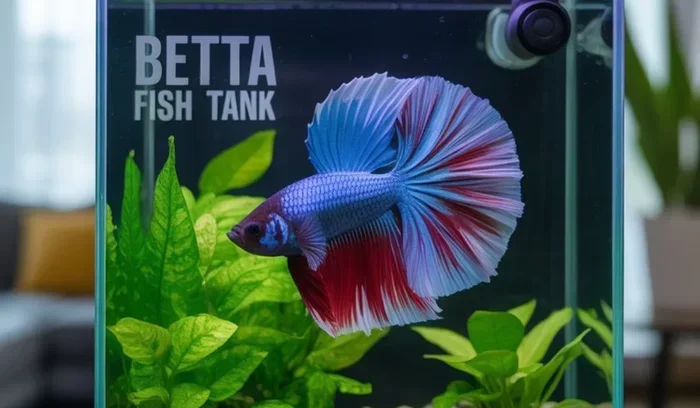
How to Make Hoop for Betta Fish
Making a hoop for betta fish is a fun and rewarding project that provides mental stimulation and physical exercise for your aquatic friend. This guide walks you through the materials, step-by-step process, and training tips to successfully teach your betta to swim through its new hoop toy.
Key Takeaways
- Use safe materials: Always choose non-toxic, aquarium-safe materials like PVC or silicone for your hoop.
- Start slow with training: Let your betta get used to the hoop before expecting it to swim through.
- Use food motivation: Treat rewards are the best way to encourage your betta to interact with the hoop.
- Safety first: Avoid sharp edges and never force your fish through the hoop if it seems stressed.
- Consistency matters: Short, daily training sessions produce the best results over time.
- Enrichment is essential: Hoop training is just one way to keep your betta mentally and physically healthy.
📑 Table of Contents
- Why Make a Hoop for Your Betta Fish?
- Materials You Need to Make a Betta Fish Hoop
- Step-by-Step: How to Make Hoop for Betta Fish
- Training Your Betta Fish to Swim Through the Hoop
- Safety Tips and Common Mistakes
- Alternative Enrichment Ideas for Betta Fish
- Comparison: Hoop Materials for Betta Fish
- Expert Insights on Betta Fish Enrichment
- Conclusion
Why Make a Hoop for Your Betta Fish?
Betta fish are far more than just pretty fins and bright colors. These little swimmers are highly intelligent and curious. They need mental stimulation and physical exercise to stay healthy and happy. A hoop is a fantastic way to give your betta something to do beyond just swimming around its tank.
Teaching your betta to swim through a hoop is one of the most popular forms of betta fish training. It strengthens the bond between you and your fish. It also keeps your betta active and engaged. Many betta owners report that their fish become more responsive and lively after introducing enrichment toys like hoops.
Think of it this way. A betta fish in a bare tank with no stimulation can become bored. A bored betta often shows lethargic behavior or develops health issues. A simple hoop can change all that. It turns your fish tank into an interactive playground.
If you have ever wondered how to make hoop for betta fish, you are in the right place. This guide covers everything you need. From picking the right materials to training your fish step by step, we have you covered.
Materials You Need to Make a Betta Fish Hoop
Before you start building, you need to gather your supplies. The good news is that most of these items are cheap and easy to find. You probably already have some of them at home.
Choosing the Right Material
The material you choose is very important. It must be non-toxic and aquarium-safe. You do not want chemicals leaching into your betta’s water. Here are some good options:
- Soft PVC tubing: This is flexible and easy to shape. It is also smooth, so it will not scratch your fish.
- Silicone tubing: Silicone is gentle and very safe. It is a bit harder to shape but holds its form well.
- Plastic straws: For a quick and easy version, clean plastic straws can work. They are not as durable but are great for a temporary hoop.
- Wire (coated): Coated craft wire can be bent into a hoop shape. Make sure the coating is non-toxic and fully intact.
Avoid using metal, raw wire, or any material with sharp edges. Your betta’s safety always comes first. Also, avoid anything that could trap or tangle your fish.
Other Supplies
- Scissors or wire cutters
- Fishing line or thin string
- A small anchor weight (like a aquarium-safe suction cup)
- Food treats for training (like freeze-dried bloodworms)
- Clean water from your tank for rinsing materials
For more tips on keeping your betta healthy during new activities, check out our guide on how to make your betta fish stronger.
Step-by-Step: How to Make Hoop for Betta Fish
Now for the fun part. Follow these steps to build a safe and effective hoop for your betta fish.
Step 1: Cut the Tube
If you are using PVC or silicone tubing, cut a piece about 10 to 12 inches long. The diameter should be roughly 3 to 4 inches. This size works well for most betta fish. Your fish should be able to swim through comfortably without feeling cramped.
If you are using plastic straws, bundle 3 to 4 straws together and tape them into a circle shape. It is a simpler version but works surprisingly well.
Step 2: Shape the Hoop
Gently bend the tube into a circle or oval shape. You want smooth curves with no sharp kinks. If the material resists, warm it slightly (not hot) to make it more flexible. A rounded shape is easier for your betta to navigate.
Step 3: Secure the Hoop
Use fishing line or thin string to tie the ends together firmly. Make sure the connection point is smooth. There should be no rough spots where your fish could get caught. You can also use a small aquarium-safe suction cup to anchor the bottom of the hoop to the tank glass.
Step 4: Position the Hoop in the Tank
Place the hoop about halfway down the tank. Keep it away from filters and heaters. You want a calm area where your betta can focus without strong currents. Secure it so it does not wobble or tip over when your fish nudges it.
Step 5: Rinse and Prepare
Before placing the hoop in the tank, rinse it thoroughly with clean water. This removes any dust or residue. Let it dry for a few minutes, then gently lower it into the aquarium.
For more ideas on making your betta’s environment fun and engaging, read our article on how to make your betta fish happy.
Training Your Betta Fish to Swim Through the Hoop
Building the hoop is only half the job. The real challenge is teaching your betta to use it. The good news is that bettas are smarter than most people think. With patience and treats, your fish can learn this trick in just a few days.
Start by Letting Your Betta Explore
Do not rush the training. Drop the hoop into the tank and let your betta discover it on its own. Some fish will investigate immediately. Others may take a day or two. Either way is perfectly normal.
Watch how your betta reacts. Does it swim near the hoop? Does it poke at it? These are good signs. Your fish is curious and comfortable.
Use Food Motivation
Bettas love food. Use this to your advantage. Hold a treat like a freeze-dried bloodworm on one side of the hoop. Your fish will naturally swim toward it and may pass through the hoop to reach it.
Repeat this several times. Eventually, your betta will associate the hoop with getting a reward. This is called positive reinforcement, and it works incredibly well with betta fish.
Gradually Raise the Treat
Once your betta is comfortable swimming through the hoop at its current level, slowly move the treat higher. This encourages your fish to swim through the hoop from different angles. Be patient and go at your fish’s pace.
Short Training Sessions
Keep training sessions short. Five to ten minutes is plenty. Overdoing it can stress your betta. A tired or frustrated fish will not learn effectively. Consistency is more important than duration.
If you want to explore more ways to challenge your betta mentally, check out our guide on how to make betta fish food at home for healthy treat ideas.
Safety Tips and Common Mistakes
Training your betta should be a fun experience for both of you. But mistakes can happen. Here are some common pitfalls to avoid.
Common Mistakes
- Using toxic materials: Never use rubber, painted wood, or unknown plastics. These can leach harmful chemicals into the water.
- Making the hoop too small: A tight hoop stresses your fish. Always allow plenty of room for comfortable passage.
- Forcing the training: If your betta refuses to go through the hoop, do not push it. Take a break and try again later.
- Leaving the hoop unattended: Always monitor your fish when new toys are in the tank. Watch for any signs of distress.
- Skipping the rinse: Untreated materials may carry bacteria or debris. Always rinse thoroughly before use.
Quick Tips for Safe Training
- Always test the hoop in a separate container before adding it to the main tank.
- Use only aquarium-safe fishing line or natural fiber string.
- Remove the hoop during water changes to prevent it from shifting.
- Never leave sharp or exposed edges on any DIY toy.
- Stop training if your betta shows signs of stress like hiding, fin-nipping, or rapid breathing.
For more advice on recognizing and handling stressed bettas, our article on how to make your betta fish healthy again is a great resource.
Alternative Enrichment Ideas for Betta Fish
A hoop is just one way to enrich your betta’s life. Here are some other activities and toys that work great for keeping your fish engaged.
Mirror Play
Placing a small mirror in front of your betta can spark its natural aggression and curiosity. Betta fish are territorial and will often flare their fins at their reflection. This provides excellent exercise. Just do not leave the mirror in too long, as it can stress your fish over time.
Puzzle Feeders
Puzzle feeders make your betta work for its food. These slow down eating and provide mental stimulation. You can even make a simple one at home using a small container with holes. It is a fun way to combine feeding with play.
Live Plants and Decorations
Adding live or silk plants gives your betta places to explore and hide. Bettas love to rest on broad leaves. Plants also improve water quality by absorbing excess nutrients. This is a simple but effective enrichment upgrade.
Water Current Play
Some bettas enjoy gentle water currents. You can create a small current using a low-flow filter or a sponge filter. Letting your fish swim against a mild current is a natural form of exercise. It mimics their wild habitat and keeps them strong.
Training Beyond the Hoop
Once your betta masters the hoop, you can try other tricks. Some owners teach their fish to follow a finger, swim through tunnels, or even play soccer with a small ball. The possibilities are limited only by your creativity and your fish’s patience.
Comparison: Hoop Materials for Betta Fish
Choosing the right material can make or break your project. Here is a quick comparison of the most popular options:
| Material | Safety | Ease of Shaping | Durability | Cost |
|---|---|---|---|---|
| Soft PVC | High | Easy | High | Low |
| Silicone | Very High | Moderate | Very High | Medium |
| Plastic Straws | Medium | Very Easy | Low | Very Low |
| Coated Wire | Medium | Easy | Medium | Low |
Overall, soft PVC offers the best balance of safety, ease, and durability for most betta owners. Silicone is excellent if you want maximum safety. Straws work for a quick test before committing to a long-term hoop.
Expert Insights on Betta Fish Enrichment
Aquarium experts agree that enrichment is a must for captive betta fish. In the wild, bettas explore large areas and hunt for food daily. A small tank cannot replicate that environment fully. But interactive toys like hoops come close. They trigger natural curiosity and encourage movement.
Dr. Linda Cole, a well-known aquatic veterinarian, emphasizes that environmental enrichment plays a key role in fish health. She notes that stimulated fish show brighter colors, more active behavior, and stronger immune systems. Enrichment is not just a luxury. It is a part of proper betta care.
The best approach is to combine multiple enrichment methods. A hoop, some plants, a mirror, and a good feeding routine together create a thriving environment. Your betta will thank you with vibrant colors and energetic swimming.
Conclusion
Learning how to make hoop for betta fish is a simple but impactful project. It gives your fish a new toy, provides mental stimulation, and strengthens the bond between you. The materials are affordable, the steps are easy, and the results are rewarding. Just remember to prioritize safety, be patient during training, and always watch your fish for signs of stress.
Enrichment is a vital part of responsible betta ownership. Whether you use a hoop, a puzzle feeder, or live plants, your fish benefits from a stimulating environment. So grab your supplies, build that hoop, and enjoy watching your betta discover a new way to play. Your little swimmer is going to love it.
Frequently Asked Questions
How long does it take to train a betta fish to swim through a hoop?
Most betta fish learn the trick within one to two weeks. Some faster learners pick it up in just a few days. The key is consistency and using food rewards. Every fish learns at its own pace, so be patient and never rush the process.
Is it safe to use plastic straws to make a betta fish hoop?
Plastic straws are generally safe for short-term use. They are non-toxic and easy to shape. However, they are not very durable and may degrade over time. For a long-lasting hoop, consider using soft PVC or silicone tubing instead. Always rinse any material before placing it in the tank.
Can I use a metal hoop for my betta fish?
You should avoid metal hoops unless the metal is fully coated with a non-toxic, aquarium-safe material. Bare metal can rust, leach chemicals, or develop sharp edges. Stick to soft, flexible materials like PVC or silicone to keep your betta safe at all times.
How do I know if my betta fish is stressed during hoop training?
Watch for signs like hiding, rapid breathing, clamped fins, or refusing to eat. If your fish shows any of these, stop the training session immediately. Give your betta time to relax and return to normal before trying again. Stress can harm your fish’s health, so always prioritize comfort over tricks.
What is the best size hoop for a betta fish?
A hoop with a diameter of about 3 to 4 inches works best for most betta fish. This gives your fish enough room to swim through comfortably. Avoid making the hoop too small or too large. A properly sized hoop encourages your betta to pass through without feeling blocked or stressed.
How often should I train my betta with the hoop?
Train your betta for five to ten minutes per day, no more. Short, consistent sessions work better than long ones. Over-training can exhaust or stress your fish. Two short sessions per day are ideal. Always end training on a positive note with a successful pass and a treat reward.