How to Make Betta Fish House
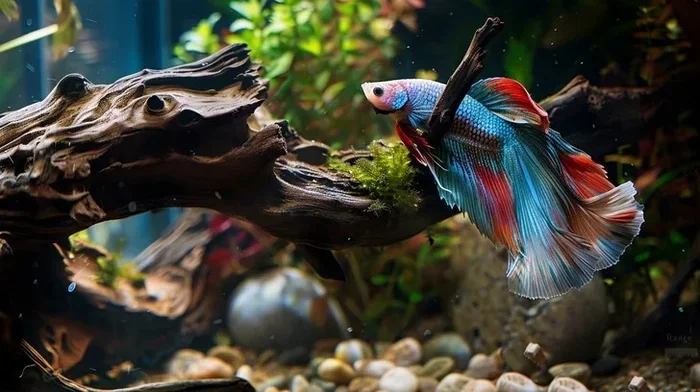
Building a betta fish house is easier than most people think. You need the right tank size, clean treated water, proper heating, and a few simple decorations to create a safe home. This guide walks you through every step so your betta stays healthy and happy.
Creating a home for your betta fish is one of the most rewarding parts of fish keeping. A proper betta fish house does more than just look nice. It gives your fish a place to swim, hide, eat, and thrive. Without the right setup, bettas can get stressed, sick, or bored. This guide shows you exactly how to build a betta fish house that keeps your fish happy and healthy for years to come.
Whether you are a complete beginner or have kept fish before, this article covers everything you need. We walk you through tank selection, water setup, heating, decoration, and daily care. Each step is simple and easy to follow. By the time you finish reading, you will feel confident about setting up your own betta fish habitat. Let us get started.
Key Takeaways
- Choose the right tank size: A 5-gallon tank is the minimum for a healthy betta fish house.
- Set up proper heating: Keep water between 76 and 82 degrees Fahrenheit for best results.
- Use clean, treated water: Always condition tap water before adding it to the tank.
- Add plants and hiding spots: These reduce stress and make your betta feel safe.
- Maintain the tank regularly: Weekly water changes keep the environment clean and stable.
- Avoid small bowls: Tiny containers limit movement and make it hard to keep water quality high.
📑 Table of Contents
Why Your Betta Fish Needs a Proper House
Many people think bettas can live in tiny cups or bowls. This is a common myth. In the wild, bettas spread out across rice paddies, streams, and shallow ponds. They need room to move around. A cramped space causes stress, which leads to illness. A well-built betta fish house gives your fish the space and comfort it needs to live a full life.
A good betta fish habitat also helps with water quality. Small bowls trap toxins quickly. Larger tanks give you more room to control water parameters like ammonia, nitrite, and nitrate. When these levels stay stable, your betta stays healthy. The right setup also supports tank cycling, which is the process of building good bacteria that break down waste.
Beyond health, a nice betta fish house lets you enjoy your fish more. You get to watch colorful fins flow through the water. You can add plants, caves, and other betta fish decor that make the tank look beautiful. It becomes a little piece of nature on your desk or shelf.
The Difference Between a Bowl and a Tank
A fish bowl and a proper tank are not the same thing. Bowls usually hold less than 2 gallons of water. They have poor surface area for gas exchange. This means oxygen levels drop fast. Tanks, on the other hand, offer better filtration, more space, and easier maintenance. If you want to give your betta the best life possible, choose a tank over a bowl every time.
Choosing the Right Tank Size for Your Betta Fish House
The first step in building a betta fish house is picking the right tank. Size matters more than most people realize. A bigger tank gives you more stable water conditions. It also gives your fish room to explore and exercise.
Minimum Tank Size Recommendations
Most experts agree that a 5-gallon tank is the smallest you should use for a single betta. Here is a quick look at common tank sizes and what they offer:
- 1 to 2 gallons: Too small. Hard to keep clean. Not recommended for long-term betta care.
- 5 gallons: The sweet spot. Easy to heat and filter. Great for one betta fish.
- 10 gallons: Even better. More room for plants and hiding spots. Easier to maintain.
- 20 gallons or more: Ideal if you want a community setup or lots of decoration.
When choosing a tank, think about where you will place it. Make sure the surface can hold the weight. A full 5-gallon tank weighs about 45 pounds. Pick a sturdy spot near an outlet for your heater and filter.
Setting Up the Water and Temperature
Water is the most important part of any betta fish house. Bettas are tropical fish. They need warm, clean water to stay healthy. Getting the water right makes a huge difference in your fish’s energy, color, and lifespan.
How to Prepare Water for Your Betta
Never use tap water straight from the faucet. Tap water contains chlorine and chloramine, which are harmful to fish. You need to treat it first. Use a water conditioner to remove these chemicals. Just add the recommended dose to your tap water and let it sit for a few minutes before adding it to the tank.
If you want to learn more about this step, check out our guide on how to prepare water for a betta fish. It covers water conditioning in detail and gives you practical tips for beginners.
Setting the Right Water Temperature
Bettas need warm water to stay active and healthy. The ideal range is between 76 and 82 degrees Fahrenheit. Use a small aquarium heater with a built-in thermostat to keep the temperature steady. Avoid placing the tank near windows, vents, or cold walls.
A tank heater is one of the most important pieces of equipment in your betta fish house. Without it, the water can cool down too fast, especially during winter months. A stable temperature helps your betta digest food properly and fight off diseases.
Testing Water Parameters
You should test your water regularly. A simple liquid test kit works great for checking ammonia, nitrite, nitrate, and pH levels. Aim for zero ammonia and zero nitrite. Nitrate should stay below 20 parts per million. Keeping these levels in check is the foundation of good betta fish care.
Decorating the Betta Fish House
Now comes the fun part. Decorating your betta fish house is where you get to be creative. A well-decorated tank does more than look good. It gives your fish places to explore, hide, and rest.
Adding Live and Silk Plants
Plants are essential in a betta fish habitat. They provide natural hiding spots and help oxygenate the water. Bettas love to rest on broad leaves, especially plants like java fern, anubias, and amazon sword. These are hardy and easy to care for.
If you are not ready for live plants, silk plants work well too. Avoid plastic plants with sharp edges. Betta fins are long and delicate, and rough leaves can tear them. Always choose soft, flowing materials for your betta fish decor.
Adding Hiding Spots and Shelters
Bettas need places to feel safe. Caves, driftwood, and coconut shells make excellent hiding spots. These give your fish a sense of security. When a betta feels safe, it shows off its colors more and behaves more naturally.
You can find special betta caves at most pet stores. Some hobbyists use terracotta pots turned on their side. Just make sure any decoration you add has no sharp edges or rough surfaces. Smooth everything out before placing it in the tank.
Substrate and Background Choices
The bottom of your betta fish house matters too. Fine gravel or sand works best. Avoid large pebbles that trap food and waste. A dark substrate can make your betta’s colors pop, which is a nice bonus.
For the background, a simple black or dark-colored backdrop helps your fish feel less stressed. It also makes the colors in your tank stand out. You can keep it plain or add a natural-looking background with plants and rocks.
Filtration for a Healthy Betta House
A filter keeps the water clean by removing waste and toxins. For a betta fish house, choose a gentle filter. Bettas do not like strong currents because their long fins make them slow swimmers. Sponge filters or filters with adjustable flow work great.
The filter also supports the tank cycling process. Good bacteria grow inside the filter media and help break down harmful substances. This keeps your betta fish environment stable and safe. Make sure to rinse your filter media in old tank water during maintenance, never in tap water.
Daily and Weekly Maintenance Routines
Setting up the tank is only half the work. Keeping the betta fish house clean and stable requires regular maintenance. A simple routine makes this easy and fast.
Daily Tasks
- Feed your betta once or twice a day with small amounts.
- Watch for any signs of illness like clamped fins, loss of color, or lethargy.
- Check that the heater and filter are working properly.
- Remove any uneaten food after a few minutes.
Weekly Tasks
Every week, you should do a partial water change. Remove about 25 to 30 percent of the tank water and replace it with fresh, conditioned water. This keeps water parameters stable and removes built-up waste.
Use a gravel vacuum to clean the substrate during water changes. This sucks up debris from the bottom without disturbing your plants or decorations. Wipe down the inside of the glass with a clean algae pad to keep the view clear.
For more tips on keeping your betta in top shape, read our article on how to properly take care of betta fish. It covers feeding, water changes, and common health issues in detail.
Monthly Tasks
Once a month, check your filter media and rinse it gently in old tank water. Replace filter media if it looks worn out. Also test your water parameters with a liquid test kit to make sure everything is balanced. These small steps go a long way in keeping your betta fish house in great shape.
Common Mistakes to Avoid When Building a Betta House
Even experienced fish keepers make mistakes. Here are some common errors to watch out for when setting up your betta fish house.
Using a Tank That Is Too Small
This is the number one mistake. Tiny bowls and vases limit your betta’s movement and make water quality hard to control. Always go with at least a 5-gallon tank. Your fish will be healthier and more active.
Skipping the Heater
Some people think bettas can live in room temperature water. This is not true. Bettas need warm water between 76 and 82 degrees. A heater is not optional. It is essential for a proper betta fish habitat.
Overfeeding Your Betta
Bettas have small stomachs. Overfeeding leads to bloating, constipation, and dirty water. Feed only what your fish can eat in two minutes. Remove any leftover food right away. A good feeding schedule is a key part of tank maintenance and overall betta fish care.
Adding Too Many Tank Mates
Bettas can be territorial. Adding too many fish to a small tank causes stress and fighting. If you want to keep other fish, research compatible species carefully. Sometimes a single betta in a well-planted tank is the best setup.
Making Your Betta Fish House a Happy Home
A proper betta fish house is more than just a tank. It is a home where your fish can feel safe, explore, and show off its beauty. When you get the setup right, you will notice your betta swimming more, displaying brighter colors, and building bubble nests. These are all signs of a happy, healthy fish.
Adding enrichment to the tank helps too. You can place a mirror near the tank for a few minutes to let your betta see its reflection. This encourages natural flaring behavior. You can also try floating plants that rest near the surface. Bettas love to build nests among floating leaves.
If you want more ideas for keeping your betta entertained and engaged, check out our guide on how to make betta fish happy. It has great tips for enrichment and play.
Building a betta fish house is a journey. You do not have to get everything perfect on day one. Start with the basics, learn as you go, and make improvements over time. Your betta will thank you with vibrant colors, lively behavior, and a long, healthy life.
Remember that every tank is different. What works for one fish keeper might not work for another. Pay attention to your betta’s behavior. If it seems stressed or unwell, check the water temperature, quality, and environment. Small adjustments can make a big difference.
A well-built betta fish house becomes a centerpiece in any room. It brings calm, color, and life to your space. With the right setup and a little regular care, you can create a beautiful underwater world for your betta. Start today, follow the steps in this guide, and enjoy the process of building the perfect home for your fish.
Frequently Asked Questions
What is the best tank size for a betta fish house?
A 5-gallon tank is the minimum recommended size for a single betta fish. It provides enough room for swimming, heating, and filtration. A 10-gallon tank is even better if you have space for it. Larger tanks are easier to maintain and keep stable.
Do betta fish need a heater in their house?
Yes, bettas are tropical fish and need warm water between 76 and 82 degrees Fahrenheit. A small aquarium heater with a thermostat keeps the temperature steady. Without a heater, the water can cool down too fast, which stresses your fish and weakens its immune system.
Can I keep my betta in a bowl instead of a tank?
Bowls are not ideal for bettas. They are usually too small to maintain stable water quality. Bowls also lack proper filtration and heating. A 5-gallon tank or larger gives your betta a much healthier and happier living space.
How often should I clean my betta fish house?
You should do a 25 to 30 percent water change every week. This removes waste and keeps water parameters stable. You should also vacuum the gravel and clean the glass during each water change. Monthly tasks include checking and rinsing the filter media.
What decorations are safe for a betta fish house?
Soft silk plants, live plants like java fern, caves, driftwood, and smooth rocks are all safe choices. Avoid plastic plants with sharp edges and decorations with rough surfaces. Always rinse new decorations before adding them to the tank to remove any dust or chemicals.
How can I make my betta fish house more stimulating?
Add live or silk plants for hiding spots and exploration. Float plants near the surface for bubble nest building. You can also use a mirror briefly to encourage natural flaring behavior. A well-decorated tank with plenty of enrichment keeps your betta mentally active and happy.
=== CONCLUSION ===
Building a betta fish house is one of the best things you can do for your fish. A proper tank, clean water, warm temperatures, and thoughtful decoration create a home where your betta can truly thrive. Follow the steps in this guide and you will have a beautiful, healthy habitat that both you and your fish can enjoy.
Start with the basics, keep up with regular maintenance, and always pay attention to your fish’s behavior. A little effort goes a long way. Your betta deserves a great home, and now you know exactly how to make betta fish house setup easy and fun. Get started today and watch your fish flourish in its new environment.