How to Chang a Betta Fish Tank
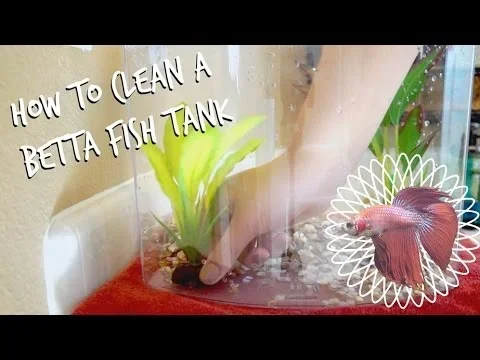
Changing your betta fish tank water is one of the most important parts of betta fish care. A proper water change removes harmful toxins, keeps water parameters stable, and supports a healthy habitat for your fish. This guide walks you through every step of the process, from preparing new water to finishing up your tank maintenance. You will learn how often to change the water, what supplies you need, and how to avoid common mistakes that stress your betta.
Keeping your betta fish happy starts with clean water. If you have ever wondered how to change a betta fish tank the right way, you are in the right place. This guide covers everything you need to know about betta fish tank water change routines, from basic steps to expert tips that make the job easier.
A clean tank means a healthy betta. Dirty water leads to stress, disease, and a shorter life for your fish. The good news is that regular aquarium maintenance does not have to be hard. With a simple routine and the right tools, you can keep your betta fish habitat fresh and safe all year long.
In this article, we will break down every step of the water change process. You will learn what supplies to gather, how to remove old water safely, and how to add clean water without stressing your betta. We also share common mistakes to avoid and tips from experienced fish keepers. Whether you are a beginner or have had bettas for years, this guide will help you do it right.
Key Takeaways
- Regular water changes are essential: Changing 20-30% of the water weekly keeps your betta healthy and reduces toxin buildup.
- Use the right supplies: A siphon, water conditioner, and bucket make the process easy and safe for your fish.
- Match the water temperature: New water should be close to the tank temperature to avoid shocking your betta.
- Never clean everything at once: Keep beneficial bacteria alive by only cleaning parts of the tank at a time.
- Watch for warning signs: Cloudy water, bad smells, or sluggish behavior mean it is time for a water change.
- Follow a schedule: Consistency with your tank maintenance routine makes the process quick and stress-free for both you and your fish.
📑 Table of Contents
- Why Changing Betta Fish Tank Water Matters
- Supplies You Need for a Water Change
- Step-by-Step Guide to Changing Your Betta Fish Tank Water
- How Often Should You Change the Water?
- Common Mistakes to Avoid When Changing Water
- Tips for Making Water Changes Easier
- How to Change a Betta Fish Tank: Final Thoughts
Why Changing Betta Fish Tank Water Matters
Your betta lives in a closed environment. Unlike fish in the wild, your fish relies on you to keep the water clean. Over time, harmful substances build up in the tank. These include ammonia, nitrite, and nitrate, which come from fish waste and leftover food.
A regular partial water change removes these toxins before they reach dangerous levels. Think of it like changing the air filters in your home. You do it often so the air stays fresh. The same idea applies to your fish tank.
How Dirty Water Affects Your Betta
When water quality drops, your betta shows signs of stress. Look out for these warning signals:
- Faded or dull colors
- Staying near the surface and gasping for air
- Refusing to eat
- Lethargy or hiding more than usual
- Clamped fins close to the body
If you notice any of these signs, check your water parameters right away. A water test kit can tell you if ammonia or nitrite levels are too high. Catching problems early makes a big difference for your fish.
The Role of the Nitrogen Cycle
Every tank goes through the nitrogen cycle. This is the process where beneficial bacteria break down toxic waste. These good bacteria live in your filter and on the tank substrate. When you change water, you must be careful not to wipe them all out.
This is why tank maintenance is about balance. You remove the bad stuff while keeping the good bacteria intact. A gentle approach works best for your betta fish care routine.
Supplies You Need for a Water Change
Before you start, gather everything you need. Having all your supplies ready makes the process smooth and fast. You do not want to scramble halfway through and leave your betta in stressed conditions.
Essential Supplies
- Aquarium siphon: This tool pulls old water and debris from the tank substrate. It is the most important tool for any water change.
- Water conditioner or dechlorinator: Tap water contains chlorine that harms fish. A good conditioner neutralizes these chemicals instantly.
- Clean bucket: Use a bucket dedicated only to fish tank use. Never use a bucket that has held soap or cleaning chemicals.
- Thermometer: You need to match the temperature of the new water to the tank water.
- Algae scraper: Optional but helpful for cleaning tank walls during maintenance.
Nice-to-Have Extras
These supplies are not required but make the job easier:
- A water test kit to check ammonia, nitrite, and nitrate levels
- A turkey baster for removing debris from hard-to-reach spots
- Clean towels or paper towels for spills
- A small cup for gently moving your betta during the clean
Step-by-Step Guide to Changing Your Betta Fish Tank Water
Now that you have your supplies ready, let us walk through the process. Follow these steps in order for the best results.
Step 1: Turn Off All Equipment
Start by turning off the heater, filter, and any other electrical devices. This keeps you safe and prevents your equipment from running dry. Wait a few minutes for the water to settle before moving on.
Step 2: Remove 20-30% of the Tank Water
Use your aquarium siphon to remove about one quarter to one third of the water. Start the siphon and let it suck up water from the substrate. This removes waste, uneaten food, and debris that have settled at the bottom.
Do not remove more than 30% at a time. Removing too much water can crash your beneficial bacteria colony and destabilize your tank environment. A steady, gentle approach works best for betta fish tank health.
Step 3: Clean the Tank Walls and Decorations
While the siphon is running, use an algae scraper to clean the inside walls. Remove any algae buildup gently. If you have decorations with algae on them, rinse them in the bucket of removed tank water. Never use soap or tap water directly on decorations.
Step 4: Prepare Fresh Water
Fill your clean bucket with fresh water. The amount should match what you removed. Use a thermometer to check the temperature. It should be within 1-2 degrees of the tank water. Bettas are sensitive to temperature swings, so getting this right matters.
Add water conditioner to the new water according to the product instructions. Let it sit for a minute or two to work. This step is non-negotiable. Untreated tap water can harm or even kill your betta.
Step 5: Add the New Water Slowly
Pour the treated water back into the tank slowly. You can pour it over a plate or bowl to reduce the flow. A strong stream can disturb the substrate and stress your fish. Take your time with this step.
Once all the new water is in, turn your filter and heater back on. Check that everything is running properly. Your betta may hide for a few minutes after the change, and that is completely normal.
How Often Should You Change the Water?
The frequency of water changes depends on your tank size and setup. Here is a quick comparison to guide you:
- 1-gallon tank: Change 50% of the water twice a week
- 3-gallon tank: Change 30% of the water twice a week
- 5-gallon tank: Change 20-25% of the water once a week
- 10-gallon tank: Change 20% of the water once a week
Smaller tanks need more frequent changes because toxins build up faster. If you want a detailed schedule for different tank sizes, check out our guide on how often to clean a betta fish tank. It covers the exact timing for every setup.
Also, keep in mind that tanks with live plants or filters may need less frequent changes. Plants absorb some of the waste products, which helps keep the water cleaner longer. But regular monitoring is still essential.
Common Mistakes to Avoid When Changing Water
Even experienced fish keepers make mistakes. Here are the most common errors and how to avoid them:
Mistake 1: Using Tap Water Without Conditioner
This is the number one mistake new fish owners make. Tap water contains chlorine and chloramine that are deadly to fish. Always use a water conditioner or dechlorinator before adding water to your tank. It takes just a few seconds and protects your betta.
Mistake 2: Changing All the Water at Once
Some beginners think a full water change is better. It is not. Replacing all the water at once wipes out beneficial bacteria and shocks your fish. Stick to partial changes of 20-30%. Your betta fish health depends on keeping that bacterial colony stable.
Mistake 3: Ignoring Water Temperature
Cold or hot water causes thermal shock. Your betta may become stressed, refuse food, or get sick. Always use a thermometer and match the new water temperature to the existing tank water. This small step makes a huge difference.
Mistake 4: Forgetting to Rinse the Siphon
Your siphon tube can collect gunk over time. Rinse it in removed tank water after each use. This keeps the tool working well and prevents introducing debris back into the tank.
Tips for Making Water Changes Easier
Once you get into a rhythm, water changes become second nature. Here are some tips from experienced betta keepers to save you time and effort.
Set a Schedule and Stick to It
Pick a day and time for your tank maintenance. Many fish keepers choose Sunday mornings or Friday evenings. When you make it a habit, you never forget. Your betta benefits from the consistency too.
Use a Gravel Vacuum with a Built-In Thermometer
Some aquarium siphons come with a thermometer attached. This saves you from grabbing a separate tool. It is a small upgrade that streamlines the whole process.
Keep a Maintenance Log
Write down the date, amount of water changed, and any observations about your betta. Over time, this log helps you spot patterns. You will know what works best for your specific tank setup.
Learn From Other Betta Keepers
If you want to see a visual guide, check out our how to clean a betta fish tank article. It includes helpful tips and step-by-step instructions that complement what you have learned here.
Also, setting up your tank the right way from the start makes maintenance much simpler. Read our guide on how to set up a fish tank for betta fish for advice on choosing the right equipment and layout.
How to Change a Betta Fish Tank: Final Thoughts
Changing your betta fish tank water does not have to be complicated. With the right supplies, a simple routine, and a little practice, you can keep your tank clean and your betta thriving. Remember to always use water conditioner, match the temperature, and stick to partial water changes.
Your betta fish depends on you for a clean and safe home. Every water change is a chance to improve their quality of life. Start with small, consistent steps and build from there. Before long, the process will feel automatic and rewarding.
Take what you have learned and put it into action today. Your betta will thank you with vibrant colors, active behavior, and a long, healthy life. Clean water is the foundation of great betta fish care, and you now have the knowledge to do it right.
Frequently Asked Questions
How do you change a betta fish tank?
Start by turning off all equipment. Use an aquarium siphon to remove 20-30% of the water, then clean the tank walls and decorations. Prepare fresh water with conditioner, match the temperature, and slowly add it back to the tank. Turn the equipment back on and monitor your betta for any signs of stress.
How often should I change my betta fish tank water?
For most tanks, a 20-30% water change once a week works well. Smaller tanks under 5 gallons may need changes twice a week. Larger tanks can sometimes stretch to every 10 days. Always test your water to confirm it is safe for your fish.
Can I use tap water for my betta fish tank?
Yes, but only after treating it with a water conditioner or dechlorinator. Tap water contains chlorine and chloramine that are harmful to bettas. Let the conditioner work for a minute or two before adding the water to your tank.
What happens if I change too much water at once?
Removing too much water at once can crash the nitrogen cycle and eliminate beneficial bacteria. Your betta may experience stress, temperature shock, or illness. Always stick to partial changes of no more than 30% per session.
Do I need to remove my betta during a water change?
No, you do not need to remove your betta. In fact, keeping them in the tank is less stressful. Just pour the new water in slowly to avoid disturbing them. If your betta seems particularly anxious, you can gently move them to a temporary container with some of the old tank water.
What supplies do I need for a betta fish tank water change?
You need an aquarium siphon, a clean bucket, water conditioner or dechlorinator, a thermometer, and optionally an algae scraper. Having these items ready before you start makes the entire process faster and smoother.