How to Care for Crowntail Betta Fish
Knowing how to care for crowntail betta fish starts with the right tank setup, clean water, and a proper feeding routine. Crowntail bettas are stunning fish with unique fin patterns that make them stand out in any aquarium. This guide covers everything you need to keep your crowntail betta healthy, happy, and vibrant for years to come.
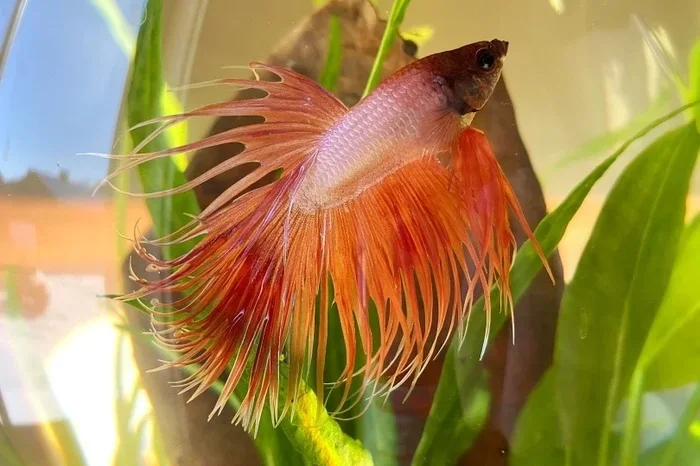
Caring for a crowntail betta fish is one of the most rewarding experiences for any aquarium lover. These fish have dramatic, spiky fins that look like a crown, which is how they got their name. Their bright colors and flowing tails make them a favorite among fish keepers of all levels.
If you are new to betta fish or thinking about adding a crowntail to your collection, you need to know the basics. How to care for crowntail betta fish comes down to a few key areas: tank setup, water quality, feeding, and health monitoring. When you get these things right, your betta will thrive and live a long, happy life.
This guide breaks down everything you need to know in simple, easy-to-follow steps. You will learn how to set up the perfect tank, what to feed your fish, how to keep the water clean, and how to spot early signs of illness. By the end, you will feel confident and ready to give your crowntail betta the best care possible.
Key Takeaways
- Tank Size Matters: A minimum 5-gallon tank gives your crowntail betta room to swim and thrive.
- Water Quality Is Critical: Keep the temperature between 76-82°F and always dechlorinate tap water before adding it to the tank.
- Feed Moderately: Offer small meals 1-2 times a day and avoid overfeeding to prevent health issues.
- Watch for Common Illnesses: Fin rot, ich, and bloating are the most frequent health problems for crowntail bettas.
- Regular Maintenance: Weekly water changes and tank cleaning keep your betta’s environment safe and stress-free.
- Enrichment Helps: Adding plants, hiding spots, and gentle filtration improves your betta’s quality of life.
📑 Table of Contents
Understanding Crowntail Betta Fish
Before you dive into the care routine, it helps to understand what makes crowntail bettas special. Their fins have a distinctive split, spiky appearance that looks like a crown. This sets them apart from other betta varieties like veil tails or crown tail plakats.
Origin and Natural Habitat
Crowntail bettas come from the warm, shallow waters of Southeast Asia. In the wild, they live in rice paddies, slow-moving streams, and floodplains. Understanding their natural environment helps you recreate the conditions they need in captivity. Warm water, gentle currents, and plenty of hiding spots mimic their home habitat.
Lifespan and Size
A well-cared-for crowntail betta can live between 3 and 5 years. Some fish even reach 5 years with excellent care. Males typically grow to about 2.5 to 3 inches in length. Females are slightly smaller but just as colorful. The betta fish lifespan depends heavily on water quality and diet.
Setting Up the Perfect Tank
The foundation of good crowntail betta fish care starts with the right tank. Many people make the mistake of keeping bettas in tiny bowls. While bettas can survive in small spaces, they thrive when given room to explore. A proper setup reduces stress and prevents health problems.
Tank Size Recommendations
A 5-gallon tank is the minimum size for a single crowntail betta. Larger tanks, like 10 gallons, give your fish even more space to swim. Avoid tanks smaller than 3 gallons. A cramped tank leads to stress, which weakens the immune system. Proper tank size is one of the most overlooked parts of betta care.
Filtration and Heating
Bettas need a gentle filter that does not create strong currents. Their long fins make them poor swimmers in fast-moving water. A sponge filter works great because it provides biological filtration without a strong flow. A tank heater is also essential. Keep the water temperature between 76 and 82 degrees Fahrenheit. A heater with a thermostat helps maintain a stable temperature.
Decorations and Plants
Add live or silk plants to give your crowntail places to rest and explore. Avoid sharp plastic decorations that can tear their delicate fins. Driftwood and caves make excellent hiding spots. A well-decorated tank mimics their natural environment and keeps them feeling safe. You can learn more about how to set up a fish tank for betta fish in our detailed guide.
Water Quality and Maintenance
Clean water is the single most important factor in keeping your crowntail betta healthy. Poor water quality causes stress, disease, and early death. Understanding how to manage your tank’s water parameters will make a huge difference.
Water Parameters
Keep the pH between 6.5 and 7.5. The water should be soft to moderately hard. Ammonia and nitrite levels must always be zero. Nitrate should stay below 20 parts per million. Test your water regularly with a liquid test kit. These readings tell you if your tank is cycling properly.
Temperature Control
Crowntail bettas are tropical fish and need warm water. Fluctuations in temperature stress the fish and can lead to illness. A reliable heater with a thermostat keeps the water stable. Avoid placing the tank near windows, vents, or drafty areas. Stable water temperature is key to a healthy betta.
Water Changes
Perform a 25 to 30 percent water change every week. This removes built-up toxins and refreshes the tank environment. Always treat new water with a conditioner before adding it. You can read more about how to do a water change for betta fish step by step. Never replace all the water at once, as this shocks the fish and disrupts beneficial bacteria.
Using Tap Water Safely
Tap water contains chlorine and chloramine, which are harmful to bettas. Always use a water conditioner to neutralize these chemicals. A good conditioner removes toxins and adds beneficial electrolytes. Learn how to use tap water conditioner for betta fish properly to keep your water safe and clean.
Feeding Your Crowntail Betta
Feeding is one of the most enjoyable parts of betta ownership, but it is also where mistakes happen. Overfeeding is the most common error new fish keepers make. A proper feeding routine keeps your crowntail healthy and prevents digestive problems.
What to Feed
High-quality betta pellets should be the staple of your fish’s diet. Look for pellets with a high protein content, around 30 to 40 percent. You can also offer frozen or live foods like brine shrimp, bloodworms, and daphnia as treats. These foods add variety and extra nutrients. Varied diet keeps your betta’s colors vibrant and energy levels high.
Feeding Schedule
Feed your crowntail betta 2 to 3 pellets twice a day. Some owners prefer once a day with slightly more food. The key is to offer only what your fish can eat in 2 minutes. Remove any uneaten food after feeding to keep the water clean. Overfeeding leads to bloating, constipation, and poor water quality. A proper feeding schedule makes a big difference in your fish’s health and longevity.
Fasting Days
Give your betta one fasting day per week. This helps clear the digestive system and prevents constipation. Many experienced fish keepers swear by this simple practice. On fasting days, your betta will still be active and curious. Just skip the food and resume the normal schedule the next day.
Common Health Issues and Prevention
Even with the best care, bettas can get sick. Knowing the early warning signs helps you act fast and treat problems before they become serious. Most common betta illnesses are preventable with clean water and a good diet.
Fin Rot
Fin rot is one of the most common diseases in betta fish. It causes the fins to look ragged, discolored, or to melt away. Poor water quality is the leading cause. Treat mild cases with a water change and aquarium salt. Severe cases may need medication. Keeping the tank clean prevents fin rot from taking hold.
Ich (White Spot Disease)
Ich appears as white spots on the body and fins. It is caused by a parasite that thrives in stressed fish. Raise the water temperature slowly to 82 degrees Fahrenheit and add aquarium salt. This speeds up the parasite’s life cycle and helps it die off faster. Reducing stress through clean water and stable conditions is the best prevention.
Bloating and Constipation
Bloating happens when a betta eats too much or gets low-quality food. The fish’s belly swells and it may have trouble swimming. Feed peas (shelled) as a natural remedy. Fasting for 1 to 2 days also helps. Prevent bloating by feeding high-quality pellets and avoiding overfeeding. If you notice persistent symptoms, you may want to learn more about how to care for sick betta fish and recognize warning signs early.
When to Seek Help
If your betta shows signs of lethargy, loss of appetite, or unusual behavior, test the water parameters first. Many health issues trace back to water problems. If the water is fine, consider isolating the fish in a quarantine tank. Treating diseases early gives your betta the best chance of recovery. Properly care for betta fish by staying alert to changes in behavior or appearance.
Enrichment and Daily Care Routine
A happy betta is an active betta. Beyond the basics of food and clean water, enrichment plays a big role in your fish’s well-being. Simple additions to the tank can make a huge difference in your betta’s mood and behavior.
Tank Mates and Social Needs
Crowntail bettas are generally solitary fish. Males should never be housed together, as they will fight. Female bettas can sometimes live in small groups called sororities, but this requires a larger tank and careful planning. Good tank mates include snails, ghost shrimp, and small peaceful fish like corydoras. Always monitor new additions closely for signs of aggression.
Interactive Enrichment
Bettas are curious fish that enjoy exploring their environment. Add a betta hammock or resting leaf near the surface. Some owners train their bettas to follow their finger or eat from their hand. Floating decorations and gentle bubble walls provide visual stimulation. These small touches make a big difference in your fish’s quality of life.
Daily and Weekly Routines
Spend a few minutes each day observing your betta. Look for changes in appetite, color, or activity level. Check the heater and filter to make sure everything is working. Follow a weekly routine of water changes and gravel cleaning. A consistent maintenance schedule keeps the tank stable and your betta healthy. Proper care for crowntail betta fish becomes second nature once you build a routine.
Breeding Crowntail Bettas
Breeding crowntail bettas is a rewarding but challenging endeavor. It requires patience, preparation, and a solid understanding of betta behavior. If you are interested in breeding, start by learning the basics of conditioning and spawning.
Conditioning the Pair
Before breeding, feed the male and female high-quality foods to build up their strength. Live foods like brine shrimp work best for conditioning. The female should develop a visible egg spot, and the male should show vibrant colors. Conditioning betta fish for breeding typically takes 1 to 2 weeks.
The Spawning Process
The male builds a bubble nest at the surface of the water. When the female is ready, the pair will embrace and the male will collect the eggs. After spawning, remove the female carefully, as the male may become aggressive. The male will guard the nest and fry until they are free-swimming. This process requires close monitoring and clean water conditions.
Final Thoughts
Caring for a crowntail betta fish is a journey that combines simplicity with depth. The basics are easy to learn, but mastering them takes patience and consistency. When you provide clean water, proper nutrition, and a stress-free environment, your crowntail betta will reward you with stunning colors and lively behavior for years.
Remember that every fish is unique. Pay attention to your betta’s individual needs and adjust your care routine as needed. The effort you put into learning how to care for crowntail betta fish pays off in a happy, healthy companion that brings joy to your home. Start with the basics, stay consistent, and enjoy the process. Your crowntail betta will thank you for it.
Frequently Asked Questions
How big do crowntail betta fish get?
Crowntail bettas typically grow to about 2.5 to 3 inches in length. Males are slightly larger than females and have more dramatic fin extensions. Providing a tank of at least 5 gallons supports healthy growth and development.
How long do crowntail betta fish live?
With proper care, crowntail bettas live between 3 and 5 years. Water quality, diet, and stress levels all play a role in determining lifespan. Keeping the tank clean and feeding a balanced diet helps your fish reach its full life expectancy.
Can crowntail betta fish live with other fish?
Male crowntail bettas should be kept alone because they are territorial and will fight with other bettas. However, they can live peacefully with small, non-aggressive tank mates like snails and shrimp. Always monitor interactions closely when introducing new fish.
What is the best water temperature for crowntail betta fish?
The ideal water temperature for crowntail bettas is between 76 and 82 degrees Fahrenheit. Use a reliable aquarium heater with a thermostat to maintain a stable temperature. Sudden temperature changes can stress the fish and weaken their immune system.
How often should I feed my crowntail betta fish?
Feed your crowntail betta 2 to 3 pellets twice a day, or once a day with slightly more food. Offer only what your fish can eat in about 2 minutes. Include one fasting day per week to support healthy digestion and prevent bloating.
Why are my crowntail betta fish fins clamped?
Clamped fins often signal stress, poor water quality, or early illness. Check your water parameters and perform a water change if needed. If the behavior continues, look for other symptoms like loss of appetite or discoloration that may indicate disease.