How to Care for a Betta Fish Youtube
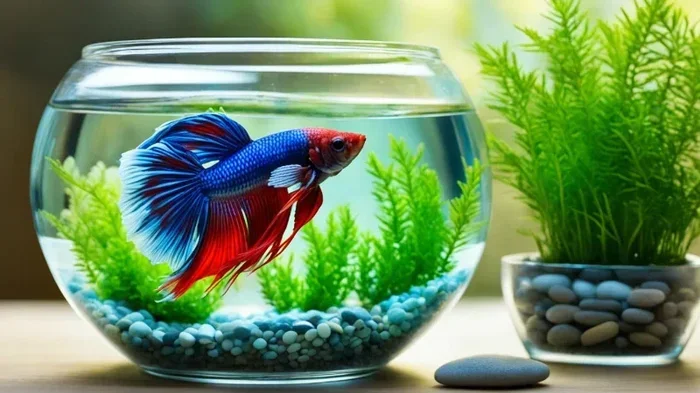
Our complete guide on how to care for a betta fish youtube-style covers everything from tank setup to feeding and health tips. You will learn simple steps to keep your betta fish thriving in a clean, warm, and comfortable environment. Whether you are a beginner or a seasoned fish owner, this guide has practical advice you can use right away.
Key Takeaways
- Proper Tank Setup: A minimum 5-gallon tank with a heater and filter is essential for a healthy betta fish.
- Regular Water Changes: Weekly water changes of 25-50% keep ammonia levels safe and your betta stress-free.
- Correct Temperature: Keep water between 76-82°F to mimic your betta’s natural habitat.
- Balanced Diet: Feed high-quality pellets and occasional treats like bloodworms for optimal health.
- Watch for Illness Signs: Learn to spot common betta fish diseases early for faster treatment.
- YouTube Is a Great Resource: Visual guides make learning betta fish care easier and more engaging.
📑 Table of Contents
- How to Care for a Betta Fish Youtube: Your Complete Visual Guide
- Why Visual Learning Makes Betta Fish Care Easier
- Setting Up the Perfect Betta Fish Tank
- Water Maintenance: The Heart of Betta Care
- Feeding Your Betta Fish the Right Way
- Common Betta Fish Problems and How to Fix Them
- Using YouTube to Improve Your Betta Fish Care Skills
- Quick Tips for a Healthy Betta Fish
- Common Mistakes to Avoid
- Expert Insights on Betta Fish Care
- Conclusion: Mastering Betta Fish Care for Long-Term Success
How to Care for a Betta Fish Youtube: Your Complete Visual Guide
Watching a how to care for a betta fish youtube video can make everything click. You see exactly what to do. You watch someone set up the tank. You observe how they test the water. It is one of the best ways to learn. But videos alone are not enough. You need a solid foundation of knowledge too. This guide fills that gap perfectly.
Betta fish are beautiful. They have flowing fins and vibrant colors. They are also surprisingly hardy. But they still need proper care. Many new owners make mistakes. They buy too small a tank. They skip water changes. They feed too much. This guide helps you avoid all of that. We break everything down into simple steps. Think of it as your personal youtube tutorial, but in text form.
Whether you just bought your first betta or you are looking to improve your setup, this article has you covered. We will walk through tank setup, water maintenance, feeding, health tips, and more. Every section is designed to be easy to follow. No jargon. No confusing terms. Just clear, actionable advice that works.
Why Visual Learning Makes Betta Fish Care Easier
Many people search for a how to care for a betta fish youtube video because seeing is believing. When you watch someone do a water change, you understand the process faster. You see the right amount of gravel to vacuum. You notice how to hold the siphon. Visual guides reduce the guesswork significantly.
Here are some reasons why youtube-style learning works so well for betta fish care:
- Step-by-step demonstrations: You can pause and rewind as needed.
- Real-time examples: You see actual tank setups and water parameters.
- Community feedback: Comment sections often share extra tips.
- Beginner-friendly: Most creators explain things in simple language.
- Visual proof of results: You can see healthy bettas in well-maintained tanks.
That said, reading a detailed guide like this one gives you something videos often miss. Depth. You get the full picture. You understand the why behind each step. And you have a reference you can come back to anytime. The best approach combines both. Watch videos and read guides. Use both to build your confidence.
Setting Up the Perfect Betta Fish Tank
A proper tank is the foundation of good betta fish care. Many people still believe bettas can live in tiny bowls. This is a myth. Bettas need space to swim and explore. A cramped tank leads to stress. Stress leads to illness. Let us break down exactly what you need.
Tank Size Matters
The minimum tank size for a single betta is 5 gallons. A 10-gallon tank is even better. Larger tanks are more stable. They dilute waste more effectively. They also give your betta room to move around. Avoid tanks smaller than 3 gallons at all costs. A how to set up a fish tank for betta fish guide can walk you through the exact steps if you are new to aquariums.
Heating and Filtration
Betta fish are tropical. They need warm water. A heater is not optional. Set the temperature between 76 and 82 degrees Fahrenheit. Choose a heater with a thermostat for automatic control. As for filtration, bettas prefer gentle flow. Strong filters create too much current. Look for sponge filters or adjustable hang-on-back filters. The filter keeps the water clean without stressing your fish.
Decorations and Plants
Add live or silk plants to your tank. Avoid sharp plastic decorations. Bettas have delicate fins. Live plants also help purify the water naturally. Caves and hiding spots give your betta a sense of security. A well-decorated tank reduces stress and brings out your betta’s natural colors.
Water Maintenance: The Heart of Betta Care
Clean water is the single most important factor in betta fish health. Even with a filter, you must perform regular water changes. Waste builds up over time. Ammonia and nitrites can reach dangerous levels fast. This is where many beginners struggle. But it does not have to be complicated.
How Often to Change the Water
For a 5-gallon tank, do a 25 to 30 percent water change every week. For larger tanks, you can stretch to every 10 to 14 days. The key is consistency. Never let water sit for too long without maintenance. If you are unsure about the process, a how to do a water change for a betta fish guide will show you the exact method step by step.
How to Prepare Water for Your Betta
Always use dechlorinated water. Tap water contains chlorine and chloramine. These chemicals are harmful to fish. Use a water conditioner to neutralize them. Let the new water reach room temperature before adding it. Sudden temperature changes shock your betta. A how to prepare water for a betta fish article covers this process in greater detail.
Testing Water Parameters
Invest in a basic liquid test kit. Test for ammonia, nitrite, nitrate, and pH. Ammonia and nitrite should always read zero. Nitrate should stay below 20 ppm. pH should be between 6.5 and 7.5. Testing takes just a few minutes. It saves you from costly mistakes down the road.
| Parameter | Safe Range | Danger Zone |
|---|---|---|
| Ammonia | 0 ppm | Above 0.25 ppm |
| Nitrite | 0 ppm | Above 0.25 ppm |
| Nitrate | 0-20 ppm | Above 40 ppm |
| pH | 6.5-7.5 | Below 6.0 or above 8.0 |
| Temperature | 76-82°F | Below 74°F or above 86°F |
Feeding Your Betta Fish the Right Way
Feeding seems simple. But many betta owners overfeed. This causes water quality problems. Uneaten food rots and raises ammonia. A proper feeding routine keeps your betta healthy and your tank clean.
What to Feed
High-quality betta pellets should be the staple food. Look for pellets with protein as the first ingredient. Supplement with frozen or live bloodworms and brine shrimp. These make great occasional treats. Avoid feeding flakes meant for other fish. Bettas are carnivores. They need protein-rich diets.
How Much and How Often
Feed your betta 2 to 3 pellets twice a day. Some owners skip one day per week. This helps with digestion. Watch your betta during feeding. If food falls to the bottom, reduce the amount. Remove any uneaten food within 5 minutes. Overfeeding is the most common mistake new betta owners make.
Common Betta Fish Problems and How to Fix Them
Even with the best care, problems can happen. Knowing the signs early makes a huge difference. Most betta fish issues are treatable if you act fast.
Fin Rot
Fin rot shows up as ragged or discolored fins. It is usually caused by poor water quality. Do a water change immediately. Clean the tank thoroughly. In mild cases, improving water conditions is enough. Severe cases may require medication. A how to care for sick betta fish guide provides more detailed treatment options.
Ich (White Spot Disease)
Ich appears as tiny white spots on the body and fins. It is a parasitic infection. Raise the water temperature slowly to 82 degrees Fahrenheit. Add aquarium salt to help with treatment. Commercial ich medications also work well. Quarantine new fish before adding them to your main tank. Prevention is always better than cure.
Stress Signs to Watch For
A stressed betta shows specific behaviors. Clamped fins, hiding constantly, and loss of color are red flags. Erratic swimming and refusal to eat also indicate stress. Check your water parameters first. Then look for changes in the environment. A how to treat a stressed betta fish article can help you identify and resolve the root cause.
Using YouTube to Improve Your Betta Fish Care Skills
There is a massive community of betta fish enthusiasts on youtube. Watching experienced hobbyists share their knowledge is incredibly valuable. You can find channels dedicated entirely to betta care. These creators show real setups. They share real mistakes. They offer honest advice based on years of experience.
Here are some tips for getting the most out of betta fish youtube content:
- Follow reputable channels: Look for creators with proven track records.
- Watch tank tours: See how experienced hobbyists design their setups.
- Learn water change techniques: Visual demos are the best way to master this skill.
- Join the community: Comment and ask questions. Most creators respond.
- Combine video with reading: Use guides like this one alongside your video watching.
Searching for a how to care for a betta fish youtube tutorial is a great first step. But make sure you also build a knowledge base through reading and research. The combination of visual and text-based learning gives you the best results. You will feel confident and prepared for every situation.
Quick Tips for a Healthy Betta Fish
Keep these quick tips in mind every day. They are simple habits that make a big difference over time.
- Check the temperature daily. Make sure your heater is working properly.
- Do not overfeed. Less food means cleaner water.
- Perform weekly water changes. Consistency is the key to success.
- Observe your betta every day. Early detection of problems saves lives.
- Keep the tank clean. Remove debris and uneaten food promptly.
- Use a gentle filter. Bettas do not like strong currents.
- Be patient. A healthy betta tank takes time to establish.
These tips seem basic. But they are the foundation of excellent betta care. If you follow them consistently, your betta will thrive. You will see vibrant colors and active behavior. Your fish will live a long and happy life.
Common Mistakes to Avoid
Learning from other people’s mistakes saves you time and heartache. Here are the most common errors betta owners make:
- Keeping bettas in bowls smaller than 3 gallons: This is cruel and unhealthy.
- Skipping water changes: Waste builds up fast in small tanks.
- Using untreated tap water: Chlorine and chloramine harm fish.
- Overfeeding: This is the number one killer of pet bettas.
- Housing male bettas together: They will fight and injure each other.
- Ignoring water temperature: Cold water weakens the immune system.
- Using sharp decorations: Damaged fins lead to infections.
Avoiding these mistakes puts you ahead of most beginners. You will have a healthier, happier betta from day one.
Expert Insights on Betta Fish Care
Experienced aquarists agree on a few key principles. First, bigger tanks are always better. They provide more stable water conditions. Second, consistency beats perfection. Do not stress if you miss a feeding once in a while. Just get back on track. Third, observe your fish daily. You know your betta better than anyone. If something seems off, trust your instincts and investigate.
Many experts also recommend the how to properly care for betta fish approach, which focuses on prevention rather than treatment. A well-maintained tank rarely has health problems. The effort you put into daily care pays off in the long run.
Another valuable resource is learning about how to cycle a fish tank for betta before you add your fish. Cycling establishes beneficial bacteria that break down harmful waste. This process takes 4 to 6 weeks. But it is the single most important step in creating a safe home for your betta. Skipping the cycle is the fastest route to fish loss.
Conclusion: Mastering Betta Fish Care for Long-Term Success
Caring for a betta fish is a rewarding experience. These colorful fish bring joy and beauty to any space. But they do need proper care to thrive. From tank setup to feeding to water maintenance, every detail matters. Watching how to care for a betta fish youtube videos is a fantastic starting point. Pair that with the knowledge in this guide and you are set up for success.
Remember to keep the water clean and warm. Feed your betta the right amount. Watch for signs of illness. And never stop learning. The more you know, the better your betta will do. Apply what you have learned here today. Your betta fish will thank you with vibrant colors and active, joyful behavior for years to come.
Start small. Stay consistent. And enjoy the journey of becoming a great betta fish owner. You have already taken the first step by reading this guide. Now go put that knowledge into action. Your betta deserves the best care you can provide.
Frequently Asked Questions
How big of a tank does a betta fish need?
A single betta fish needs at least a 5-gallon tank. A 10-gallon tank is even better because it provides more stable water conditions. Avoid keeping bettas in bowls smaller than 3 gallons. Larger tanks are easier to maintain and give your fish room to swim.
Can I keep my betta fish in a bowl without a filter?
You can, but it is not ideal. Bowls without filters require frequent water changes, sometimes daily. A small filter makes maintenance much easier and keeps the water cleaner. If you use a bowl, be extra diligent about water quality and changes.
What is the best water temperature for a betta fish?
The ideal water temperature for a betta fish is between 76 and 82 degrees Fahrenheit. Use a submersible heater with a thermostat to maintain a steady temperature. Sudden temperature drops or spikes can stress your fish and weaken its immune system.
How often should I feed my betta fish?
Feed your betta 2 to 3 pellets twice a day. Some owners choose to skip one feeding day per week to aid digestion. Always remove uneaten food within 5 minutes. Overfeeding is one of the most common mistakes and can lead to water quality problems.
Where can I find good betta fish care videos on youtube?
Search for terms like “how to care for a betta fish youtube” to find a wide range of tutorials. Look for channels with high engagement and positive comments from other fish keepers. Watching tank tours and water change demos is especially helpful for visual learners.
How do I know if my betta fish is sick?
Common signs of illness include clamped fins, loss of color, white spots, lethargy, and refusal to eat. Check your water parameters immediately if you notice any of these symptoms. Early detection and treatment greatly improve the chances of a full recovery.