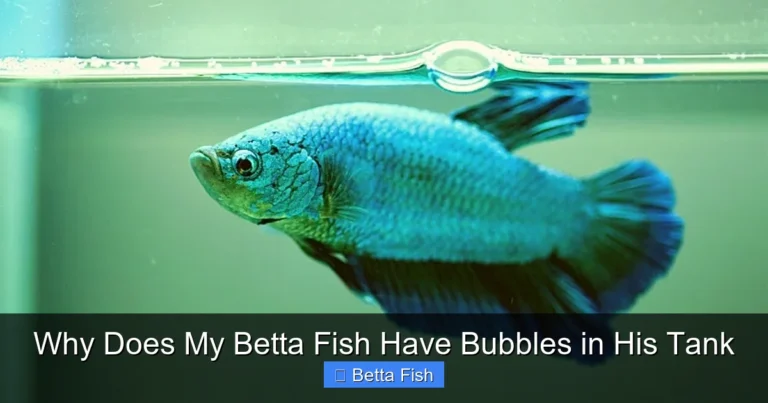
How to Care for a Baby Betta Fish from Petco
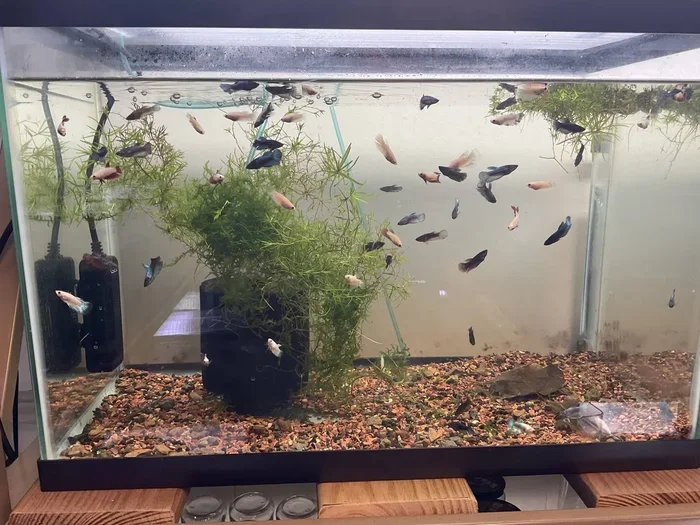
Bringing home a baby betta fish from Petco is exciting, but it requires proper knowledge to keep your tiny friend healthy. This guide covers everything you need to know about baby betta fish care, from tank setup and feeding to water quality and common health issues. Follow our expert tips to give your betta fry the best start in life.
Key Takeaways
- Start with the right tank: A baby betta fish needs a clean, heated tank of at least 5 gallons with proper filtration and water parameters.
- Feed small and often: Baby bettas require tiny food like crushed flakes, baby brine shrimp, or micro pellets offered multiple times daily.
- Maintain excellent water quality: Regular water changes and monitoring of ammonia, nitrite, and nitrate levels are critical for betta fry survival.
- Keep the temperature stable: An aquarium heater set to 78-80°F supports healthy betta fish growth and immune function.
- Watch for common illnesses: Ich, fin rot, and swim bladder disorder are frequent concerns that need quick action.
- Provide hiding spots: Plants and decorations help reduce stress and give your baby betta a safe habitat to explore.
- Be patient with growth: Baby betta fish go through rapid changes, and understanding their development stages helps you adjust care accordingly.
📑 Table of Contents
- How to Care for a Baby Betta Fish from Petco
- Setting Up the Perfect Tank for Your Baby Betta
- Water Quality and Conditions for Baby Bettas
- Feeding Your Baby Betta Fish
- Health and Common Issues in Baby Betta Fish
- Growth Stages and Development of Baby Betta Fish
- Tips from Experienced Betta Keepers
- Conclusion
How to Care for a Baby Betta Fish from Petco
So you just picked up a baby betta fish from Petco and you’re wondering what comes next. Congratulations! Betta fish are beautiful, interactive, and surprisingly full of personality. But here is the truth many new fish owners do not hear enough: baby bettas are delicate. They need specific conditions to survive and thrive.
Baby betta fish care is very different from caring for an adult betta. A tiny fry has different feeding needs, requires stricter water quality, and grows fast. This guide walks you through everything step by step. You will learn how to set up the perfect tank, what to feed your little friend, and how to spot trouble before it becomes serious. Let us dive in.
Setting Up the Perfect Tank for Your Baby Betta
Before you bring your baby betta home, the tank must be ready. This is one of the most important parts of betta fish care. A poorly prepared tank leads to stress, illness, and even death in young fish.
Choosing the Right Tank Size
Many people think a small bowl works for bettas. That is a myth. A baby betta fish tank should be at least 5 gallons. Larger tanks are even better because they offer more stable water conditions. Small containers like bowls or cups make it extremely hard to keep water quality consistent. Fluctuations in ammonia and temperature can harm your fry quickly.
If you plan to raise the betta from a very young age, consider a 10-gallon tank. It gives you room to add plants, decorations, and hiding places. Your baby betta will feel safer and grow more confidently in a spacious environment.
Heating and Filtration
Betta fish temperature matters a lot. These tropical fish need water between 78°F and 82°F. Use a reliable aquarium heater with a thermostat. Cold water weakens their immune system and slows growth dramatically.
Filtration is also important but choose gently. Baby bettas are weak swimmers. A strong filter current can exhaust them. Use a sponge filter or set the outflow of a hang-on-back filter so it does not push directly against your fish. The goal is clean water without stress.
Decorations and Hiding Spots
Add live or silk plants, caves, and floating logs. Avoid plastic decorations with sharp edges. Your baby betta fish needs places to hide, especially during the first few weeks. Plants also help by absorbing nitrates and producing oxygen. They make the tank look natural too, which is a nice bonus.
Water Quality and Conditions for Baby Bettas
Clean water is the backbone of how to care for a baby betta fish from Petco. Poor water kills more fish than anything else. Understanding your tank’s nitrogen cycle is essential.
The Nitrogen Cycle Explained Simply
Fish produce waste. That waste creates ammonia, which is toxic. Beneficial bacteria convert ammonia into nitrite, then nitrite into nitrate. Nitrate is less harmful but still dangerous in high amounts. This process is called the nitrogen cycle.
Before adding your baby betta, make sure your tank is fully cycled. A cycled tank has established bacteria that break down waste. Testing kits from pet stores help you check water parameters. You want ammonia at 0 ppm, nitrite at 0 ppm, and nitrate below 20 ppm.
Water Changes and Conditioning
Even in a healthy tank, regular maintenance is needed. Change about 25% of the water every week. Use a gravel vacuum to remove debris from the substrate. Always add water conditioner to remove chlorine and chloramine from tap water before refilling.
For baby bettas, some keepers do smaller, more frequent water changes. A 10-15% change every 3-4 days can work well. This keeps conditions very stable. Just be careful not to disturb your fish too much during the process. If you want detailed guidance on this, check out our guide on how to do a water change for betta fish for step-by-step tips.
Temperature Stability
Sudden temperature drops stress baby fish. Use a thermometer to monitor the tank daily. If the room gets cold at night, consider a tank cover or insulation. Stable warmth promotes strong betta fish growth and activity.
Feeding Your Baby Betta Fish
Feeding is where many new owners struggle. A baby betta has a tiny stomach and needs small food offered frequently. This section covers exactly what to feed and how often.
What to Feed
Here are the best food options for feeding baby betta fish:
- Baby brine shrimp: Live or frozen, this is the gold standard for fry. It is packed with protein and encourages active feeding.
- Crushed high-quality flakes: Grind adult betta flakes into a fine powder. Sprinkle a tiny amount on the water surface.
- Micro pellets: Some brands make pellets small enough for fry. Soak them briefly before feeding so they sink slowly.
- Daphnia: These tiny crustaceans make excellent live food and aid digestion.
- Bloodworm larvae: Offer sparingly as a treat. They are nutritious but high in fat.
Feeding Schedule
Feed your baby betta 3-4 times a day. Each serving should be extremely small. Think of it like a pinch of food. Overfeeding is a common mistake. Uneaten food rots quickly and tanks the water quality. Remove leftover food after 2-3 minutes if possible.
As your betta grows, you can reduce feedings to twice daily. Adult bettas do well with one or two meals per day. The transition should be gradual. Watch your fish’s belly. It should look slightly rounded after feeding, not bloated.
Quick Feeding Tips
- Feed at the same times each day to build routine.
- Turn off the filter briefly during feeding so food does not get swept away too fast.
- Vary the diet to provide balanced nutrition.
- Do not feed only freeze-dried food. It expands inside the stomach and can cause swim bladder problems.
Health and Common Issues in Baby Betta Fish
Even with great care, baby bettas can face health challenges. Early detection saves lives. Here are the most common problems and what to do.
Swim Bladder Disorder
This condition makes your betta float sideways or sink to the bottom. It happens when the swim bladder, an organ that controls buoyancy, does not work properly. Overfeeding is the most common cause. Treatment involves fasting your fish for 1-2 days, then offering a single pea (skinned and mashed) to help regulate digestion.
Ich (White Spot Disease)
Ich shows as tiny white spots on the body and fins. It is a parasite that thrives in stressed or weakened fish. Raise the tank temperature slowly to 82°F and add appropriate medication. Our detailed guide on how to treat ich on a betta fish covers this in depth with treatment timelines and medication recommendations.
Fin Rot
Fin rot looks like ragged or discolored fins. Bacteria usually cause it, and poor water conditions are the root trigger. Improve water quality immediately. Add a bacterial treatment to the tank. In mild cases, clean water alone often resolves the problem within a week or two.
General Health Tips
- Quarantine new fish before adding them to the main tank.
- Observe your betta daily for behavior changes like hiding, clamped fins, or rapid breathing.
- Keep water parameters stable. Stress is the number one trigger for betta fish illness.
- Avoid handling your fish. Always net gently if needed.
If your baby betta does get sick, our article on how to care for sick betta fish provides practical treatment steps for common diseases. It is a great resource to keep bookmarked.
Growth Stages and Development of Baby Betta Fish
Understanding your betta’s growth stages helps you adjust care as they change. Baby betta fish care evolves quickly during the first year.
Week 1 to Week 4: The Fry Stage
Newly hatched betta fry are incredibly tiny, often less than a quarter inch. They absorb their yolk sac for the first few days. Once the sac is gone, they need external food immediately. Offer freshly hatched brine shrimp or crushed micro food. Keep the water warm and clean. Stress levels should be low. At this stage, the fry are fragile and vulnerable.
Month 2 to Month 4: The Juvenile Stage
Your betta starts growing fins and color. The body elongates and appetite increases. You can introduce crushed flakes and micro pellets alongside brine shrimp. Tank size still matters. A 5-gallon tank works well. Begin observing fin shape and color patterns. This is when males and females start showing visible differences.
Month 5 to Month 12: The Sub-Adult Stage
Your betta is almost full-sized. Color becomes vibrant. Males start flaring and building bubble nests. Switch to adult food. Feed twice daily. Water changes can go back to a weekly schedule. Your betta fish lifespan can reach 3-5 years with proper care, so these early months set the foundation for long-term health.
Tips from Experienced Betta Keepers
Here are some expert insights that make a real difference in baby betta fish care.
- Be patient. Baby bettas grow fast but not overnight. Do not rush the process. Let nature take its course.
- Do not overclean. Some beneficial bacteria live on surfaces. Cleaning everything at once disrupts the nitrogen cycle. Clean gradually.
- Watch the light. A moderate light schedule of 8-10 hours daily keeps your betta active without stressing plants or encouraging algae.
- Talk to your local Petco staff. They can often tell you the age of the fish and any specific needs it may have. Ask questions before buying.
- Keep a log. Note feeding times, water changes, and any unusual behavior. Patterns become obvious with records. This helps you catch problems early.
For a more general deep-dive into betta care at every stage, our comprehensive guide on how to care for a betta fish 101 covers all the basics and beyond. It is a great companion article whether you are a beginner or looking to sharpen your skills.
Conclusion
Caring for a baby betta fish from Petco is a rewarding experience. It takes patience, consistency, and a willingness to learn. You now know how to set up the right tank, maintain clean water, feed properly, and spot health issues early. These skills build confidence over time. Your little betta deserves a great start, and you are now equipped to give it exactly that. Apply these tips every day, watch your fish thrive, and enjoy the journey. A healthy baby betta can bring years of joy to your home.
Frequently Asked Questions
How big should the tank be for a baby betta fish from Petco?
A baby betta needs at least a 5-gallon tank. A 10-gallon tank gives even more stable water conditions and room for plants. Avoid bowls or tiny containers because they make water quality very hard to maintain.
What should I feed my baby betta fish?
Feed small amounts of baby brine shrimp, crushed high-quality flakes, or micro pellets. Offer food 3-4 times a day in very small portions. Avoid overfeeding because leftover food ruins water quality quickly.
How do I keep the water safe for my baby betta?
Use a water conditioner every time you add tap water. Keep ammonia and nitrite at 0 ppm and nitrate below 20 ppm. Change 25% of the water weekly or do smaller changes more frequently. Stable temperature around 78-80°F is also critical.
How can I tell if my baby betta is sick?
Look for signs like white spots, clamped fins, loss of color, floating sideways, or hiding constantly. These symptoms often point to common issues like ich, fin rot, or swim bladder disorder. Act quickly by checking water conditions and applying treatment.
Do baby betta fish need a heater?
Yes. Baby bettas are tropical fish and need warm water between 78°F and 82°F. An aquarium heater with a thermostat keeps the temperature stable. Cold water weakens their immune system and slows their growth significantly.
How long does it take for a baby betta to grow full size?
A baby betta reaches full adult size in about 6-12 months. Color and fin development continue to improve during the first year. With proper care, a healthy betta can live 3-5 years or even longer.