How to Buy and Breed Betta Fish Without Them Fighting
Learning how to buy and breed betta fish without them fighting is essential for any aquarist. This guide covers everything from choosing the right betta fish to setting up a peaceful breeding tank. Follow our proven strategies to keep your bettas calm, healthy, and aggression-free.
Key Takeaways
- Know the difference: Male bettas are highly territorial, while females can sometimes live together in groups.
- Buy wisely: Always purchase betta fish from reputable sources and check for signs of aggression early.
- Tank setup matters: A properly sized tank with hiding spots drastically reduces fighting.
- Breeding requires planning: Introduce male and female bettas carefully using a divider or separate tank method.
- Watch for warning signs: Flaring, chasing, and nipping are early indicators of betta fish aggression.
- Never skip conditioning: Feeding high-quality food before breeding improves health and reduces stress.
📑 Table of Contents
Understanding Betta Fish Aggression
Before you bring any betta fish home, you need to understand why they fight. Betta fish aggression is deeply rooted in their nature. These fish, also known as Siamese fighting fish, were bred for combat in Southeast Asia. That history still lives on in their behavior today.
Male bettas are especially territorial. They see other male bettas as rivals. Even their own reflection can trigger a fight response. Females tend to be less aggressive, but they are not completely peaceful either. Understanding this behavior is the first step toward breeding betta fish without fighting.
Why Do Betta Fish Fight?
Betta fish fight for several reasons. The most common one is territorial behavior. They want to claim a space as their own. When another fish enters that space, they attack.
Here are the main reasons bettas fight:
- Territoriality: Each betta wants its own space. Crowding leads to conflict.
- Color and fin displays: Bright colors and flowing fins can trigger aggression in rival males.
- Mating competition: Males compete for the right to breed.
- Stress and poor conditions: Dirty water or small tanks make bettas irritable.
- Boredom: A bare tank with nothing to do makes bettas restless and aggressive.
Male vs Female Betta Behavior
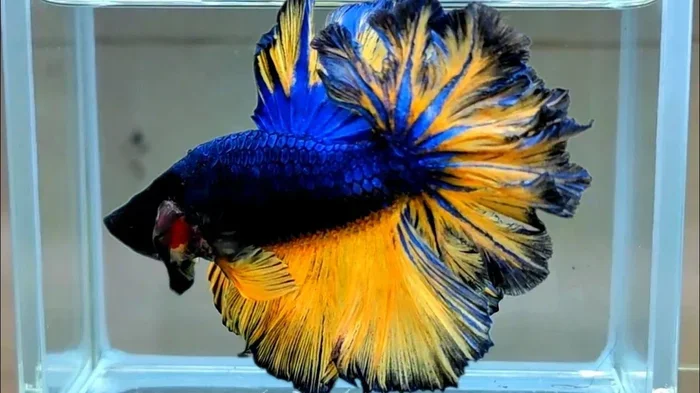
Knowing the difference between male and female betta behavior is critical. How To Find Male And Female Betta Fish is an important skill for any breeder. Males have long, flowing fins and bright colors. They are the ones most likely to fight to the death.
Females have shorter fins and a duller color. They can sometimes live together in a group called a sorority. But even females can show aggression, especially during breeding. Learning how to differentiate male and female betta fish helps you plan your breeding setup better.
How to Buy Betta Fish Without Them Fighting
Buying betta fish the wrong way can lead to disaster. You need to be smart about your choices. The goal is to bring home healthy fish that are less likely to show betta fish fighting behavior.
Choosing the Right Betta Fish
Start by choosing healthy fish. Look for bright colors, clear eyes, and active swimming. Avoid fish that look lethargic or have torn fins. A sick fish is more likely to be aggressive because it feels threatened.
Here are some tips for buying the right bettas:
- Buy from a reputable breeder or pet store.
- If possible, observe the fish before purchasing.
- Choose bettas that are not flaring at other fish constantly.
- Buy fish of the same size to reduce size-based bullying.
- Consider betta fish colors and varieties, but always prioritize health over looks.
Signs of Aggression to Watch For
Some fish show aggression even before you buy them. Watch for these warning signs:
- Constant flaring at reflections or other fish
- Chasing tank mates relentlessly
- Nipping or biting at fins
- Hiding excessively (this can mean stress)
- Puffing up the body and spreading fins wide
If a betta shows most of these signs, it may not be the best candidate for a community or breeding setup. For more on managing aggression, check out How To Treat A Stressed Betta Fish for helpful strategies.
Setting Up the Perfect Tank for Breeding
Your tank setup plays a huge role in preventing fighting. A poorly planned tank is a recipe for disaster. The right betta tank setup creates a comfortable environment that reduces stress and aggression.
Tank Size and Setup
A tank that is too small is the number one cause of betta aggression. A minimum of 10 gallons is recommended for breeding. This gives both fish enough space to establish their own areas.
Key setup elements include:
- Hiding spots: Plants, caves, and decorations break lines of sight.
- Open swimming areas: Bettas need room to move freely.
- Substrate: A dark substrate can help bettas feel secure.
- Lighting: Soft lighting reduces stress. Avoid harsh, bright lights.
- Water flow: Bettas prefer calm water. A gentle filter is enough.
Water Conditions and Temperature
Bettas are tropical fish. They need warm water to stay healthy. Keep the water temperature between 78°F and 82°F (25°C-28°C). Cold water weakens their immune system and makes them more prone to aggression.
Maintain a pH between 6.5 and 7.5. Soft to medium hardness is ideal. Regular water changes of 25% per week keep the water clean and safe. For more on water management, read about How To Change Betta Fish Water Without Filter.
How to Breed Betta Fish Without Fighting
This is where things get exciting. Breeding betta fish can be rewarding, but it requires careful planning. The way you introduce fish determines whether they breed peacefully or fight brutally.
Preparing the Breeding Tank
Set up a separate breeding tank before you start. This tank should be dedicated only to the breeding pair. Keep it at about 10-15 gallons. Add fine-leaved plants like java moss. These plants give the male a place to build a bubble nest.
Here is a checklist before introducing your fish:
- Tank is cycled and water parameters are stable
- Temperature is set to 78°F-80°F
- Live or silk plants are in place
- A divider is available if needed
- Both fish are well-conditioned and healthy
The Breeding Process Step by Step
Breeding bettas involves several stages. Patience is key at every step.
Step 1: Condition the pair. Feed both fish high-quality food for 1-2 weeks before breeding. Live or frozen foods like bloodworms and brine shrimp work best. Good nutrition boosts fertility and reduces aggression.
Step 2: Introduce the female. Place the female in a separate container or behind a divider inside the breeding tank. Let the male see her but not touch her. This lets them get used to each other. The male may build a bubble nest during this time. You can learn more about bubble nests at Can Betta Fish Breed Without Bubble Nest.
Step 3: Release the female. Once the male builds a good bubble nest and both fish seem calm, remove the divider. Let the female enter the male’s space. The male may chase her. This is normal. But if the chasing is relentless and the female has nowhere to hide, separate them immediately.
Step 4: Let them spawn. The male will wrap around the female and release eggs. The female will release her eggs at the same time. The male collects the eggs in his mouth and places them in the bubble nest. This process can take several hours.
Step 5: Remove the female. After spawning, the male can become very aggressive. Remove the female to a safe tank. The male will now guard the eggs and fry. He needs plenty of space and calm conditions.
For a simpler approach, you can also explore How To Breed Betta Fish Easy for beginner-friendly methods.
Using Dividers and Separate Tanks
Dividers are one of the best tools for preventing fighting. A clear acrylic divider lets fish see each other without physical contact. This reduces aggression significantly. You can also use a separate tank method where the female lives in a connected tank. Water flows between them, sharing scent but keeping fish apart.
Common Mistakes That Cause Betta Fish Fighting
Even experienced hobbyists make mistakes. Here are the most common errors that lead to betta fish aggression:
- Keeping two males together: This almost always results in fighting. Never put two male bettas in the same tank.
- Using a tank that is too small: Small tanks make territory disputes worse.
- Skipping the conditioning phase: Unhealthy fish are more aggressive.
- Rushing the introduction: Giving fish no time to adjust leads to fights.
- Ignoring water quality: Poor water conditions cause stress and aggression.
- Overcrowding: Too many fish in a small space creates constant conflict.
Tips for Keeping Peace Among Betta Fish
Prevention is always better than cure. Here are some tried-and-true tips for maintaining a peaceful betta environment.
Quick Tips
- Always quarantine new fish for at least 2 weeks before introducing them.
- Use dark backgrounds in the tank. This makes bettas feel safer.
- Feed enough food so fish do not compete at the surface.
- Add floating plants to break up the water surface and reduce visual triggers.
- Monitor behavior daily. Early intervention prevents serious fights.
- Keep only one male betta per tank unless using a divider.
Expert Insights
Professional breeders recommend a few extra precautions. First, always have a backup tank ready. If a fight breaks out, you need to act fast. Second, never breed bettas in a community tank. The breeding pair needs full attention and space. Third, watch the female closely during breeding. If she is being hurt, separate them right away. The betta fish lifespan can be shortened by repeated stress and fighting, so prevention is crucial.
Conclusion
Learning how to buy and breed betta fish without them fighting takes patience, knowledge, and preparation. Start by choosing healthy fish from good sources. Set up a proper tank with enough space and hiding spots. Use dividers during introductions. Condition your fish well before breeding. And always watch for signs of aggression.
Every betta fish is unique. Some are more peaceful, while others are more territorial. Respect their nature, and you will have a much better experience. Apply these tips today, and enjoy the rewarding world of betta fish breeding without the stress of fighting.
Frequently Asked Questions
Can two male betta fish ever live together peacefully?
In rare cases, two male bettas can coexist if the tank is very large (20+ gallons) and has plenty of hiding spots and visual barriers. However, this is risky and not recommended for most hobbyists. Using a divider is the safest option if you want to keep two males nearby.
How do I know if my betta fish is stressed or aggressive?
Stressed bettas often hide, clamped fins, and stop eating. Aggressive bettas flare their fins, chase other fish, and nip at tank mates. Both behaviors can be caused by poor water conditions, small tanks, or the presence of rival fish. Regular water changes and proper tank setup help reduce both stress and aggression.
What is the best way to introduce a female betta to a male for breeding?
The best method is to place the female behind a clear divider inside the male’s breeding tank for 1-3 days. This lets them see each other and get accustomed without physical contact. Once the male builds a bubble nest and both fish appear calm, remove the divider and allow the female to enter.
Can betta fish breed without a bubble nest?
Yes, betta fish can sometimes breed without a traditional bubble nest. Some males are lazy nest builders, while others may skip the nest entirely. However, a bubble nest provides a safe place for eggs and fry. For more details, you can read our guide on Can Betta Fish Breed Without Bubble Nest.
How long should I wait between breeding attempts?
Wait at least 4-6 weeks between breeding attempts. This gives both the male and female time to recover physically and mentally. Overbreeding weakens fish and increases aggression. Proper conditioning with high-quality food during the rest period prepares them for the next successful spawn.
What should I feed my betta fish before breeding to reduce aggression?
Feed high-protein foods like live or frozen bloodworms, brine shrimp, and daphnia for 1-2 weeks before breeding. These foods boost energy, improve fertility, and reduce stress. Avoid overfeeding, though. Two to three small meals per day is ideal. A well-fed betta is a calmer, less aggressive betta.