How to Breeding Betta Fish in Hindi
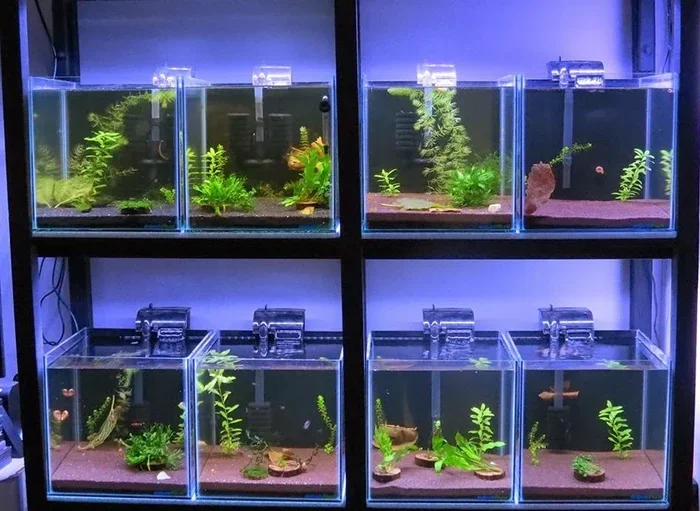
Learning how to breeding betta fish in Hindi is easier than you think. This guide walks you through every step, from choosing the right pair to raising healthy fry. Whether you are a beginner or a hobbyist, you will find practical tips to succeed. We cover tank setup, water conditions, diet, and common mistakes to avoid. By the end, you will feel confident to start your own betta breeding journey.
Betta fish are some of the most beautiful and fascinating pets you can keep. Their vibrant colors and flowing fins make them a favorite among fish lovers. If you have ever wanted to breed betta fish and prefer guidance in Hindi, you are in the right place. This guide will help you understand the full process of how to breeding betta fish in Hindi with simple, easy-to-follow steps.
Breeding betta fish is not just about putting a male and female together. It requires patience, the right setup, and a good understanding of their behavior. Many beginners try and fail because they skip the basics. But with the right knowledge, anyone can raise healthy betta fry at home. In this article, we will cover everything you need to know, from selecting your fish to caring for the babies.
The process of how to breeding betta fish in Hindi involves several key stages. Each stage matters just as much as the others. You need to prepare the tank, condition the fish, observe their behavior, and then take care of the eggs and fry. We will break each of these down so you can follow along with ease. Let us get started.
Key Takeaways
- Choose the Right Pair: A healthy male and female betta are the foundation of successful breeding.
- Perfect the Tank Setup: A separate breeding tank with warm water and gentle filtration makes all the difference.
- Condition the Fish Properly: Feeding a rich diet before breeding prepares both fish for reproduction.
- Watch for Nesting Behavior: The male builds a bubble nest, which signals readiness to breed.
- Care for the Fry: Proper feeding and clean water help betta fry grow strong and healthy.
- Avoid Common Mistakes: Overcrowding, wrong water temperature, and stress can ruin breeding attempts.
- Monitor Water Quality: Regular water changes and testing keep your breeding tank safe.
📑 Table of Contents
- Understanding Betta Fish Breeding Basics
- Setting Up the Breeding Tank
- How to Select the Right Breeding Pair
- Conditioning the Fish for Breeding
- The Breeding Process Step by Step
- Caring for Betta Fry
- Common Mistakes to Avoid When Breeding Betta Fish
- Tips from Experienced Betta Breeders
- Final Thoughts on Breeding Betta Fish
Understanding Betta Fish Breeding Basics
Before you start, it helps to understand the basics of betta fish breeding. Bettas are also known as Siamese fighting fish. They are native to the warm waters of Southeast Asia. In the wild, they breed in shallow rice paddies and slow-moving streams. Replicating these conditions at home is the key to success.
Betta fish reach breeding age at around four to six months. Males are usually more colorful and have longer fins. Females tend to be smaller and less vibrant. Both fish need to be healthy and active before you attempt breeding. A weak or stressed fish will not breed successfully.
Why Breed Betta Fish?
There are many reasons people want to breed betta fish. Some enjoy watching the fascinating courtship behavior. Others want to raise rare color varieties. Breeding can also be a rewarding hobby that teaches you about fish biology. Whatever your reason, understanding the process is the first step.
What You Need Before You Start
You will need a few things before you begin the breeding process. A separate breeding tank is essential. This should be at least 10 gallons. You will also need a heater to maintain warm water. A sponge filter is gentle enough not to harm the eggs. You will also need live or frozen food for conditioning the fish.
Setting Up the Breeding Tank
The breeding tank is the most important part of the entire process. A proper setup reduces stress and increases the chances of success. You should set up the tank at least two weeks before you plan to introduce the fish.
Tank Size and Shape
A 10-gallon tank works well for breeding bettas. The tank should be wider than it is tall. This gives the male space to build a bubble nest. Bubble nests are clusters of air bubbles the male creates at the surface. They are a sign that the male is ready to breed.
Water Temperature and Conditions
Water temperature is critical for betta breeding. The ideal range is between 78 and 82 degrees Fahrenheit. Use a reliable heater to maintain this temperature. The water should be slightly soft and slightly acidic. A pH level between 6.5 and 7.0 is perfect. You should also keep the water clean with regular changes.
Adding Plants and Hiding Spots
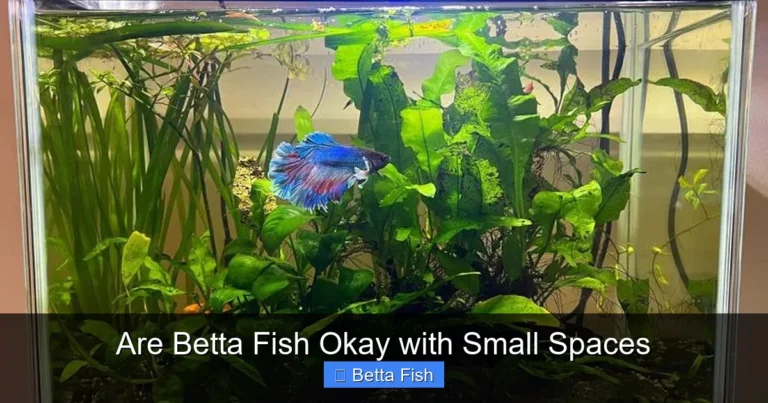
Live plants are very helpful in a breeding tank. They give the female a place to hide if the male becomes aggressive. Java moss and floating plants work especially well. The female needs a safe space to retreat during the courtship process. Adding a few gentle plants makes the environment feel more natural.
How to Select the Right Breeding Pair
Choosing the right pair is one of the most important steps in how to breeding betta fish in Hindi. Not every male and female will breed successfully. You need to pick healthy, mature fish with good coloring and strong fins.
Identifying a Healthy Male
A healthy male betta should have bright, vivid colors. His fins should be long and flowing without any tears. He should be active and responsive. Look for a male who builds bubble nests regularly. This is a strong indicator of breeding readiness.
Identifying a Healthy Female
A healthy female should also be active and colorful. Look for a white spot on her underside called the ovipositor. This is where she releases her eggs. Her belly should look slightly rounded. Avoid females that look pale or lethargic.
Introducing the Pair
You should introduce the male and female slowly. Place them in the breeding tank and watch their behavior closely. Some chasing is normal. But if the male becomes too aggressive, you may need to separate them temporarily. A clear container or divider can help during this phase.
Conditioning the Fish for Breeding
Conditioning is the process of feeding the fish a rich diet before breeding. This prepares their bodies for reproduction. Proper conditioning can significantly improve your success rate. Many experienced breeders recommend conditioning for one to two weeks before introducing the pair.
Best Foods for Conditioning
Live or frozen foods work best for conditioning. Bloodworms, brine shrimp, and daphnia are excellent choices. Feed the fish two to three times a day in small amounts. The goal is to make them healthy and energetic without overfeeding. You can also use high-quality pellets as a supplement.
If you want more detailed guidance on preparing your fish for breeding, you can check out this guide on how to condition betta fish for breeding. It covers the best foods and feeding schedules in detail.
Signs That Fish Are Ready
You will notice several signs that your fish are ready to breed. The male will start building a bubble nest at the surface. The female will develop a more pronounced ovipositor. Both fish should be active and eating well. When you see these signs, you can move on to the next step.
The Breeding Process Step by Step
The actual breeding process is fascinating to watch. It usually happens in the early morning hours. Understanding what to expect will help you stay calm and make the right decisions.
Courtship Behavior
The male will start flaring his fins and wrapping his body around the female. This is called courtship. The female will respond by releasing eggs. The male will collect the eggs in his mouth and place them in the bubble nest. This process can take several hours.
After the Eggs Are Laid
Once the eggs are in the nest, remove the female from the tank. The male will guard the nest and care for the eggs alone. He may become aggressive if the female stays in the tank. A separate container is a good place to keep the female safe.
Caring for the Eggs
The male will continue to care for the eggs for the next 24 to 48 hours. He will pick up any eggs that fall from the nest and place them back. Do not disturb the tank during this time. Keep the lights dim and the environment calm. The eggs will hatch into tiny fry.
For a more detailed look at breeding setups, you can also read about how to breed betta fish in aquarium for additional tips on creating the perfect environment.
Caring for Betta Fry
Raising betta fry is a rewarding but challenging part of the process. The fry are extremely tiny and delicate. They need special care to survive the first few weeks of life.
Feeding the Fry
Newly hatched brine shrimp is the best food for betta fry. You can also feed them infusoria or liquid fry food. Feed them several times a day in very small amounts. Clean water is just as important as good food. Any uneaten food should be removed quickly.
Water Maintenance for Fry
You should do small water changes every day. Use a turkey baster to remove debris from the bottom. The water temperature should stay consistent at around 80 degrees Fahrenheit. Avoid sudden changes in water conditions, as they can be fatal to young fry.
When to Move the Fry
After about two to three weeks, the fry will start to swim more actively. At this point, you can begin moving them to a slightly larger container. By the time they are two months old, they can be moved to individual cups or small tanks. Each fry should have its own space to prevent fighting.
Common Mistakes to Avoid When Breeding Betta Fish
Even experienced breeders make mistakes. Knowing what to avoid can save you time and frustration. Here are some common errors to watch out for.
- Skipping the conditioning phase: Unconditioned fish may not breed or may produce weak fry.
- Using the wrong tank size: A tank that is too small creates stress and aggression.
- Keeping the water too cold: Cold water slows down the breeding process and can harm the eggs.
- Disturbing the nest: Never touch or shake the bubble nest during the early stages.
- Overfeeding the fry: Too much food can pollute the water and harm the young fish.
- Ignoring water quality: Dirty water leads to disease and can kill both eggs and fry.
Tips from Experienced Betta Breeders
Experienced breeders have learned a lot over the years. Here are some tips that can help you succeed.
Always quarantine your breeding pair before introducing them to the tank. This prevents the spread of diseases. Use a mirror briefly to stimulate the male’s nesting behavior. This trick can encourage him to build a stronger bubble nest. Keep a log of your breeding attempts. Note the water parameters, the date, and the results. Over time, this log will help you refine your approach.
Patience is the most important trait a breeder can have. Not every attempt will be successful. Sometimes the female will not release eggs. Sometimes the male will eat the eggs. This is normal and part of the learning process. Each attempt teaches you something new. With time, your success rate will improve.
If you are interested in learning more about betta fish behavior and care in different conditions, you might find this article on how to breeding betta fish in Tamil helpful as well. It covers similar principles with regional-specific tips.
Final Thoughts on Breeding Betta Fish
Breeding betta fish is a journey that requires patience, knowledge, and dedication. The process of how to breeding betta fish in Hindi becomes much easier when you follow the right steps. From setting up the perfect tank to caring for the fry, every detail matters. Remember to start with healthy fish, maintain clean water, and feed a nutritious diet.
Do not get discouraged if your first attempt is not perfect. Every breeder learns through experience. The more you practice, the better you will become. Enjoy the process and celebrate each small success along the way. Your hard work will pay off when you see healthy, vibrant fry swimming in your tank.
With the right approach and a little patience, you can master the art of betta fish breeding. Start today, follow these guidelines, and watch your hobby grow into something truly rewarding.
Frequently Asked Questions
Can I breed betta fish in a small bowl?
It is not recommended. A small bowl does not provide enough space for the male to build a bubble nest or for the female to retreat. A 10-gallon tank is the minimum size for successful breeding.
How long does the betta breeding process take?
The entire process from courtship to free-swimming fry takes about two to four weeks. The eggs hatch in 24 to 48 hours, and the fry become free-swimming after about three days.
What temperature is best for breeding betta fish?
The ideal temperature is between 78 and 82 degrees Fahrenheit. Consistent warmth helps the male build a strong bubble nest and keeps the eggs healthy during development.
Why is my male betta eating the eggs?
This is a common behavior, especially in inexperienced males. Stress, poor water quality, or a weak female can trigger this. Removing the female after egg release and keeping the tank calm can reduce this risk.
How often can I breed betta fish?
It is best to wait at least three to four months between breeding cycles. This gives both the male and female time to recover and regain their strength for the next attempt.
Do I need a separate tank for breeding betta fish?
Yes, a separate breeding tank is essential. It gives you control over water conditions and prevents the breeding pair from stressing other fish in your main tank.
=== CONCLUSION ===
Breeding betta fish is one of the most exciting challenges in the fishkeeping hobby. The journey of how to breeding betta fish in Hindi becomes much more manageable when you follow a clear, step-by-step approach. You now know how to set up the tank, choose the right pair, condition the fish, and care for the fry. Each of these steps plays a vital role in your success.
Remember to be patient and enjoy the process. Not every breeding attempt will go perfectly, but that is part of the experience. Keep learning, keep experimenting, and most importantly, have fun. With the right knowledge and a little dedication, you will be raising healthy betta fry in no time. Start your breeding journey today and see the amazing results for yourself!