How to Betta Fish Get Pregnant
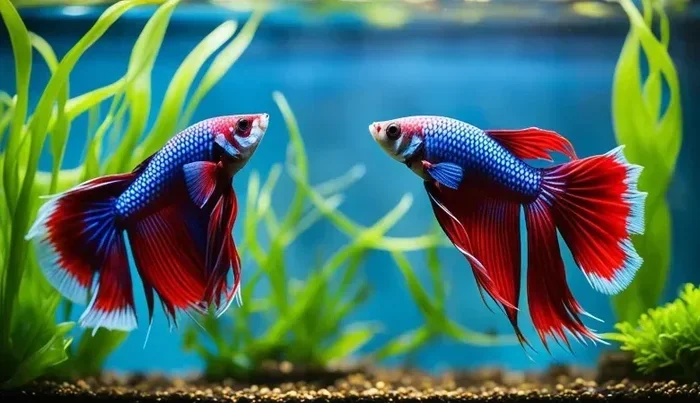
Betta fish don’t get pregnant like mammals. Instead, female bettas release eggs that the male fertilizes externally. Understanding this unique process is key to successful betta fish breeding and keeping your fish healthy.
Have you ever wondered how betta fish get pregnant? It’s a question many new fish owners ask, and the answer might surprise you. Betta fish don’t actually get pregnant in the way mammals do. Instead, female bettas release eggs, and the male fertilizes them outside the body. This process is called external fertilization, and it’s one of the most fascinating parts of betta fish reproduction.
If you’re thinking about breeding bettas or just curious about how they multiply, this guide has you covered. We’ll walk you through everything from recognizing a pregnant female betta to setting up the perfect breeding tank. You’ll learn about betta fish mating, bubble nests, egg care, and how to raise healthy fry. Let’s dive in.
Key Takeaways
- Betta fish don’t get pregnant: Female bettas lay eggs rather than carrying live young, which is a common misconception.
- Male bettas build bubble nests: This is a crucial part of the betta fish mating process and signals readiness to breed.
- Proper tank setup matters: A breeding tank with the right water conditions and temperature increases success rates.
- Know the signs of a ready female: White eggs, a white dot on the belly, and a thicker body are clear indicators.
- Separate the pair after breeding: The male may become aggressive toward the female once eggs are released.
- Egg hatching takes about 24-48 hours: Proper water conditions and care ensure healthy fry survival.
📑 Table of Contents
Do Betta Fish Get Pregnant?
Here’s the first thing you need to know: betta fish don’t get pregnant. Unlike dogs, cats, or humans, bettas don’t carry live young inside their bodies. A female betta fish carries eggs inside her ovipositor, which is a small tube near her belly. When the time is right, she releases those eggs into the water, and the male fertilizes them. This is why many people ask, “Can female betta fish get pregnant?” The short answer is no — they carry eggs, not developing babies.
Understanding this difference is important for anyone interested in betta fish breeding. It changes how you care for your fish during the process. You need to focus on creating the right environment for egg laying and fertilization, not on caring for a pregnant fish.
The Role of the Male Betta Fish
The male betta plays a huge role in reproduction. Before breeding, the male builds something called a bubble nest. This is a cluster of tiny bubbles floating on the water’s surface. The bubble nest serves as a safe place for the eggs after they’re released. A male betta who is ready to breed will spend hours blowing bubbles and attaching them together.
If you don’t see a bubble nest, your male might not be ready. Water temperature and tank conditions play a big role here. Warmer water, around 78-80°F, encourages bubble nest building. You can learn more about warming a betta fish bowl to create the ideal breeding environment.
Signs Your Female Betta Is Ready to Breed
Spotting the signs of a ready female betta is exciting. It means your fish are prepared for betta fish mating. Here are the most common indicators:
- White dots on the belly: These are the eggs inside the female’s ovipositor. They look like tiny white specks near the anal area.
- Thicker, rounder body: A female carrying eggs will look noticeably plumper than usual.
- White vertical stripes: These bars appear on the body and signal that the female is ready to release eggs.
- A small white tube: This is the ovipositor, and it becomes more visible when the female is full of eggs.
- Increased activity: Some females become more active or swim differently when they’re carrying eggs.
Not all females show every sign. Some are subtle, while others are obvious. If you’re unsure, compare your fish to images of pregnant female bettas online. The age of your fish also matters. A female betta needs to be mature enough to breed, which is typically around 4-6 months old. You can learn more about determining age in our guide on how to tell the age of a female betta fish.
How Betta Fish Mating Works
The betta fish mating process is fascinating to watch. Here’s a step-by-step breakdown of what happens:
- The male builds a bubble nest. This usually happens a day or two before breeding. The nest floats on the surface and can range from small to quite large.
- The male and female are introduced. They are placed in the same tank, often separated by a clear divider at first. This lets them see each other and get used to the presence without direct contact.
- The female releases eggs. When she’s ready, the female will flare her fins and show a spawning posture. She releases eggs from her ovipositor.
- The male fertilizes the eggs. As the female releases eggs, the male wraps his body around hers and releases milt (sperm) to fertilize them.
- The male collects the eggs. After fertilization, the male carefully picks up the eggs in his mouth and places them in the bubble nest.
- The female is removed. Once all eggs are released and fertilized, the female should be moved to a separate tank. The male can become aggressive after breeding.
The entire mating process can take several hours. Patience is key. Don’t disturb the fish during this time, as stress can cause them to eat their own eggs.
Setting Up the Breeding Tank
A proper breeding tank setup makes a big difference. Here’s what you need:
- A tank of at least 10 gallons with a sponge filter for gentle water flow.
- Water temperature kept at 78-80°F to encourage breeding behavior.
- Live or silk plants where the female can hide if the male becomes aggressive.
- A shallow water level, about 5-6 inches deep, so the bubble nest stays close to the surface.
- Soft lighting to reduce stress on both fish.
You can find detailed guidance on setting up a fish tank for betta fish to ensure your breeding environment is perfect.
What Happens After the Eggs Are Laid
Once the female has released her eggs and the male has fertilized them, the real work begins. The male betta is the primary caregiver during this stage. He will guard the bubble nest and make sure the eggs stay safe. Here’s what to expect:
Egg hatching: Betta fish eggs typically hatch within 24 to 48 hours. The eggs are tiny and translucent at first. As they develop, you may see small dark spots inside them — these are the developing fry.
Fry care: Once the eggs hatch, the male will continue to guard the fry for a few days. The baby fish will stay attached to the bubble nest, absorbing their yolk sacs for nutrition. After the yolk sacs are absorbed, the fry need infusoria or very fine fry food.
Removing the male: After 2-3 days, the male should be removed from the breeding tank. He may start eating the fry if he gets hungry. This is normal betta behavior and not a sign of a bad parent.
During this time, water quality is critical. Do small water changes of 10-15% every day to keep the water clean. Use a turkey baster to gently remove any unfertilized eggs, as they can rot and foul the water. You can also learn about caring for a veiltail betta fish, which shares similar water care principles for raising young fish.
Common Problems During Breeding
Breeding bettas doesn’t always go smoothly. Here are some common issues and how to handle them:
- The male won’t build a bubble nest: This often means the water temperature is too low or the male isn’t mature enough. Try raising the temperature slightly and wait a few days.
- The female won’t release eggs: She may not be ready or may not be interested in the male. Give them more time to get comfortable with each other.
- The male eats the eggs: This happens sometimes, especially with first-time breeders. It’s normal and not something you can always prevent.
- The female is injured: The male can be rough during spawning. Watch for torn fins or injuries and separate the fish if needed.
If problems arise, don’t panic. Each breeding attempt is a learning experience. Even experienced breeders don’t get it right every time.
How to Care for a Female Betta After Breeding
After the female has released her eggs, her body needs time to recover. Here’s how to care for her:
- Move her to a separate tank: This gives her a chance to rest without stress from the male.
- Feed her well: Offer high-quality food like frozen bloodworms or brine shrimp to help her recover energy.
- Monitor her health: Watch for signs of stress or illness, such as clamped fins, loss of color, or not eating.
- Give her time: A female betta needs at least 2-4 weeks before she can breed again. Overbreeding can harm her health.
Proper betta fish care after breeding is just as important as the breeding process itself. A healthy female will produce better eggs in future spawnings. If you want to keep your bettas in top shape, check out our guide on how to properly take care of betta fish for general care tips that apply year-round.
Common Mistakes to Avoid When Breeding Bettas
Breeding betta fish can be rewarding, but there are mistakes that even experienced keepers make. Here’s what to watch out for:
- Breeding too young: Both the male and female should be at least 4-6 months old. Breeding too early can cause health problems and poor-quality eggs.
- Skipping the quarantine: Always quarantine both fish before introducing them to the breeding tank. This prevents the spread of diseases and parasites.
- Wrong water parameters: Dirty water or incorrect temperature can cause the fish to reject the breeding process. Keep the water clean and at the right temperature.
- Leaving the female in too long: If the female doesn’t leave the breeding tank after spawning, the male may hurt her. Remove her as soon as all eggs are released.
- Overfeeding during breeding: Too much food can foul the water quickly. Feed small amounts and remove any uneaten food.
Avoiding these mistakes will increase your chances of a successful breeding experience. It also keeps your fish safe and healthy throughout the process.
Expert Tips for Successful Betta Breeding
Want to improve your breeding success rate? Here are some expert-level tips:
- Condition the pair before breeding: Feed both the male and female high-protein foods for 1-2 weeks before introducing them. This prepares their bodies for spawning.
- Use a breeding trap sparingly: Some breeders use breeding traps, but they can stress the fish. A dedicated breeding tank is usually better.
- Watch the water parameters: Keep pH between 6.5 and 7.0, and ammonia at 0 ppm. Clean water is essential for healthy eggs and fry.
- Be patient: Not every introduction will lead to breeding. It can take several attempts before the pair is ready.
- Learn from each attempt: Even failed breeding tries teach you something about your fish’s behavior and needs.
If you’re new to breeding, start by learning the basics of betta fish health and tank maintenance first. A strong foundation in general care will make breeding much easier and safer for your fish.
Conclusion
So, how do betta fish get pregnant? The truth is, they don’t — at least not in the traditional sense. Female bettas carry eggs and release them for the male to fertilize. This unique process is what makes betta fish breeding so interesting and rewarding to observe. From bubble nests to fry care, every stage of the process requires attention and patience.
Whether you’re a beginner or an experienced aquarist, understanding betta fish reproduction helps you provide better care for your fish. Remember to set up the right environment, watch for the signs of readiness, and always prioritize the health of both the male and female. With the right knowledge and a little patience, you can successfully breed bettas and enjoy watching the next generation grow.
Take what you’ve learned here and start applying it to your own aquarium. Your betta fish will thank you with healthy, vibrant behavior — whether you’re breeding or just keeping them as pets.
Frequently Asked Questions
Can betta fish get pregnant by other fish?
No, betta fish cannot get pregnant by other fish species. Female bettas only release eggs that can be fertilized by a male betta. Betta fish mating only occurs between male and female bettas of the same species. Crossbreeding with other fish is not possible.
How long are betta fish pregnant for?
Betta fish aren’t technically pregnant. A female carries eggs inside her for about 1-2 weeks before she’s ready to release them. Once the male fertilizes the eggs, the entire spawning process is over within a few hours. The eggs then hatch in 24-48 hours.
How many eggs does a female betta fish lay?
A female betta can lay anywhere from 10 to 50 eggs per spawning, sometimes even more. The number depends on her age, health, and size. Experienced, healthy females tend to produce more eggs in each spawn.
Do betta fish eat their own eggs?
Yes, it’s common for bettas to eat their own eggs or fry. Males may eat unfertilized eggs to keep the tank clean. In some cases, males may also eat fry if they’re very hungry. This is natural behavior and not a sign that anything is wrong with your fish.
What should I feed betta fish fry?
Newly hatched betta fry need very small food. Start with infusoria or liquid fry food for the first few days. After a week, you can introduce baby brine shrimp or finely crushed betta flakes. Feed small amounts several times a day to keep the fry growing steadily.
Is breeding betta fish hard for beginners?
Breeding bettas can be challenging for beginners, but it’s not impossible. The key is to have a proper setup, healthy fish, and patience. Start by mastering basic betta fish care before attempting to breed. You can also read our article on how to properly care for betta fish to build a strong foundation.