How to Acclimate Betta Fish to New Water
Acclimating betta fish to new water is one of the most important steps in betta fish care. Whether you are setting up a new tank or doing a water change, proper acclimation prevents stress, shock, and illness. This guide walks you through every method, from the floating bag technique to drip acclimation, so your betta adjusts smoothly to fresh tank water.
Key Takeaways
- Always acclimate gradually: Sudden changes in water temperature or chemistry can shock your betta.
- Use the floating bag method for simple setups: It is the easiest and most common approach for beginners.
- Try drip acclimation for sensitive fish: This method gives you precise control over water parameter changes.
- Test your water first: Check pH, ammonia, and temperature before introducing your betta to new water.
- Add water conditioner every time: Dechlorinating tap water protects your betta from harmful chemicals.
- Watch for stress signs: Clamped fins, rapid breathing, and hiding indicate your betta needs help adjusting.
📑 Table of Contents
Why Acclimating Betta Fish to New Water Matters
If you have ever brought home a new betta fish or changed the water in your tank, you know how exciting it can be. But here is the thing many beginners miss. Acclimate betta fish to new water slowly, or you risk serious health problems.
Betta fish are sensitive creatures. They live in small bodies of water in the wild, like rice paddies and slow-moving streams. Because of this, they are used to stable conditions. When you suddenly change their environment, even slightly, it can cause a lot of stress. This stress weakens their immune system and makes them vulnerable to disease.
Think of it this way. Imagine you are sitting comfortably in your living room, and someone suddenly dumps a bucket of ice water on you. That is what a rapid water change feels like to your betta. It is scary, disorienting, and harmful. Proper acclimation prevents this shock and gives your fish time to adjust.
Whether you are using the floating bag method or a more advanced drip system, the goal is the same. You want to match the new water conditions to the old ones as closely as possible. This takes patience, but it is absolutely worth it for the health of your fish.
What Happens When You Skip Acclimation
Some fish owners skip acclimation because they are in a hurry. This is a big mistake. Here is what can go wrong when you do not acclimate properly.
- Temperature shock: Betta fish need warm water, typically between 78 and 80 degrees Fahrenheit. A sudden drop or rise can be fatal.
- pH shock: If the new water has a different pH level, it can damage your betta’s gills and skin.
- Ammonia poisoning: Untreated tap water often contains chlorine and chloramine. These chemicals are toxic to bettas.
- Behavioral stress: A stressed betta may stop eating, hide constantly, or develop fin rot.
None of these outcomes are fun for you or your fish. The good news is that they are all completely preventable with a little care and the right technique.
The Science Behind Water Shock
Your betta’s body works hard to maintain a balance of salts and minerals in its body. This balance is called osmoregulation. When the water around them changes suddenly, their body has to scramble to keep up. This uses a lot of energy and can lead to organ damage over time.
Gradual acclimation gives your betta’s body time to adjust. It slowly shifts the internal balance to match the new water conditions. This is why even a few extra minutes of acclimation can make a huge difference.
Preparing New Water for Your Betta
Before you even think about moving your betta, you need to prepare the new water. This step is just as important as the acclimation process itself. Clean, properly treated water sets the foundation for a healthy transition.
If you are new to this, start by reading our guide on how to prepare water for a betta fish. It covers the basics in detail and will give you confidence before you begin.
Testing Water Parameters First
You should always test your new water before adding it to the tank. Use a liquid test kit or test strips to check the following:
- pH level: Bettas thrive in water with a pH between 6.5 and 7.5. Any big deviation can cause stress.
- Ammonia and nitrite: Both should be at zero. Even small amounts can harm your fish.
- Nitrate: Keep this below 20 parts per million for the best results.
- Temperature: Match the temperature of the current tank water as closely as possible.
Testing takes only a few minutes but saves you from a world of trouble. If your tap water is not ideal, consider using filtered or bottled spring water instead.
Using Water Conditioner
Tap water contains chlorine and chloramine, which are added to make it safe for humans but deadly for fish. A good water conditioner neutralizes these chemicals instantly.
Add the recommended dose of conditioner to the new water and let it sit for a few minutes. Some conditioners also include a stress coat that helps protect your betta’s delicate fins and scales. This is a simple step that makes a big difference.
Getting the Temperature Right
Temperature is one of the most critical factors. Betta fish are tropical fish and need consistently warm water. If the new water is too cold, it can slow down your betta’s metabolism and make them lethargic.
Use a reliable aquarium thermometer to check the temperature. If needed, let the new water sit at room temperature or use a small heater to bring it up. Our article on keeping water warm for betta fish has great tips for maintaining stable temperatures.
The Floating Bag Method: Step-by-Step
The floating bag method is the most common way to acclimate betta fish to new water. It is simple, effective, and works well for most situations. Whether you bought your betta from a pet store or are transferring it to a new tank, this method is a great starting point.
What You Will Need
- The bag or container your betta came in
- A pair of clean scissors
- A thermometer
- Some clean aquarium water from your tank
Step-by-Step Process
Step 1: Float the bag. Place the sealed bag gently on the surface of your tank water. Let it float undisturbed for about 15 to 20 minutes. This allows the temperature inside the bag to gradually match the temperature of the tank.
Step 2: Open the bag. After the temperature equalizes, carefully open the top of the bag. Do not pour anything out yet. Just let the bag hang open on the edge of the tank.
Step 3: Add small amounts of tank water. Every 5 to 10 minutes, add about a cup of your tank water to the bag. This slowly dilutes the water your betta has been sitting in and introduces them to the new water parameters.
Step 4: Repeat for 20 to 30 minutes. Keep adding small amounts of tank water until the bag is mostly full of tank water. Your betta should now be adjusted to the new temperature and chemical balance.
Step 5: Net the fish into the tank. Use a clean fish net to gently transfer your betta into the tank. Try not to pour the bag water into your tank, as it may contain waste or bacteria from the store.
How Long Should You Float the Bag?
A common question is whether you should float the bag for longer. The answer depends on how different the water conditions are. If the temperature and pH are very close, 15 to 20 minutes is usually enough. If there is a big difference, you may want to extend the process to 30 or even 45 minutes.
The key is to go slow. Rushing this process defeats the entire purpose of acclimation.
Drip Acclimation: The Gold Standard
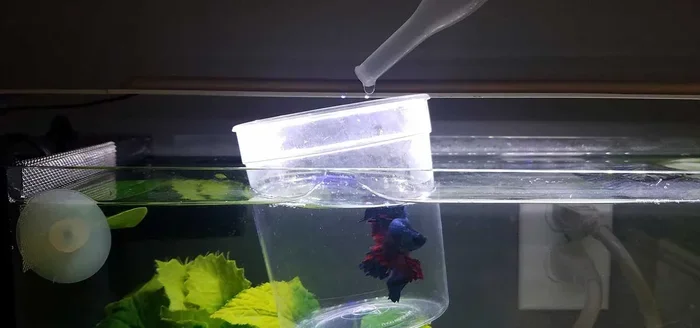
If you want the most precise and controlled method, drip acclimation is the way to go. This technique is especially helpful for sensitive fish or when the water parameters between the old and new environments are very different.
Many experienced aquarists prefer drip acclimation because it gives you complete control over how fast the water changes. It takes a little longer than the floating bag method, but the results are well worth the extra effort.
What You Will Need
- A clean bucket or container
- An air line tubing or drip coil
- A valve or knot to control the flow
- Tank water from your aquarium
Step-by-Step Drip Process
Step 1: Place your betta in a clean bucket. Gently pour your betta and its original water into a clean bucket. Make sure the bucket is free of any chemicals or residues.
Step 2: Set up the drip line. Place one end of the air line tubing in your tank and the other end in the bucket with your betta. Use a valve or a simple knot to control the flow rate.
Step 3: Start the drip. Adjust the flow so that tank water drips into the bucket at a rate of about 2 to 4 drops per second. This is slow enough to be gentle but fast enough to make progress.
Step 4: Wait for the volume to double. Keep the drip running until the water in the bucket has roughly doubled in volume. This usually takes about 30 to 45 minutes.
Step 5: Remove half the water and repeat if needed. Use a cup or turkey baster to remove half of the bucket water. Then start the drip again if the water parameters are still very different.
Step 6: Net your betta into the tank. Once the water in the bucket closely matches the tank water, gently transfer your betta using a net. Discard the bucket water.
This method may sound complicated, but it is actually quite simple once you try it a couple of times. The slow, steady drip ensures your betta adjusts to every change without any shock.
Common Mistakes When Acclimating Betta Fish
Even experienced fish keepers make mistakes sometimes. Here are the most common errors people make when acclimating betta fish to new water, and how to avoid them.
Rushing the Process
This is by far the most common mistake. Some people dump their betta straight into the new tank and walk away. This might seem easier, but it can cause serious harm. Always take the time to acclimate properly. Your fish will thank you for it.
Ignoring Water Parameters
Acclimation is not just about temperature. You also need to consider pH, hardness, and chemical levels. If you are doing a water change for your betta fish, make sure the new water closely matches the old water in all parameters.
Using Soap or Chemical Cleaners
Never use soap, bleach, or chemical cleaners on anything that will touch your betta’s water. Even tiny residues can be deadly. Stick to warm water and a soft cloth for cleaning equipment.
Overfeeding Before or After Acclimation
A stressed betta will not eat well. Avoid feeding your fish right before or immediately after acclimation. Wait at least a few hours to let them settle in first.
Signs Your Betta Is Adjusting Well
After acclimation, keep a close eye on your betta for the next 24 to 48 hours. Look for these positive signs that your fish is settling in comfortably.
Positive Signs to Look For
- Active swimming: Your betta moves around the tank freely and explores its environment.
- Normal eating: Your fish takes food eagerly within a few hours of being introduced.
- Bright colors: Healthy bettas display vibrant colors when they feel safe and comfortable.
- Open fins: Fins that are spread out and flowing show a relaxed, happy fish.
- Curiosity: A betta that investigates new decorations and plants is feeling at home.
What to Do If Things Go Wrong
Sometimes, despite your best efforts, your betta may show signs of stress. Clamped fins, rapid breathing, and hiding in corners are warning signs. If you notice these symptoms, check your water parameters immediately. Test for ammonia, nitrite, and pH levels. A partial water change with properly conditioned water can often help. If the problem persists, consider consulting a fish health guide or an experienced aquarist for advice.
Remember, patience is your best tool. Most bettas recover quickly once they are in stable, clean water. Give them time and a calm environment, and they will thrive.
Final Thoughts
Acclimating betta fish to new water is not complicated, but it is essential. Whether you choose the floating bag method or the drip acclimation technique, the most important thing is to go slow and be gentle. Your betta fish depends on you to create a safe transition. Take the time to prepare the water properly, monitor the parameters, and watch for signs of stress. A little effort now saves you from bigger problems down the road. Your betta will reward you with vibrant colors, active behavior, and years of companionship.
Frequently Asked Questions
How long does it take to acclimate betta fish to new water?
The floating bag method typically takes 15 to 30 minutes. Drip acclimation can take 30 to 60 minutes or longer, depending on how different the water conditions are. The key is to go slow and let your betta adjust gradually.
Can I acclimate my betta fish to new water without a bucket?
Yes, you can use the floating bag method directly in your tank. Simply float the sealed bag, then slowly add small amounts of tank water to the bag over 15 to 20 minutes before netting your betta in.
What is the best method for acclimating betta fish to new water?
Drip acclimation is considered the gold standard because it offers the most precise control over water parameter changes. However, the floating bag method works well for most situations and is easier for beginners.
Do I need to use water conditioner when acclimating betta fish?
Absolutely. Water conditioner removes chlorine and chloramine from tap water, which are harmful to bettas. Always treat new water with a quality conditioner before introducing your fish to it.
Why is my betta fish hiding after acclimation?
Hiding is a common stress response. Give your betta some quiet time and dim the lights. Most bettas emerge within a few hours once they feel safe. If hiding persists beyond 24 hours, check your water parameters for any issues.
Can I acclimate my betta fish to new water during a water change?
Yes, the same acclimation principles apply during water changes. Make sure the new water matches the temperature and parameters of the existing tank water. Use a water conditioner and introduce the new water gradually to minimize stress.