How Oten to Partial Water Chang Infish Cycling Betta Fish
Partial water changes are the backbone of a successful fish cycle when you are raising betta fish, and doing them every 2 to 3 days is the sweet spot most aquarists recommend. This routine keeps ammonia and nitrite levels in check while preserving the beneficial bacteria that drive the nitrogen cycle. Skipping or stretching the schedule too far can stall the cycle, stress your betta, and lead to dangerous water conditions that harm your fish’s health.
How Often to Partial Water Change in Fish Cycling Betta Fish
How often to partial water change in fish cycling betta fish is one of the most important questions every betta owner should know the answer to. During the fish cycling process, your tank builds up harmful toxins like ammonia and nitrite. Regular partial water changes help keep these levels safe for your betta. This guide walks you through everything you need to know about betta fish water change frequency during cycling. You will learn the exact schedule, step-by-step methods, and simple tips to keep your fish healthy and happy.
A partial water change means removing a portion of old tank water and replacing it with fresh, treated water. This is different from a full water change, which replaces all the water at once. During fish cycling, beneficial bacteria are still growing in your tank. These bacteria break down toxic waste. Too many water changes too quickly can wipe out these bacteria. Too few changes and toxins build up fast. Finding the right balance is the key to success.
Key Takeaways
- Partial water changes: Do them 2–3 times weekly during fish cycling.
- Change 25–50%: Remove that amount each session to keep toxins low.
- Use dechlorinated water: Always treat tap water before adding it to the tank.
- Monitor ammonia and nitrite: Test levels daily to guide your water change schedule.
- Match temperature: Keep new water close to the tank’s current temperature.
- Avoid large water changes: Big shifts can crash the cycle and stress your betta.
- Consistency matters: Stick to a routine for stable water parameters.
📑 Table of Contents
What Is Fish Cycling and Why It Matters for Betta Fish
Fish cycling is the process of building up beneficial bacteria in a new aquarium. These bacteria convert harmful ammonia into less toxic substances. Without a proper cycle, your betta fish faces serious health risks. The nitrogen cycle has three main stages that every betta owner should understand.
The Three Stages of the Nitrogen Cycle
- Ammonia Stage: Fish waste and uneaten food produce ammonia. This is highly toxic to bettas even at low levels.
- Nitrite Stage: Beneficial bacteria called Nitrosomonas convert ammonia into nitrite. Nitrite is also dangerous for your fish.
- Nitrate Stage: Another group of bacteria called Nitrobacter converts nitrite into nitrate. Nitrates are much less harmful and can be managed through regular water changes.
During the cycling phase, ammonia and nitrite levels spike before they drop. This is the most dangerous time for your betta. Partial water changes help dilute these toxins and keep your fish alive. The entire cycling process usually takes four to six weeks. Patience and consistency are your best friends here.
How Often to Partial Water Change During Fish Cycling
The frequency of your water change schedule depends on several factors. Tank size, fish load, and filtration all play a role. For most betta tanks during cycling, a partial water change every other day works well. Smaller tanks under five gallons may need daily changes. Larger tanks might only need changes every two to three days.
Recommended Water Change Frequency by Tank Size
| Tank Size | Change Frequency | Water Volume Changed | Cycle Stage |
|---|---|---|---|
| 1-3 gallons | Daily or every other day | 25-50% | All stages |
| 5-10 gallons | Every 1-2 days | 20-30% | All stages |
| 10+ gallons | Every 2-3 days | 15-25% | All stages |
Always test your water before deciding on a schedule. If ammonia spikes above 0.25 ppm, do a water change right away. If nitrite levels are high, increase the frequency. Testing kits make this process easy and affordable. The goal is to keep toxins low while preserving the growing bacteria colony.
How Much Water Should You Remove
Removing too much water can crash your cycle. Removing too little may not dilute toxins enough. Stick to these guidelines:
- Small tanks (1-3 gallons): Remove 25-30% of the water
- Medium tanks (5-10 gallons): Remove 20-25% of the water
- Large tanks (10+ gallons): Remove 15-20% of the water
The partial water change amount stays consistent throughout the cycling process. You can adjust based on test results. If toxins are climbing fast, increase the percentage slightly. Always match the temperature of the new water to the tank water.
The Step-by-Step Process for Partial Water Changes
Doing a partial water change correctly matters just as much as doing it on schedule. Follow these steps every time to protect your betta and the beneficial bacteria in your tank.
Step 1: Prepare Fresh Water
Start by gathering clean water the day before your scheduled change. Let tap water sit uncovered for 24 hours to allow chlorine to evaporate. Alternatively, you can use a water conditioner to neutralize chemicals instantly. The water temperature should match your tank temperature within one or two degrees. Sudden temperature changes stress your betta and can shock your fish.
Step 2: Remove Old Water
Use a siphon or turkey baster to gently remove the calculated amount of water. Avoid sucking up your betta or disturbing the substrate too much. If you do not have a siphon, a small cup works fine for smaller tanks. Remove debris and uneaten food from the surface while you are at it.
Step 3: Add Fresh Water
Pour the new water slowly into the tank. Use a plate or bowl to diffuse the flow and avoid disturbing the substrate. Add conditioner if you did not pre-treat the water. How to condition tap water for betta fish is a simple step that makes a big difference in water quality.
Step 4: Test and Observe
After the change, test the water parameters again. Check ammonia, nitrite, and nitrate levels. Watch your betta for any signs of stress like rapid breathing or hiding. Most bettas recover within a few hours after a proper partial change.
Signs Your Betta Fish Needs a Water Change
Even with a regular schedule, you should watch for warning signs. Your betta will tell you when the water quality drops. Catching these signals early prevents health problems and keeps your fish thriving.
Physical Signs to Watch For
- Clamped fins: Your betta holds its fins close to its body. This often signals poor water quality.
- Loss of color: A vibrant betta fades when toxins build up in the water.
- Rapid gill movement: Fast breathing suggests low oxygen or high ammonia levels.
- Lethargy: Your fish stops moving and stays near the bottom of the tank.
- Loss of appetite: Refusing food is a clear sign something is wrong.
Water Parameter Signs
Use a liquid test kit to check your water regularly. These are more accurate than strip tests. Here are the dangerous thresholds to watch:
- Ammonia: Anything above 0.25 ppm is dangerous. Zero is ideal during cycling.
- Nitrite: Anything above 0.25 ppm requires immediate action.
- Nitrate: Should stay below 20-40 ppm. Higher levels mean you need more frequent changes.
- pH: Bettas prefer a pH between 6.5 and 7.5. Sudden swings are harmful.
If any of these parameters are out of range, do a partial water change right away. Do not wait for your scheduled change day. Your betta’s health depends on quick action when problems arise.
Common Mistakes to Avoid During Water Changes
Many betta owners make mistakes during the cycling phase that set back their progress. Learning from these errors saves time and protects your fish. Here are the most common pitfalls to avoid.
Changing Too Much Water at Once
This is the number one mistake new fish keepers make. Removing more than 50% of the water during cycling can crash your nitrogen cycle. You wipe out the beneficial bacteria you are trying to grow. Stick to small, frequent changes instead of large, infrequent ones.
Using Untreated Tap Water
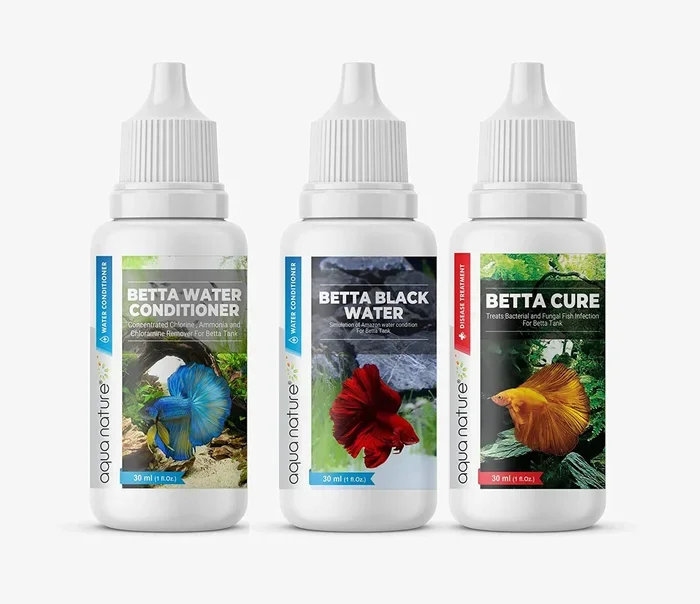
Tap water contains chlorine and chloramine that kill beneficial bacteria and harm your betta. Always treat new water before adding it to the tank. How to condition tap water for betta fish should be a non-negotiable step in your routine. A good water conditioner neutralizes these chemicals in seconds.
Changing Water Too Frequently
Overdoing water changes during cycling removes the beneficial bacteria you need. These bacteria live in your filter media and substrate. Too many changes stall the cycle and extend the process. Follow the recommended schedule and only adjust based on test results.
Ignoring Temperature Matching
Adding cold or hot water to your betta tank causes thermal shock. Bettas are tropical fish that need stable temperatures between 76 and 82 degrees Fahrenheit. Always let new water sit until it matches the tank temperature. How to keep water warm for betta fish is also important after the water change to maintain stable conditions.
Skipping Water Tests
You cannot manage what you do not measure. Skipping water tests during cycling is like driving blindfolded. A simple liquid test kit gives you the information you need to make smart decisions. Test before and after every water change during the cycling phase.
Tips for Maintaining Clean Water After Cycling
Once your tank finishes cycling, your maintenance routine shifts slightly. The frequency of partial water changes decreases, but consistency remains important. Here are practical tips to keep your betta’s water clean long after the cycle is complete.
Stick to a Weekly Schedule
After cycling, most betta tanks do well with a 20-25% water change once a week. This removes accumulated nitrates and keeps the environment fresh. Set a reminder on your phone so you never miss a scheduled change. Consistency is more important than perfection.
Clean Your Filter Properly
Never rinse your filter media with tap water. The chlorine in tap water kills the beneficial bacteria living on the filter. Instead, rinse it in old tank water during a water change. Replace filter media only when it falls apart, and never replace all of it at once.
Do Not Overfeed Your Betta
Excess food decays and produces ammonia. Feed your betta small amounts twice a day. Remove any uneaten food within two minutes. This simple habit reduces the need for frequent water changes and keeps your tank cleaner longer.
Monitor Water Parameters Regularly
Even after cycling, test your water weekly. Ammonia and nitrite should always read zero in a fully cycled tank. Nitrates should stay below 20 ppm. Catching a spike early allows you to address the problem before your betta suffers.
Keep a Water Change Log
Write down the date, amount of water changed, and test results after each change. This log helps you spot patterns and catch problems early. It also makes it easier to adjust your schedule as your tank matures. Many experienced fish keepers swear by this simple habit.
Mastering how often to partial water change in fish cycling betta fish is a skill that pays off for years. Your betta will live a longer, healthier life in clean, stable water. The cycling process takes patience, but the reward is a thriving aquarium and a happy fish. Start with the basics, follow a consistent schedule, and adjust based on your test results. Every water change you do correctly brings you closer to a balanced, beautiful betta tank.