How Old Is Betta Fish at Store
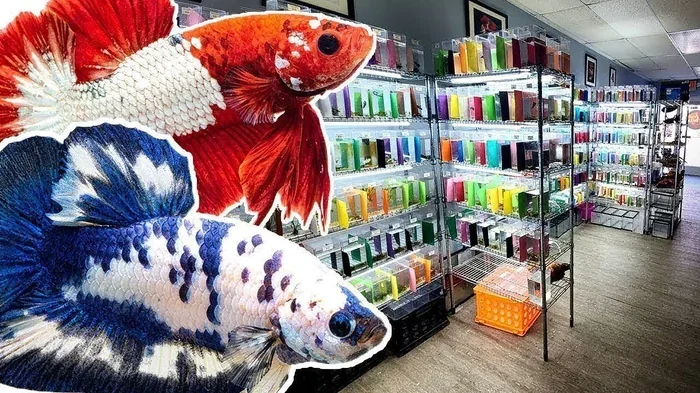
Betta fish at stores are typically between 3 and 6 months old when you bring them home. Knowing their approximate age helps you plan the right care, feeding routine, and tank setup from day one. This guide covers everything you need to know about betta fish age at pet stores, from growth stages to health tips.
Walking into a pet store and seeing rows of colorful betta fish in small cups can be exciting. You pick the prettiest one and bring it home. But have you ever stopped to wonder, how old is betta fish at store? The truth is, most betta fish you find at pet stores are not babies. They are young adults, usually between a few months and about six months old. Understanding their age matters more than you might think.
The age of a betta fish affects everything from its diet to its tank setup and even its lifespan. A fish that is 3 months old has different needs than one that is 6 months old. In this guide, we will walk you through everything you need to know about betta fish age at stores. You will learn how to estimate age, what to expect at each growth stage, and how to give your new fish the best start in life.
Key Takeaways
- Most store-bought betta fish are 3 to 6 months old: This is the sweet spot where they are healthy, colorful, and ready for a new home.
- You can estimate age by looking at size, color, and fin development: Younger fish are smaller and less vibrant than mature ones.
- Betta fish reach breeding age around 4 to 6 months: This is important if you plan to breed or keep males and females together.
- A young betta fish needs different care than an older one: Feeding frequency, tank temperature, and tank size all depend on age.
- Knowing the age helps you spot health problems early: Older fish may show signs of aging or illness sooner.
- Always ask the store staff about the fish’s age: Not all stores track this, but many will have records or estimates.
📑 Table of Contents
What Age Are Betta Fish at Stores?
When you buy a betta fish from a store, it is almost never a newborn. Most stores sell betta fish that are at least 3 months old. Some may be as young as 8 weeks, while others could be closer to 6 months. The exact age depends on the store, the supplier, and how quickly the fish grew.
Here is a quick breakdown of what you can expect:
- 8 to 12 weeks old: These are young juveniles. Their colors are starting to show, and their fins are growing longer.
- 3 to 4 months old: This is the most common age for store-bought bettas. They are colorful, active, and fully developed.
- 5 to 6 months old: These fish are接近 breeding age. Males may start showing more intense colors and longer fins.
Stores prefer to sell bettas at around 3 to 4 months because this is when their colors are the brightest and their fins look the most impressive. A fish at this age is also hardy enough to handle the stress of transport and a new environment.
Why Stores Sell Betta Fish at This Age
Pet stores have practical reasons for selling betta fish at a certain age. Very young fry (baby fish) are fragile and hard to raise in a store setting. They need very specific water conditions and tiny food that is hard to manage in bulk. On the other hand, older bettas may already show signs of aging or fatigue from being kept in small cups.
The 3-to-6-month window is the sweet spot. The fish are healthy, visually appealing, and strong enough to adapt to a new home. If you want a fish that will live a long life with you, this is the ideal age range to look for.
How to Tell How Old a Betta Fish Is
Not every store will know the exact age of their betta fish. But you can get a pretty good estimate by looking at a few key signs. Learning how to judge age helps you plan better care from the start.
Look at the Size
A young betta fish is usually about 1 to 1.5 inches long. By 3 months, most bettas are around 2 inches. At 6 months, they can reach 2.5 to 3 inches. If the fish you are looking at is very small, it might be younger than 3 months. If it is already close to 3 inches, it could be 5 months or older.
Check the Color Intensity
Betta fish colors deepen as they mature. A very young fish may look pale or slightly transparent. By 3 months, the colors should be vivid and solid. A fish that is 5 to 6 months old will have rich, deep colors, especially in males. If the colors seem muted, the fish might be younger or stressed.
Examine the Fins
Fin length and complexity increase with age. Baby bettas have short, simple fins. By 3 months, the fins start to look more flowing and detailed. At 5 to 6 months, a healthy male betta will have long, dramatic fins with lots of branching. If the fins are still short and stubby, the fish is likely under 3 months old.
Watch the Behavior
Younger bettas tend to be more energetic and curious. They explore their surroundings and respond quickly to movement. Older bettas may be a bit more relaxed. If the fish you see is very active and flaring at everything, it is likely a young adult in its prime.
You can also learn more about understanding your fish’s behavior in our article on why your betta fish stares at you, which covers how bettas interact based on their maturity level.
What to Expect at Each Growth Stage
Betta fish go through several growth stages from birth to adulthood. Knowing these stages helps you understand what your fish has been through and what to expect going forward.
Stage 1: Fry (0 to 4 Weeks Old)
Baby bettas, called fry, are tiny and translucent. They are about 3 to 5 millimeters long at birth. At this stage, they eat infusoria or very fine baby food. Fry are extremely delicate and need very warm, clean water. You will almost never find fry at a pet store.
Stage 2: Juvenile (1 to 3 Months Old)
At around 4 weeks, bettas start to develop their first real colors. Their fins grow longer, and they begin to look like miniature adults. By 2 months, they are about 1 inch long. Juveniles are still growing quickly and need plenty of protein-rich food.
Stage 3: Young Adult (3 to 6 Months Old)
This is the stage where most store-bought bettas fall. Colors are vibrant, fins are fully developing, and the fish is strong and active. By 4 months, males will start showing their full fin length. This is also the stage where bettas become sexually mature.
If you are curious about breeding, bettas should not be bred until they are at least 4 months old. You can read more about the right age for breeding betta fish in our dedicated guide.
Stage 4: Adult (6 Months to 2 Years Old)
By 6 months, a betta fish is considered fully adult. Colors are at their peak, and fins are fully grown. This is the prime age for a pet betta. With good care, many bettas live well into their second and even third year.
Stage 5: Senior (2 Years and Older)
As bettas age, their colors may fade slightly, and their activity levels may decrease. Older fish may also be more prone to illness. Knowing the age of your fish helps you adjust care as needed. You can find tips on caring for aging bettas in our guide on how to recognize signs that a betta fish is dying.
Why Store-Bought Betta Fish Age Matters
The age of your betta fish affects how you care for it every single day. Younger fish have different needs than older fish, and getting this wrong can lead to health problems or a shorter life.
Feeding Needs Change with Age
Young bettas need to eat more frequently than adults. A fish under 3 months old does best with 2 to 3 small meals per day. A fish that is 4 to 6 months old can be fed 2 meals per day. Adult bettas over 6 months can thrive on 1 to 2 meals per day. Overfeeding is a common mistake that leads to bloating and poor water quality.
Tank Size and Setup
A young betta fish can live in a 5-gallon tank, but it is better to go with at least 10 gallons if possible. The tank should have a heater to keep the water between 76 and 82 degrees Fahrenheit. A filter is also important, but make sure the current is not too strong. Young fish are more sensitive to water changes and temperature swings.
Health and Immune System
Younger fish have developing immune systems. They are more susceptible to diseases like ich and fin rot. Older fish that have been in stores for a long time may also be stressed and prone to illness. No matter the age, always quarantine a new betta for at least 2 weeks before adding it to a community tank.
If you are worried about whether your fish is healthy, check out our article on how to tell if your betta fish is sick for clear signs to watch for.
Lifespan Expectations
The average betta fish lifespan is 3 to 5 years. A fish that is 3 months old when you buy it could live to be 4 or 5 with proper care. A fish that is already 6 months old might have 2 to 3 years left. Either way, understanding the age helps you set realistic expectations and plan for the long term.
How to Care for a Young Betta Fish from the Store
Bringing a young betta fish home is exciting. But the first few weeks are critical. Here are some practical tips to help your new fish settle in and thrive.
Step 1: Prepare the Tank Before You Bring the Fish Home
Set up the tank at least 24 hours before your fish arrives. This gives the water time to cycle and reach the right temperature. Use a heater and a thermometer to keep the water stable. Add a gentle filter to keep the water clean without creating too much current.
Step 2: Acclimate the Fish Slowly
When you get the fish home, float the bag in the tank for 15 to 20 minutes. This helps the temperature adjust. Then, slowly add small amounts of tank water to the bag over 20 to 30 minutes. Finally, use a net to gently transfer the fish into the tank. Do not dump the store water into your tank.
Step 3: Feed Appropriate Food
Young bettas need high-quality food. Betta pellets are a great staple. You can also offer frozen or live bloodworms and brine shrimp as treats. Feed small amounts 2 to 3 times a day. Remove any uneaten food after 5 minutes to keep the water clean.
Step 4: Monitor the Fish Daily
Watch your betta closely for the first week. Look for signs of stress like clamped fins, loss of color, or hiding at the bottom. Also check the water parameters. Ammonia and nitrite should be at zero, and nitrates should be below 20 ppm.
Step 5: Give the Fish Time to Settle
It is normal for a betta to hide or not eat for the first day or two. This is stress from the move. Give the fish time to explore and adjust. If the fish is still not eating after 3 days, check the water temperature and quality. You can also learn more about keeping your betta happy in our article on how to know if your betta fish is happy.
Common Mistakes When Buying a Betta Fish at a Store
Buying a betta fish can be simple, but mistakes happen. Here are the most common ones to avoid.
- Buying the fish on impulse without checking its health: Look for bright colors, intact fins, and active swimming. Avoid fish with torn fins, white spots, or lethargy.
- Not asking about the fish’s age: Even if the store does not track exact ages, they can often give you a rough estimate. This helps you plan care.
- Buying a fish that is too young: Fish under 8 weeks are very fragile and may not survive the transition to a new home.
- Skipping the quarantine period: Always keep a new fish separate from other fish for at least 2 weeks to prevent disease spread.
- Overfeeding the fish right away: Young bettas have small stomachs. Feed small amounts and increase gradually.
Avoiding these mistakes gives your new betta the best chance at a long, healthy life. A well-cared-for betta can bring you years of joy and entertainment.
Conclusion
So, how old is betta fish at store? Most of the time, the answer is between 3 and 6 months. This is the ideal age for a healthy, colorful, and strong fish ready for a new home. Understanding the age of your betta helps you make better decisions about feeding, tank setup, and long-term care.
Take the time to observe your fish, ask questions at the store, and learn the signs of a healthy betta. A little knowledge goes a long way in giving your fish the best life possible. With the right care, your betta can be a happy and vibrant companion for years to come.
Frequently Asked Questions
How can I tell if my betta fish is a baby?
Baby bettas are very small, usually under 1 inch long. Their colors are pale and their fins are short and simple. They also tend to be more translucent than adult fish. If your fish is tiny and just starting to develop color, it is likely a juvenile under 3 months old.
Can you tell the exact age of a betta fish?
It is very hard to determine the exact age of a betta fish. Stores rarely track individual birth dates. However, you can estimate age by looking at size, color intensity, fin length, and behavior. A fish that is 2 to 3 inches long with vivid colors is likely between 3 and 6 months old.
What age do betta fish start to show their full colors?
Betta fish begin to show their first real colors at around 4 to 6 weeks old. By 3 months, the colors should be clearly visible and vibrant. Full color development, especially in males, typically happens between 4 and 6 months of age.
Is it better to buy a younger or older betta fish from a store?
A younger fish that is at least 3 months old is usually the best choice. It is old enough to be hardy and colorful but young enough to have a long lifespan ahead. Avoid very young fry and very old fish that may already be showing signs of fatigue or aging.
How long can a betta fish live after being bought from a store?
If you buy a 3-month-old betta and provide excellent care, it can live 3 to 4 more years. The average betta lifespan is 3 to 5 years total. So a store-bought fish still has plenty of time to grow and thrive with you.
What should I feed a young betta fish from the store?
Young bettas under 4 months old should be fed 2 to 3 times a day with small amounts of high-quality betta pellets. You can also offer frozen or live foods like bloodworms and brine shrimp as treats. Always remove uneaten food to keep the water clean and healthy.