How Often to Do Water Changes Betta Fish
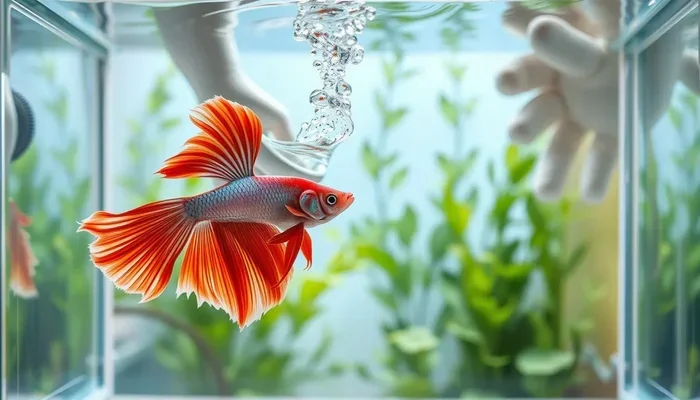
How often to do water changes betta fish require depends on tank size, filtration, and stocking levels. Most betta owners should perform a partial water change every 7 to 14 days. This simple routine keeps your betta happy, active, and free from harmful toxins.
Keeping your betta fish healthy starts with one simple habit. You need to change the water regularly. But how often should you actually do it? The answer depends on several factors like tank size, filtration, and how many fish you keep. This guide will walk you through everything you need to know about how often to do water changes betta fish need to thrive.
Many new betta owners overlook water changes. They think the filter handles everything. But filters alone cannot remove all the waste buildup. Over time, nitrates and ammonia rise in the water. This creates a stressful environment for your fish. Regular water changes keep those levels in check and your betta feeling great.
Key Takeaways
- Frequency matters: Most betta tanks need water changes every 7 to 14 days.
- Partial changes are best: Replace 25% to 50% of the water each time to preserve beneficial bacteria.
- Tank size affects schedule: Smaller bowls need more frequent changes than larger filtered tanks.
- Water quality is key: Always use treated water free from chlorine and chloramine.
- Watch for warning signs: Cloudy water, bad odor, or lethargic fish signal it is time for a change.
- Avoid over-cleaning: Too-frequent full water changes can crash your tank cycle.
📑 Table of Contents
- Why Water Changes Matter for Betta Fish
- How Often Should You Change Betta Fish Water
- How Much Water Should You Change Each Time
- Step-by-Step Guide to Doing a Water Change
- Signs Your Betta Needs a Water Change Sooner
- Common Mistakes to Avoid
- Expert Tips for Better Water Quality Between Changes
- How to Condition Water the Right Way
- Final Thoughts
Why Water Changes Matter for Betta Fish
Betta fish may look tough, but they are sensitive to poor water quality. In the wild, they live in warm, slow-moving waters. These natural habitats get refreshed by rain and flowing streams. Your aquarium does not have that luxury. That is why you need to step in and help.
When waste from food and fish excretion builds up, it breaks down into harmful chemicals. Ammonia and nitrite are toxic even in small amounts. Nitrate is less harmful but builds up over time. Regular water changes dilute these compounds and keep your betta safe. Without them, your fish can become stressed, sick, or worse.
Beyond chemical balance, water changes also remove excess algae and debris. They keep the tank looking clean and smelling fresh. A clean environment supports better color, more energy, and longer lifespan for your betta. Think of it as giving your fish a fresh home every couple of weeks.
The Role of Beneficial Bacteria
Here is something many beginners do not realize. Your tank has good bacteria living on surfaces. These beneficial bacteria break down ammonia and nitrite. They are essential for the nitrogen cycle. When you change water, you want to keep these bacteria intact.
This is why you should never do a 100% water change unless absolutely necessary. Replacing all the water at once wipes out your bacterial colony. That can cause a dangerous spike in ammonia. Partial water changes remove the bad stuff while keeping the good bacteria in place. Aim to replace only a portion of the water each time.
How Often Should You Change Betta Fish Water
The general rule is to do a partial water change every 7 to 14 days. But this is not a one-size-fits-all answer. Several factors influence how often your specific tank needs attention.
Tank Size and Its Impact
Smaller tanks need water changes more often. A 1-gallon bowl without a filter may need a 50% change every 5 to 7 days. A 5-gallon tank with a filter can often go 10 to 14 days between changes. The bigger the water volume, the more stable the parameters stay.
Here is a simple breakdown to help you plan:
- 1-gallon bowl (no filter): Change 50% every 5 to 7 days.
- 3 to 5-gallon tank (with filter): Change 25% to 30% every 10 to 14 days.
- 10-gallon tank (with filter): Change 20% to 25% every 14 days.
How Many Fish Are in the Tank
More fish means more waste. If you keep your betta alone in a proper tank, the schedule above works well. But if you add tank mates, you will need to change water more frequently. More fish produce more ammonia, which means you need to dilute it sooner.
Feeding Habits and Waste Production
How much and how often you feed your betta also plays a role. Overfeeding creates extra waste. Uneaten food sinks to the bottom and decays. If you feed your betta once or twice a day and remove leftover food, you can stick to the standard schedule. But if you notice excess food building up, consider shortening the time between changes.
How Much Water Should You Change Each Time
Most experts agree that a 25% to 50% water change is ideal for routine maintenance. Going below 25% may not remove enough waste. Going above 50% can disrupt your tank’s balance. The sweet spot depends on your setup and how dirty the water looks.
When to Do Smaller Changes
If your tank is well-filtered and you do not overfeed, a 20% to 25% change every two weeks works perfectly. This is the most common approach for betta fish tank maintenance. It keeps water stable without stressing the fish or the bacteria colony.
When to Do Larger Changes
If the water looks cloudy or smells bad, you may need a bigger change. In these cases, a 50% change is safe. If your water parameters test shows high nitrates (above 40 ppm), a larger change helps bring levels down. Always match the temperature of the new water to the tank water to avoid shocking your betta.
| Tank Size | Change Frequency | Water Volume to Replace |
|---|---|---|
| 1-gallon bowl | Every 5 to 7 days | 50% |
| 3 to 5-gallon tank | Every 10 to 14 days | 25% to 30% |
| 10-gallon tank | Every 14 days | 20% to 25% |
Step-by-Step Guide to Doing a Water Change
Doing a water change is simple once you know the steps. Follow this routine every time, and it becomes second nature. The process takes about 15 to 20 minutes once you are comfortable with it.
Step 1: Gather Your Supplies
Before you start, have everything ready. You will need a bucket, a siphon or gravel vacuum, a water conditioner, and a cup or small container. How to prepare water for betta fish starts with having these items at hand. Being prepared prevents mistakes and keeps your fish calm.
Step 2: Turn Off Equipment
Switch off your heater, filter, and any air pumps. This prevents damage from sudden changes in water flow. Some owners skip this step, but it protects your equipment and keeps your betta from getting startled.
Step 3: Remove Dirty Water
Use a siphon to remove the designated amount of water. Start from the substrate to suck up debris and fish waste. Go slowly and avoid disturbing your betta too much. Aim the waste into your bucket.
Step 4: Prepare Fresh Water
Now it is time to add clean water. How to prepare water for a betta fish means treating tap water with a conditioner. Chlorine and chloramine in tap water are harmful to fish. Let the treated water sit for a few minutes to reach room temperature or match the tank temperature.
You can also use a thermometer to check the temperature. Bettas prefer water between 76 and 82 degrees Fahrenheit. Cold water can shock your fish. Lukewarm water close to the tank temperature is ideal.
Step 5: Add the New Water
Pour the fresh water slowly into the tank. Avoid pouring directly onto the gravel or your fish. Use a plate or your hand to diffuse the flow. This keeps the substrate from stirring up and the water from clouding.
Step 6: Turn Equipment Back On
Once the water is added, switch your heater, filter, and air pump back on. Give your betta a few minutes to adjust. Check that everything is working properly. You are done.
Want a more detailed walkthrough? Check out our guide on how to do a water change for betta fish for extra tips and visual steps.
Signs Your Betta Needs a Water Change Sooner
Even with a set schedule, sometimes your tank needs attention earlier. Watch for these warning signs that tell you it is time to change the water.
- Cloudy water: This often means excess waste or bacteria bloom. A partial change usually clears it up.
- Bad smell: If the tank smells like rotten eggs or ammonia, do not wait. Change the water right away.
- Lethargic behavior: If your betta stays at the bottom or barely moves, poor water quality may be the cause.
- Loss of color: A healthy betta is vibrant. Dull coloring can signal stress from dirty water.
- Frequent hiding: Bettas that hide more than usual may feel uncomfortable in their environment.
- Algae bloom: Excessive green growth on glass or decorations shows nutrient buildup that a water change can address.
If you notice any of these signs, do a water change immediately. If your fish seems very unwell after the change, read our article on how to save dying betta fish after water change for emergency steps.
Common Mistakes to Avoid
Even experienced fish keepers make mistakes. Knowing what to avoid saves you time and protects your fish.
Doing Full Water Changes Too Often
This is the number one mistake. Replacing all the water at once destroys your beneficial bacteria. It can cause ammonia spikes that harm or kill your betta. Stick to partial changes and only do a full swap in extreme situations.
Using Untreated Tap Water
Tap water contains chlorine and chloramine. These chemicals damage fish gills and kill beneficial bacteria. Always use a water conditioner before adding water to your tank. Products like Seachem Prime or API Stress Coat work well and are easy to find.
Changing Water Temperature Too Quickly
Bettas are tropical fish that need warm, stable water. Pouring cold water into a warm tank creates thermal shock. This stresses the fish and weakens the immune system. Always match the temperature of new water to the existing tank water.
Ignoring the Filter
Some owners think water changes replace the need for filter maintenance. This is not true. Your filter traps debris and hosts beneficial bacteria. Rinse filter media in old tank water once a month. Never use tap water on filter media, as it kills the good bacteria.
Expert Tips for Better Water Quality Between Changes
Want to stretch the time between water changes safely? These tips help maintain cleaner water for longer.
- Do not overfeed: Feed only what your betta eats in two minutes. Remove any leftovers.
- Use a gravel vacuum: This removes waste from the substrate before it breaks down.
- Add live plants: Plants absorb nitrates and produce oxygen naturally.
- Keep the filter running 24/7: Continuous filtration keeps waste moving through the system.
- Test water regularly: A simple test kit helps you track ammonia, nitrite, and nitrate levels.
For more advice on keeping your betta’s environment clean, read our guide on how often to clean a betta fish tank.
How to Condition Water the Right Way
Water conditioning is a non-negotiable step in the water change process. You cannot skip it if you use tap water. The conditioner neutralizes harmful chemicals and makes the water safe for your betta.
Follow the dosage instructions on the bottle. Most conditioners work instantly, but some need a few minutes. Add the conditioner to the bucket of fresh water before pouring it into the tank. This ensures every drop is treated. If you want deeper guidance on this topic, visit our page about how to condition betta fish water for detailed instructions.
Some owners also like to let water sit out overnight before using it. This allows chlorine to evaporate naturally. However, it does not remove chloramine, which is now common in many municipal water supplies. Using a conditioner is the safest and most reliable method every time.
Final Thoughts
Water changes are the backbone of good betta fish care. Without them, toxins build up and your fish suffers. The good news is that it does not have to be complicated or time-consuming. Stick to a schedule of every 7 to 14 days, change 25% to 50% of the water, and always treat new water with a conditioner.
Pay attention to your fish and your water. If something looks off, do not wait for the next scheduled change. Act quickly. Your betta will reward you with bright colors, active swimming, and a long, healthy life. Consistent water changes for betta fish are one of the simplest and most impactful things you can do as an owner.
Start today. Set a reminder on your phone for the next change. Your fish will thank you for it.
Frequently Asked Questions
How often should I do a water change for my betta fish?
Most betta tanks need a partial water change every 7 to 14 days. Smaller, unfiltered bowls may need changes every 5 to 7 days. The exact frequency depends on tank size, filtration, and how many fish you keep.
Can I do water changes too often for my betta fish?
Yes, doing full water changes too frequently can crash your tank cycle. It removes beneficial bacteria that keep ammonia in check. Stick to partial changes of 25% to 50% and you will keep the balance right.
What kind of water should I use for betta fish water changes?
Always use treated tap water or bottled spring water. Tap water must be conditioned to remove chlorine and chloramine. Let the water reach room temperature or match the tank temperature before adding it.
Do betta fish need water changes if they have a filter?
Yes, filters do not remove all waste. They trap particles and host good bacteria, but nitrates still build up over time. Regular water changes are still essential even with a filter running.
How do I know if my betta needs a water change right now?
Watch for cloudy water, bad smells, lethargy, or loss of color. These are clear signs that water quality has dropped. If you notice any of these, do a water change immediately and test your parameters.
Is it okay to use a water conditioner every time I do a water change?
Absolutely. You should use a water conditioner every single time you add new water. It protects your betta from harmful chemicals in tap water. It is a quick and easy step that makes a big difference in fish health.
=== CONCLUSION ===
How often to do water changes betta fish need is a question every owner should answer early. The simple truth is that regular partial water changes keep your fish healthy, colorful, and active. Follow the guidelines in this article, adjust for your specific setup, and make it part of your routine. Your betta will live a longer, happier life because of it.