How Often Should Youfeed Betta Fish

Knowing how often should you feed betta fish is one of the most important parts of betta fish care. A healthy feeding routine keeps your fish active, colorful, and full of life. Most bettas do best with two small meals per day, but the right amount depends on their age, size, and activity level. This guide covers everything from portion sizes to the best foods you can offer.
This is a comprehensive guide about how often should youfeed betta fish.
Key Takeaways
- Feed your betta fish 2 times a day with small portions that they can eat in 2 minutes.
- Overfeeding is the #1 mistake betta owners make, and it can cause serious health and water quality problems.
- A varied diet of pellets, flakes, and occasional treats keeps your betta nutritionally balanced.
- Fasting one day per week helps digestion and prevents bloating and constipation.
- Watch for hunger cues and behavioral changes to adjust your feeding routine as needed.
- Leftover food ruins water quality fast, so remove any uneaten food within a few minutes.
- Young bettas need more frequent feedings than adult bettas to support their growth.
[FEATURED_IMAGE_PLACEHOLDER]
How Often Should You Feed Betta Fish
If you just brought home a betta fish, you are probably wondering about the right feeding schedule. The truth is that how often should you feed betta fish depends on a few simple factors. But the good news is that it is not complicated once you understand the basics.
Betta fish are not like goldfish that will eat everything you put in the tank. Bettas have small stomachs and a natural appetite that is easy to manage. When you feed them the right way, they stay healthy, vibrant, and full of energy. This guide will walk you through everything you need to know about betta fish feeding frequency, portion sizes, and the best foods to choose.
Getting the feeding schedule right is one of the biggest ways you can improve your betta’s quality of life. A well-fed betta has strong colors, a good appetite, and a playful personality. A poorly fed betta gets sick, lazy, and dull. So let us dive into the details of how to feed your betta the right way.
The Ideal Feeding Schedule for Betta Fish
The standard recommendation for adult betta fish is to feed them twice a day. This means once in the morning and once in the evening. This schedule works well for most bettas because it mimics their natural eating patterns in the wild where they eat small meals throughout the day.
But there is more to it than just timing. The amount of food matters just as much as the frequency. Let us look at the details.
How Many Times a Day Should You Feed Your Betta
For adult bettas, two feedings per day is the sweet spot. Some sources say once a day is fine, but most betta experts agree that two smaller meals work better. This gives your fish a steady supply of nutrients without overloading its tiny digestive system.
If your betta is a baby or juvenile (under 6 months old), you may need to feed them three times a day with even smaller portions. Young bettas are growing fast and need more frequent meals to build strong bones, fins, and color.
How Much Food Should You Give Per Feeding
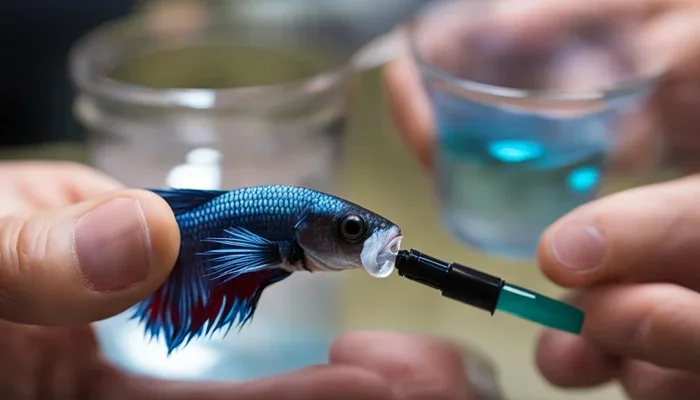
The golden rule for betta fish portion size is this: feed only what your betta can eat in about 2 minutes. A good starting point is 2 to 3 small pellets per feeding. If you are using flakes, a tiny pinch is enough.
Your betta’s belly should look slightly rounded after eating, not bloated or stretched out. If there is food left in the tank after a few minutes, you gave too much. Remove the uneaten food right away to protect your water quality.
Best Foods for Your Betta Fish
Not all fish food is created equal. Bettas are carnivores by nature, which means they need a diet that is high in protein. The wrong food can lead to poor health, dull colors, and a weak immune system. Let us explore the best options for your betta.
Pellets vs Flakes: Which Is Better?
Most betta experts recommend betta-specific pellets as the staple food. These pellets are designed to sink slowly, which is perfect because bettas like to eat from the middle or bottom of the tank. They also have a higher protein content than regular flakes.
Flakes can work, but they are not ideal. Flakes tend to fall apart quickly and can lose their nutritional value fast. If you use flakes, choose a high-quality brand made for bettas. Soak them in tank water for a few seconds before adding them to prevent your betta from swallowing air, which can cause bloating.
Live and Frozen Food Treats
Adding variety to your betta’s diet is a great idea. Live or frozen foods like bloodworms, brine shrimp, and daphnia make excellent treats. They are packed with protein and most bettas go crazy for them.
However, treats should only make up about 10 to 20 percent of your betta’s diet. Too much treats can lead to overfeeding and nutritional imbalance. Use them as a reward or a supplement to your betta’s regular pellet or flake meals.
| Food Type | Best For | Frequency | Notes |
|---|---|---|---|
| Betta Pellets | Staple diet | 2 times daily | High protein, slow sinking |
| Betta Flakes | Staple diet | 2 times daily | Soak before feeding |
| Bloodworms | Treat | 1-2 times per week | High protein, use sparingly |
| Brine Shrimp | Treat | 1-2 times per week | Great for color enhancement |
| Daphnia | Treat | 1 time per week | Aids digestion |
| Freeze-dried Foods | Treat | 1 time per week | Soak before feeding to avoid bloating |
Signs You Are Overfeeding or Underfeeding Your Betta
One of the hardest parts of caring for a betta is finding the right balance. Both overfeeding and underfeeding can cause serious problems. Here is how to tell which one you are dealing with.
Signs of Overfeeding
Overfeeding is the most common mistake new betta owners make. Bettas have a natural tendency to eat whenever food is available, even when they are full. This makes them prone to obesity and digestive issues.
Watch for these warning signs:
- Cloudy or dirty tank water that gets worse quickly after feeding
- Uneaten food sinking to the bottom and rotting in the substrate
- A bloated or swollen belly that does not go down after eating
- Lethargy and loss of appetite despite food being available
- Constipation or difficulty swimming, which can lead to swim bladder disease
If you notice any of these signs, reduce the amount of food immediately. Skip one feeding to let your betta’s digestive system reset. You can also give a small piece of blanched pea to help with constipation.
Signs of Underfeeding
Underfeeding is less common but still happens, especially if you are too cautious about overfeeding. A betta that is not getting enough food will show clear signs of decline over time.
Look out for these red flags:
- Loss of vibrant color and a pale or faded appearance
- Visible weight loss and a thin, gaunt body shape
- Lethargy and hiding behavior more than usual
- Refusing food even when it is offered at feeding time
- Slow growth in young bettas or failure to gain weight
If your betta shows signs of underfeeding, gradually increase the portion size. Do not suddenly give a large amount of food, as this can shock the digestive system. Slowly build up to the recommended 2 to 3 pellets per feeding.
How Feeding Connects to Tank Maintenance
Feeding your betta is not just about the food itself. It is also connected to how you maintain your tank. Uneaten food breaks down fast and can seriously harm your water parameters. This is why how often should you feed betta fish and how often you clean the tank go hand in hand.
Every time you feed your betta, any food that is not eaten will decompose. This releases ammonia, nitrites, and nitrates into the water. These toxins are dangerous for your fish, even in small amounts. A good betta tank maintenance routine includes removing uneaten food within 2 to 3 minutes after feeding.
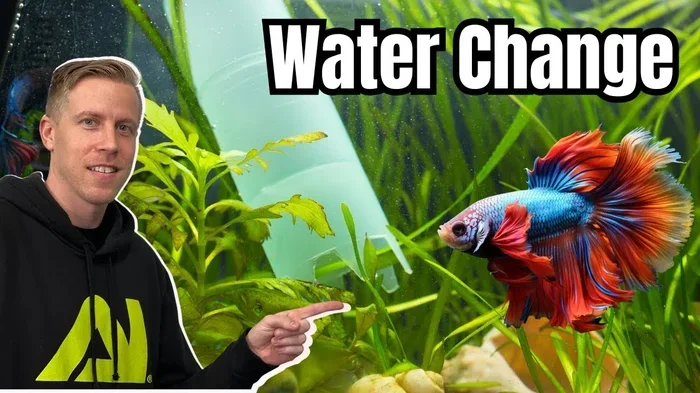
If you feed your betta twice a day, you are adding more waste to the tank than someone who feeds once a day. This means you need to stay on top of water changes and filter maintenance. For most betta tanks, doing a 25 to 30 percent water change every week is a good baseline. If you notice the water getting cloudy faster, you may need to adjust your feeding amount or frequency.
Also, keep in mind that a well-maintained tank makes feeding easier. When your water parameters are stable, your betta has a stronger appetite and digests food better. It is a cycle: good feeding leads to better water quality, and good water quality leads to better feeding results.
Common Feeding Mistakes to Avoid
Even experienced betta owners can fall into bad feeding habits. Here are the most common mistakes and how to avoid them.
Mistake 1: Feeding Too Much Because Your Betta Seems Hungry
Bettas are natural beggars. They will flare their fins and swim to the front of the tank every time you approach. This does not always mean they are hungry. Bettas have a strong survival instinct that makes them act hungry even when their stomach is full. Stick to your scheduled portions and ignore the begging.
Mistake 2: Only Feeding One Type of Food
Feeding your betta the same food every day might be convenient, but it is not the best for their nutrition. A varied diet ensures your betta gets all the vitamins, minerals, and proteins they need. Rotate between pellets, flakes, and occasional treats for the best results.
Mistake 3: Skipping Feeding Days Without a Plan
Some owners skip feedings randomly, thinking it gives the betta’s stomach a rest. While planned fasting is beneficial (more on this below), random skipping can lead to underfeeding. If you want to skip a meal, do it on purpose as part of a structured fasting routine.
Special Feeding Situations
Not all bettas are the same, and certain situations call for adjustments to the standard feeding routine. Here are some common scenarios where you need to think differently about your betta’s diet.
Feeding Baby and Juvenile Betta Fish
Young bettas that are under 3 months old have tiny stomachs and fast metabolisms. They need to eat 3 to 4 times a day with very small portions. Baby brine shrimp and crushed pellets work great for fry and juveniles. As your betta grows, you can reduce the frequency to twice a day and increase the portion size slightly.
Fasting Days for Better Digestion
Giving your betta a break from food one day per week can do wonders for its digestive health. Fasting helps clear out the digestive tract and prevents constipation, which is a common problem in bettas. Pick one day a week where you do not feed your betta at all. Most bettas handle a fasting day just fine and will be extra hungry and eager at the next feeding.
If your betta has been showing signs of bloating or constipation, an extra fasting day can help. Just make sure to resume normal feeding the next day. Do not fast for more than two days in a row, as your betta needs regular nutrition to stay healthy.
What to Do When Your Betta Stops Eating
Sometimes a betta will simply refuse food, and this can be alarming. There are several reasons why a betta might stop eating, from stress to illness to water temperature changes. If your betta skips a meal or two, do not panic. But if the refusal lasts more than 3 days, you should investigate further. Check your water parameters, temperature, and look for other signs of illness. You can find detailed advice on this topic in our guide on what to do if your betta fish isn’t eating.
Final Thoughts on Feeding Your Betta Fish
Getting the feeding schedule right is one of the simplest yet most powerful things you can do for your betta fish. Feeding your betta twice a day with small portions is the foundation of good betta care. Combine this with a varied diet of high-quality pellets, occasional treats, and a planned fasting day, and your betta will thrive.
Remember that every betta is a little different. Age, size, activity level, and water temperature all play a role in how much and how often your fish needs to eat. Pay attention to your betta’s behavior, body condition, and appetite. Adjust the feeding routine as needed based on what you observe.
Also, keep in mind that feeding is just one part of the equation. A clean tank with proper filtration and stable water parameters supports healthy digestion and a strong appetite. If you want to learn more about keeping your betta’s home clean, check out our guide on how often to clean a betta fish tank. And for more details on the right amount of food, our article on how much should a betta fish eat is a great resource to bookmark.
By following the tips in this guide, you are setting yourself up to be a great betta owner. Your fish will reward you with bright colors, active behavior, and a long, healthy life. Happy feeding.
FAQs
Can I feed my betta fish once a day instead of twice?
Yes, once a day is okay for most adult bettas, but twice a day with smaller portions is generally better. Feeding two smaller meals helps maintain steady energy levels and mimics a betta’s natural eating pattern. If you only feed once a day, make sure the portion is still small enough to be eaten within 2 minutes.
How do I know if I am feeding my betta the right amount?
The best test is the 2-minute rule. If your betta finishes all the food within 2 minutes, the portion is about right. If there is food left over, you are giving too much. If your betta seems to still be hungry after 2 minutes, you can add one or two more pellets next time and adjust from there.
Can I feed my betta fish flakes instead of pellets?
You can, but pellets are generally the better choice for bettas. Betta-specific pellets are designed to sink slowly and have higher protein content. If you use flakes, choose a quality betta formula and soak them briefly before adding them to the tank to prevent your fish from swallowing air.
Is it okay to skip feeding my betta for a day?
Yes, skipping one feeding day per week is actually beneficial and is called planned fasting. It helps your betta’s digestive system reset and prevents constipation. Just make sure you are not skipping days randomly or for extended periods, as your betta needs consistent nutrition to stay healthy.
What happens if I overfeed my betta fish?
Overfeeding can cause bloating, constipation, swim bladder disease, and poor water quality. Uneaten food decomposes quickly and releases harmful toxins like ammonia into the tank. To avoid these problems, stick to small portions and remove any uneaten food within a few minutes of feeding.
How often should I change my betta’s water in relation to feeding?
You should do a 25 to 30 percent water change every week regardless of feeding schedule. Because you feed your betta twice a day, uneaten food and waste build up faster, so regular water changes are essential. If you notice the water getting cloudy or smelly between changes, you may need to increase the frequency or reduce the amount of food per feeding.
Frequently Asked Questions
What is how often should youfeed betta fish?
how often should youfeed betta fish is an important topic with many practical applications.