How Often Should You Feed a Veiltail Betta Fish
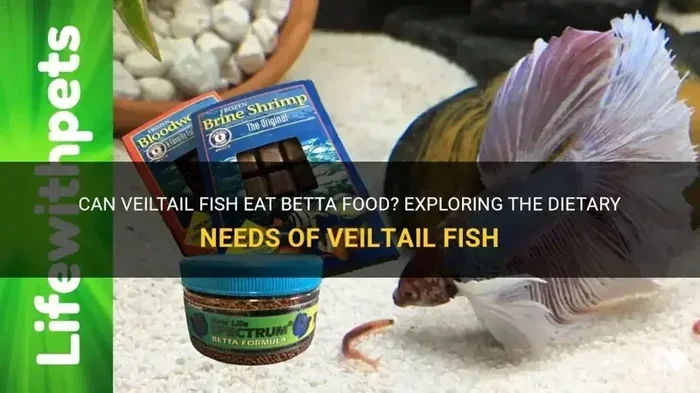
Feeding your veiltail betta fish the right amount at the right times is essential for its health and longevity. Most experts recommend feeding a veiltail betta fish 2 to 3 times daily with small portions. You’ll also learn how to spot hunger cues, avoid overfeeding, and adjust the diet for babies, adults, and seniors.
If you own a veiltail betta fish, you’ve probably asked yourself, “How often should you feed a veiltail betta fish?” The answer is simpler than you think, but getting it right makes a huge difference. A proper betta fish feeding schedule helps your fish stay colorful, energetic, and free from common health problems. This guide breaks down everything you need to know, from daily portions to the best foods and life-stage adjustments.
Many new owners worry about underfeeding or overfeeding their betta. The truth is, veiltail bettas have small stomachs and slow metabolisms. You do not need to fill the tank with food. Instead, focus on consistency and quality. I’ll show you exactly how to build a routine that works for both you and your fish.
Key Takeaways
- Feed 2–3 times a day: Small, controlled meals keep your veiltail betta active and prevent bloating.
- Watch for hunger signs: Begging behavior does not always mean your fish needs more food.
- Use high-quality pellets: They should sink slowly and be sized for a betta’s tiny mouth.
- Soak pellets first: This prevents constipation and swim bladder issues.
- Skip a day if needed: A weekly fasting day helps digestion and reduces waste.
- Adjust for life stage: Baby bettas need more frequent, smaller meals than adults.
- Pair feeding with tank care: regular water changes keep your betta healthy between meals.
📑 Table of Contents
How Often Should You Feed a Veiltail Betta Fish?
The short answer is two to three times a day. This matches the natural eating pattern of bettas in the wild, where they snack on small insects and larvae throughout the day. For your pet veiltail, this means offering a few pellets or a small pinch of frozen food in the morning and again in the evening.
If you are unsure about the exact amount, start with two feedings a day. You can always adjust based on your fish’s appetite and body condition. Most betta care guides agree that this frequency strikes the right balance. It keeps your fish fed without overwhelming its digestive system.
Remember, hunger is not always a sign of malnutrition. Bettas are opportunistic eaters and will beg even when they are full. Learning to read your fish’s true needs is the first step toward a healthy feeding routine.
The Ideal Daily Feeding Routine
A simple routine works best for both you and your fish. Try feeding once in the morning and once in the evening. If your schedule allows, a midday snack of a single pellet can add variety. Keep each feeding short. Your betta should finish the food within two to three minutes.
Here is an example daily routine:
- Morning (8–9 AM): Offer 2–3 high-quality pellets. Let them sink slowly.
- Midday (optional): One pellet or a tiny piece of frozen bloodworm.
- Evening (6–7 PM): Repeat the morning portion.
Consistency matters more than variety. Stick to the same times each day. Your betta will learn the schedule and become more active at feeding time.
Signs You’re Feeding Too Much or Too Little
Overfeeding is the most common mistake new betta owners make. A bloated belly, cloudy water, and leftover food are clear red flags. If you notice any of these, cut back immediately. Betta fish do not need a full stomach to thrive.
On the other hand, underfeeding can cause weight loss and lethargy. Your fish may become pale or stop building bubble nests. Watch for these subtle clues:
- Hunger signs: Flaring at the glass or swimming to the surface when you approach.
- Full signs: Turning away from food or spitting out pellets.
- Body condition: A healthy veiltail should have a smooth, slightly rounded belly—not a stretched one.
If you are ever in doubt, this article on overfeeding explains why it is better to err on the side of caution. A few skipped pellets are safer than a heavy meal.
Adjusting Portion Size
The size of each meal matters just as much as the frequency. A good rule of thumb is to offer only what your betta can eat in two minutes. For most adult veiltails, this means 2–3 pellets per feeding. Baby bettas need smaller, more frequent meals, while senior fish may do well with just one feeding a day.
To make feeding easier, pre-measure your pellets. Use a small dish or a feeding ring. This prevents food from floating and fouling the water. It also helps you see exactly how much your fish consumes.
Best Foods for Your Veiltail Betta
Not all fish food is created equal. Your veiltail betta is a carnivore, so it needs a protein-rich diet. The best staple food is a high-quality betta pellet that sinks slowly. Look for brands with whole fish meal or shrimp as the first ingredient.
You can also offer variety with frozen or live foods. Bloodworms, brine shrimp, and daphnia are excellent treats. They mimic the natural diet and make feeding time more exciting. However, treats should only make up 10–20% of the total diet.
Here is a quick comparison of common betta foods:
- Betta pellets: The foundation of a healthy diet. Easy to portion and long-lasting.
- Frozen bloodworms: Rich in protein. Use as a treat 2–3 times a week.
- Brine shrimp: Great for picky eaters and breeding pairs.
- Daphnia: A natural laxative that helps with digestion.
Always thaw frozen food before adding it to the tank. This prevents temperature shock and ensures your betta can eat it easily.
How to Adjust Feeding for Different Life Stages
Your veiltail betta’s nutritional needs change as it grows. A baby betta requires more protein and more frequent meals to support rapid growth. An adult fish does well on a steady routine. A senior betta may become less active and need smaller portions.
Baby Veiltail Bettas (0–3 Months)
Young bettas need 3–4 very small meals each day. Use crushed pellets or newly hatched brine shrimp. Their stomachs are tiny, so frequent, bite-sized feedings are essential. This guide on pellet amounts can help you gauge the right portion for tiny fish.
Adult Veiltail Bettas (3 Months to 2 Years)
Adults thrive on two main feedings a day. You can add a small treat once a week, like a single bloodworm. Keep the diet varied but controlled. A healthy adult should have a smooth body shape and steady energy.
Senior Betta Fish (2+ Years)
Older bettas may eat less and prefer softer foods. You can reduce feedings to once a day or every other day. Soak pellets for a longer time to make them easier to digest. Watch for signs of constipation or bloating, and adjust accordingly.
Common Mistakes to Avoid
Even experienced owners sometimes slip up. The biggest mistake is assuming a betta will stop eating when it is full. Bettas will eat until they feel sick if you let them. Another error is relying on flakes alone. Flakes lose nutrients quickly and can cloud the water.
Here are a few pitfalls to watch for:
- Feeding too much at once: This causes bloating and poor water quality.
- Ignoring fasting days: A weekly fast helps clear the digestive system.
- Using the wrong food: Goldfish food or tropical flakes do not meet a betta’s protein needs.
- Skipping water changes: Leftover food decays fast. Pair your feeding schedule with regular bowl cleaning to keep the environment fresh.
Avoid these habits, and your veiltail betta will reward you with vibrant color and playful behavior.
Final Thoughts
Feeding your veiltail betta fish does not have to be complicated. Stick to a simple twice-daily routine, offer small portions, and choose quality food. Pay attention to your fish’s body language and adjust as needed. A well-fed betta is a happy betta, and a happy betta can live for many years with proper care.
Remember, consistency is the secret ingredient. Feed at the same times each day, clean up uneaten food, and keep the tank environment stable. Your efforts will pay off with a healthy, active fish that brings joy to your home every single day.
Frequently Asked Questions
How many pellets should I feed my veiltail betta fish per meal?
For an adult veiltail, 2–3 pellets per meal is the sweet spot. Soak them in tank water for a few seconds before feeding to prevent constipation. Adjust the number if your fish finishes the food quickly or leaves it behind.
Can I feed my veiltail betta fish once a day?
Yes, once a day works well for some bettas, especially older or less active fish. If you choose this route, make sure the single meal is nutrient-dense and includes a variety of proteins. Many owners prefer twice daily for a more consistent energy level.
What happens if I overfeed my veiltail betta fish?
Overfeeding can cause bloating, constipation, and swim bladder problems. Excess food also decays quickly, spiking ammonia levels in the tank. Always offer only what your fish can eat in a couple of minutes and remove any leftovers.
Should I fast my veiltail betta fish?
Yes, a one-day fast once a week is beneficial. It gives the digestive system a rest and helps prevent constipation. You can skip the morning feeding and offer a normal evening meal the next day. Most bettas handle fasting just fine.
What is the best time of day to feed a veiltail betta fish?
Early morning and early evening are ideal. These times match the natural light cycle and keep your fish on a predictable schedule. Avoid feeding late at night, as bettas rest in the dark and digestion slows during sleep.
Can I use flakes instead of pellets for my veiltail betta fish?
Pellets are generally better because they sink slowly and retain their nutrients longer. Flakes can cloud the water and lose vitamins quickly. If you use flakes, choose a high-quality betta-specific formula and feed only tiny amounts.