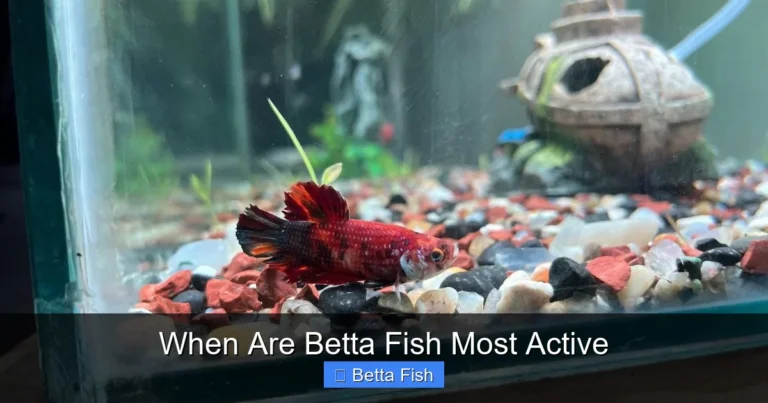
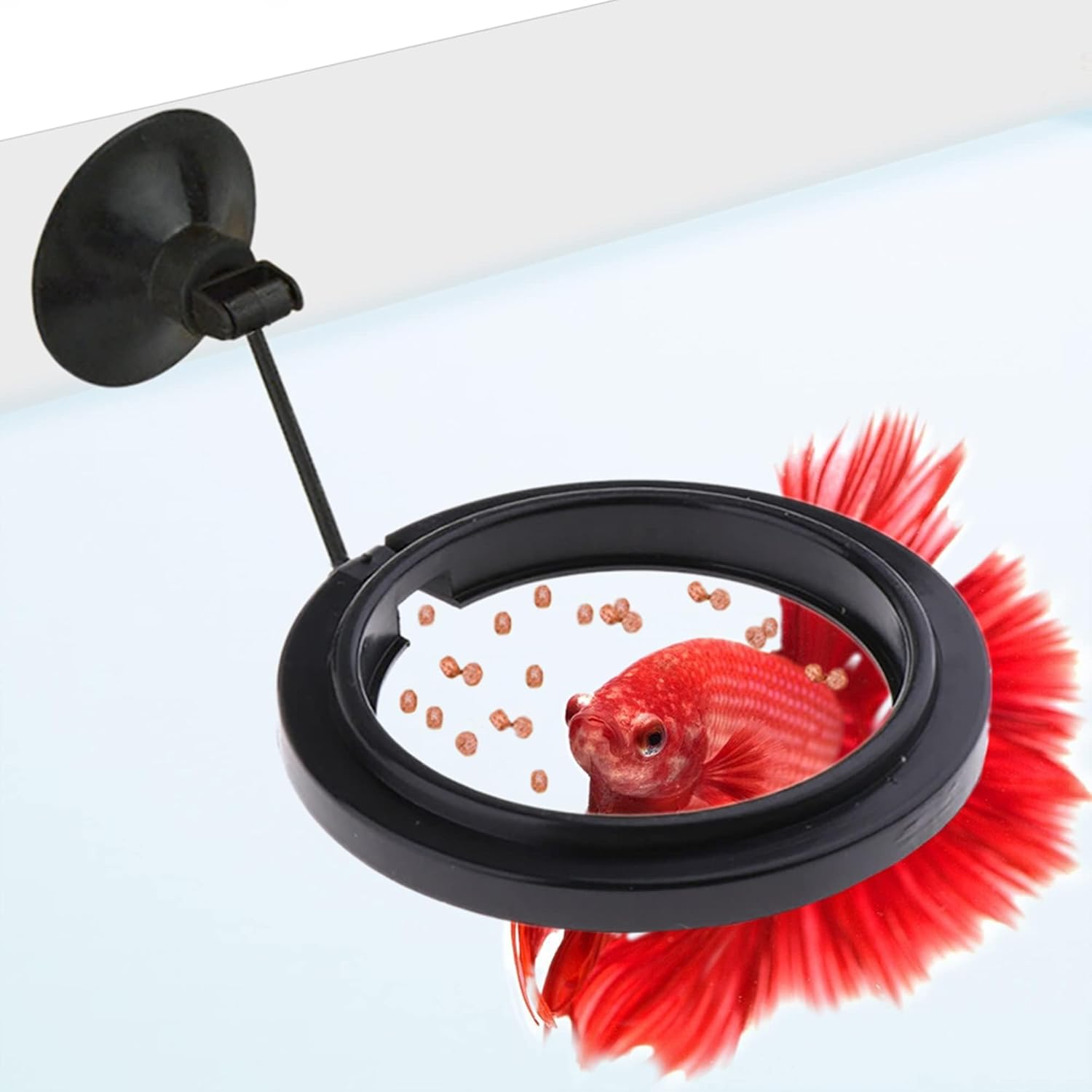
How Often Do You Feed a Betta Fish Flake Food

Feeding your betta fish flake food the right way matters more than you think. Most bettas do best with two small feedings per day, just a few flakes each time. Overfeeding is the number one mistake fish owners make, and it can seriously harm your betta’s health and water quality.
So you just brought home a beautiful betta fish. Congrats! Now the big question hits you: how often do you feed a betta fish flake food? It sounds simple enough, right? But here is the thing. Getting the feeding schedule right can mean the difference between a vibrant, active fish and one that gets sick all the time.
Betta fish are not like goldfish. They have a small digestive system that does not handle large meals well. Too much food, too often, and you are setting yourself up for some serious problems. But too little food? That is not great either. The sweet spot is right in the middle, and this guide will show you exactly how to find it.
Whether you are a complete beginner or a seasoned fish keeper looking to fine-tune your routine, this article covers everything you need to know about feeding betta fish flake food. We will talk about portions, frequency, the best brands, and common mistakes that even experienced fish owners make. Let us dive in.
Key Takeaways
- Feed 2-3 times daily: Most bettas thrive on a consistent schedule of two small feedings per day.
- Less is more: Only give what your betta can eat in 2 minutes to prevent overfeeding.
- Quality matters: Choose high-quality flakes with real fish protein as the first ingredient.
- Watch for clues: Your betta’s appetite, behavior, and waste tell you if your feeding routine is right.
- Variety helps: Rotate flakes with pellets, frozen, or live food for balanced nutrition.
- Skip a day: One fasting day per week helps prevent bloating and digestive issues.
📑 Table of Contents
- Understanding Your Betta Fish Nutritional Needs
- How Often Should You Feed Betta Fish Flake Food?
- The Risks of Overfeeding Betta Fish
- Best Practices for Feeding Betta Flakes
- Common Feeding Mistakes to Avoid
- How to Adjust the Feeding Routine for Different Situations
- Final Thoughts on Feeding Betta Fish Flake Food
Understanding Your Betta Fish Nutritional Needs
Before we get into the exact schedule, let us talk about what betta fish actually need to eat. Bettas are carnivorous fish by nature. In the wild, they eat insects, larvae, and small crustaceans. Their bodies are built to digest protein-rich foods, not fillers or carbohydrates.
Flake food is one of the most popular options for betta owners. It is convenient, affordable, and widely available. But not all flakes are created equal. Cheap flakes are loaded with fillers that your betta cannot even digest properly. This leads to waste buildup in the tank, which messes with your water quality fast.
What Makes a Good Flake Food?
When you are shopping for betta fish flakes, check the ingredients list. The first ingredient should be a real source of protein. Think fish meal, shrimp meal, or whole fish. Avoid flakes where wheat flour or soy is at the top of the list. Those are just fillers that will swell up in your betta’s stomach and cause bloating.
Look for flakes that contain:
- Real animal protein as the primary ingredient
- Omega-3 and Omega-6 fatty acids for healthy fins and color
- Vitamins and minerals like spirulina and vitamin C
- Low filler content with minimal plant-based ingredients
Some owners also like to soak their flakes before feeding. This helps the food sink at a slower rate and makes it easier for your betta to digest. Just drop a few flakes in a small cup of tank water for a minute before adding them to the aquarium.
How Often Should You Feed Betta Fish Flake Food?
This is the million-dollar question, and the answer is simpler than you might expect. Feed your betta flake food two to three times per day. That is the sweet spot for most healthy adult bettas. Each feeding should be small, just a few flakes, roughly the size of your betta’s eye.
Now, you might see different advice online. Some sources say once a day. Others say four times. The truth is that feeding frequency depends on several factors, including your betta’s age, activity level, tank temperature, and overall health. Let us break it down.
Feeding Schedule by Age
Young bettas, especially those under six months old, need more frequent feedings. Their bodies are growing fast, and they burn energy quickly. For baby bettas, three to four small feedings per day works well. Just keep each portion tiny.
Adult bettas, on the other hand, do great with a twice-daily routine. Morning and evening feedings are ideal. This keeps their feeding schedule consistent and predictable, which reduces stress. Bettas thrive on routine, honestly. They will start swimming to the surface when they see you near the tank.
How Much Flake Food Per Feeding?
Here is a rule of thumb that works every time. Feed only what your betta can consume in two minutes. Drop two to three small flakes into the tank and watch your fish eat. If there is leftover food after a couple of minutes, you gave too much.
Overfeeding is the fastest way to ruin your water quality. Uneaten flakes break down quickly and release ammonia into the water. Even a small spike in ammonia can stress your betta and damage its delicate fins. If you are unsure about portions, start with less and work your way up gradually.
The Risks of Overfeeding Betta Fish
Let us be real here. Overfeeding is the number one killer of pet bettas. It is also completely preventable. When you give your betta too much flake food, the consequences go far beyond a messy tank.
First, overfeeding causes bloating and constipation. Bettas have compact digestive systems that simply cannot process large amounts of food at once. A bloated betta will look swollen near the belly area, and its poop will be stringy and white instead of the normal dark color. Not a pretty picture, right?
Second, excess food decays in the water. This spikes ammonia and nitrite levels, which are toxic to fish. Even with a good filter, a sudden overload of food waste can overwhelm your tank’s biological cycle. The result? Your betta starts showing signs of fin rot, stress, and lethargy.
Third, overfed bettas often become lazy. They stop swimming around and just hang out near the surface, waiting for more food. This is not cute. It is a sign that something is wrong with their routine. A healthy betta should be curious, active, and eager to explore its environment.
Best Practices for Feeding Betta Flakes
Now that you know the risks, let us talk about how to do it right. Following a few simple best practices will keep your betta healthy and your tank clean.
Stick to a Consistent Schedule
Bettas are creatures of habit. Feeding them at the same times every day helps regulate their digestion and metabolism. I like to feed my betta once in the morning and once in the evening, about 12 hours apart. This mimics natural feeding patterns and keeps things predictable for your fish.
If you are gone during the day, do not worry. An automatic feeder or a weekend feeder block can help. Just make sure whatever you use is designed for small carnivorous fish. Not all feeders work well with fine flakes.
Variety Is Key to Good Nutrition
While flakes are convenient, they should not be the only thing in your betta’s diet. Think of flakes as the staple, not the entire meal plan. Rotating between different food types ensures your betta gets a balanced range of nutrients.
Great options to rotate with flakes include:
- Betta pellets — sink or float, high protein, easy to portion
- Frozen brine shrimp — a natural treat rich in protein
- Bloodworms — great for occasional variety, but feed sparingly
- Live food like daphnia or mosquito larvae — the closest thing to a wild diet
A good rotation might look like this: flakes in the morning, pellets in the evening. Or flakes one day, frozen food the next. Just make sure you are not introducing too many new foods at once. Gradual changes are always better.
Watch Your Betta During Feeding
Feeding time is also observation time. Watch how your betta eats. A healthy betta will gobble up flakes eagerly and swim back to its favorite spot within a minute or two. If your betta ignores the food or seems disinterested, something might be off. Could be the water temperature is too low, or your fish is feeling under the weather.
Also, pay attention to how fast your betta eats. If it takes more than three minutes to finish a small portion, that is a sign the flakes might be too large or hard. You can try soaking them first or switching to a finer crumble variety.
Common Feeding Mistakes to Avoid
Even the best fish owners make mistakes sometimes. Here are a few common blunders that trip up both beginners and experienced hobbyists when it comes to feeding betta fish flakes.
Mistake 1: Following the Flake Package Instructions Blindly
Most flake food packages recommend feeding large amounts multiple times a day. That advice is designed for community tanks with multiple fish, not a single betta in a small tank. Always adjust portions based on your individual fish’s size and appetite. When in doubt, feed less.
Mistake 2: Feeding Only Flakes Every Day
Flakes alone do not provide complete nutrition for a betta over the long term. They can lose nutritional value once exposed to air, and many brands include too many plant fillers. Mix it up with pellets and occasional treats for the best results.
Mistake 3: Skipping Fasting Days
Your betta needs a break from eating now and then. Skipping one day of feeding per week helps clear the digestive system and prevents constipation. Many experienced fish keepers feed once on Sundays only, or skip feeding entirely on Mondays. Pick a day that works for you and stick with it.
Mistake 4: Feeding Right Before or After a Water Change
Feeding your betta immediately before or after a water change can cause digestive upset. Bettas are sensitive to changes in water parameters, and adding food to the mix can spike ammonia levels quickly. Wait at least an hour after a water change before offering food.
How to Adjust the Feeding Routine for Different Situations
Every betta is different, and your feeding routine should flex to match your fish’s unique needs. Here are a few situations where you might need to tweak the standard schedule.
Feeding a Sick or Recovering Betta
If your betta is recovering from an illness or injury, its appetite may be reduced. In these cases, offer smaller portions more frequently. Soaked flakes or easily digestible foods like daphnia work well for sick fish. You can also try force feeding with a small amount of food on a toothpick if your vet recommends it, but only as a last resort.
Feeding During Hot Weather
Warmer water temperatures speed up your betta’s metabolism. During summer months or in warm rooms, your betta may need slightly more food. Watch its body condition and adjust portions gradually. Never increase feeding all at once.
Feeding a Betta in a Community Tank
If your betta shares a tank with other fish, feeding flakes can be tricky because other fish may steal the food before your betta gets to it. In this case, consider using sinking betta pellets instead, or feed your betta separately in a small container for a few minutes before releasing it back into the tank.
Final Thoughts on Feeding Betta Fish Flake Food
Getting the feeding routine right for your betta fish does not have to be complicated. Two to three small feedings per day, just a few flakes at a time, is all it takes for most healthy adult bettas. The real keys are consistency, quality food, and watching your fish closely for any signs of trouble.
Remember that overfeeding causes more problems than underfeeding. Your betta’s stomach is tiny, and it does not need as much food as you might think. When you stick to a simple routine and vary the diet with high-quality flakes, pellets, and occasional treats, your betta will thrive.
Take some time to observe your fish during each feeding. Notice its energy, appetite, and waste output. These small observations tell you a lot about whether your current feeding plan is working. Adjust as needed, stay patient, and enjoy the process of caring for your beautiful betta.
For more detailed guidance on how often to feed a betta fish, including tips on pellets and other food types, check out our comprehensive feeding guides. And if you are curious about what other foods your betta can safely eat, we have plenty of resources on that too. Happy fish keeping!
Frequently Asked Questions
Can I Feed My Betta Flake Food Every Day?
Yes, feeding your betta flake food every day is perfectly fine as long as you keep portions small and stick to a consistent schedule. Most bettas do well with two small feedings per day using high-quality flakes. Just make sure you are not overfeeding, and consider rotating in other food types for better nutrition.
How Many Flakes Should I Feed My Betta at Each Meal?
Two to three small flakes per feeding is the ideal amount. The flakes should be no larger than your betta’s eye. If your betta finishes the food in under two minutes and shows interest in more, you can add one extra flake. If food is left over, you gave too much.
Is Flake Food Good for Betta Fish?
Flake food can be a good staple for bettas, but only if it is a high-quality brand with real fish protein as the first ingredient. Cheap flakes with fillers and plant-based ingredients do not meet a betta’s carnivorous nutritional needs. Pair flakes with pellets and occasional frozen or live foods for the best results.
What Happens If I Overfeed My Betta Flakes?
Overfeeding causes bloating, constipation, and poor water quality. Uneaten flakes decay quickly and release ammonia into the tank, which stresses your fish and can lead to disease. A bloated betta may have a swollen belly and stringy white waste. Reduce portions and skip a feeding day if you notice these signs.
Should I Soak Betta Flakes Before Feeding?
Soaking flakes for a minute in tank water before feeding can help them soften and sink more slowly. This makes it easier for your betta to eat and digest the food. It also prevents the flakes from expanding in your betta’s stomach, which can cause discomfort and bloating.
How Often Should I Fast My Betta Fish?
Fasting once per week is a great practice for betta fish. Skipping one day of feeding helps clear the digestive system, prevents constipation, and gives the gut a rest. Many owners choose to fast on Sundays or Mondays. Just make sure your betta stays active and healthy on its fasting day.