How Often Clean Betta Fish Water
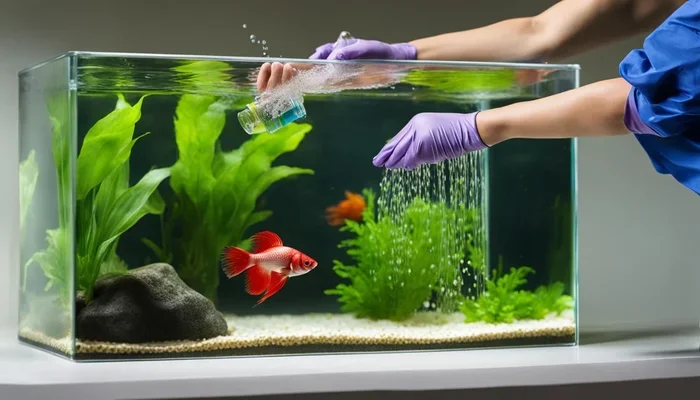
Knowing how often clean betta fish water is one of the most important parts of betta fish care. Most owners need to do a partial water change every one to two weeks, but the exact schedule depends on tank size, filtration, and feeding habits. This guide walks you through everything you need to keep your betta’s water fresh and safe.
Keeping your betta fish in clean water is the single best thing you can do for its health and happiness. But how often clean betta fish water? The answer is not as simple as a fixed number. Several factors play a role, including tank size, filtration, feeding amount, and whether you live alone or with tank mates.
In this guide, we break down everything you need to know about betta fish water cleaning. You will learn the ideal schedule, warning signs that tell you it is time for a change, and the exact steps to follow. By the end, you will feel confident keeping your betta’s environment fresh and safe every single week.
Let us start with the most important question: how often should you actually be cleaning your betta fish water?
Key Takeaways
- Partial water changes every 1-2 weeks are the standard recommendation for most betta tanks.
- Watch for cloudy water, strong odors, and high ammonia as clear signs your betta needs a water change sooner.
- Always treat tap water with a conditioner before adding it to your betta tank to remove harmful chlorine.
- Overcleaning can be just as bad as undercleaning because it strips beneficial bacteria from the tank.
- Tank size and filter type directly affect how often you need to clean the water.
- Testing water parameters regularly helps you catch problems before your fish shows any signs of stress.
📑 Table of Contents
How Often Should You Clean Betta Fish Water?
The general rule is to perform a partial water change every one to two weeks. A partial change means removing about 25 to 30 percent of the water and replacing it with fresh, treated water. This keeps waste products from building up while preserving the good bacteria your tank needs.
However, this is not a one-size-fits-all answer. Here is a quick breakdown based on common setups:
- Small bowls or tanks under 5 gallons: Change 25-30% of the water every 5-7 days. Smaller volumes collect toxins faster.
- Medium tanks (5-10 gallons) with a filter: A partial water change every 7-14 days works well.
- Larger tanks (10+ gallons) with good filtration: You can stretch to every 10-14 days, but testing is still essential.
If you feed your betta more than twice a day or keep the tank in a warm room, waste builds up faster. You may need to clean the water more often. The same goes for tanks without a filter. For more details on water change frequency, check out our guide on how often to change water for betta fish.
Why Regular Water Changes Matter
Bettas produce ammonia through waste and leftover food. Even small amounts of ammonia are toxic to fish. Over time, nitrite and nitrate levels also rise. Regular water changes dilute these harmful substances and keep your betta thriving.
Without consistent cleaning, your betta may develop fin rot, fungal infections, or stress-related illnesses. Dirty water is the number one cause of health problems in home aquariums. Staying on a schedule prevents almost all of these issues.
Signs Your Betta Fish Water Needs Cleaning
Sometimes you cannot stick to a perfect schedule. Life gets busy. That is why knowing the warning signs matters just as much as following a routine. Here are the clearest signals that your betta fish water needs attention:
- Cloudy or murky water: This often means bacteria are blooming due to excess waste. It is a clear sign that a water change is overdue.
- Strong or unpleasant odor: Clean tank water should have little to no smell. A rotten egg or sour smell signals high ammonia levels.
- Algae bloom: Green or brown algae spreading fast means nutrients in the water are out of balance.
- Betta acting lethargic: If your fish stays near the bottom, refuses food, or hides more than usual, the water quality may be the cause.
- Floating debris or uneaten food: Visible waste on the substrate tells you the tank needs maintenance.
If you notice any of these signs, do a water change right away. For step-by-step guidance on cleaning betta water properly, visit our article on how to clean betta fish tank water.
Testing Your Water Parameters
Beyond visual signs, testing your water gives you hard data. You can buy inexpensive test kits that measure ammonia, nitrite, nitrate, and pH. Here are the safe ranges for betta fish:
- Ammonia: 0 ppm (parts per million)
- Nitrite: 0 ppm
- Nitrate: Below 20 ppm
- pH: 6.5 to 7.5
Testing once a week takes only a few minutes and gives you peace of mind. If ammonia or nitrite shows up at any level above zero, do an immediate water change. This is one of the best habits you can build for long-term aquarium maintenance.
Step-by-Step Guide to Cleaning Betta Fish Water
Now that you know the schedule and the warning signs, let us walk through the actual process. Cleaning betta fish water is straightforward once you know the steps. You do not need any special equipment or experience.
Step 1: Gather Your Supplies
Before you start, make sure you have everything ready:
- A bucket or container dedicated to fish use only
- A gravel vacuum or siphon
- Fresh water (dechlorinated)
- A thermometer to match temperatures
- Your tap water conditioner
Step 2: Prepare the Fresh Water
Fill your bucket with fresh water and add the conditioner according to the product instructions. The conditioner removes chlorine and chloramine, which are harmful to bettas. Let the water sit for a few minutes so it reaches room temperature. For detailed instructions on preparing water safely, read our guide on how to prepare water for a betta fish.
Step 3: Remove 25-30% of the Tank Water
Use your gravel vacuum to suck up water from the substrate. This also removes debris and waste trapped in the gravel. Go slowly so you do not disturb your betta too much. Aim to remove about one quarter of the total water volume.
Step 4: Add the Fresh Water
Pour the treated water back into the tank slowly. Try to direct the flow against the glass or a plate to avoid stirring up the substrate. Make sure the new water matches the temperature of the old water. A difference of more than 2 degrees Fahrenheit can stress your betta.
Step 5: Check and Record
After the water change, test the parameters if you have a kit. Note the date and results in a simple log. Over time, this helps you spot patterns and adjust your schedule as needed.
Quick Tips for a Smooth Water Change
- Always wash your hands before handling tank water.
- Never use soap or cleaning chemicals near the tank.
- Do not replace all the water at once. This shocks your betta and kills beneficial bacteria.
- Clean the tank glass while you are at it. Algae buildup looks ugly and affects water quality.
Common Mistakes When Cleaning Betta Fish Water
Even experienced fish keepers make mistakes. Knowing what to avoid saves your betta from unnecessary stress and health problems. Here are the most common errors people make when cleaning betta fish water:
Mistake 1: Changing All the Water at Once
This is the number one mistake new betta owners make. Replacing 100% of the water destroys the beneficial bacteria colony that keeps your tank cycled. Your betta may experience ammonia spikes right after a full water change. Always stick to partial changes of 25-30%.
Mistake 2: Using Unconditioned Tap Water
Tap water contains chlorine and chloramine, which are added to make it safe for humans but toxic to fish. Always use a water conditioner. For a deeper dive into this topic, see our article on how to use tap water conditioner for betta fish.
Mistake 3: Ignoring the Gravel
Debris builds up in the gravel over time. If you only swap out the top water without vacuuming, waste accumulates below the surface. A gravel vacuum during every water change makes a huge difference.
Mistake 4: Overfeeding Before a Water Change
Feeding your betta right before a water change creates extra waste that you are trying to remove. Feed your betta lightly the day of a water change, or skip the meal entirely.
Mistake 5: Neglecting the Filter
Your filter does the heavy lifting between water changes. If you never clean or replace the filter media, it becomes less effective. Rinse filter media in old tank water (never tap water) once a month to keep it running well.
Tips for Keeping Betta Fish Water Clean Longer
Wouldn it be great if you could stretch the time between water changes without risking your betta health? Good news. A few smart habits can help you maintain cleaner water for longer:
- Do not overfeed: Bettas only need a small pinch of food twice a day. Remove any uneaten food after five minutes.
- Add live plants: Plants absorb nitrates and help oxygenate the water naturally. They are a great addition to any betta tank.
- Use a good filter: A sponge filter or gentle hang-on-back filter keeps water circulating and free of debris.
- Clean the tank regularly: Wipe down the glass walls weekly to prevent algae from taking over. For more on this, check out our guide on how to clean algae from betta fish tank.
- Avoid direct sunlight: Sunlight promotes algae growth and can cause temperature swings. Place your tank in a spot with indirect light.
These small changes add up over time. Your betta will live in a healthier environment, and you will spend less time on maintenance each week.
How Tank Size Affects Your Cleaning Schedule
Tank size plays a bigger role than most people realize. A 3-gallon bowl with no filter needs almost daily attention. A 10-gallon tank with a sponge filter can go comfortably between weekly and biweekly water changes. Here is a simple comparison:
- Under 3 gallons, no filter: Partial changes every 3-5 days. Consider upgrading to a larger tank.
- 3-5 gallons, sponge filter: Partial changes every 5-7 days.
- 5-10 gallons, hang-on filter: Partial changes every 7-14 days.
- 10+ gallons, strong filter: Partial changes every 10-14 days with regular testing.
The bigger the tank, the more stable the water parameters. If you currently keep your betta in a tiny bowl, upgrading to a 5-gallon tank is one of the best investments you can make. It gives your betta more room to swim and makes maintenance much easier.
What to Do After a Water Change
A water change can temporarily stress your betta. The water parameters shift, and the temperature may fluctuate slightly. Here is how to help your fish settle in smoothly:
- Watch your betta for the next 24 hours: Look for signs of stress like rapid breathing or hiding.
- Feed lightly: Offer a small amount of food the evening after a water change.
- Check the temperature: Make sure the water is stable between 76 and 82 degrees Fahrenheit.
- Do not clean the filter right away: Wait at least a few days after a water change before touching the filter media.
Most bettas bounce back within a day. If your fish seems off for longer, test the water again. Something may have gone wrong during the process, or there could be an underlying issue.
Final Thoughts
So how often clean betta fish water? The simple answer is every one to two weeks with a partial water change of 25-30%. But the real answer depends on your specific setup, your feeding habits, and how closely you monitor water quality. Staying consistent with your routine is what matters most.
Clean water means a healthy, happy betta fish. It reduces stress, prevents disease, and lets your fish show off its beautiful colors. You do not need expensive equipment or hours of free time. Just a basic routine, the right supplies, and a little attention each week.
Start today. Pick a day that works for you and make it your regular water change day. Your betta will thank you with lively swimming, bright colors, and a long, healthy life. For more betta care tips, explore our full library of articles on betta fish maintenance and water care.
Frequently Asked Questions
How often should I clean my betta fish water?
Perform a partial water change of 25-30% every one to two weeks for most betta setups. Smaller tanks or bowls without filters may need cleaning every 5-7 days. Always test your water parameters to confirm the schedule works for your specific tank.
Can I use tap water directly for my betta fish tank?
No, always treat tap water with a conditioner before adding it to your tank. Tap water contains chlorine and chloramine that are harmful to bettas. A water conditioner removes these chemicals and makes the water safe for your fish.
What happens if I do not clean my betta fish water regularly?
Without regular cleaning, ammonia and nitrite levels rise in the water. These toxins cause stress, illness, and can eventually kill your betta. Signs include cloudy water, strong odors, lethargy, and loss of appetite.
Is it okay to change all the water at once?
No, changing all the water at once is harmful. It destroys beneficial bacteria and causes sudden shifts in water parameters. Stick to partial water changes of 25-30% to keep the tank stable and your betta healthy.
How do I know if the water is safe after a change?
Use a water test kit to check ammonia, nitrite, nitrate, and pH levels. Ammonia and nitrite should read zero, nitrate should be below 20 ppm, and pH should fall between 6.5 and 7.5. Testing takes only a few minutes and gives you confidence in your water quality.
Does feeding affect how often I need to clean the water?
Yes, overfeeding creates extra waste that breaks down into ammonia. Feed your betta small amounts twice a day and remove any uneaten food after five minutes. Less leftover food means cleaner water and longer intervals between water changes.