How Much to Feed Female Betta Fish
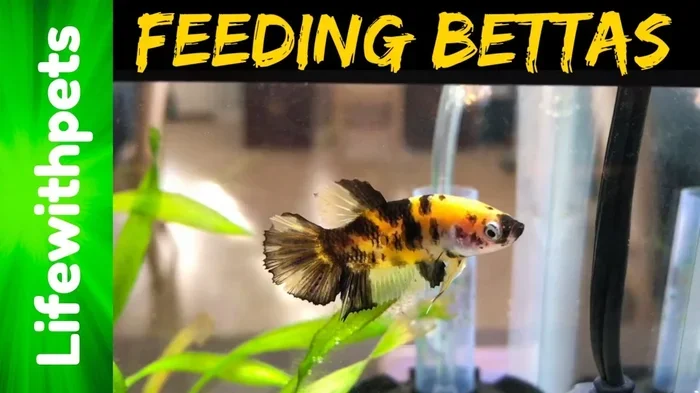
Knowing how much to feed female betta fish is one of the most important parts of keeping them healthy and happy. Female bettas need small, measured portions of high-quality food served one to two times a day. This guide covers everything from portion sizes and feeding frequency to the best food types and common mistakes to avoid.
If you own a female betta fish, you have probably wondered about the right amount of food to give her. How much to feed female betta fish is a question that many new fish owners ask, and it is one of the most important parts of betta care. Overfeeding is one of the leading causes of health problems in bettas, while underfeeding can leave your fish weak and unhappy.
The good news is that feeding your female betta does not have to be complicated. With a little knowledge and a consistent routine, you can keep your fish healthy, active, and thriving. This guide breaks down everything you need to know about portion sizes, feeding frequency, food types, and common mistakes.
Female bettas are slightly smaller than males, but they still have the same basic dietary needs. Their stomachs are tiny, about the size of their eye, which means they do not need a lot of food at each meal. Understanding this simple fact is the first step toward becoming a better betta owner.
Key Takeaways
- Portion Control Matters: Feed your female betta only what she can eat in two minutes to prevent overfeeding and bloating.
- Feeding Frequency: One to two small meals per day is the ideal feeding schedule for a healthy female betta.
- High-Quality Food: Use pellets formulated for bettas as the staple, and supplement with occasional treats like bloodworms or brine shrimp.
- Watch for Warning Signs: A swollen belly, lethargy, or uneaten food floating in the tank are signs you may be overfeeding.
- Consistency Is Key: Stick to a regular feeding routine to keep your female betta’s metabolism and digestion on track.
- Adjust as Needed: Factors like age, activity level, and water temperature can affect how much your betta needs at each meal.
📑 Table of Contents
- Understanding Female Betta Fish Nutritional Needs
- How Much Food to Feed Your Female Betta Fish
- How Often Should You Feed a Female Betta Fish
- Best Types of Food for Female Betta Fish
- Common Feeding Mistakes to Avoid
- Signs Your Female Betta Is Getting the Right Amount of Food
- Adjusting Food Amounts Based on Your Betta’s Life Stage
- Expert Tips for Perfect Betta Feeding
- Conclusion
Understanding Female Betta Fish Nutritional Needs
Female bettas are omnivores, which means they eat both protein and plant matter. In the wild, they consume small insects, larvae, and tiny organisms found in rice paddies and slow-moving waters. Captive bettas need a diet that mimics what they would eat in their natural habitat.
What Makes Up a Healthy Betta Diet
A healthy diet for a female betta includes a mix of protein-rich foods and some plant-based nutrients. Here is what a balanced betta diet looks like:
- High-quality betta pellets: These should make up the bulk of your fish’s meals. Look for pellets with fish meal or shrimp meal listed as the first ingredient.
- Frozen or live foods: Bloodworms, brine shrimp, and daphnia are excellent protein sources that bettas love.
- Occasional plant matter: Small amounts of blanched spinach or peas can add fiber to your betta’s diet.
When you think about how much to feed female betta fish, it helps to understand that variety is good. But variety should never replace a staple diet. Pellets should always be the foundation of every meal.
Why Female Bettas Need Proper Nutrition
Proper nutrition keeps your female betta’s colors vibrant, her immune system strong, and her energy levels up. A well-fed betta will be active, curious, and display beautiful fins. On the other hand, a betta that is not getting the right nutrients may become dull in color, lethargic, or prone to illness.
Female bettas also need the right balance of protein and fiber. Too much protein can lead to digestive issues, while too little can cause malnutrition. This is why following a measured feeding routine is so important.
How Much Food to Feed Your Female Betta Fish
This is the core question every betta owner needs answered. How much to feed female betta fish depends on a few factors, but the general rule is simple: give your betta only a small amount at each feeding.
The Two-Minute Rule
The most popular and reliable method for determining portion size is the two-minute rule. Drop a small amount of food into the tank and watch your betta eat. If she finishes everything within two minutes, the portion is about right. If there is food left over after two minutes, you have given too much.
Uneaten food is a problem for several reasons. It decays in the water, which raises ammonia levels and can harm your fish. It also wastes food and money. Always remove any leftover food after feeding time is over.
How Many Pellets Per Feeding
For most female bettas, two to four pellets per feeding is the sweet spot. The exact number depends on the size of the pellets and the size of your fish. Some brands make smaller pellets that are perfect for bettas, while others produce larger ones that may be too big for a single meal.
If you are unsure about how many pellets to feed a betta fish, start with two pellets per feeding and adjust from there. Watch your betta’s appetite and body condition over the next week. If she finishes everything eagerly, you can add one more pellet. If food is left behind, reduce the amount.
Portion Size for Other Food Types
Not all betta foods come in pellet form. Here is a quick guide to portion sizes for different food types:
- Frozen bloodworms: One small cube, thawed and cut into pieces, is enough for one feeding.
- Brine shrimp: A small pinch, about the size of a pea, is sufficient per meal.
- Daphnia: Two to three small pieces per feeding works well for most female bettas.
- Freeze-dried foods: These expand in water, so use even less than you think you need. One or two pieces are usually enough.
Remember that treats like bloodworms and brine shrimp should not replace the main pellet diet. Think of them as supplements that add variety and extra nutrition.
How Often Should You Feed a Female Betta Fish
Feeding frequency is just as important as portion size when it comes to how much to feed female betta fish. A consistent feeding schedule helps regulate your betta’s digestion and keeps her metabolism working properly.
The Ideal Feeding Schedule
For most female bettas, one to two feedings per day is the ideal routine. Here are two common approaches:
- One feeding per day: Give your betta her full daily portion in one meal. This works well if you prefer a simple routine and your betta eats well at one sitting.
- Two feedings per day: Split the daily portion into two smaller meals, one in the morning and one in the evening. This can help with digestion and keeps your betta more active throughout the day.
Many experienced fish keepers prefer the two-feeding approach because it more closely mimics how bettas would eat in the wild. Small meals throughout the day are more natural for these fish.
Can You Skip a Day of Feeding?
Yes, skipping one day of feeding per week can actually be beneficial for your betta. It gives her digestive system a break and helps prevent constipation and bloating. Some owners fast their bettas on Sundays or a day that is easy to remember.
Fasting once a week is a healthy practice and is widely recommended by aquarists. Just make sure that the other six days of the week follow a consistent and measured feeding routine.
How Often to Feed a Betta Fish According to Experts
Most veterinarians and experienced betta keepers agree that how often to feed a betta fish should be based on the fish’s age and activity level. Younger, more active bettas may do well with two feedings a day, while older or less active bettas may only need one feeding every day or even every other day.
If you are ever unsure, it is better to feed a little less than a little more. Bettas are resilient fish, but their digestive systems are sensitive. When in doubt, reduce the portion slightly and observe how your fish responds.
Best Types of Food for Female Betta Fish
Choosing the right food is a big part of getting the feeding amount right. Not all fish foods are created equal, and some are much better suited for bettas than others.
Top Food Choices for Bettas
- Betta-specific pellets: These are specially formulated to meet the nutritional needs of bettas. They sink slowly, which is ideal because bettas prefer to eat from the middle or top of the water column.
- High-quality flakes: While not as common for bettas, some high-quality flakes work well. Just make sure they are designed for tropical carnivorous fish.
- Frozen foods: Frozen bloodworms, brine shrimp, and daphnia are excellent occasional treats that provide a protein boost.
- Freeze-dried foods: These are convenient and long-lasting. Just soak them in tank water before feeding to prevent them from expanding in your betta’s stomach.
- Live foods: Live brine shrimp or micro worms are the closest thing to a wild betta diet. They are excellent for picky eaters and breeding females.
Foods to Avoid
Some foods that are common in other fish tanks can be harmful to bettas. Here are some foods to keep away from your female betta:
- Goldfish food: It does not have the right protein content for bettas and can lead to nutritional deficiencies.
- Tropical flake food for community tanks: These are often too low in protein and too high in fillers.
- Bread or crackers: These offer no nutritional value and can cause serious digestive problems.
- Human food in general: Avoid feeding your betta any food meant for humans, as it can contain harmful ingredients and additives.
Common Feeding Mistakes to Avoid
Even the most loving betta owners can make feeding mistakes. Being aware of these common errors can help you keep your female betta healthy and happy.
Overfeeding
Overfeeding is the number one mistake people make with bettas. It is easy to think your fish is hungry, especially when she swims to the front of the tank and acts hungry. But bettas are opportunistic eaters and will eat even when they are full. Overfeeding leads to bloating, constipation, and poor water quality.
If you notice your betta’s belly looks swollen or she is producing long, stringy feces, you may be feeding her too much. Reduce the portion size and consider adding a fasting day to her weekly routine.
Underfeeding
While overfeeding is more common, underfeeding can also be a problem. Signs of an underfed betta include weight loss, faded colors, and low energy. If your betta is consistently leaving food uneaten and losing weight, try increasing the portion slightly or switching to a more appealing food type.
Inconsistent Feeding Schedules
Bettas thrive on routine. Feeding at different times each day or skipping meals randomly can stress your fish and disrupt her internal clock. Try to feed your betta at the same times every day. This makes it easier to monitor her appetite and spot any changes early.
Ignoring Water Quality
Overfeeding does not just affect your betta directly. Uneaten food decays in the water and raises ammonia and nitrite levels, which can be toxic. Always clean up any uneaten food within a few minutes of feeding. A small net or turkey baster works well for this task.
Signs Your Female Betta Is Getting the Right Amount of Food
It is important to regularly check that your feeding routine is working well for your fish. Here are some signs that your female betta is getting the right amount of food:
- Bright, vibrant colors: A well-fed betta will display rich, deep colors on her fins and body.
- Active and curious behavior: She will explore her tank, respond to your presence, and swim actively.
- Healthy appetite: She will eat eagerly at feeding time and finish her food within a couple of minutes.
- Regular waste production: Healthy betta feces should be brown or tan and well-formed, not stringy or white.
- Good body condition: Her body should be plump but not bloated, with a smooth, streamlined shape.
If you notice any of these signs, your feeding routine is on the right track. If something seems off, adjust the portion size or frequency and monitor your betta over the next few days.
Adjusting Food Amounts Based on Your Betta’s Life Stage
The amount of food your female betta needs can change as she goes through different life stages. Understanding these changes helps you provide the best care at every point in her life.
Young Female Bettas
Young bettas, especially those under six months old, grow quickly and need more frequent feedings. You may want to feed a young female betta two to three times a day with small portions. The food should be high in protein to support healthy growth and development.
Adult Female Bettas
Adult bettas, typically over one year old, have slower metabolisms and do not need as much food. Stick to the standard one to two feedings per day with the portion sizes described earlier in this guide.
Senior Female Bettas
Older bettas may become less active and have a reduced appetite. If your senior betta seems uninterested in food, try offering smaller portions or switching to softer foods like frozen brine shrimp. Some older bettas benefit from being fed every other day instead of daily.
Expert Tips for Perfect Betta Feeding
Here are some extra tips from experienced betta keepers that can make a big difference in your feeding routine:
- Soak pellets before feeding: This helps them sink more slowly and prevents them from expanding in your betta’s stomach.
- Use a feeding ring: A feeding ring keeps food in one place so your betta can eat easily and you can remove uneaten food.
- Rotate food types: Switching between pellets, frozen foods, and live foods keeps your betta interested and ensures a balanced diet.
- Watch your betta during feeding: This is a great time to check for any signs of health issues, such as difficulty eating or unusual behavior.
- Keep a feeding log: Writing down when and how much you feed your betta helps you stay consistent and track any changes in appetite.
Feeding your female betta does not have to be stressful. With a little planning and attention, you can create a routine that works for both you and your fish. The most important thing is to stay consistent and watch your betta’s body language for clues about whether she is getting enough or too much food.
Conclusion
Learning how much to feed female betta fish is one of the most valuable skills you can develop as a betta owner. The key takeaways are simple: keep portions small, feed one to two times a day, use high-quality pellets as the staple diet, and watch for signs of overfeeding or underfeeding. Every betta is a little different, so do not be afraid to adjust the routine until you find what works best for your fish.
A well-fed female betta is a beautiful, active, and healthy fish that will bring you joy for years to come. Stick to the guidelines in this article, stay consistent, and enjoy the rewarding experience of caring for your betta. With the right feeding routine, your female betta will thrive and show off her stunning colors every day.
Frequently Asked Questions
How many pellets should I feed my female betta fish per day?
Most female bettas do well with four to eight pellets per day, split into one or two feedings. The exact number depends on the size of the pellets and your fish’s activity level. Start with a small amount and adjust based on how quickly your betta eats and her body condition.
Can I feed my female betta fish every other day?
Yes, feeding every other day can work for some bettas, especially older or less active ones. However, most female bettas do best with a daily feeding routine. If you choose to feed every other day, make sure the portions are large enough to meet her nutritional needs for that day.
What happens if I overfeed my female betta fish?
Overfeeding can cause bloating, constipation, and poor water quality. Uneaten food decays in the tank and raises ammonia levels, which is harmful to your fish. If you suspect overfeeding, reduce the portion size, add a fasting day, and monitor your betta’s behavior closely.
Is it okay to feed my female betta fish only pellets?
Pellets should be the foundation of your betta’s diet, but adding variety with occasional treats like bloodworms or brine shrimp is beneficial. A varied diet provides a wider range of nutrients and keeps your betta interested in her food.
How do I know if my female betta fish is hungry?
A hungry betta may swim to the front of the tank and beg for food. However, bettas are naturally eager eaters and will often act hungry even when they are not. Always stick to a measured feeding schedule rather than responding to begging behavior, which is often just instinct.
How much should I feed a pregnant female betta fish?
A pregnant or gravid female betta may need slightly more food than usual to support egg production. Offer small, frequent meals with high-protein foods like frozen bloodworms or brine shrimp. Monitor her body condition and adjust portions carefully to avoid overfeeding during this sensitive time.