How Much Tank Space Does a Betta Fish Need
Knowing how much tank space a betta fish needs is the single most important decision you will make for your pet’s health and happiness. A betta fish needs at least a 5-gallon tank, but larger tanks between 10 and 20 gallons offer even better water quality and more swimming room. Understanding the right tank size helps prevent stress, disease, and premature death in your betta.
If you have a betta fish or are thinking about getting one, the first question you should ask is: how much tank space does a betta fish need. This is not just a random detail. The amount of space your betta has directly affects its health, happiness, and lifespan. Many new fish keepers make the mistake of buying a tiny bowl or a small vase and expecting their betta to thrive. The truth is, betta fish need room to swim, explore, and feel safe.
In this guide, we will break down everything you need to know about betta fish tank size. We will cover the minimum tank size, why bigger tanks are better, common mistakes to avoid, and how to set up the perfect home for your betta. By the end, you will have all the knowledge you need to give your fish the best possible life.
Betta fish are often sold in small cups at pet stores, and this creates a false impression of how much space they actually need. In the wild, bettas live in shallow rice paddies, streams, and flood plains in Southeast Asia. While the water may be shallow, the area these fish cover can be quite large. Understanding this natural behavior helps you realize that betta fish habitat requirements go far beyond a tiny container.
Key Takeaways
- Minimum tank size: A betta fish needs at least 5 gallons of water to stay healthy and active.
- Bigger is always better: Tanks between 10 and 20 gallons provide stable water parameters and more swimming space.
- Small bowls are harmful: Bowls under 1 gallon cause stress, poor water quality, and shorten your betta’s lifespan.
- Tank shape matters: Wide, horizontal tanks give your betta more surface area for oxygen exchange than tall, narrow tanks.
- More space means easier maintenance: Larger tanks dilute waste faster and require less frequent water changes.
- Tank setup is just as important: Filtration, heating, and proper decoration all play a role in your betta’s comfort and health.
📑 Table of Contents
- How Much Tank Space Does a Betta Fish Need
- Why Bigger Tanks Are Better for Betta Fish
- Common Mistakes About Betta Fish Tank Size
- What Kind of Tank Does a Betta Fish Need
- How to Set Up the Perfect Betta Tank
- How Tank Size Affects Your Betta’s Health and Lifespan
- How Often Should You Clean a Betta Tank
- Conclusion
How Much Tank Space Does a Betta Fish Need
The short answer is that how much tank space a betta fish needs starts at 5 gallons. This is the widely accepted minimum among experienced fish keepers and veterinarians alike. A 5-gallon tank gives your betta enough room to swim comfortably and provides enough water volume to keep toxins like ammonia and nitrite at safe levels.
Why 5 Gallons Is the Minimum
A 5-gallon tank is the smallest size that can properly cycle and maintain stable water conditions. In a smaller container, water parameters can swing wildly. These swings stress your fish and make it much harder to keep your betta healthy. How much space a betta fish really needs depends on several factors, including whether you plan to keep other fish with your betta.
In a 5-gallon tank, you can add a small filter, a heater, and some plants and decorations. This setup gives your betta a comfortable and enriching environment. You will also find that maintaining water quality is much easier in a 5-gallon tank compared to anything smaller.
How Much Water Does a Betta Fish Need
Beyond just the tank size, you also need to think about water volume and how it affects your fish. How much water a betta fish needs ties directly into the overall tank capacity. More water means more dilution of waste products. This leads to a more stable environment and less work for you as the owner.
Here is a quick comparison of tank sizes and what they mean for your betta:
- 1 gallon (or less): Too small. Water parameters crash quickly. Not suitable for long-term betta care.
- 3 gallons: Slightly better but still too small for stable conditions. Difficult to heat and filter properly.
- 5 gallons: The minimum recommended size. Good for a single betta with basic equipment.
- 10 gallons: A great size. Offers more stability, swimming room, and room for plants and decor.
- 20 gallons or more: The ideal setup. Provides excellent water stability and a rich environment for your betta.
As you can see, going with a 10 or 20 gallon tank makes a huge difference. Even if 5 gallons is the minimum, choosing a larger tank is one of the best things you can do for your fish.
Why Bigger Tanks Are Better for Betta Fish
Many people wonder if bettas really need a big tank since they are small fish. The answer is yes, and here is why. How big a tank for betta fish should be depends on the benefits that come with more water volume.
Water Stability
In a larger tank, toxins like ammonia and nitrite are diluted across more water. This means the water stays cleaner longer and changes happen more gradually. Your betta thrives in stable conditions. A 20-gallon tank will hold parameters steady much longer than a 5-gallon tank, even with the same maintenance routine.
More Swimming Room
Betta fish are active swimmers. They like to explore and move around. In a cramped tank, your fish may become lethargic or stressed. A larger tank gives your betta the freedom to swim freely and exhibit natural behaviors. This leads to a happier, healthier fish with brighter colors and more energy.
Easier Maintenance
It might seem counterintuitive, but bigger tanks are actually easier to maintain. In a small tank, a single mistake can be dangerous very quickly. In a larger tank, you have more room for error. Water changes are still necessary, but they are less frequent and less urgent when you have more water volume.
Common Mistakes About Betta Fish Tank Size
There are many misconceptions about betta fish and their space requirements. Let us clear up the most common mistakes so you can give your fish the best home possible.
Myth: Bettas Can Live in Tiny Bowls
This is the most dangerous myth in the fishkeeping world. Betta fish are often sold in small cups or decorative bowls at pet stores. While a betta can survive in a small bowl for a short time, it will not thrive. Bowls under 1 gallon do not provide enough space, oxygen, or room for beneficial bacteria. Over time, your betta will become stressed and sick.
Myth: Bettas Don’t Need a Filter
Some people think that because bettas live in slow-moving water in the wild, they do not need a filter. While bettas prefer gentle water flow, a filter is still essential. A filter removes harmful waste and supports the nitrogen cycle. When choosing a filter for your tank, look for one with adjustable flow so you can keep it gentle for your betta.
Myth: Bettas Are Fine in Vases with Plants
The “betta vase” trend has been popular for years. These vases are often too small and lack proper filtration and heating. While plants are great for a betta tank, they cannot replace the need for adequate space and proper equipment. Your betta needs both the swimming room and clean water to stay healthy.
What Kind of Tank Does a Betta Fish Need
Choosing the right what kind of tank a betta fish needs involves more than just picking a size. The shape, material, and features of the tank all matter.
Tank Shape and Dimensions
Wide, horizontal tanks are better for bettas than tall, narrow ones. Bettas are labyrinth fish, which means they breathe air from the surface. A wider tank gives them more surface area to access oxygen. It also gives them more horizontal swimming space, which they prefer.
Avoid tanks that are too tall with very little floor space. These waste vertical space that your betta cannot really use. A long tank shape is ideal for betta fish.
Tank Material
Glass tanks are the most popular choice. They are scratch-resistant and give a clear view of your fish. Acrylic tanks are lighter and can be shaped more creatively, but they scratch more easily. For a betta setup, a standard glass tank works perfectly well.
Does a Betta Fish Need a Heater
Yes, betta fish need a heater. They are tropical fish and need warm water between 76 and 82 degrees Fahrenheit. A small, adjustable heater is essential for any betta tank, regardless of size. Without proper heating, your betta’s immune system weakens and it becomes vulnerable to disease.
How to Set Up the Perfect Betta Tank
Now that you know the right tank size, let us talk about how to set up the perfect home for your betta. A proper setup goes beyond just the tank itself.
Step 1: Choose the Right Tank
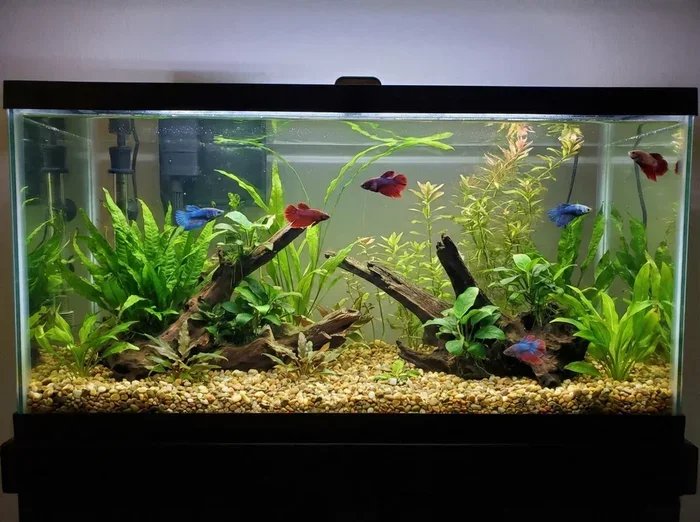
Start with at least a 5-gallon tank. If you have the space, go with 10 or 20 gallons. Make sure the tank has a lid, because bettas can jump. A tight-fitting lid also helps maintain humidity and warmth.
Step 2: Add Filtration
Choose a gentle sponge filter or a hang-on-back filter with adjustable flow. Betta fish do not like strong currents. A filter that is too powerful can stress your fish and make it hard for them to swim. Adjust the flow to a gentle level.
Step 3: Install a Heater
Use a submersible heater rated for your tank size. Set the temperature to around 78 to 80 degrees Fahrenheit. A thermometer is also a good idea so you can monitor the temperature daily.
Step 4: Decorate Thoughtfully
Add plants, caves, and hiding spots to make your betta feel safe. Live plants are excellent because they help filter the water and provide natural cover. Avoid sharp decorations that could tear your betta’s delicate fins. Soft silk plants and smooth rocks are great choices.
Step 5: Cycle the Tank
Before adding your betta, make sure the tank is fully cycled. Cycling establishes beneficial bacteria that break down harmful toxins. This process takes about 4 to 6 weeks. You can speed it up with bottled bacteria starters, but patience is key. A properly cycled tank is the foundation of good betta care.
If you are new to fishkeeping, check out our guide on how to set up a fish tank for betta fish for a detailed walkthrough of each step.
How Tank Size Affects Your Betta’s Health and Lifespan
The connection between tank size and betta health is strong and well-documented. Fish kept in too-small environments show signs of stress more quickly. They may stop eating, become aggressive, or develop diseases more often. Providing enough space is one of the simplest and most effective things you can do to support your betta’s well-being.
Studies and experienced aquarists agree that bettas kept in appropriately sized tanks live longer and display more natural behaviors. Your betta will be more colorful, more active, and more engaged with its environment. This is especially true when the tank is properly decorated with plants, caves, and open swimming areas.
If you want to give your betta the best chance at a long, healthy life, investing in the right tank size is the first and most important step. Whether you choose a 5-gallon starter tank or a 20-gallon setup, your betta will thank you with vibrant colors and lively behavior every day.
How Often Should You Clean a Betta Tank
Tank maintenance plays a big role in your betta’s health. Even with the right tank size, you still need to perform regular water changes. In a 5-gallon tank, aim for a 25 to 30 percent water change every week. In a 10 or 20 gallon tank, you can do 30 to 40 percent water changes weekly or biweekly, depending on your setup.
Always use a gravel vacuum during water changes to remove waste from the substrate. Test your water parameters regularly with a liquid test kit. This helps you catch problems before they become serious. Keeping the tank clean is essential, but remember that overcleaning can also be harmful. You do not want to strip all the beneficial bacteria from your tank.
For more detailed cleaning tips, check out our article on how often to clean a betta fish tank.
Conclusion
Understanding how much tank space a betta fish needs is the foundation of good betta care. The minimum is 5 gallons, but going bigger with 10 or 20 gallons gives your fish a better quality of life. A properly sized tank provides stable water conditions, plenty of swimming room, and a healthy environment for your betta to thrive.
Avoid common mistakes like keeping your betta in a tiny bowl or vase. Invest in a proper tank with filtration, heating, and thoughtful decoration. Your betta fish will reward you with vibrant colors, active behavior, and a long, healthy life. Start with the right tank size, and you will be setting both yourself and your fish up for success.
Frequently Asked Questions
Can a betta fish live in a 1-gallon tank?
A betta fish can survive in a 1-gallon tank, but it will not thrive. Such a small volume causes rapid swings in water parameters, which leads to stress and health problems. A 5-gallon tank is the true minimum for keeping a betta healthy and happy.
Is a 3-gallon tank big enough for a betta fish?
A 3-gallon tank is better than a bowl but still too small for ideal betta care. It is hard to maintain stable water quality in such a small volume. If you can, upgrade to at least a 5-gallon tank for the best results.
How big of a tank do betta fish need if I want to keep more than one?
Betta fish are generally solitary and should not be housed together. If you want to keep other fish with your betta, you will need at least a 10-gallon tank with peaceful, non-aggressive tank mates. Always research compatibility before adding any new fish.
Does tank shape matter for betta fish?
Yes, tank shape matters. Wide, horizontal tanks give bettas more surface area for oxygen exchange and more room to swim. Tall, narrow tanks waste space that bettas cannot really use. A long tank shape is the best choice for betta fish.
What is the ideal tank size for a single betta fish?
The ideal tank size for a single betta fish is 10 to 20 gallons. This provides excellent water stability, plenty of swimming room, and room for plants and decorations. A 5-gallon tank works as a minimum, but bigger is always better for your fish’s health.
How does tank size affect how often I need to clean the tank?
Larger tanks require less frequent water changes because the water volume dilutes waste more effectively. In a 5-gallon tank, weekly 25 to 30 percent water changes are recommended. In a 10 or 20 gallon tank, you can extend cleaning intervals while still maintaining excellent water quality.