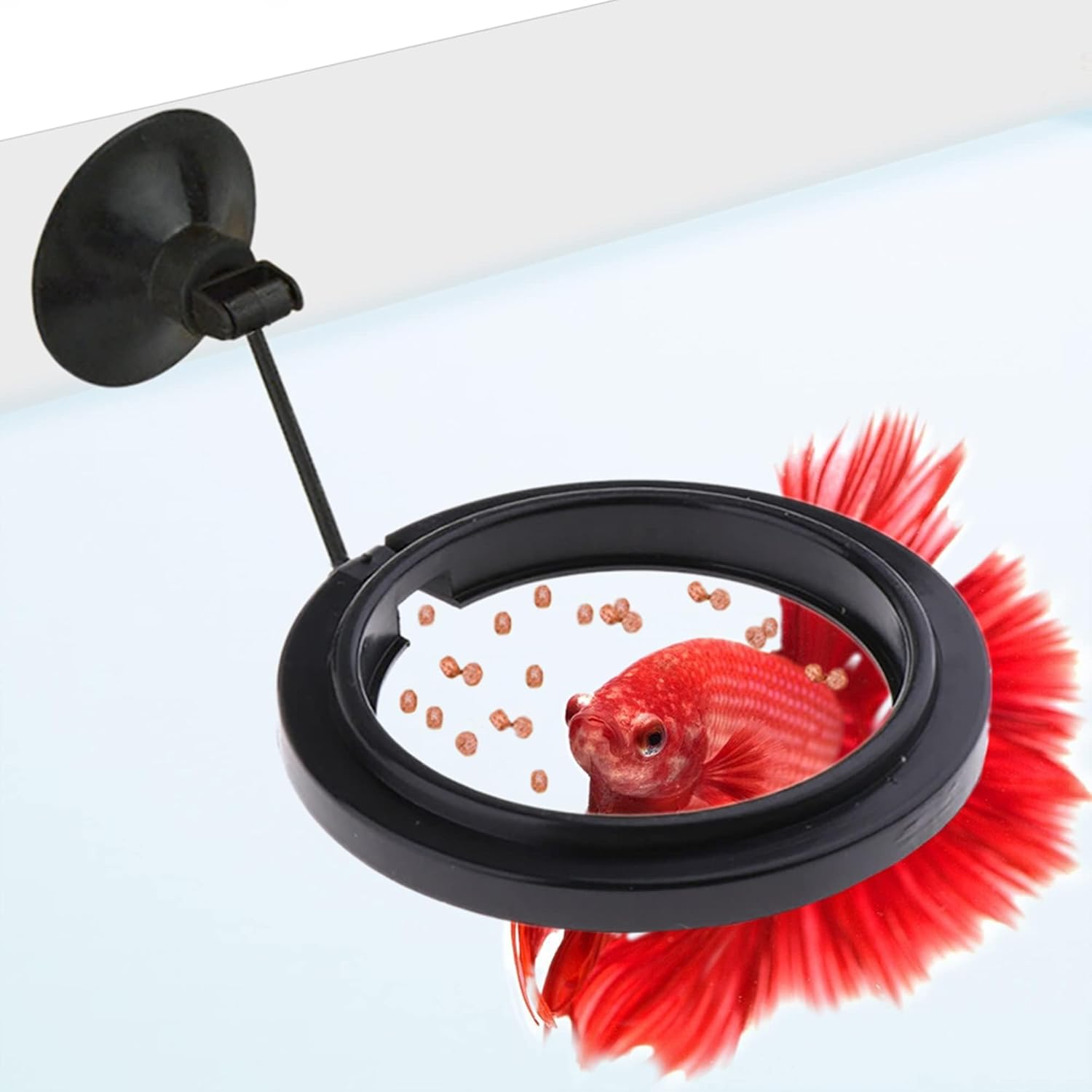
How Much Space Will a Betta Fish Defend

Betta fish are naturally territorial creatures, and understanding how much space a betta fish will defend is essential for keeping them healthy and stress-free. A betta will claim and defend a specific area in its tank, and the size of that territory depends on tank size, setup, and surroundings. Providing adequate space reduces aggression, prevents stress, and helps your betta thrive. This guide covers everything you need to know about betta territory, from ideal tank sizes to practical setup tips.
Key Takeaways
- Betta fish defend a territory based on tank size: A larger tank gives them more space to claim without becoming overly aggressive.
- A minimum of 5 gallons is recommended: Smaller tanks cause stress and increase territorial behavior in bettas.
- Watch for flaring, chasing, and hiding: These are clear signs your betta is defending or feeling threatened in its space.
- Tank setup matters a lot: Plants, caves, and decorations help define territory and reduce conflict.
- Overcrowding triggers aggression: Too many tank mates or cramped conditions make bettas defensive.
- Water quality affects behavior: Poor water conditions increase stress and territorial outbursts.
- Male bettas are more territorial: They defend larger areas than females, especially in small tanks.
📑 Table of Contents
- Understanding Betta Fish Territorial Behavior
- How Much Space Will a Betta Fish Defend?
- Signs That Your Betta Fish Is Defending Its Space
- Factors That Influence How Much Space a Betta Fish Will Defend
- How to Set Up the Right Tank for Your Betta Fish
- Common Mistakes That Trigger Excessive Territorial Behavior
- Final Thoughts
Understanding Betta Fish Territorial Behavior
Betta fish are famous for their vibrant colors and flowing fins. But beneath that beauty lies a strong instinct to protect their space. If you have ever seen a betta flare its gills and spread its fins, you have witnessed territorial behavior in action. This is completely natural for these fish.
In the wild, bettas live in shallow rice paddies, streams, and stagnant ponds across Southeast Asia. They have evolved to claim small patches of territory where they can eat, rest, and build bubble nests. When you keep a betta in a tank, that same instinct kicks in. The fish will identify a area it considers “theirs” and defend it against anything that enters.
How much space will a betta fish defend depends on several factors. Tank size, tank mates, decorations, and water conditions all play a role. A betta in a tiny bowl may become aggressive toward anything that moves. A betta in a well-planted 10-gallon tank may only guard a small corner. Understanding this helps you create a better environment for your fish.
Many new betta owners make the mistake of thinking these fish are low-maintenance because they are sold in small cups at pet stores. That could not be further from the truth. Betta fish need proper space to express their natural behaviors without becoming stressed or aggressive.
Why Do Betta Fish Become Territorial?
Territorial behavior in bettas comes from their biology. Male bettas, in particular, are built to protect a space. In the wild, a male betta claims a small area where he builds a bubble nest. He guards eggs and fry in that space. If another male enters, the defending betta fights to protect his territory.
This behavior serves an important purpose. It ensures access to food, mating opportunities, and shelter. In a home aquarium, the same instincts remain even if there are no other bettas around. Your fish may flare at its own reflection, chase tank mates, or refuse to leave a favorite spot.
Do betta fish like a lot of space? The answer is yes. While they do not need massive aquariums, they do need enough room to establish territory without feeling constantly threatened. Giving them adequate space reduces stress and promotes natural, healthy behavior.
How Much Space Will a Betta Fish Defend?
The answer to this question depends on the tank size and setup. A betta will defend whatever space it considers its own. In a small tank, that territory might be just a few inches. In a larger tank, the defended area can be much bigger.
How much space does a betta fish really need to feel comfortable? Most experts agree that a minimum of 5 gallons is the starting point. However, 10 gallons or more is ideal. In a 5-gallon tank, a betta may claim the entire tank as its territory. In a 10-gallon tank, the fish may only defend a portion while leaving other areas as neutral zones.
| Tank Size | Territory Size | Stress Level | Aggression Risk |
|---|---|---|---|
| 1-2 gallons | Entire tank | Very High | Very High |
| 3-5 gallons | Most of the tank | High | High |
| 5-10 gallons | Half to full tank | Moderate | Moderate |
| 10+ gallons | Small portion | Low | Low |
| 20+ gallons | Minimal | Very Low | Very Low |
As you can see, bigger tanks give your betta more room to breathe and less reason to feel defensive. The fish does not need to constantly guard every inch of the tank. This leads to a calmer, happier fish.
The Ideal Tank Size for Territory
If you want to minimize territorial stress, go with at least a 10-gallon tank. This gives your betta enough room to establish a comfortable territory without feeling trapped. The fish can swim freely, explore different areas, and retreat to quiet spots when needed.
How much water does a betta fish need for a healthy territory? At minimum, plan for about 5 gallons of water per betta. But if you plan to add tank mates or live plants, aim for 10 gallons or more. More water also means more stable water parameters, which directly reduces stress.
How Tank Size Affects Territorial Behavior
In a very small tank, a betta has nowhere to escape. Every corner feels like part of its defended territory. This constant state of alertness leads to chronic stress. Stressed bettas are more likely to develop health problems, lose their color, and stop eating.
In a larger tank, the betta can spread out. It may choose a favorite spot near a plant or cave and defend that area. The rest of the tank becomes neutral ground. This setup mimics what bettas experience in their natural habitat and keeps them much happier.
How much to feed a betta fish also plays a role here. Overfeeding in a small tank creates waste that degrades water quality faster. Poor water quality increases stress, which increases territorial aggression. So tank size affects not just space but overall tank health.
Signs That Your Betta Fish Is Defending Its Space
Knowing the signs of territorial behavior helps you respond before things escalate. Bettas communicate through body language, and once you learn to read it, you can adjust their environment accordingly.
Behavioral Warning Signs
- Flaring: The betta spreads its gills and fins wide to appear larger. This is a direct challenge to anything it sees as a threat.
- Chasing: Your betta swims aggressively after other fish or even its own reflection. This means it is actively defending its area.
- Hiding and refusing to come out: Some bettas become so stressed by territorial pressure that they hide constantly. This is a sign of overwhelm.
- Bubble nest building in corners: A betta that builds a nest in a tight corner is claiming that small space as its territory.
- Refusing food: Territorial stress can suppress appetite. If your betta stops eating, check the tank setup.
Physical Signs of Stress
Beyond behavior, watch for physical signs. Clamped fins (fins held close to the body), faded color, and rapid breathing all indicate that your betta is under pressure. These signs often appear when the fish feels it cannot adequately defend its space or when tank mates are too close.
If you notice these signs, act quickly. Reducing tank density, adding more hiding spots, or moving the betta to a larger tank can make a dramatic difference.
Factors That Influence How Much Space a Betta Fish Will Defend
Not all bettas defend the same amount of space. Several factors shape territorial behavior. Understanding these helps you design the best possible setup.
Tank Setup and Decorations
The way you arrange your tank directly affects how your betta perceives its territory. Lots of plants, caves, and decorations break up the space into smaller zones. This gives the betta multiple areas to claim and retreat to.
Live plants are especially helpful. They create natural boundaries and provide hiding spots. Fake plants work too, but choose soft silk varieties that will not tear the betta’s delicate fins. Sharp plastic plants can cause injuries and increase stress.
A well-decorated tank also reduces the chance of your betta seeing its own reflection. Reflections trigger territorial responses because the betta thinks another male has entered its space. Adding floating plants or background decorations helps break up reflections.
Tank Mates and Compatibility
Can betta fish live with other fish? Yes, but carefully. The wrong tank mates will trigger constant territorial defense. Choose peaceful, non-fin-nipping species that occupy different levels of the tank.
Good tank mates for bettas include:
- Neon tetras
- Corydoras catfish
- Harlequin rasboras
- Snails (like mystery snails)
- Amano shrimp
Avoid keeping two male bettas together. They will fight, and one or both may sustain serious injuries. Even two female bettas can be aggressive if the tank is too small to establish separate territories.
Water Conditions
Clean, warm water keeps bettas calm. Dirty water or temperature fluctuations cause stress, which amplifies territorial behavior. How much water does a betta fish need? Enough to maintain stable parameters. A larger volume of water dilutes waste and keeps ammonia and nitrite levels low.
Keep the temperature between 76°F and 82°F. Test the water weekly for ammonia, nitrite, and nitrate. Perform regular water changes of about 25% per week. A stable environment means a less defensive betta.
How to Set Up the Right Tank for Your Betta Fish
Setting up the right tank is the single best thing you can do to manage territorial behavior. A proper setup gives your betta enough space to claim territory without feeling constantly under threat.
Best Tank Size Recommendations
Start with at least a 5-gallon tank. For the best results, go with 10 gallons or larger. Here is a quick comparison of tank sizes and what they offer:
- 5 gallons: Minimum for one betta. The fish may claim the entire tank as territory. Works well for a solo betta with basic decorations.
- 10 gallons: Ideal for one betta. Enough room for plants, hiding spots, and a small filter. The betta can establish a territory without stress.
- 20 gallons: Excellent for a betta with peaceful tank mates. Plenty of space for everyone to have their own zones.
Setting up a fish tank for betta fish does not need to be complicated. Focus on gentle filtration, a heater, live or silk plants, and a few hiding spots. Avoid strong currents because bettas prefer calm water.
Creating Territories Without Stress
The goal is not to eliminate territory. Bettas need some sense of ownership to feel secure. The goal is to give them enough space that defending territory does not become exhausting.
Arrange plants and decorations to create visual barriers. This lets your betta see clear boundaries between zones. Add a cave or two for retreat spots. Include a flat leaf or betta hammock near the surface for resting.
How to take care of a betta fish starts with the right environment. A well-planned tank reduces territorial aggression naturally. Your fish will spend less time flaring and more time displaying its beautiful colors and swimming freely.
Common Mistakes That Trigger Excessive Territorial Behavior
Many betta owners unintentionally trigger territorial aggression. Knowing these mistakes helps you avoid them and keep your fish healthy.
Overcrowding the Tank
Putting too many fish in a small tank is the fastest way to trigger territorial warfare. Every fish needs its own space. When space is limited, bettas feel trapped and become aggressive. Overcrowding also degrades water quality quickly, adding another layer of stress.
Rule of thumb: one betta per tank, plus a few peaceful companions in a tank of at least 10 gallons. Do not add more fish just because the tank looks empty. Give your betta room to breathe.
Poor Tank Layout
A bare tank with no decorations gives your betta nowhere to hide and no way to break up its territory. The fish sees the entire tank as one open space and feels the need to defend all of it. This constant vigilance leads to exhaustion and stress.
On the other hand, a cluttered tank with too many obstacles can also cause problems. Your betta needs open swimming space as well as hiding spots. Aim for a balanced layout with about 40% open swimming area and 60% planted or decorated areas.
Ignoring Water Quality
Dirty water is a silent stressor. Many owners forget that territorial behavior can be a symptom of poor water conditions. If your betta suddenly becomes aggressive, test the water before assuming it is just a temperament issue.
Perform regular water changes, vacuum the substrate, and keep the filter running properly. A clean tank is a calm tank.
Final Thoughts
Understanding how much space a betta fish will defend is the key to keeping a happy, healthy fish. Bettas are territorial by nature, and that is not a bad thing. It is simply part of who they are. Your job as an owner is to give them enough space to express that behavior without feeling constantly on edge.
Start with a tank that is at least 5 gallons, preferably 10 gallons or more. Decorate thoughtfully with plants, caves, and open swimming areas. Monitor your betta for signs of stress and adjust the setup as needed. Keep the water clean and warm. Choose tank mates carefully.
A well-set-up tank does more than manage territorial behavior. It gives your betta a chance to thrive, display its colors, and show its natural personality. When your betta has enough space to defend and enough room to relax, you will see a much happier fish. That is the real reward of getting the tank size and setup right.
Take what you have learned here and apply it to your betta’s home. Small changes in tank size and layout can make a huge difference in your fish’s quality of life. Your betta will thank you with vibrant colors, calm behavior, and a long, healthy life.
Frequently Asked Questions
How much space does a betta fish need to stay healthy?
A minimum of 5 gallons is recommended for a single betta fish. However, 10 gallons or more is ideal because it provides stable water conditions and enough room for the fish to establish territory without constant stress. Larger tanks are always better for betta health and behavior.
Can a betta fish defend too much space?
Yes, in a very small tank, a betta may try to defend the entire container, which leads to exhaustion and chronic stress. The fish becomes overly aggressive and may refuse to eat or develop health problems. Giving the betta adequate space prevents this from happening.
Do female bettas defend territory like males?
Female bettas are less territorial than males. They can often live in groups called sororities in larger tanks. However, they still claim personal space and may show aggression if the tank is too small or overcrowded. Always provide plenty of hiding spots and room for each fish.
Will a betta fish calm down in a bigger tank?
Yes, in most cases. A larger tank gives the betta more room to swim and establish smaller territories. This reduces the constant need to defend a small area. Many betta owners notice calmer behavior and better appetite after moving their fish to a larger tank.
What happens if you put two male bettas in the same tank?
Two male bettas will fight relentlessly. They will flare, chase, and may injure or kill each other. This is why male bettas should never share a tank. Even a large tank does not prevent this aggressive territorial behavior between males.
How can I tell if my betta is stressed from lack of space?
Look for signs like clamped fins, faded color, hiding constantly, refusing food, and excessive flaring. These behaviors often indicate that the fish feels trapped or unable to establish a comfortable territory. Upgrading the tank or rearranging the setup can help reduce stress.
=== CONCLUSION ===
How much space will a betta fish defend is a question every betta owner should understand. The answer shapes everything from tank size to decoration choices to tank mate selection. A betta that has enough room to claim territory without feeling trapped will be calmer, healthier, and more colorful.
Start with the right tank size, set up a balanced environment with plants and hiding spots, and watch your betta thrive. Small adjustments make a big difference. Your fish will reward you with years of beauty and companionship when its space needs are met.