How Much Money Is in the Betta Fish Industry

The betta fish industry generates hundreds of millions of dollars each year worldwide. From breeding farms to pet store shelves, betta fish sales drive significant aquarium industry revenue. This article breaks down the real numbers behind how much money is in the betta fish industry, covering costs, profits, and market trends.
The betta fish industry is bigger than most people think. When you picture a bright blue betta swimming in a small vase, it is easy to underestimate the massive global trade behind that single fish. So how much money is in the betta fish industry? The short answer is that it pulls in hundreds of millions of dollars every year, and that number keeps growing.
Betta fish sales are a major part of the ornamental fish trade. Breeders, exporters, pet stores, and online sellers all make money from these colorful fish. Whether you are a curious hobbyist or someone thinking about starting a betta fish business, understanding the financial side of this industry helps you see the bigger picture.
In this article, we will walk through the real numbers. We will look at betta fish prices, breeding profits, export data, and the overall aquarium industry revenue. By the end, you will have a clear picture of how much money is in the betta fish industry and why it matters.
Key Takeaways
- Global Market Value: The ornamental fish trade, including bettas, is worth billions when combined with the broader aquarium hobby market.
- Breeding Is Profitable: A single betta fish breeding business can earn thousands of dollars per year with low startup costs.
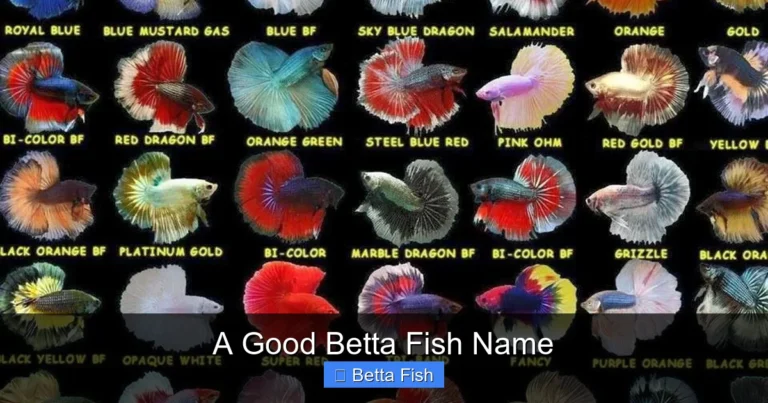
- Betta Fish Prices Vary Widely: Standard bettas cost a few dollars, while rare color morphs can sell for $50 to $100 or more.
- Asia Dominates Production: Countries like Thailand and Vietnam supply the majority of betta fish worldwide.
- Ongoing Costs Add Up: Fish food, tanks, heaters, and filters all contribute to the total betta fish costs for hobbyists.
- The Hobby Is Growing: Rising interest in aquarium keeping continues to push betta fish popularity and industry revenue upward.
📑 Table of Contents
The Global Betta Fish Market Size
The betta fish market size is tied closely to the broader ornamental fish trade. People around the world love keeping bettas. Their bright colors, flowing fins, and low maintenance needs make them one of the most popular pet fish on the planet.
The global aquarium hobby market is worth billions. Within that market, bettas hold a special place. They are often the first fish a new hobbyist buys. This means betta fish popularity drives a huge share of fish keeping industry revenue.
Why Bettas Sell So Well
Several reasons explain why bettas dominate pet store fish sections:
- Low Maintenance: Bettas do not need huge tanks. A small setup costs less, which attracts beginners.
- Beautiful Colors: Breeders have developed incredible color patterns. Each fish looks like a living jewel.
- Affordable Entry Point: Most people can afford a betta fish and basic supplies without spending a fortune.
- Wide Availability: You can buy bettas at pet stores, online shops, and even local breeders.
All of these factors boost betta fish sales year after year. The demand stays strong, which keeps money flowing through the industry.
How Much Do Betta Fish Cost?
Understanding betta fish prices is key to understanding the industry’s money flow. The cost of a single betta can vary a lot depending on type, color, and breeder.
Standard Betta Fish Prices
A basic pet store betta usually costs between $5 and $15. These are the common colors and tail types you see in most shops. At places like Walmart, betta fish food costs are low too, which keeps the overall betta fish costs for new owners very manageable.
Premium and Rare Betta Fish Prices
Show-quality and rare bettas can cost much more:
- Halfmoon bettas: $15 to $50
- Crowntail bettas: $10 to $40
- Rare color morphs: $50 to $100+
- Breeding-quality fish: $30 to $200 per fish
When you multiply these prices by the millions of bettas sold each year, the numbers add up fast. Even the lower-end sales contribute significantly to aquarium industry revenue.
For example, if a breeder sells 500 bettas per month at an average price of $10, that is $60,000 per year from one small operation. Scale that up to hundreds of breeders, and you start to see why how much money is in the betta fish industry is a serious question.
The Betta Fish Breeding Business
One of the biggest money makers in the betta world is breeding. Starting a betta fish breeding business has a very low barrier to entry. You need tanks, a heater, some food, and a pair of healthy fish. The startup cost is often under $200.
How Breeding Profits Work
A single pair of bettas can produce 40 to 60 fry per spawn. With proper care, those fry grow to sellable size in about three months. If you sell each fry for $3 to $5, one spawn can bring in $120 to $300.
Here is a simple breakdown:
- Spawns per month: 1 to 2
- Fry per spawn: 40 to 60
- Survival rate to sale: 50% to 70%
- Average sale price: $3 to $5
- Monthly income: $300 to $1,000+
Of course, you must subtract costs for food, electricity, and supplies. But even after expenses, many small-scale breeders earn a nice side income. Some full-time breeders make over $10,000 per month during peak seasons.
If you are curious about starting, you might also check how much betta fish food costs to budget properly. And if you are in a specific region, learning about betta fish prices in the Philippines can help you understand local market dynamics.
Where Do Betta Fish Come From?
The ornamental fish trade depends heavily on a few key producing countries. Thailand and Vietnam are the two biggest names in betta fish farming. These countries have large-scale operations that supply pet stores around the world.
Thailand: The Betta Capital
Thailand is often called the betta capital of the world. The country has a long history of betta breeding. Many of the fancy tail types and vibrant colors we see today come from Thai breeding programs. Thai farms export millions of bettas every year, making betta fish export a meaningful part of the national economy.
Vietnam and Other Producers
Vietnam also plays a huge role. Vietnamese breeders supply a large share of the global market. Other countries like Malaysia, Singapore, and even some in Eastern Europe contribute smaller amounts to the tropical fish market.
The fish tank industry benefits from this global supply chain. Shipping containers full of bettas move from farms to distribution centers in the United States, Europe, and Asia. Each step in that chain adds value and revenue.
What Do Betta Fish Owners Spend On?
Buying the fish is just the beginning. A betta owner spends money on many things over the life of the fish. These ongoing purchases add up and feed directly into the pet fish industry.
Essential Supplies and Their Costs
Here is a quick look at what new betta owners typically buy:
- Tank or bowl: $5 to $50
- Heater: $10 to $25
- Filter: $5 to $20
- Fish food: $3 to $15 per container
- Water conditioner: $5 to $10
- Decorations and plants: $5 to $30
A first-time owner might spend $30 to $100 on setup alone. And then there are recurring costs. Betta fish food is a regular purchase. Many owners buy food from big retailers, which is why checking Walmart betta fish food prices is useful for budget-conscious buyers.
Over a betta’s lifespan of three to five years, total spending can reach $200 to $500 or more. Multiply that by the millions of betta owners worldwide, and you see why the industry generates so much aquarium hobby revenue.
The Rise of Online Shopping for Betta Supplies
More and more owners buy supplies online. This trend has opened new revenue streams for e-commerce sellers. Websites dedicated to fish keeping sell everything from premium foods to custom tanks. The aquarium hobby market has expanded well beyond the local pet store.
Online forums and social media groups also fuel betta fish popularity. When people share photos of their bettas, it inspires others to buy fish and supplies. This creates a cycle of growing demand and increasing ornamental fish breeding activity.
Challenges and Risks in the Industry
Like any industry, the betta fish trade faces challenges. These issues affect both profits and the future of how much money is in the betta fish industry.
Overbreeding Concerns
High demand can lead to overbreeding. When too many fish are produced, prices can drop. Breeders may struggle to stay profitable. Ethical breeding practices are important for long-term industry health.
Shipping and Mortality Rates
Shipping live fish is risky. Many fish do not survive the journey from farm to store. High mortality rates mean losses for breeders and exporters. Improving shipping methods is an ongoing focus for the industry.
Market Competition
As more people enter the breeding space, competition increases. New breeders must find ways to stand out. Raising high-quality fish with unique colors and fin types is one strategy that works.
How Much Money Is Actually in the Industry?
Pinning down an exact number for how much money is in the betta fish industry is tricky. The betta trade is part of a much larger ornamental fish market. The global aquarium hobby is worth an estimated $15 billion or more. Bettas make up a significant portion of that, but they share the market with goldfish, guppies, tetras, and thousands of other species.
Experts estimate that the ornamental fish trade generates over $1 billion in annual revenue globally. Within that, bettas likely account for a large share given their popularity. The pet industry statistics show that fish keeping is one of the fastest-growing segments of the pet market.
For individual players, the numbers vary widely. A small breeder might earn a few thousand dollars a year. A large-scale operation with dozens of tanks and a team of staff can earn six figures. Online sellers and niche exporters also carve out profitable spaces in the betta fish business landscape.
The key takeaway is that the money is real and growing. As more people discover the joy of keeping bettas, the industry expands. New products, better breeding techniques, and stronger online sales channels all point to a bright financial future for the betta trade.
If you want to explore more about betta care and costs, check out how much a betta fish costs for detailed pricing guides and tips.
Final Thoughts
The betta fish industry is a thriving and growing market. From tiny breeding operations in Southeast Asia to massive pet store chains, betta fish sales generate real revenue every single day. The betta fish market size is supported by passionate hobbyists, smart breeders, and a global supply chain that keeps colorful fish flowing into homes around the world.
Whether you are a hobbyist buying your first betta or an entrepreneur looking to start a betta fish breeding business, understanding the financial side of this industry gives you an edge. The betta fish costs for owners are modest, but the collective spending power of millions of hobbyists creates a robust and profitable market.
The numbers tell a clear story. How much money is in the betta fish industry? More than most people realize. And as long as people love these beautiful fish, the industry will keep growing and earning.
Frequently Asked Questions
How much does a single betta fish cost on average?
A standard pet store betta usually costs between $5 and $15. However, premium or rare color morphs can range from $30 to $100 or more. The price depends on the fish’s color, fin type, and breeder quality.
Is breeding betta fish profitable?
Yes, breeding bettas can be quite profitable. A single pair can produce dozens of fry per spawn, and each fry can sell for $3 to $5. Many small-scale breeders earn several hundred to a few thousand dollars per month.
Which country produces the most betta fish?
Thailand is the largest producer of betta fish in the world. Vietnam is the second biggest producer. Together, these two countries supply the majority of bettas sold in the global ornamental fish trade.
How much do betta fish owners spend on supplies each year?
A typical betta owner spends between $50 and $150 per year on food, water conditioner, and replacement supplies. First-time setup costs can add another $30 to $100 for tanks, heaters, and filters.
Is the betta fish industry growing?
Yes, the betta fish industry is growing steadily. Rising interest in aquarium keeping, online sales, and new color morphs all contribute to expanding market size and increasing aquarium industry revenue.
Can you make a full-time income selling betta fish?
Yes, dedicated breeders can earn a full-time income. Large-scale operations with multiple breeding tanks and strong sales channels can generate over $10,000 per month. However, it requires significant investment in time, equipment, and knowledge.