How Much Do Male Betta Fish Eat

Knowing how much do male betta fish eat is essential for keeping your betta healthy and active. Male bettas need small, measured meals served one to two times daily, with portions roughly the size of their eyeball. Overfeeding is the most common mistake, and it can lead to serious health problems and a shorter lifespan.
If you own a male betta fish, you have probably wondered at some point, how much do male betta fish eat. It is a simple question, but the answer matters more than most fish owners realize. Feeding your betta the right amount keeps him colorful, energetic, and living a long life. Too little food, and he loses weight and vitality. Too much, and you risk serious health problems that could shorten his lifespan.
How much do male betta fish eat depends on several factors, including their age, size, and activity level. A young betta growing into his full fins needs more fuel than a settled-down adult. A betta in a warm, well-maintained tank with gentle exercise will have a different appetite than one kept in stressful conditions. This guide breaks it all down so you can feed your male betta with confidence every single day.
Understanding the basics of betta fish feeding is the first step toward becoming a great fish owner. Let us dive into the details and make sure your male betta gets exactly what he needs.
Key Takeaways
- Portion size matters: Feed male bettas only what they can consume in two minutes, about two to three pellets per meal.
- Feeding frequency is key: One to two feedings per day is the sweet spot for adult male bettas.
- Overfeeding causes real harm: It leads to bloating, constipation, and poor water quality that can shorten your betta’s life.
- Variety improves health: Rotate between pellets, frozen bloodworms, and occasional treats like brine shrimp for balanced nutrition.
- Watch for appetite changes: A sudden drop or increase in eating habits can signal illness or stress.
- Fasting days help digestion: Skipping one feeding per week gives the digestive system a much-needed break.
📑 Table of Contents
How Much Do Male Betta Fish Eat Per Day
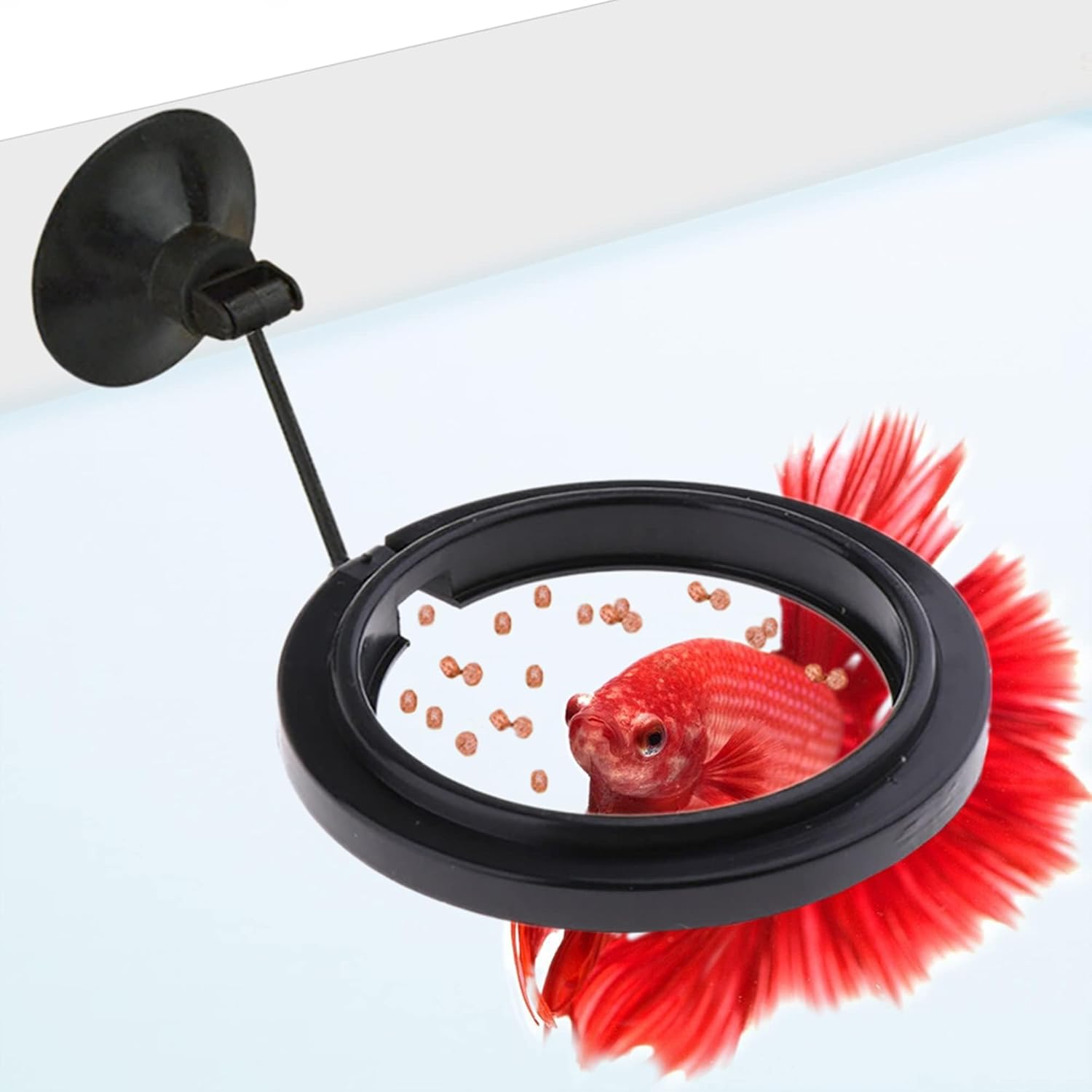
The standard rule for feeding male bettas is simple. Give them only what they can finish in about two minutes. For most adult male bettas, this means two to three small pellets per feeding. If you use flakes, a tiny pinch is enough. The goal is to match the size of their stomach, which is roughly the size of their eyeball.
Most fish experts agree that how much should a betta fish eat comes down to portion control. Male bettas have small digestive systems that work best with modest, frequent meals. A full stomach puts pressure on their internal organs and can cause bloating. Bloating in bettas is not just uncomfortable. It can lead to swim bladder issues and infections.
The Two-Minute Rule
This is the gold standard for betta feeding. Drop in a small amount of food and watch your betta eat. If there is leftover food after two minutes, you have given too much. Remove the uneaten bits right away. Leftover food decays in the tank and spikes ammonia levels, which harms your fish and clouds the water.
Many new owners make the mistake of dumping a large pinch of food in and walking away. This is the fastest route to poor water quality and an unhealthy betta. Be present during feeding time. It also gives you a chance to observe your fish and catch early signs of illness.
Best Foods for Male Betta Fish
Not all fish food is created equal. Male bettas are carnivores by nature. They thrive on protein-rich diets that mimic what they would eat in the wild. In their natural habitat, bettas hunt insects, larvae, and small crustaceans. Your job is to recreate that diet as closely as possible in a home tank.
High-Quality Pellets
Sinking or floating betta pellets should form the foundation of your male betta’s diet. Look for pellets where fish meal or shrimp meal is listed as the first ingredient. Avoid brands filled with fillers like corn starch and soy. Do betta fish eat tropical fish food? Yes, but only if it is specifically formulated for bettas or other carnivorous fish. General tropical flakes often lack the protein levels bettas need.
Frozen and Freeze-Dried Treats
Frozen bloodworms and brine shrimp make excellent supplements. These foods are packed with protein and closely resemble a betta’s natural prey. Feed them as treats, not the main meal. A good rotation looks like this:
- Monday, Wednesday, Friday: High-quality betta pellets
- Tuesday, Thursday: Pellets plus a small piece of frozen bloodworm
- Saturday: Pellets plus a few brine shrimp
- Sunday: Fasting day (no food at all)
Live Food Options
Live foods like mosquito larvae and daphnia are fantastic for bettas. They trigger natural hunting instincts and provide excellent nutrition. If you can source clean, parasite-free live food, it is worth adding to the rotation. Just be careful where you collect live food from, as it can introduce diseases into your tank.
Feeding Frequency and Schedule
How often do betta fish eat is a question closely tied to how much they should eat. For adult male bettas, one to two feedings per day works best. Some owners prefer a single larger meal in the evening, while others split it into morning and evening sessions. Both approaches work as long as the total daily portion stays within the two-minute rule.
If you are unsure where to start, try feeding once a day and see how your betta responds. A healthy betta will eat eagerly and finish the food quickly. If he leaves food behind, reduce the portion. Consistency matters more than variety when it comes to frequency. Your betta’s internal clock adjusts to a regular feeding schedule, and he will look forward to mealtime.
Young male bettas under six months old may benefit from a second daily feeding. Growing fish need more energy. Just keep the portions tiny. As your betta matures, you can reduce back to one feeding per day or split it into two smaller meals.
Fasting Days
Skipping one day of feeding per week is highly beneficial for male bettas. Fasting gives the digestive system time to fully process and clear out any remaining food. It also helps prevent constipation, which is a common issue in bettas fed too frequently. Many experienced betta keepers swear by the Sunday fasting routine. Your betta will not go hungry. In fact, bettas in the wild often go days between meals.
Signs You Are Feeding Too Much or Too Little
Reading your betta’s body language is one of the best ways to gauge whether you are getting the portions right. A well-fed male betta has a rounded but not bloated belly. His colors are vivid, and he swims actively around the tank. If you notice changes in his appearance or behavior, it is time to reassess his diet.
Warning Signs of Overfeeding
- Bloating: The belly looks swollen and tight, not just round.
- Constipation: Your betta produces long, stringy white waste or no waste at all.
- Lethargy: He spends more time resting near the bottom or hiding.
- Uneaten food: Food sits on the substrate or floats untouched after several minutes.
- Cloudy water: Poor water quality follows excess food decay quickly.
Warning Signs of Underfeeding
- Weight loss: The body looks thin from above, and the spine may become visible.
- Dull colors: A healthy betta should display bright reds, blues, and greens.
- Low energy: He shows little interest in swimming or exploring.
- Aggression changes: Some male bettas become more territorial or stressed when hungry.
If you notice any of these signs, adjust the portion size gradually. Do not make sudden changes. A slow transition helps your betta’s digestive system adapt. Also, remember that how long do male betta fish live can be directly influenced by proper feeding habits. A well-fed betta often lives three to five years, sometimes longer with excellent care.
Common Feeding Mistakes to Avoid
Even experienced betta owners can fall into bad habits. Knowing what to avoid saves you time, money, and heartbreak. Here are the most common mistakes people make when feeding their male bettas.
- Overfeeding at every meal. It is tempting to give your betta more because he acts hungry. But bettas are opportunistic eaters in the wild. They do not know when the next meal is coming, so they eat everything offered. That does not mean they need it all.
- Feeding the same food every day. A monotonous diet leads to nutritional gaps. Rotate between pellets, frozen foods, and occasional treats to cover all nutritional bases.
- Ignoring uneaten food. Leftover food decomposes fast in warm water. It releases ammonia and nitrites that are toxic to bettas. Always remove uneaten food within five minutes.
- Feeding human food. Bread, crackers, and rice offer no nutritional value to bettas. Do betta fish eat rice? Some bettas nibble on it, but it provides no real benefit and can cause digestive issues.
- Skipping observation during feeding. Feeding time is not just about dropping food in the tank. It is the best time to check on your betta’s health and behavior.
Quick Tips for Perfect Portions
- Use a small feeding spoon or tweezers to place food precisely.
- Pre-measure pellets so you do not guess at portions.
- Soak dry pellets for a few seconds before feeding to prevent them from expanding in the stomach.
- Feed in a calm, low-stress environment with no loud noises or sudden movements near the tank.
- Keep a simple feeding log to track what and when you feed your betta each day.
How Diet Affects Male Betta Health and Lifespan
What your male betta eats directly impacts his overall health. A balanced diet supports strong fin growth, vibrant coloration, and a robust immune system. Poor nutrition, on the other hand, leads to a weakened body that is more susceptible to diseases like fin rot and ich.
How much do male betta fish eat is not just about quantity. It is also about quality. High-quality food gives your betta the building blocks for healthy cells, muscles, and fins. Look for foods rich in protein (over 30%), with animal-based ingredients listed at the top of the label. Avoid foods heavy in plant-based fillers, as bettas cannot digest plant matter efficiently.
A well-fed male betta also displays better breeding behavior. If you ever plan to breed your betta, diet plays a crucial role in conditioning him for spawning. Protein-rich foods increase sperm production and energy levels. But for the average pet owner, a simple high-quality pellet diet with occasional treats is all you need.
Remember that every betta is an individual. Some have bigger appetites than others. Some are pickier eaters. The key is to observe your fish closely and adjust accordingly. No two bettas are exactly alike, and the best feeding routine is the one that works for your specific fish.
When in doubt, start with smaller portions and increase gradually. It is always safer to underfeed slightly than to overfeed. Your betta will thank you with bright colors, active swimming, and a long, healthy life by your side.
Final Thoughts on Feeding Your Male Betta
Figuring out how much do male betta fish eat does not have to be complicated. Stick to small portions, feed one to two times per day, and always remove uneaten food. Choose high-quality, protein-rich foods and rotate them for variety. Give your betta a fasting day each week to support digestion. Watch for signs of overfeeding or underfeeding, and adjust your routine as needed.
How much do male betta fish eat comes down to one simple principle: less is more. A slightly hungry betta is healthier than an overfed one. Trust the process, stay consistent, and enjoy watching your beautiful male betta thrive.
Frequently Asked Questions
Can I feed my male betta fish twice a day?
Yes, feeding a male betta twice a day works well as long as the total daily portion stays small. Split the food into two equal meals and make sure each portion is finished within two minutes. This approach is great for younger bettas that need more energy for growth.
How many pellets should I feed my male betta fish per meal?
Most male bettas do well with two to three small pellets per meal. The exact number depends on the size of the pellets and your individual fish. Start with two pellets and add one more if your betta finishes them quickly and still looks hungry.
What happens if I overfeed my male betta fish?
Overfeeding causes bloating, constipation, and swim bladder problems. Uneaten food also decays in the tank, spiking ammonia levels and degrading water quality. This can lead to infections and a significantly shorter lifespan for your betta.
Should I feed my male betta fish every day or skip days?
Feeding daily is important for adult male bettas, but adding one fasting day per week is highly recommended. Skipping a day gives the digestive system a rest and helps prevent constipation. Just make sure the other six days include proper, measured portions.
Can male betta fish eat flakes instead of pellets?
Male bettas can eat flakes, but pellets are generally a better choice. Pellets sink or float at a controlled rate and are specifically formulated for bettas. If you use flakes, give only a tiny pinch and make sure your betta eats them all within two minutes.
How do I know if my male betta fish is getting enough to eat?
A well-fed male betta has a rounded but firm belly, bright colors, and active swimming behavior. If your betta seems lethargic, loses weight, or his colors fade, he may need more food. Conversely, if his belly is constantly bloated, you are likely feeding too much.
=== CONCLUSION ===
How much do male betta fish eat is one of the most important things you will learn as a betta owner. Small, measured portions fed one to two times per day keep your fish healthy and happy. Avoid the temptation to overfeed, rotate nutritious foods, and never skip the occasional fasting day. With the right feeding routine, your male betta will reward you with vibrant colors, playful energy, and years of companionship.