How Much Babies Do Betta Fish Have
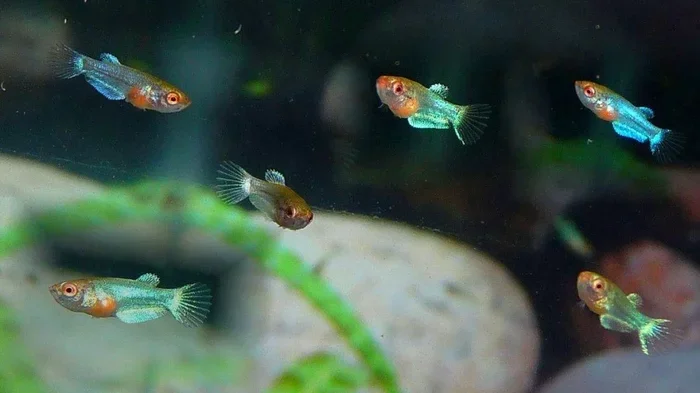
The answer to how much babies do betta fish have depends on several factors, including the female’s age, health, and breeding conditions. A single betta fish can produce anywhere from 30 to 100 or more fry in one spawning session. Understanding betta fish reproduction helps you prepare for proper fry care and improve survival rates.
Betta fish are some of the most popular pets in the aquarium world. Their bright colors and flowing fins make them a joy to watch. But if you are a betta owner, you might wonder about one thing: how much babies do betta fish have when they breed? This is a great question, and the answer is more fascinating than you might think.
Understanding betta fish reproduction is important whether you are a curious hobbyist or someone planning to breed bettas. The number of babies a betta fish can produce depends on many factors. These include the fish’s age, health, diet, and living conditions. In this guide, we will walk you through everything you need to know about betta fish litter size, the breeding process, and how to care for newborn fry.
Betta fish breeding is a rewarding but delicate process. Bettas are known as bubble nest builders, which means the male creates a nest on the water surface to hold fertilized eggs. After the eggs hatch, tiny fry emerge and begin their journey. The entire process from spawning to free-swimming fry takes about two to three days for the eggs and several weeks for the fry to grow.
So, let us dive right in and explore the world of betta fish babies. By the end of this article, you will know exactly what to expect and how to give your betta fry the best start in life.
Key Takeaways
- Betta fish can produce 30 to 100+ fry in a single spawning cycle, depending on health and conditions.
- Female betta fish release eggs that are fertilized externally by the male during the breeding process.
- Fry survival rates vary widely, influenced by water quality, temperature, and parental behavior.
- Proper fry care requires a separate tank with gentle filtration and tiny food sources like infusoria.
- Betta fish breeding frequency should be limited to avoid stressing the female and reducing litter quality.
- Knowing how much babies do betta fish have helps you plan tank space and resources effectively.
- Male betta fish build bubble nests to protect fertilized eggs until they hatch into fry.
📑 Table of Contents
How Betta Fish Reproduce
Before we talk about numbers, it helps to understand how betta fish reproduce. Bettas are egg-laying fish, not livebearers. This means the female releases eggs, and the male fertilizes them outside of the body. Many people confuse this with livebearing fish like guppies, but bettas work differently.
The Spawning Process
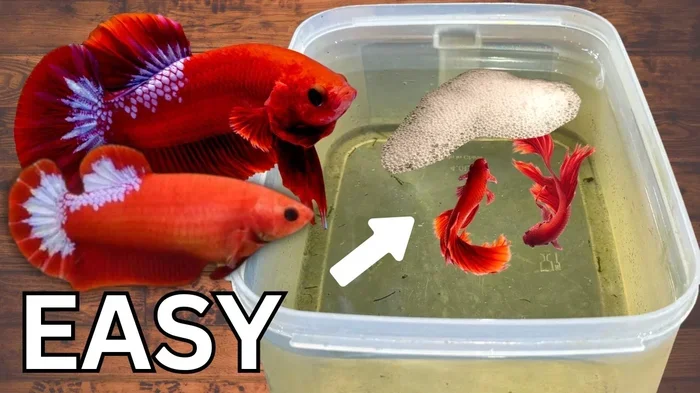
The breeding process starts when the male and female are introduced into a shared breeding tank. The male begins building a bubble nest at the surface of the water. This nest is made of tiny bubbles coated with saliva. It serves as a safe place for the eggs once they are released.
When the female is ready, she releases eggs in batches. The male then fertilizes them and carefully places them into the bubble nest. This process can repeat several times over a few hours. A single spawning session may involve multiple rounds of egg release and fertilization.
After spawning is complete, it is important to remove the female from the tank. The male becomes very protective of the eggs and may become aggressive toward the female. Leaving the female in the tank can result in injury or stress for both fish.
From Eggs to Fry
The fertilized eggs stay in the bubble nest for about 24 to 48 hours. During this time, the male guards the nest and repairs any damaged bubbles. Once the eggs hatch, the fry are tiny and mostly immobile. They absorb their yolk sacs for nutrition during the first day or two after hatching.
After the yolk sacs are absorbed, the fry become free-swimming. At this point, they need external food. This is a critical stage, and proper feeding makes a big difference in survival rates. More on this later in the article.
How Much Babies Do Betta Fish Have
Now for the big question: how much babies do betta fish have in one breeding cycle? The answer varies, but most healthy female bettas produce between 30 and 100 eggs per spawning session. However, not all eggs will hatch, and not all fry will survive to adulthood.
On average, you can expect around 40 to 60 fry to survive the first few weeks. Some experienced breeders report even higher numbers with optimal conditions. The key is understanding that the total number of eggs laid is not the same as the number of fry that grow into healthy juveniles.
If you want a deeper dive into the exact numbers, check out our detailed guide on how many babies betta fish have for more specific data and breeder insights.
First Spawn vs. Subsequent Spawns
It is worth noting that first-time spawning often produces fewer eggs. A young or inexperienced female might release only 20 to 30 eggs in her first clutch. As she matures and gains experience, her litter size tends to increase. Older females, especially those in their prime breeding age of 4 to 12 months, typically produce the most eggs.
Subsequent spawns can yield larger clutches, sometimes reaching 100 or more eggs. However, breeders should not breed females too frequently. Giving the female time to recover between spawns is essential for her health and the quality of future clutches.
How Many Fry Survive?
Survival rates for betta fry depend heavily on care and conditions. In a well-maintained breeding tank with proper food and water parameters, survival rates can be quite high. In less ideal conditions, many fry may not make it past the first week.
If you are concerned about betta parents harming their young, our article on do betta fish kill their babies covers this topic in detail and offers practical solutions to protect your fry.
What Affects Betta Fish Litter Size
Several factors influence how much babies do betta fish have in a single spawning event. Understanding these factors can help you create the best conditions for breeding and maximize your fry count.
Age of the Fish
Age plays a significant role in betta reproduction. Females between 4 and 12 months old are at their peak breeding condition. They produce more eggs and have higher fertility rates. Very young females may not spawn successfully at all, while older females may produce fewer eggs with each spawn.
Males also have a prime breeding window. A healthy male between 6 and 18 months old is most likely to build a strong bubble nest and fertilize eggs effectively.
Health and Diet
A well-fed betta is a fertile betta. Before breeding, both the male and female should be fed a high-quality diet rich in protein. Live or frozen foods like brine shrimp and bloodworms are excellent choices. A nutritious diet boosts egg production and improves the overall health of the fry.
Conversely, a malnourished or stressed fish will produce fewer eggs. Poor diet can also lead to weak fry that are more susceptible to disease and early death.
Water Conditions
Clean, warm water is essential for successful betta breeding. The ideal temperature for a breeding tank is between 79 and 82 degrees Fahrenheit. Water quality directly affects both egg viability and fry survival. Ammonia and nitrite levels should be kept at zero, and nitrate levels should be as low as possible.
Regular water changes before and during the breeding process help create optimal conditions. However, avoid sudden water parameter changes, as this can shock the fish and disrupt spawning.
Tank Size and Setup
A breeding tank should be at least 5 to 10 gallons in size. It should be equipped with a gentle sponge filter, a heater, and floating plants or materials for the male to build his bubble nest. Low water flow is important because strong currents can destroy the bubble nest and make it difficult for fry to swim.
Adding a few floating plants also gives the fry places to hide once they become free-swimming. This reduces stress and can improve survival rates during the delicate early stages of life.
Caring for Betta Fish Fry
Once your betta fish have produced fry, proper care is essential. Raising betta fry is a rewarding experience, but it requires patience and attention to detail. Here is what you need to know to give your fry the best chance of survival.
Setting Up a Fry Tank
As soon as the fry hatch, they need to be moved to a separate fry tank. Keeping fry with adult bettas is risky because adults may eat the babies. A small tank of 5 gallons or less works well for the first few weeks. Use a sponge filter on the lowest setting to maintain water quality without creating strong currents.
Keep the water temperature stable at around 80 degrees Fahrenheit. Small, frequent water changes of about 10 to 20 percent every day help keep the water pristine. Use a turkey baster or pipette to remove debris without sucking up the tiny fry.
Feeding Newborn Fry
Feeding betta fry can be tricky because their mouths are incredibly small. During the first 24 to 48 hours after hatching, fry survive on their yolk sacs. After that, they need external food.
The best first foods for betta fry include:
- Infusoria — tiny organisms cultured in a separate container
- Baby brine shrimp — a protein-rich live food
- Microworms — small nematodes that are easy to culture
- Crushed betta pellets — finely ground commercial food
Feed the fry small amounts several times a day. Overfeeding can dirty the water quickly, which is dangerous for such small, sensitive creatures. Remove any uneaten food after a few minutes to maintain water quality.
For more detailed feeding guidance, our article on how much do you feed a betta fish offers helpful tips that also apply to fry care.
Growth Stages of Betta Fry
Betta fry grow quickly in the first few weeks. Here is a general timeline of what to expect:
- Day 1 to 3: Fry are attached to surfaces, absorbing their yolk sacs.
- Week 1: Fry become free-swimming and start accepting external food.
- Week 2: Fry begin to develop color and their fins start to grow.
- Week 3 to 4: Fry look like tiny versions of adult bettas and become more active.
- Month 2 to 3: Fry can be moved to a standard grow-out tank.
- Month 4 to 6: Juveniles develop their full color and finnage.
Patience is key during this process. Each fry develops at its own pace, and some may take longer than others. Watch for any signs of illness, such as white spots or lethargy, and address issues promptly.
Common Mistakes When Breeding Betta Fish
Breeding betta fish can be challenging, especially for beginners. Avoiding common mistakes can make the difference between a successful spawn and a failed one.
Breeding Too Frequently
One of the biggest mistakes is breeding a female too often. Each spawning session takes a toll on the female’s body. She needs time to recover and rebuild her nutrient reserves. Waiting at least 4 to 6 weeks between spawns is recommended. Breeding more frequently can lead to smaller clutches, weaker fry, and health problems for the female.
Ignoring Water Quality
Dirty water is the enemy of betta fry. Even small amounts of ammonia can be lethal to such tiny creatures. Many beginner breeders skip regular water changes, thinking the fry tank is too small to worry about. In reality, water quality is even more critical in a fry tank than in a standard aquarium.
Overcrowding the Tank
While it might be tempting to keep all the fry together, overcrowding leads to competition for food and poor water quality. As the fry grow, separate them by size into different containers to prevent larger fry from bullying or eating smaller ones.
Skipping the Quarantine Period
Introducing new fish into a breeding tank without quarantine can introduce diseases and parasites. Always keep your breeding pair in a separate quarantine tank for at least two weeks before spawning. This protects both the adults and the future fry from potential health issues.
Expert Tips for Successful Betta Breeding
If you are serious about breeding betta fish, these expert tips can help you get better results and raise healthier fry.
Condition the Breeding Pair
Before introducing the male and female, condition them with high-quality live or frozen foods for 1 to 2 weeks. This prepares their bodies for spawning and increases the number and quality of eggs. A well-conditioned pair is more likely to produce a large, healthy clutch.
Watch the Bubble Nest
A healthy bubble nest is a good sign that the male is ready to breed. The nest should be large, dense, and anchored to floating plants or other surfaces. If the nest falls apart frequently, check the water flow and surface agitation in the tank. A calm surface helps the nest stay intact.
Be Patient During the Process
Betta breeding takes time. Do not rush the process or disturb the fish too much during spawning. Keep the lights dim and limit tank disturbances. A calm environment helps the fish feel safe and encourages natural breeding behavior.
Plan for the Fry
Before you ever introduce a breeding pair, make sure you have a plan for the fry. Do you have enough tanks, food, and time to care for potentially 50 or more baby bettas? Planning ahead prevents stress and ensures you can provide the best care from day one.
For more information on betta fish reproduction and breeding cycles, visit our guide on do betta fish have babies to deepen your understanding of the entire process.
Conclusion
So how much babies do betta fish have? The answer is anywhere from 30 to over 100 eggs per spawning, with 40 to 60 fry typically surviving to free-swimming stage. The exact number depends on the female’s age, health, diet, and the quality of the breeding environment.
Breeding betta fish is a fascinating journey that requires preparation, patience, and dedication. By understanding the breeding process, creating optimal conditions, and providing proper fry care, you can successfully raise healthy betta babies. Remember to give your fish time to recover between spawns, maintain excellent water quality, and feed your fry appropriately.
Whether you are a first-time breeder or an experienced hobbyist, the reward of watching betta fry grow into vibrant adults is truly unforgettable. Start with these tips, do your research, and enjoy the incredible world of betta fish breeding.