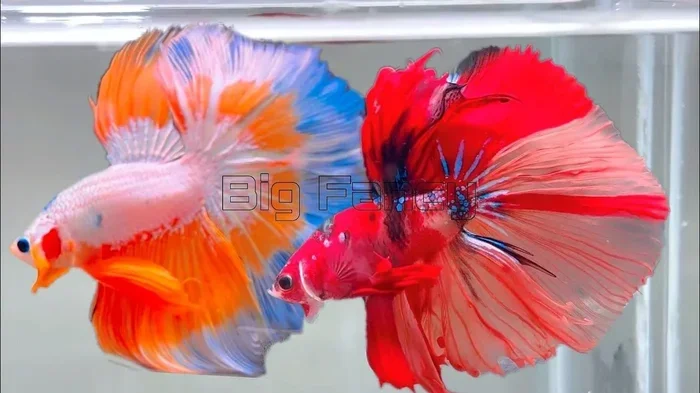
How Many Times Should You Clean Your Betta Fish Tank

How many times should you clean your betta fish tank? The answer depends on tank size, filter type, and stocking levels. Most betta tanks need a partial water change every one to two weeks and a full clean every four to six weeks. Following a consistent betta tank cleaning schedule keeps ammonia levels low and your fish thriving.
Keeping your betta fish tank clean is one of the most important things you can do for your fish. But here is the real question many new betta owners ask: how many times should you clean your betta fish tank? The answer is not as simple as a single number. It depends on several factors like tank size, whether you have a filter, and how many fish live in the tank.
In this guide, we will walk you through everything you need to know about betta tank cleaning frequency. You will learn how often to do partial water changes, when to schedule a full tank clean, and what signs tell you it is time to get your hands wet. By the end, you will feel confident about keeping your betta’s home fresh and healthy.
A clean tank means a happy betta. And a happy betta means fewer trips to the vet and more enjoyment for you. Let us dive in.
Key Takeaways
- Partial water changes every 1-2 weeks are the foundation of a clean betta tank and help maintain stable water parameters.
- Full tank cleans should happen every 4-6 weeks to avoid stressing your betta and disrupting beneficial bacteria.
- Tank size matters — smaller tanks need more frequent cleaning because waste builds up faster.
- Always use tank-safe water conditioner when adding fresh water to remove chlorine and chloramines.
- Watch for cloudy water, strong odors, or algae growth as signs your tank needs attention sooner.
- Gravel vacuuming during water changes removes debris and prevents harmful ammonia spikes.
- Overcleaning can be worse than undercleaning because it wipes out the beneficial bacteria your tank needs.
📑 Table of Contents
- Why Cleaning Your Betta Fish Tank Matters
- How Often Should You Clean a Betta Fish Tank
- Factors That Affect Cleaning Frequency
- Step-by-Step Guide to Cleaning Your Betta Tank
- Common Mistakes to Avoid When Cleaning Your Betta Tank
- Signs Your Betta Tank Needs Cleaning Sooner
- How to Maintain a Clean Tank Between Cleanings
- Final Thoughts
Why Cleaning Your Betta Fish Tank Matters
Betta fish may look tough with their flowing fins and bright colors, but they are sensitive to dirty water. Ammonia and nitrite levels can spike quickly in an unclean tank. These chemicals burn your betta’s gills and skin. Over time, poor water quality leads to disease, lethargy, and even death.
When you ask yourself, how many times should you clean your betta fish tank, think about what happens inside the aquarium. Your fish produce waste. Leftover food decays. Plants release organic matter. All of this breaks down into toxic compounds. Regular cleaning removes these pollutants before they reach dangerous levels.
A good aquarium maintenance routine also keeps the water clear and odor-free. Nobody wants a smelly fish tank. More importantly, clean water supports your betta’s immune system. A well-maintained tank helps your fish live a longer, more vibrant life.
The Role of Beneficial Bacteria
Here is something many beginners do not realize. Your tank has good bacteria living on the filter media and substrate. These beneficial bacteria break down toxic ammonia into less harmful substances. This process is called the nitrogen cycle.
When you clean your tank too aggressively, you can destroy these helpful bacteria. That is why how to clean your betta fish tank properly matters just as much as how often you do it. You want to remove the dirty stuff without wiping out the good stuff. This is why partial water changes are your best friend.
How Often Should You Clean a Betta Fish Tank
The short answer is that most betta tanks need attention on a weekly or biweekly basis. But the full picture is more nuanced. Let us break it down by cleaning type so you know exactly what to do and when.
Partial Water Changes: Every 1 to 2 Weeks
Partial water changes are the backbone of betta tank cleaning frequency. You replace about 25 to 30 percent of the tank water with fresh, conditioned water. This removes accumulated waste, excess nutrients, and dissolved toxins without disturbing the entire ecosystem.
For most standard betta tanks, a partial water change every week or every other week works perfectly. Smaller tanks under 5 gallons may need a partial change every 5 to 7 days. Larger tanks with a good filter can stretch to every 10 to 14 days.
Here is a simple way to remember it. If the water looks slightly cloudy or you notice algae starting to grow, it is time for a change. Do not wait until the water looks terrible. Staying ahead of the problem keeps your betta stress-free.
Full Tank Cleans: Every 4 to 6 Weeks
A full tank clean is different from a partial water change. During a full clean, you remove all the water, rinse the gravel, wipe down the glass, and clean the decorations. You also clean or replace filter media.
You should only do a full tank clean every four to six weeks. Any more often and you risk crashing your nitrogen cycle. Your betta will experience stress from the sudden change in water conditions.
If you find yourself needing to do full cleans more often, something is wrong. Check your filter, reduce feeding amounts, or consider a larger tank. How to clean a betta fish tank properly means knowing when enough is enough.
Factors That Affect Cleaning Frequency
Not all betta tanks are the same. Several factors determine how often you need to roll up your sleeves and get to work. Let us look at the biggest ones.
Tank Size
Smaller tanks need more frequent cleaning. A 3-gallon bowl fills up with waste much faster than a 10-gallon tank. In a tiny setup, even a single betta can push ammonia levels up quickly. If you keep your betta in a small bowl or vase, plan for cleaning sessions at least twice a week.
Larger tanks offer more stability. The water volume dilutes waste products, giving you more breathing room. A 10-gallon or 20-gallon tank with a filter can go longer between cleanings. But bigger does not mean maintenance-free. You still need a consistent schedule.
Filter Type and Condition
A good filter does wonders for tank hygiene. It traps debris, hosts beneficial bacteria, and keeps water circulating. If your filter is working well, you can stretch the time between water changes slightly.
However, filters need their own maintenance. You should rinse filter media in old tank water once a month. Never use tap water directly on the filter. Chlorine in tap water kills the beneficial bacteria you worked hard to build. How to clean a betta fish tank with filter means treating the filter as part of the overall system, not a separate chore.
Number of Fish and Feeding Habits
More fish means more waste. If you keep multiple fish with your betta, the tank will need more frequent cleaning. Overfeeding also contributes to dirty water faster than almost anything else. Uneaten food sinks to the bottom and rots, spiking ammonia levels.
Feed your betta small amounts twice a day. Remove any leftover food after five minutes. This simple habit dramatically reduces how often you need to clean the tank. How many times to feed betta fish directly impacts water quality, so keep portions small and consistent.
Live Plants and Decorations
Live plants absorb ammonia and nitrates, which helps keep the water cleaner longer. Tanks with healthy plants may need less frequent water changes. On the other hand, decaying plant matter can make the water dirty if not managed.
Decorations with nooks and crannies collect waste too. You will need to rinse them during your cleaning sessions. Some decorations, like ceramic caves or plastic plants, are easy to scrub. Others, like driftwood, require more care. How to clean a betta fish tank with live plants involves gentle handling to protect both the plants and the root bacteria.
Step-by-Step Guide to Cleaning Your Betta Tank
Now that you know how often to clean, let us talk about how to actually do it. A proper cleaning routine keeps your betta safe and your tank sparkling.
What You Will Need
- A gravel vacuum or siphon
- A clean bucket dedicated to fish use only
- Water conditioner (dechlorinator)
- A soft sponge or algae scraper
- A thermometer to match water temperatures
- Old tank water for rinsing filter media
The Cleaning Process
Start by turning off all equipment including heaters and filters. Use the gravel vacuum to siphon debris from the substrate. Remove about 25 to 30 percent of the water and place it in your bucket. This water contains beneficial bacteria, so never dump it down the drain.
Next, use the algae scraper to clean the glass. Wipe down decorations if they have buildup. Rinse filter media in the old tank water you just removed. This preserves the bacterial colony.
Fill a bucket with fresh tap water and add water conditioner. Let the water sit until it matches the tank temperature. Slowly pour the new water back into the tank. Turn the equipment back on and check that everything runs smoothly.
Following a regular aquarium cleaning routine like this makes the process quick and easy. Most partial water changes take only 15 to 20 minutes once you get the hang of it.
Common Mistakes to Avoid When Cleaning Your Betta Tank
Even well-meaning betta owners make mistakes during cleaning. Here are the most common ones and how to avoid them.
Cleaning Too Often
This might sound surprising. Cleaning too often can actually harm your tank. Every time you remove all the water, you destroy the beneficial bacteria colony. Your tank has to start the nitrogen cycle all over again. This process called tank cycling takes weeks and leaves your betta exposed to toxic ammonia.
Stick to partial water changes between full cleans. If the water looks fine and your betta is active, you probably do not need to clean yet. Trust the process and give your tank time to stabilize.
Using Soap or Household Cleaners
Never use soap, detergent, or household cleaners on your tank or decorations. Even tiny residues are deadly to betta fish. Can you use soap to clean a betta fish tank? Absolutely not. The chemicals disrupt gill function and poison your fish within minutes.
If you need to scrub stubborn algae, use a dedicated aquarium sponge. These are cheap and designed to be safe for fish. Keep them separate from your regular household cleaning supplies.
Ignoring the Water Temperature
Betta fish are tropical and need warm water. Adding cold water during a cleaning can shock your fish. Always use a thermometer and match the new water to the existing tank temperature. A temperature difference of more than 2 degrees Fahrenheit can cause stress and illness.
Forgetting to Treat New Water
Tap water contains chlorine and chloramines that are harmful to fish. Always add a water conditioner before pouring new water into the tank. This simple step takes seconds but protects your betta from chemical burns and respiratory distress.
Signs Your Betta Tank Needs Cleaning Sooner
Sometimes you cannot stick to a strict schedule. Life gets busy and tanks wait. But how do you know when your betta tank really needs attention? Watch for these warning signs.
- Cloudy or murky water that does not clear up after a few hours
- A strong, unpleasant odor coming from the tank
- Excessive algae growth covering the glass and decorations
- Your betta staying near the surface or gasping for air
- Visible debris building up on the gravel and substrate
- Floating food particles that have not been eaten for hours
If you notice any of these signs, do a partial water change right away. Test your water parameters if you have a testing kit. High ammonia or nitrite levels require immediate action. How to clean algae from betta fish tank is a common follow-up concern, and regular water changes are the best prevention.
How to Maintain a Clean Tank Between Cleanings
Cleaning is only half the battle. Daily and weekly habits between formal cleaning sessions make a huge difference. Here are some easy tips to keep your tank in top shape.
- Feed sparingly. Give your betta only what it can eat in two minutes, twice a day.
- Remove uneaten food promptly. Use a small net or turkey baster to pick up leftovers.
- Check the temperature daily. Keep it between 76 and 82 degrees Fahrenheit.
- Observe your betta. Active, colorful fish with clear fins usually mean clean water.
- Wipe down the glass weekly. A quick pass with an algae scraper prevents buildup.
- Do not overcrowd the tank. Even in a larger tank, too many fish create excess waste.
These small habits add up. They reduce the workload during your actual cleaning sessions and keep your betta healthier between them. Think of them as daily betta fish care tips that support your overall cleaning routine.
Final Thoughts
So, how many times should you clean your betta fish tank? The answer comes down to consistency. Partial water changes every one to two weeks and a full tank clean every four to six weeks form the ideal routine for most setups. Adjust based on your tank size, filter, and how many fish you keep.
Remember that cleaning is not just about appearances. It is about protecting your betta’s health and creating a stable environment where your fish can thrive. A little effort each week goes a long way toward preventing bigger problems down the road.
Follow the tips in this guide, stay observant, and adjust your routine as needed. Your betta will thank you with vibrant colors, energetic swimming, and a long, healthy life. Start your cleaning schedule today and enjoy the peace of mind that comes with a well-maintained aquarium.
Frequently Asked Questions
How many times a week should I clean my betta fish tank?
You do not need to clean the entire tank every week. Instead, perform a partial water change of about 25 percent every one to two weeks. Smaller tanks under 5 gallons may need a partial change twice a week to keep water parameters stable.
Can cleaning my betta tank too often hurt my fish?
Yes, overcleaning removes beneficial bacteria that are essential for the nitrogen cycle. This can cause ammonia spikes that are dangerous for your betta. Stick to partial water changes and avoid full tank cleans more often than once a month.
What is the best way to clean a betta fish tank without a filter?
Without a filter, waste builds up faster, so you will need more frequent water changes. Perform partial changes every 3 to 5 days and keep the tank under 5 gallons. How to clean a betta fish tank without filter requires extra attention to removing debris from the substrate during each water change.
How do I know if my betta tank water needs changing?
Cloudy water, a strong odor, visible algae growth, and your betta staying near the surface or gasping are all signs the water needs changing. You can also use a water test kit to check ammonia and nitrite levels. If either is above zero, a water change is overdue.
Should I clean the gravel in my betta tank?
Yes, gravel cleaning is an important part of how to clean your betta fish tank. Use a gravel vacuum during partial water changes to remove trapped debris and fish waste. This prevents ammonia buildup and keeps the substrate fresh without disturbing the entire tank.
How long does it take to clean a betta fish tank properly?
A partial water change takes about 15 to 20 minutes once you are comfortable with the process. A full tank clean takes longer, around 45 minutes to an hour. Having all your supplies ready before you start makes the job faster and less stressful for both you and your fish.