Can Betta Fish Eat Ghost Shrimp
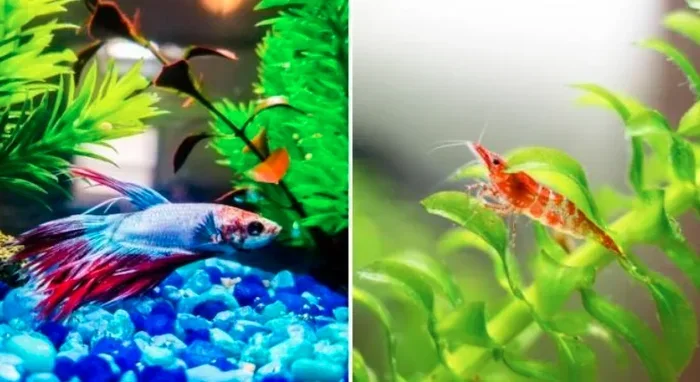
Yes, betta fish can eat ghost shrimp — and many bettas love them as a tasty, protein-rich treat. Ghost shrimp make an excellent supplemental food for betta fish, but there are important things you need to know before adding them to your tank. This guide covers feeding tips, risks, and best practices to keep both your betta and shrimp healthy.
Key Takeaways
- Betta fish can safely eat ghost shrimp: Ghost shrimp are a nutritious, protein-rich treat that many bettas enjoy. They can be fed live, frozen, or dried.
- Not a staple diet: Ghost shrimp should only be given as an occasional supplement, not as a primary food source. Your betta still needs specialized pellets for balanced nutrition.
- Size matters: Always offer small, appropriately-sized shrimp to avoid choking hazards and digestive issues in your betta fish.
- Tank compatibility is complex: While bettas can eat ghost shrimp, keeping them together requires careful planning. Your betta may hunt and eat the shrimp.
- Feeding frequency: Offer ghost shrimp 1-2 times per week at most. Overfeeding can lead to health problems and poor water quality.
- Watch for allergic reactions: Some bettas may have sensitivities to new foods. Always introduce ghost shrimp slowly and monitor your fish closely.
- Proper preparation is key: Rinse, thaw (if frozen), and source shrimp from reputable suppliers to avoid parasites and contaminants.
📑 Table of Contents
- Introduction
- What Are Ghost Shrimp?
- Can Betta Fish Eat Ghost Shrimp?
- Nutritional Benefits of Ghost Shrimp for Betta Fish
- Risks and Concerns of Feeding Ghost Shrimp to Betta Fish
- How to Feed Ghost Shrimp to Your Betta Fish
- Comparison: Ghost Shrimp vs Other Shrimp Foods for Betta Fish
- Can Betta Fish and Ghost Shrimp Live Together?
- Conclusion
Introduction
If you are a betta fish owner, you probably already know that these colorful fish have a big appetite. Bettas are curious eaters. They will often try just about anything you drop into their betta fish tank. But not every food is safe. So, can betta fish eat ghost shrimp? The short answer is yes. But the full answer involves a few important details you need to understand.
Ghost shrimp are a popular choice among aquarium lovers. They are small, transparent, and relatively inexpensive. Many betta owners use them as a protein-rich food supplement. Others want to add them to the tank for fun or cleaning purposes. Either way, knowing how to feed them properly makes all the difference.
This guide covers everything you need to know. We will explore the nutritional value, potential risks, feeding methods, and whether these two species can coexist peacefully. By the end, you will feel confident about adding ghost shrimp to your betta fish diet.
What Are Ghost Shrimp?
Before we dive into feeding, let us talk about what ghost shrimp actually are. Ghost shrimp (Palaemonetes paludosus) are small freshwater shrimp. They are often called glass shrimp because of their nearly transparent bodies. You can see right through them, which makes them fascinating to watch.
These tiny crustaceans are native to the southeastern United States. They are commonly sold in pet stores as feeder fish or tank cleaners. Ghost shrimp are hardy and easy to care for. This makes them a favorite among beginners and experienced hobbyists alike.
Here are a few quick facts about ghost shrimp:
- Size: They typically grow up to 1.5 inches long.
- Lifespan: About 1 to 3 years in captivity.
- Diet: They are omnivores and eat algae, detritus, and small particles.
- Temperament: Peaceful and non-aggressive.
- Cost: Usually very affordable, often sold in groups of 5 to 10.
Ghost shrimp serve multiple purposes in an aquarium. They help break down leftover food and waste. Many fish keepers also use them as live food for predators like bettas. If you are wondering whether to keep ghost shrimp with betta fish, the answer depends on your setup and goals.
Can Betta Fish Eat Ghost Shrimp?
Now let us get to the big question. Yes, betta fish can definitely eat ghost shrimp. In fact, many bettas view ghost shrimp as a delicious snack. These shrimp are packed with nutrients that support your betta’s overall health.
Betta fish are natural hunters. They love the thrill of chasing and catching live prey. Ghost shrimp move in a way that triggers your betta’s predatory instincts. This makes them more than just food. They also provide mental stimulation and enrichment. For a fish that can get bored easily, this is a big plus.
You can feed ghost shrimp to your betta in several forms:
- Live ghost shrimp: The most natural and exciting option. Your betta will actively hunt them.
- Frozen ghost shrimp: Easy to store and serve. Thaw before dropping into the tank.
- Free-dried shrimp: A convenient and long-lasting treat. Just drop them in.
- Dried shrimp: Often available as a packaged snack for fish.
Each form has its pros and cons. Live shrimp offer the best enrichment. But frozen and dried options are safer and more convenient. For more details on different shrimp types, check out our article on whether betta fish will eat ghost shrimp.
Nutritional Value of Ghost Shrimp
Ghost shrimp are not just a fun snack. They actually offer real nutritional benefits for your betta. Here is what they contain:
- Protein: Ghost shrimp are high in protein. This is essential for muscle growth and repair in bettas.
- Healthy fats: They contain omega-3 fatty acids. These support vibrant coloration and overall vitality.
- Minerals: Shrimp provide calcium, phosphorus, and magnesium. These minerals support strong bones and scales.
- Low fat: They are relatively low in unhealthy fats. This makes them a clean protein source.
A single ghost shrimp may be small. But it packs a serious nutritional punch. For a carnivorous fish like a betta, animal-based protein is critical. Betta fish nutrition relies heavily on animal proteins in the wild. Ghost shrimp help mimic their natural diet more closely than some commercial foods.
Nutritional Benefits of Ghost Shrimp for Betta Fish
Let us dig deeper into why ghost shrimp are good for your betta. Understanding the benefits helps you make informed feeding decisions.
High Protein Content
Protein is the most important nutrient for betta fish. It supports growth, energy, and color intensity. Ghost shrimp are rich in animal-based protein. This makes them an excellent natural food source. Compared to some generic fish flakes, shrimp offer a cleaner ingredient list.
Enhances Coloration
Many betta owners want their fish to display bold, vivid colors. The nutrients found in ghost shrimp can help. Carotenoids and other pigments in shrimp contribute to red, blue, and gold tones. While they are not a magic solution, they definitely help maintain your betta’s vibrant coloration.
Mental Stimulation
Bettas are intelligent fish. They need more than just food to stay happy. They need activity. Live ghost shrimp encourage your betta to hunt and explore. This kind of behavioral enrichment is important. It reduces stress and prevents lethargy. A busy betta is a healthy betta.
Supports the Immune System
The vitamins and minerals in ghost shrimp contribute to a stronger immune system. A well-fed betta is better equipped to fight off disease. Regular supplementation with shrimp can help keep your fish resilient. This is especially important during seasonal changes or tank cycling.
Risks and Concerns of Feeding Ghost Shrimp to Betta Fish
While ghost shrimp are generally safe, there are a few risks to keep in mind. Being aware of these issues helps you avoid problems.
Choking Hazard
Ghost shrimp can be tough, especially if you feed them dried varieties. A large piece could potentially block your betta’s digestive tract. Always break or cut shrimp into smaller pieces. This is especially important for feeding baby shrimp or smaller portions to young bettas.
Overfeeding
It is easy to overfeed a hungry betta. Too much shrimp can lead to bloating, constipation, and poor water quality. Uneaten shrimp decompose quickly. This spikes ammonia and nitrite levels. Always feed small amounts and remove any leftovers within a few minutes.
Parasites and Contaminants
Not all ghost shrimp are created equal. Shrimp from unreliable sources may carry parasites or chemicals. Always buy from reputable pet stores. Quarantine new shrimp before adding them to your main tank. This protects both your betta and your existing shrimp population.
Allergic Reactions or Sensitivities
Some bettas may not tolerate new foods well. Signs of a problem include clamped fins, rapid breathing, or loss of appetite. If you notice these symptoms, stop feeding shrimp immediately. Always introduce any new food slowly and in small amounts.
Common Mistakes to Avoid
Here are some frequent errors betta owners make when feeding ghost shrimp:
- Feeding too much at once.
- Offering only shrimp without a balanced staple diet.
- Using shrimp from untrusted sources.
- Ignoring leftover shrimp that sink to the bottom.
- Not monitoring your betta’s reaction to new food.
Avoiding these mistakes keeps your fish safe and healthy. For more insights on betta fish feeding schedule and proper portions, our guide on feeding betta fish shrimp is a great resource.
How to Feed Ghost Shrimp to Your Betta Fish
Proper feeding technique matters. Here is a step-by-step guide to get the best results.
Step 1: Choose the Right Type
Decide whether you want to feed live, frozen, or dried ghost shrimp. Each has advantages. Live shrimp provide enrichment. Frozen shrimp are convenient. Dried shrimp are easy to store. Consider your goals and your betta’s preferences.
Step 2: Prepare the Shrimp
If using frozen shrimp, thaw them in a small cup of tank water. Do not use tap water, as chlorine can harm your fish. For dried shrimp, simply measure out a small portion. For live shrimp, rinse them gently in conditioned water first.
Step 3: Feed in Small Amounts
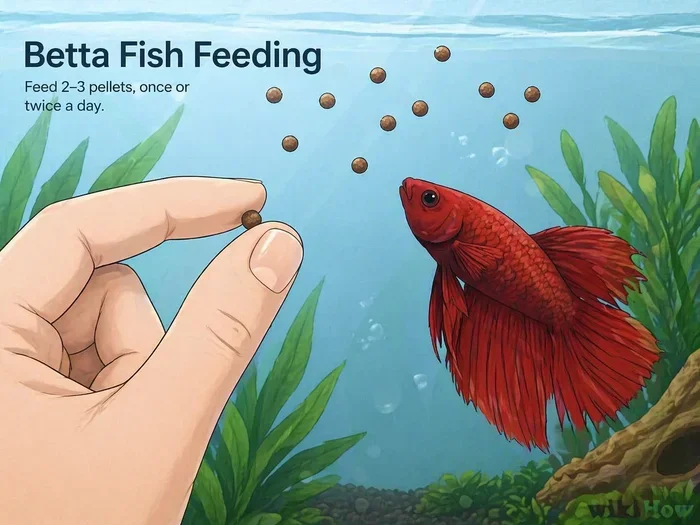
Start with 1 to 2 shrimp per feeding session. This is enough for most bettas. Drop the shrimp near your betta’s favorite feeding spot. Watch to see if your fish takes the food.
Step 4: Monitor and Clean Up
Observe your betta for a few minutes. Make sure the shrimp are consumed. Remove any uneaten pieces after 3 to 5 minutes. This prevents water quality issues and keeps your tank clean.
Quick Tips for Best Results
- Feed ghost shrimp no more than 1 to 2 times per week.
- Always offer shrimp as a supplement, not a main meal.
- Use a feeding dish to contain the shrimp and reduce mess.
- Alternate between shrimp and other treats like live brine shrimp or bloodworms for variety.
- Keep a consistent feeding schedule to maintain your betta’s routine.
Comparison: Ghost Shrimp vs Other Shrimp Foods for Betta Fish
Not sure how ghost shrimp stack up against other options? Here is a quick comparison table:
| Feature | Ghost Shrimp | Brine Shrimp | Dried Shrimp | Bloodworms |
|---|---|---|---|---|
| Protein Content | High | High | Medium | Medium |
| Enrichment Value | Very High (live) | High (live) | Low | Medium |
| Convenience | Medium | Medium | Very High | High |
| Risk of Parasites | Low (reputable source) | Low | Very Low | Very Low |
| Best For | Enrichment and nutrition | Staple treat | Convenient snack | Color enhancement |
Each option has its place in a betta fish diet. Ghost shrimp stand out for their enrichment value and natural nutrition. However, variety is always best. Rotate between different protein sources for a well-rounded diet.
Can Betta Fish and Ghost Shrimp Live Together?
This is one of the most common questions among fish keepers. The honest answer is: it depends. If your goal is to feed ghost shrimp to your betta, then keeping them together works. Your betta will likely hunt and eat the shrimp. This is perfectly normal and natural behavior.
However, if you want to raise ghost shrimp as tank mates, you may be disappointed. Bettas are predators by nature. They will see small shrimp as food, not companions. Fish compatibility is always a key consideration. In this case, bettas and ghost shrimp are not true companions. They are predator and prey.
If you still want to try keeping them together, here are some tips:
- Provide plenty of hiding spots for the shrimp. Use plants, rocks, and caves.
- Add more shrimp than your betta can eat. This gives the shrimp a better chance of survival.
- Monitor the tank closely for aggressive behavior.
- Feed your betta regularly. A well-fed betta is less likely to hunt constantly.
Some experienced aquarists successfully maintain mixed tanks. But it requires patience and careful management. For a deeper dive into this topic, read our detailed guide on can betta fish and ghost shrimp live together.
Expert Insights
Professional aquarists generally recommend a balanced approach. Dr. Marina Hayes, an aquatic biologist, notes: “Ghost shrimp are an excellent supplemental food for bettas. They closely mimic what bettas would eat in the wild. However, they should never replace a high-quality commercial diet designed specifically for bettas.”
This advice aligns with what most experienced hobbyists practice. Use ghost shrimp wisely. They are a tool for enrichment and nutrition, not a replacement for proper betta pellets or flakes.
Conclusion
So, can betta fish eat ghost shrimp? Absolutely. Ghost shrimp are a nutritious, protein-rich, and enriching food source for your betta. They support growth, coloration, and mental health. But like everything else, they should be offered in moderation and as part of a balanced diet.
Remember the key points: choose quality shrimp, feed small amounts, and never rely on shrimp alone. Betta fish care involves variety, observation, and consistency. Whether you feed live, frozen, or dried shrimp, your betta will benefit from this natural treat.
Now that you know how to properly incorporate ghost shrimp into your betta’s routine, it is time to give it a try. Your fish will thank you for the extra enrichment and nutrition. Happy feeding!
Frequently Asked Questions
How often can I feed ghost shrimp to my betta fish?
You can feed ghost shrimp to your betta 1 to 2 times per week. This frequency provides nutritional benefits without overloading their system. Always treat shrimp as a supplement, not a main meal. A high-quality betta pellet should remain the staple diet.
Are live ghost shrimp better than frozen for bettas?
Live ghost shrimp offer the best enrichment because they trigger natural hunting behavior. However, frozen shrimp are a great alternative that is safer and easier to store. Both options provide similar nutritional value. The best choice depends on your goals and convenience.
Can ghost shrimp carry diseases that harm my betta?
Ghost shrimp from unreliable sources may carry parasites or bacteria. Always purchase from reputable pet stores. Quarantine new shrimp before adding them to your main tank. This simple step protects your betta and existing tank inhabitants from potential illness.
Will my betta fish eat ghost shrimp in a community tank?
Yes, bettas will often eat ghost shrimp in a community tank. Ghost shrimp are small and move in a way that attracts predatory fish. If you want the shrimp to survive, provide plenty of hiding spots. Otherwise, assume your betta will see them as food. You can also learn more about betta fish behavior around shrimp in our compatibility guides.
Can baby betta fish eat ghost shrimp?
Baby bettas can eat very small ghost shrimp, but it is best to cut them into tiny pieces. Young bettas have smaller mouths and digestive systems. Feed them shrimp in moderation alongside specialized betta fry food. Always monitor them closely during feeding.
What other foods pair well with ghost shrimp for bettas?
Ghost shrimp pair well with high-quality betta pellets, frozen brine shrimp, bloodworms, and daphnia. Rotating between these options ensures a balanced diet. Avoid feeding only one type of food. Variety keeps your betta healthy, active, and interested in mealtime. For more options, explore our articles on feeding bettas different shrimp varieties like frozen brine shrimp and live brine shrimp.
Conclusion
To wrap things up, can betta fish eat ghost shrimp? Yes, and with good reason. Ghost shrimp deliver solid nutrition, mental enrichment, and a natural feeding experience that your betta will love. Just remember to keep portions small, feed them occasionally, and always pair them with a proper staple diet. Your betta deserves the best, and now you know exactly how to give it.