Can Betta Fish Eat Crickets
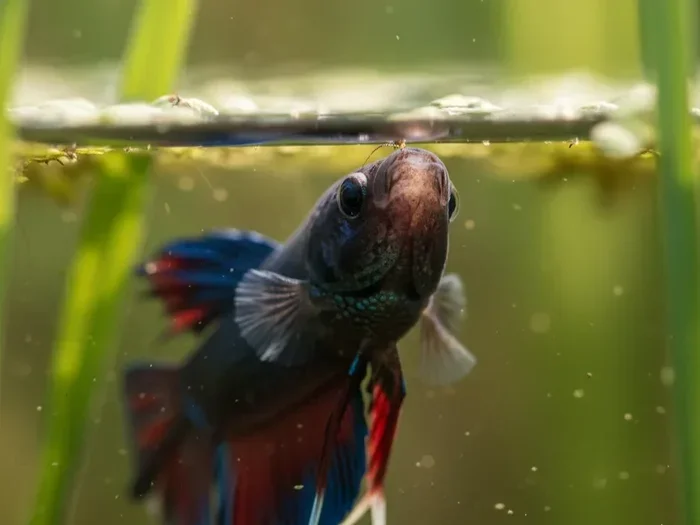
Yes, betta fish can eat crickets — they are a safe, protein-rich treat that mimics what bettas consume in the wild. Crickets offer essential nutrients like protein, amino acids, and vitamins that support your betta’s health, color, and energy. However, you must feed them in moderation, prepare them properly, and never use wild-caught crickets that carry pesticides or parasites.
If you have ever watched your betta fish stalk its food with intense focus, you know how exciting mealtime can be. Bettas are natural hunters. They love chasing down live prey. So it is no surprise that many fish owners wonder about offering something different. The question can betta fish eat crickets comes up often in aquarium forums and among hobbyists looking to diversify their fish’s meals.
The short answer is yes. Betta fish can eat crickets safely when prepared correctly and offered in moderation. Crickets are a natural source of protein that closely resembles what bettas would eat in their native habitats across Southeast Asia. In the wild, bettas feed on small insects, larvae, and other tiny creatures that fall onto the water’s surface. Crickets fit right into that diet profile. But there is more to know before you drop a cricket into your aquarium. This guide covers everything you need to make informed decisions about feeding crickets to your betta.
Whether you are a beginner or a seasoned aquarist, understanding your betta’s dietary needs is essential. A well-fed betta displays vibrant colors, active swimming behavior, and a healthy appetite. Poor nutrition leads to dull coloring, lethargy, and even serious health problems over time. Let us explore how crickets fit into the bigger picture of betta fish nutrition.
Key Takeaways
- Betta fish can safely eat crickets as an occasional treat, not a staple food.
- Crickets are high in protein and contain essential amino acids that benefit your betta’s muscle health and growth.
- Always source crickets from pet stores — never feed wild-caught crickets due to pesticide and parasite risks.
- Preparation matters: gut-load crickets, remove legs if needed, and offer small pieces to prevent choking.
- Feed crickets sparingly — once or twice a week is enough to avoid overfeeding and water quality issues.
- Crickets should complement a balanced diet of pellets, bloodworms, and occasional vegetables.
- Watch for signs of digestive issues like bloating or lethargy after introducing any new food to your betta.
📑 Table of Contents
- Why Bettas Need a Protein-Rich Diet
- Nutritional Benefits of Crickets for Betta Fish
- How to Safely Feed Crickets to Your Betta
- Crickets vs. Other Common Betta Foods
- Potential Risks and How to Avoid Them
- Expert Insights on Feeding Insects to Bettas
- Signs Your Betta Is Thriving on a Varied Diet
- Conclusion
Why Bettas Need a Protein-Rich Diet
Betta fish are carnivorous by nature. Their digestive systems are designed to process animal-based proteins efficiently. Unlike omnivorous fish that thrive on plant matter, bettas need a diet that is heavy in protein. This is why most commercial betta pellets are formulated with high protein content. In their natural environment, bettas consume mosquito larvae, small insects, and tiny crustaceans. These foods are packed with the nutrients bettas need to survive and thrive.
A protein-rich diet supports several critical functions in your betta:
- Muscle development and growth — protein builds and repairs tissue.
- Color enhancement — certain amino acids found in protein-rich foods intensify betta pigments.
- Energy levels — protein fuels active swimming and hunting behavior.
- Immune system health — proper nutrition helps bettas fight off disease.
- Fin and scale maintenance — protein contributes to healthy tissue regeneration.
When you ask yourself can betta fish eat crickets, you are really asking whether an insect-based food source can meet some of these nutritional needs. The answer is a qualified yes. Crickets are an excellent supplemental protein source, but they should never replace a complete and balanced betta diet. Think of crickets as a nutritious treat that adds variety and enrichment to your fish’s feeding routine.
Nutritional Benefits of Crickets for Betta Fish
Protein Content
Crickets are remarkably high in protein. Depending on their life stage, crickets contain between 60 and 70 percent protein by dry weight. This makes them one of the most protein-dense foods you can offer your betta. Young crickets, known as pinheads, are especially soft and easy for bettas to digest. Adult crickets provide more protein per serving but can be tougher, so preparation becomes more important.
The protein in crickets contains a full profile of essential amino acids. These amino acids are the building blocks your betta’s body uses for nearly every biological process. Unlike some plant-based proteins that lack certain amino acids, crickets deliver a complete amino acid profile. This is one of the reasons crickets have become popular as feeder insects for many species of aquarium fish.
Fat and Energy
Crickets also contain healthy fats that provide your betta with concentrated energy. Fat is essential for absorbing fat-soluble vitamins and maintaining healthy cell membranes. However, the fat content in crickets is moderate, which is a good thing. Too much fat in a betta’s diet can lead to obesity and related health issues, including swim bladder problems. Moderation is key.
Vitamins and Minerals
Crickets contain several important vitamins and minerals for betta health:
- Iron — supports healthy blood and oxygen transport.
- Calcium — aids in bone and scale health.
- B vitamins — support metabolism and nervous system function.
- Phosphorus — works alongside calcium for structural health.
- Zinc — boosts immune response and wound healing.
These micronutrients contribute to overall well-being. They help your betta maintain its vibrant colors, strong fins, and robust immune system. Compared to some processed foods that lose nutrients during manufacturing, whole foods like crickets retain their natural nutritional value.
How to Safely Feed Crickets to Your Betta
Sourcing Your Crickets
The most important rule when feeding crickets to your betta is to buy them from a reputable source. Pet store crickets are raised in controlled environments. They are free from pesticides, parasites, and diseases that could harm your fish. Never collect crickets from your backyard or outdoor areas. Wild crickets may have been exposed to insecticides, fertilizers, or other chemicals that are toxic to fish. Even small amounts of pesticide residue can be lethal to your betta.
Look for live crickets at your local pet store or online reptile supply shop. Choose crickets that are small to medium in size — no larger than the space between your betta’s eyes. A betta’s stomach is roughly the size of its eye, so oversized food items can cause digestive blockages.
Gut-Loading Crickets
Gut-loading is the practice of feeding nutritious food to crickets before offering them to your fish. This process ensures that the crickets pass on maximum nutritional value. You can gut-load crickets with:
- High-quality fish flakes or pellets
- Fresh vegetables like carrots and spinach
- Fortified cricket food available at pet stores
- Small pieces of fruit for added vitamins
Feed the crickets a nutritious meal 12 to 24 hours before offering them to your betta. This gives the crickets time to digest and absorb the nutrients. The result is a supercharged feeder insect that delivers more nutrition per serving.
Preparing Crickets for Feeding
Before dropping crickets into your betta tank, take a few simple preparation steps:
- Rinse the crickets gently under clean water to remove any dirt or debris.
- Remove the legs if needed. Some owners trim the sharp legs of larger crickets to prevent them from scratching or injuring your betta’s delicate fins.
- Offer one or two crickets at a time. Use feeding tweezers to place the cricket near the water’s surface where your betta likes to eat.
- Remove uneaten crickets within 10 to 15 minutes. Dead crickets that sink and decompose will foul your water quality quickly.
Some bettas are hesitant to eat crickets at first, especially if they are used to pellets or flakes. Be patient. You can try wiggling the cricket gently on the water surface to mimic natural movement and trigger your betta’s hunting instinct. Most bettas take to crickets quickly once they recognize them as food.
Feeding Frequency and Portion Size
Crickets should be treated as an occasional treat, not a daily meal. Once or twice per week is sufficient. On feeding days, offer crickets as a supplement to your betta’s regular pellet or flake meal. This keeps the diet balanced while adding excitement and nutritional variety. Remember that overfeeding any single food type can lead to health problems and poor water quality in your aquarium.
Crickets vs. Other Common Betta Foods
To put crickets in perspective, it helps to compare them with other popular betta foods. Each option has its own strengths and weaknesses.
| Food Type | Protein Level | Ease of Feeding | Nutritional Value | Best Use |
|---|---|---|---|---|
| Betta Pellets | High (35-45%) | Very Easy | Complete and balanced | Staple daily food |
| Bloodworms | High (50-60%) | Easy | Good protein, low variety | Occasional treat |
| Brine Shrimp | Moderate (40-50%) | Easy | Good for digestion | Staple or treat |
| Live Crickets | Very High (60-70%) | Moderate | Excellent amino acid profile | Occasional treat |
| Freeze-Dried Crickets | High (50-60%) | Very Easy | Good, but reduced moisture | Convenient treat |
| Flakes | Moderate (30-40%) | Very Easy | Decent but often lacking | Supplementary only |
As you can see from the table, crickets rank highly in protein content and amino acid quality. However, they require more effort to prepare and feed compared to pellets or flakes. Freeze-dried crickets offer a convenient middle ground. They are easy to store and feed while still delivering much of the nutritional benefit of live crickets. If you are short on time, freeze-dried crickets are a great alternative to live ones.
For a complete feeding strategy, consider rotating between several food types. Offer high-quality pellets as the staple. Supplement with bloodworms a few times a week. Add crickets occasionally for variety. And on occasion, you can offer small amounts of blanched vegetables for fiber and digestive health. This rotation ensures your betta receives a wide spectrum of nutrients.
Potential Risks and How to Avoid Them
Choking Hazards
Larger crickets can pose a choking risk for bettas. Always select crickets that are appropriately sized. If you are unsure, opt for smaller pinhead crickets. You can also crush the cricket slightly before offering it to your betta. Breaking the exoskeleton into smaller pieces makes it easier to consume and digest.
Water Quality Degradation
Uneaten crickets that die and sink to the bottom of the tank will decompose rapidly. This releases ammonia and other harmful compounds into the water. Elevated ammonia levels are dangerous for bettas and can cause stress, illness, or death. Always remove any food your betta does not eat within 15 minutes. A small net or turkey baster works well for this task.
Pesticide and Parasite Exposure
This cannot be stressed enough — never feed wild-caught crickets to your betta. Outdoor crickets may carry parasites, bacteria, or chemical residues that are invisible to the naked eye. Even crickets found in a garden that looks clean can harbor harmful substances. Stick with commercially raised feeder insects from trusted suppliers.
Overfeeding Concerns
Crickets are calorie-dense. Offering too many at once or too frequently can lead to weight gain and related health issues. Bettas that overeat may develop bloating, constipation, or swim bladder disorder. These conditions are uncomfortable for your fish and can be difficult to treat. Keep cricket treats to a minimum and observe your betta’s body condition regularly.
Expert Insights on Feeding Insects to Bettas
Many experienced aquarists and fish veterinarians agree that live and frozen insects can be valuable additions to a betta’s diet. Dr. Jessie Sanders, a certified aquatic veterinarian, has noted that replicating a fish’s natural diet is one of the best things owners can do for long-term health. Insects like crickets, mealworms, and grubs closely mimic what wild bettas consume. They provide enrichment through hunting behavior and deliver nutrition in a form that is highly bioavailable.
The key is balance. No single food item should dominate your betta’s diet. Commercial betta pellets are specifically formulated to meet all of a betta’s nutritional requirements. Treats like crickets add variety and stimulation but should complement — not replace — a complete staple food. A good rule of thumb is the 80/20 rule: 80 percent complete pellets or flakes, and 20 percent treats and supplements.
If you are interested in exploring other human foods or alternative items, you might wonder can betta fish eat tuna or can betta fish eat bread. These are common questions among fish keepers. The answer for tuna is yes in very small amounts occasionally, while bread is generally not recommended due to its low nutritional value and potential to cause digestive issues. Always research any new food before introducing it to your betta’s tank.
Signs Your Betta Is Thriving on a Varied Diet
When you feed your betta properly, the results are visible. A well-nourished betta displays several positive signs:
- Vibrant, intense colors — especially reds, blues, and greens.
- Active and alert behavior — swimming throughout the tank and responding to your presence.
- Healthy appetite — eating eagerly at feeding time.
- Intact fins and scales — no tearing, discoloration, or deterioration.
- Regular waste production — indicating proper digestion and metabolism.
- Stable weight and body shape — neither too thin nor bloated.
If you notice any negative changes after introducing crickets or any new food, stop offering that item and monitor your betta closely. Most issues resolve quickly once the problematic food is removed. When in doubt, consult a qualified aquatic veterinarian for personalized advice.
Conclusion
So, can betta fish eat crickets? Absolutely. Crickets are a safe, nutritious, and protein-rich treat that can enhance your betta’s diet and provide valuable enrichment. The key is to source them responsibly, prepare them properly, and offer them in moderation as part of a balanced feeding routine. Pair crickets with high-quality pellets, occasional bloodworms, and the right amount of variety to keep your betta healthy and happy for years to come.
Your betta depends on you for its nutrition. Taking the time to understand what foods are safe and beneficial shows that you care about your fish’s well-being. Crickets are just one of many options you can explore. As you learn more about your betta’s dietary preferences and needs, you will become a more confident and capable fish owner. Start with small portions, observe your betta’s response, and enjoy the process of providing the best possible care for your colorful companion.
Frequently Asked Questions
Are crickets safe for betta fish to eat?
Yes, crickets are safe for betta fish when they are sourced from pet stores and prepared properly. Always avoid wild-caught crickets that may carry pesticides, parasites, or bacteria. Feed crickets in moderation as an occasional treat alongside a staple diet of quality betta pellets.
How often can I feed crickets to my betta fish?
Once or twice a week is sufficient. Crickets should not replace your betta’s regular pellet or flake food. They are a supplemental treat that adds protein variety and enrichment. Overfeeding crickets can lead to digestive issues and poor water quality.
Can betta fish eat freeze-dried crickets?
Yes, freeze-dried crickets are a convenient and safe alternative to live crickets. They retain most of their nutritional value and are much easier to store. Simply rehydrate them briefly before feeding, or offer them dry if your betta takes them from the water’s surface.
Do I need to remove cricket legs before feeding them to my betta?
It is a good practice to remove or trim the legs of larger crickets. The sharp leg edges could potentially scratch your betta’s fins or mouth. For small pinhead crickets, this is usually unnecessary. Always prioritize your betta’s safety when preparing any food item.
What other insects can betta fish eat besides crickets?
Betta fish can safely eat several other insects, including mealworms, black soldier fly larvae, and small grasshoppers. Each offers a slightly different nutritional profile. You can rotate between different insect types to provide a more varied and balanced diet for your betta.
Why won’t my betta eat crickets?
Some bettas are cautious about new foods, especially if they have never eaten insects before. Try wiggling the cricket gently on the water surface to mimic natural movement. You can also crush the cricket slightly to release its scent and attract your betta’s attention. If your betta still refuses, try offering crickets on different days or mix them with a favorite food.