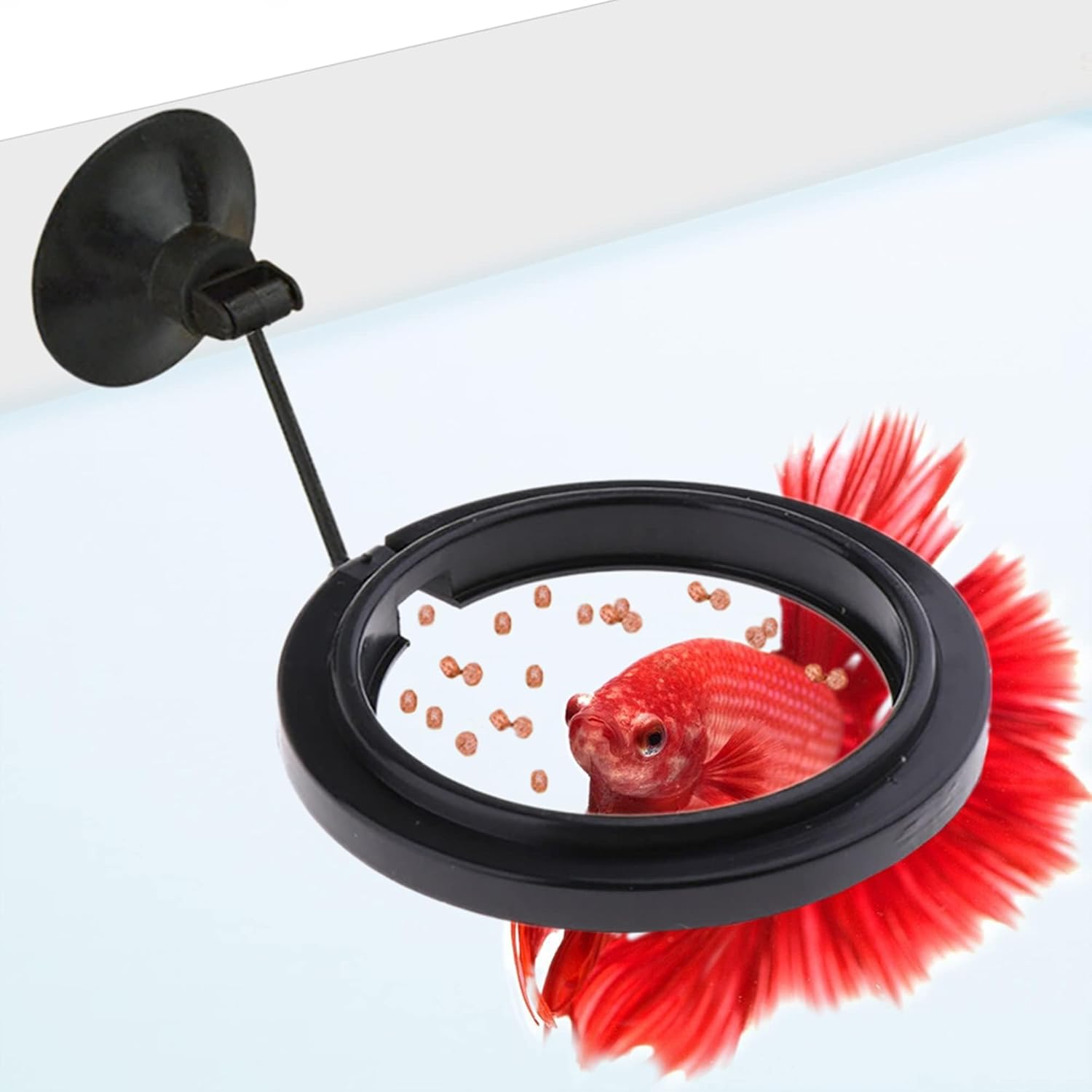
Can Betta Fish Eat Bread Crumbs
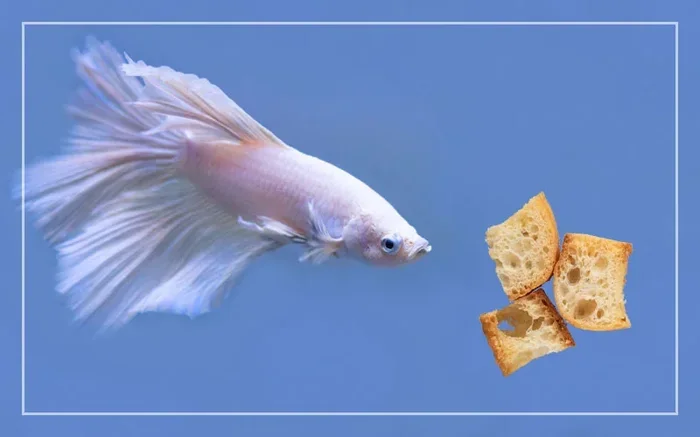
Can betta fish eat bread crumbs? The short answer is no — bread crumbs offer no nutritional value and can seriously harm your betta fish. Bread contains fillers, yeast, and additives that can cause bloating, digestive issues, and poor water quality in your aquarium. This guide covers why bread crumbs are dangerous, what happens if your betta eats them, and the best healthy alternatives you should feed instead.
Many betta fish owners wonder about can betta fish eat bread crumbs. It is a simple question, but the answer matters a lot for your fish’s health. If you have ever dropped a tiny piece of bread into your aquarium and watched your betta nibble at it, you are not alone. Lots of fish keepers have been there.
The truth is that bread crumbs are not safe for betta fish. They can cause serious health problems over time. Betta fish need a protein-rich diet that matches their natural eating habits in the wild. Bread simply does not provide what they need to thrive.
In this article, we will explore everything you need to know about feeding bread crumbs to betta fish. We will look at the risks, what happens if your betta eats bread, and the best food alternatives you can use instead. By the end, you will have a clear picture of how to keep your betta fish healthy and well-fed.
Key Takeaways
- Bread crumbs are harmful: They offer zero nutrition and can cause bloating, swim bladder issues, and digestive problems in betta fish.
- Betta fish need protein-rich diets: Their digestive systems are designed for meat-based foods like pellets, bloodworms, and brine shrimp.
- Accidental ingestion happens: If your betta eats a small piece of bread, monitor for signs of distress but don’t panic.
- Better alternatives exist: Foods like daphnia, mosquito larvae, and high-quality betta pellets are far safer and more nutritious.
- Water quality matters: Uneaten bread crumbs decompose quickly and can spike ammonia levels in your tank.
- Feeding frequency is key: Overfeeding any food, even proper betta food, can lead to health problems.
📑 Table of Contents
Can Betta Fish Eat Bread Crumbs?
The direct answer is no. Betta fish should not eat bread crumbs. Bread is made for humans, and it is not part of a betta fish’s natural diet. Your betta’s digestive system is built to process protein-rich foods like insects, larvae, and small crustaceans. Bread contains ingredients that your betta fish simply cannot digest properly.
When you drop bread crumbs into a fish tank, they do not dissolve quickly. Instead, they soak up water and expand. This can be very dangerous for your betta. The expanded bread can block the digestive tract and cause serious blockages. Even a small amount of bread can lead to discomfort and health issues over time.
What Happens If a Betta Fish Eats Bread Crumbs?
If your betta fish accidentally eats a few bread crumbs, do not panic right away. A tiny nibble will not cause immediate death in most cases. However, you should watch your fish closely for any signs of distress. Here are the most common effects:
- Bloating: Bread absorbs water in the stomach and expands. This can make your betta look swollen and uncomfortable.
- Swim Bladder Problems: A bloated stomach can press against the swim bladder, making it hard for your betta to swim properly.
- Constipation: Bread has no fiber or nutritional value, so it can sit in the gut and cause blockages.
- Loss of Appetite: If your betta feels full from indigestible bread, it may refuse proper food later.
- Water Quality Drops: Uneaten bread crumbs break down quickly and release ammonia into the water. This can harm your entire tank.
If you notice any of these signs after your betta has eaten bread, remove any remaining crumbs from the tank immediately. Do a partial water change to keep the water clean. Monitor your fish for 24 to 48 hours. If symptoms persist, consider consulting a fish veterinarian.
Why Bread Crumbs Are Bad for Betta Fish
Understanding why bread is harmful helps you make better feeding decisions. Let us look at the specific reasons bread crumbs are a poor choice for your betta fish.
Lack of Nutritional Value
Bread is mostly empty calories for a betta fish. It contains carbohydrates and wheat flour, which bettas cannot process efficiently. Betta fish are carnivorous by nature. Their bodies need protein and animal-based nutrients to stay healthy. Feeding them bread is like feeding a lion salad — it fills the stomach but provides nothing useful.
Yeast and Additives
Most commercial bread contains yeast, salt, sugar, and preservatives. These ingredients are harmless to humans in small amounts, but they can be toxic to fish. Yeast ferments in the fish’s stomach and can cause gas buildup. This leads to bloating and swim bladder issues. Salt in bread can also disrupt the osmotic balance in your betta’s body, which is dangerous over time.
Digestive System Mismatch
Betta fish have short digestive tracts designed for quick protein processing. Bread takes much longer to break down, and it often passes through undigested. This can lead to waste buildup in the tank and put extra strain on your filtration system. A healthy betta diet should mimic what they eat in the wild, which includes insects, larvae, and small invertebrates.
Can Betta Fish Eat Bread? A Closer Look
You might have seen articles or videos suggesting that a tiny bit of bread is okay. This is misleading advice. While a single small crumb may not kill your fish immediately, it is not worth the risk. There is no nutritional benefit to feeding bread to betta fish. Every time you choose a proper betta food over bread, your fish gets healthier.
If you want to learn more about whether bettas can eat other human foods, check out our article on can a betta fish eat bread for a detailed breakdown of all bread types and their effects.
Some people think that because bettas eat almost anything, bread is fine. This is a myth. Bettas are opportunistic feeders in the wild, meaning they eat whatever they can find. But in nature, that means insects and larvae — not processed wheat products. Just because a fish will eat something does not mean it should.
Best Foods to Feed Your Betta Fish Instead
Now that you know bread crumbs are a bad idea, let us talk about what you should feed your betta instead. There are many excellent options that are both safe and nutritious.
High-Quality Betta Pellets
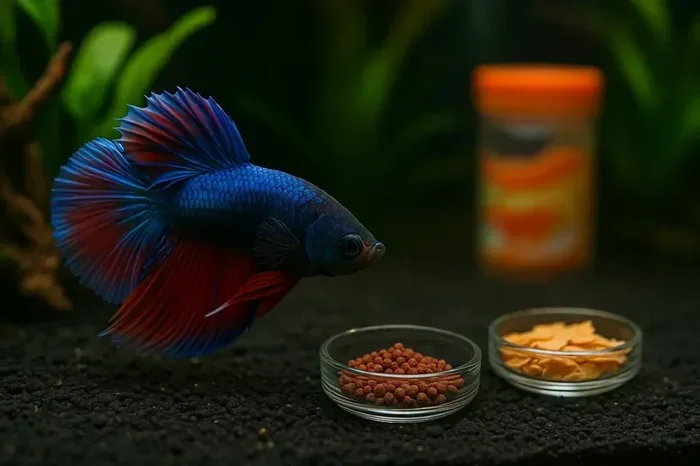
The best staple food for betta fish is high-quality betta pellets. These are specifically formulated to meet the nutritional needs of bettas. Look for pellets that list fish meal or shrimp as the first ingredient. Avoid pellets with fillers like wheat or corn, as these offer little nutritional value.
Frozen and Live Foods
Betta fish love live and frozen foods. These are excellent sources of protein and mimic their natural diet. Great options include:
- Bloodworms: A favorite treat for most bettas. You can feed them frozen or live. However, do not make bloodworms the only food, as they lack complete nutrition. Learn more about whether bettas can survive on bloodworms alone.
- Brine Shrimp: Rich in protein and easy to digest. Great as a regular food or occasional treat.
- Daphnia: A natural pond food that helps with digestion and makes an excellent alternative to bread-based foods.
- Mosquito Larvae: In the wild, bettas hunt mosquito larvae. You can culture them at home or buy them frozen.
Betta Flakes
Betta flakes are another option, but they are not as ideal as pellets. Flakes tend to lose their nutritional value quickly once exposed to air. They also float on the surface, which is fine for bettas since they are surface feeders. However, flakes often contain fillers and fillers that are not ideal for long-term betta health.
Feeding Schedule and Portions
How you feed is just as important as what you feed. Follow these simple guidelines for a healthy betta:
- Feed 2 to 3 times per day with small portions.
- Only give what your betta can eat in 2 minutes. Remove any uneaten food after this time.
- Skip one feeding day per week. This helps prevent overfeeding and gives the digestive system a rest.
- Rotate between pellets, frozen foods, and occasional treats for a balanced diet.
If you are concerned about overfeeding, remember that betta fish can over eat, and this is one of the most common causes of health problems in captive bettas. Always err on the side of underfeeding rather than overfeeding.
Common Mistakes When Feeding Betta Fish
Many new betta owners make feeding mistakes that can shorten their fish’s lifespan. Here are the most common ones to avoid.
Feeding Human Food Regularly
It is tempting to share your food with your fish. But human food like bread, crackers, and chips are not designed for fish. Stick to foods made specifically for bettas to ensure proper nutrition and safety.
Overfeeding
This is the number one mistake fish keepers make. Betta fish have small stomachs, roughly the size of their eye. Feeding too much leads to obesity, bloating, and poor water quality. Less is more when it comes to betta feeding.
Ignoring Water Quality After Feeding
Uneaten food decays quickly in warm water. This releases ammonia and nitrites that are toxic to fish. Always remove uneaten food within a few minutes of feeding. Good water quality is just as important as good food for your betta’s health.
Relying on One Type of Food
Even the best betta pellets should not be the only food your fish eats. Variety ensures a full range of nutrients. Mix pellets with frozen or live foods a few times a week for the best results.
What About Other Fish Foods? Can Bettas Eat Them?
Sometimes you may find yourself wondering if other types of fish food are safe for your betta. While betta-specific foods are always best, some alternatives can work in a pinch. For example, if you run out of betta pellets, you might wonder if tropical fish food or other community fish pellets are okay. These are not ideal, but a small amount will not harm your betta in an emergency.
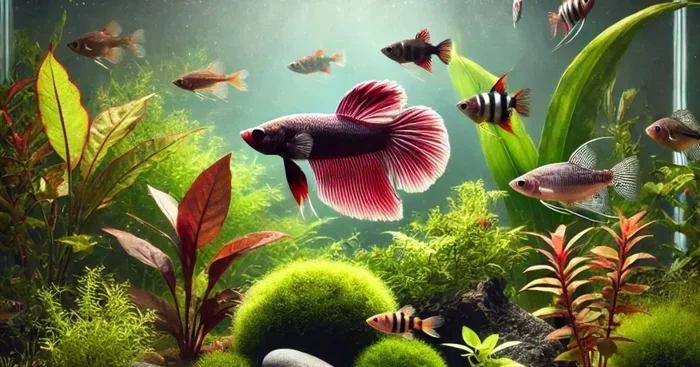
If you keep other fish species in your tank, you might also wonder about cross-species feeding. For instance, can tetras eat betta fish food? This is a common question among community tank owners. While tetras can nibble on betta pellets occasionally, they need their own species-specific diet for optimal health.
The key takeaway is to always prioritize foods designed for your betta’s specific dietary needs. Betta fish are unique creatures with unique nutritional requirements, and generic fish foods do not always meet those needs.
Quick Tips for a Healthy Betta Diet
- Always feed high-quality betta pellets as the staple food.
- Offer frozen or live foods 2 to 3 times per week as treats.
- Never feed bread, crackers, or processed human foods.
- Remove uneaten food within 2 minutes of feeding.
- Fast your betta one day per week to support digestion.
- Watch for signs of overfeeding like bloating, lethargy, or cloudy water.
- Keep the tank clean with regular water changes to support overall health.
Following these simple tips will help your betta fish live a long, happy, and healthy life. A proper diet is the foundation of good betta fish care, and avoiding harmful foods like bread crumbs is one of the easiest steps you can take.
Conclusion
So, can betta fish eat bread crumbs? The answer is a clear no. Bread crumbs provide no nutritional value and can cause bloating, digestive issues, and water quality problems in your aquarium. Your betta fish deserves a diet rich in protein and tailored to its carnivorous nature. Choose high-quality betta pellets, frozen foods, and live treats instead of reaching for the bread box.
Making the right feeding choices is one of the simplest and most impactful ways to care for your betta fish. Every meal you serve is an opportunity to support your fish’s health, color, and energy levels. Skip the bread crumbs and choose foods that your betta was born to eat. Your fish will thank you with vibrant colors, active swimming, and a long, healthy life.
Frequently Asked Questions
Can betta fish eat bread crumbs in small amounts?
While a tiny accidental nibble will not usually kill a betta fish, bread crumbs should never be intentionally fed. Even small amounts offer no nutrition and can cause bloating or digestive discomfort. It is always best to avoid bread entirely and stick to proper betta foods.
What should I do if my betta fish ate bread crumbs?
Remove any remaining bread from the tank immediately. Do a partial water change to maintain water quality. Watch your fish for signs of bloating or distress over the next 24 to 48 hours. If symptoms appear, consider fasting your betta for a day to help its digestive system recover.
Can betta fish eat toast or crackers instead of bread?
No. Toast, crackers, and other processed baked goods are just as bad as bread crumbs. They contain similar ingredients like wheat flour, salt, and additives that betta fish cannot digest. These foods should never be offered to your fish.
What is the best food for betta fish?
The best food for betta fish is high-quality betta pellets made with fish meal or shrimp as the primary ingredient. Supplementing with frozen or live foods like bloodworms, brine shrimp, and daphnia provides excellent variety and complete nutrition.
How often should I feed my betta fish?
Feed your betta fish 2 to 3 times per day with small portions. Only give what your fish can eat within 2 minutes. Skipping one feeding day per week helps prevent overfeeding and supports healthy digestion.
Are there any human foods that betta fish can eat safely?
Some human foods like cooked, unsalted peas or small pieces of cucumber can be offered occasionally. However, betta-specific foods should always make up the majority of the diet. Always research any human food before offering it to your fish to ensure it is safe.