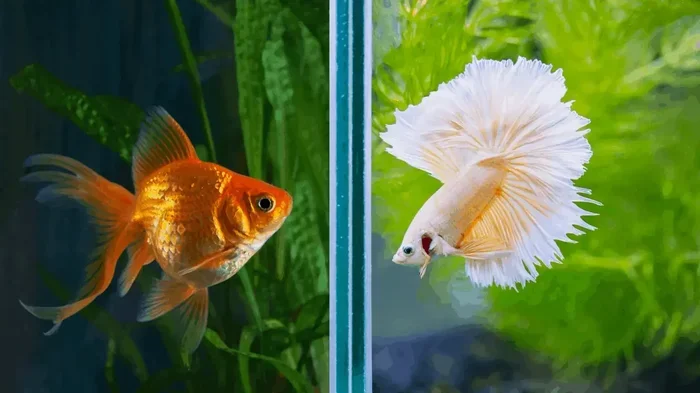
Are Pink Betta Fish Rare

Pink betta fish are relatively rare in the aquarium hobby because their color is not naturally common and breeding them requires specific genetics. These beautiful freshwater fish stand out with their soft pink hues and unique patterns. Whether you are looking for a pink betta for sale or just curious about their rarity, this guide covers everything you need to know about caring for and finding these stunning ornamental fish.
Pink betta fish have captured the attention of aquarium lovers everywhere. Their soft, rosy color stands out in any tank. But many hobbyists wonder if pink betta fish are truly rare. The answer is more nuanced than you might think. Some pink bettas are easy to find while others are extremely hard to get. Let us dive into the world of pink betta fish and explore everything there is to know.
When most people think about betta fish, they picture bright reds or deep blues. Pink bettas break that mold. Their gentle coloration makes them a favorite among fish keepers who want something different. But rarity depends on several factors. These include genetics, breeding practices, and market demand. Understanding these factors helps you appreciate why pink bettas cost what they do.
Betta fish come in many colors and patterns. Each variety has its own charm. Pink bettas sit in a unique spot because they are not as common as red or blue bettas. This guide will walk you through the different types of pink bettas, how rare they really are, and what you need to know before buying one.
Key Takeaways
- Pink betta fish are considered rare: Their pink color comes from specific genetic combinations that are not widely available.
- Several pink betta varieties exist: Including solid pink, marble pink, and cellophane pink types.
- They require proper care: Clean water, warm temperatures, and a good diet keep pink bettas healthy and vibrant.
- Pink bettas are not aggressive fighters: Most are peaceful and do well in solo tanks.
- Price varies based on rarity: Rare pink specimens can cost more than common betta colors.
- Breeding pink bettas is challenging: It takes knowledge and patience to produce consistent pink offspring.
📑 Table of Contents
What Makes Pink Betta Fish Rare
The rarity of pink betta fish comes down to genetics and selective breeding. Not all bettas can produce pink offspring. It takes specific parent fish with the right color genes to create a pink betta. This makes them less common than standard colors like red or blue.
Genetics Behind the Pink Color
Betta fish colors are determined by pigments in their skin and scales. The pink color appears when certain pigment cells are reduced or absent. This is called a lack of iridescence. When a betta has low iridescent cells, its base color shows through more clearly. In pink bettas, the base color is a soft pink or salmon shade.
Breeders must carefully select parent fish that carry the pink gene. This is not something that happens by accident very often. The process requires multiple generations of selective breeding. That is why pink bettas are less available than other colors.
How Rarity Compares to Other Betta Colors
To understand how rare pink bettas are, it helps to compare them to other colors. Red bettas are the most common and widely bred. They are easy to find in pet stores and online. Blue bettas are also quite common. But pink bettas fall into a rarer category.
If you compare pink bettas to other rare colors like purple or true white, they are somewhat easier to find. But compared to red or blue, they are definitely less common. The table below shows a quick comparison of betta color rarity.
| Color | Rarity Level | Availability |
|——-|————-|————-|
| Red | Very Common | Easy to find |
| Blue | Common | Widely available |
| Pink | Uncommon to Rare | Limited availability |
| Purple | Rare | Hard to find |
| True White | Very Rare | Very limited |
As you can see, pink bettas sit in the middle of the rarity spectrum. They are not the rarest bettas out there, but they are not easy to find either. This makes them a special addition to any aquarium.
Different Types of Pink Betta Fish
Not all pink bettas look the same. There are several varieties that fall under the pink category. Each one has its own unique appearance and characteristics. Let us look at the most popular pink betta types.
Solid Pink Betta
The solid pink betta is exactly what it sounds like. Its entire body is a uniform pink color from nose to tail. These fish are prized for their clean, even coloration. A true solid pink betta has no patches or color variations. They look elegant and eye-catching in any tank.
Solid pink bettas are among the harder pink varieties to breed. The color must be consistent across the entire body. Even a slight deviation can disqualify a fish from being considered a true solid pink.
Marble Pink Betta
Marble bettas are famous for their unpredictable color patterns. A marble pink betta has patches of pink mixed with other colors like white or blue. The pattern can change over time, which makes each fish unique. This is called the “marble gene” and it causes color shifts throughout the fish’s life.
Marble pink bettas are more common than solid pinks because the marble gene is easier to pass down. If you want a pink betta with interesting patterns, a marble variety is a great choice.
Cellophane Pink Betta
Cellophane bettas have a translucent, almost see-through appearance. When they carry pink pigments, they develop a soft pink glow. The cellophane pink betta looks delicate and ethereal. Their translucent fins let light pass through, creating a beautiful effect.
These fish are rarer because the cellophane trait combined with pink coloration is a specific genetic combination. Finding a true cellophane pink betta can be a challenge for hobbyists.
Piebald Pink Betta
Piebald bettas have a white or pink base with darker color patches on their head and body. A pink piebald betta has a pinkish-white body with pink or red accents. This pattern is caused by a lack of pigment in certain areas. Piebald pink bettas are uncommon but highly sought after.
How Much Do Pink Betta Fish Cost
The price of a pink betta fish depends on its variety and rarity. Common pink bettas can be affordable. But rare solid or cellophane pink specimens can cost significantly more. Let us break down what you can expect to pay.
Price Range for Pink Bettas
Standard marble pink bettas typically cost between $15 and $30. Solid pink bettas with even coloration can range from $30 to $60. Cellophane pink bettas and piebald pinks may cost $50 or more. True show-quality pink bettas can reach $100 or higher.
Compare this to a standard red betta, which usually costs $5 to $15. The price difference reflects the effort breeders put into producing pink coloration. It also reflects the limited supply of these fish.
Where to Buy Pink Betta Fish
Finding a pink betta for sale takes a bit more effort than buying a common color. Here are the best places to look:
- Specialty breeders: They often have the rarest and highest quality pink bettas.
- Online fish stores: Many online shops carry pink bettas from reputable breeders.
- Local fish clubs: Members often sell or trade rare color varieties.
- Auction sites: Some breeders sell pink bettas through online auctions.
When buying a pink betta, always check the fish’s health. Look for bright color, active swimming, and no signs of disease. A healthy pink betta will live longer and bring you more joy.
Caring for Your Pink Betta Fish
Taking care of a pink betta is not much different from caring for any other betta. But there are a few things to keep in mind to keep their color vibrant and their health strong.
Tank Setup for Pink Bettas
Pink bettas need a clean, warm environment to thrive. Here are the basics for setting up a pink betta tank:
- Tank size: At least 5 gallons is recommended. Larger tanks are even better.
- Water temperature: Keep it between 76 and 82 degrees Fahrenheit.
- Filtration: A gentle filter is important. Strong currents can stress bettas. You can learn more about whether water filters are necessary for betta fish in our detailed guide.
- Heating: A heater is essential to maintain stable temperatures.
- Decorations: Live plants and gentle lighting make pink bettas look their best.
Pink bettas look especially stunning against dark substrates. A dark background brings out their pink color and makes them pop.
Feeding Your Pink Betta
A proper diet keeps your pink betta healthy and colorful. Feed your betta a varied diet of high-quality pellets, frozen foods, and occasional treats. You should feed betta fish everyday but in small amounts. Overfeeding can lead to health problems and dirty water.
Good food options for pink bettas include:
- High-quality betta pellets
- Frozen bloodworms
- Brine shrimp
- Daphnia
- Occasional treats like mosquito larvae
Feed your pink betta once or twice a day. Remove any uneaten food after a few minutes to keep the water clean.
Common Health Issues
Pink bettas are generally hardy fish. But they can still face common health problems. Watch for signs of fin rot, ich, or velvet disease. These are the most common issues in betta fish. Keeping water clean and stable helps prevent most health problems.
If your pink betta starts looking pale or loses color, it could be a sign of stress or illness. Check water parameters regularly. Ammonia and nitrite levels should always be at zero. Nitrate should stay below 20 ppm.
Breeding Pink Betta Fish
Breeding pink bettas is a rewarding but challenging endeavor. It requires patience, knowledge, and the right parent fish. Not every breeding pair will produce pink offspring.
Selecting the Right Parents
To breed pink bettas, you need parent fish that carry the pink gene. This is not always visible in the parents. Sometimes two fish with no pink coloration can produce pink babies if they both carry the recessive gene.
Experienced breeders carefully select their breeding pairs based on color lineage. They track the genetics of their fish over multiple generations. This increases the chances of producing pink offspring.
The Breeding Process
The breeding process for pink bettas follows the same steps as breeding any betta:
- Condition the parents with high-quality food.
- Introduce the male and female to a breeding tank.
- Allow the male to build a bubble nest.
- Let the pair spawn naturally.
- Remove the female after spawning.
- Care for the fry in a separate container.
Pink betta fry may not show their true color right away. It can take several months for the pink color to fully develop. Be patient and provide excellent care during this time.
Are Pink Betta Fish Good Pets
Pink betta fish make wonderful pets for many reasons. Their gentle color is calming to watch. They are interesting to care for and each one has its own personality.
Temperament and Behavior
Most pink bettas are peaceful and do well on their own. Male bettas should be kept alone because they will fight with other males. Female bettas can sometimes be kept in small groups called sororities.
Unlike some brightly colored bettas that can be nippy, pink bettas tend to be calm. They enjoy exploring their tank and interacting with their environment. Adding gentle tank mates like snails that are good with betta fish can make their tank more interesting.
Lifespan of Pink Bettas
With proper care, pink bettas can live 3 to 5 years. Some well-cared-for bettas have even lived longer. The key is maintaining clean water, a good diet, and a stress-free environment.
Common Mistakes People Make With Pink Betta Fish
Even experienced fish keepers sometimes make mistakes with pink bettas. Here are the most common ones to avoid:
- Overfeeding: This leads to obesity and dirty water. Feed small amounts once or twice a day.
- Using too small a tank: Tiny bowls are not suitable for bettas. A 5-gallon tank is the minimum.
- Ignoring water quality: Regular water changes are essential. Dirty water causes stress and disease.
- Keeping incompatible tank mates: Not all fish get along with bettas. Research before adding any tank mates.
- Expecting instant color: Pink bettas may take time to develop their full color. Be patient.
Final Thoughts on Pink Betta Fish Rarity
So, are pink betta fish rare? The answer is yes and no. They are rarer than common colors like red and blue, but they are not as rare as some of the most exotic betta varieties. Pink bettas are special because of their unique color and the care that goes into breeding them.
If you are looking to add a pink betta to your collection, start by finding a reputable breeder. Take your time to choose a healthy fish with good color. And most importantly, give your pink betta the care it deserves. A well-cared-for pink betta will reward you with years of beauty and enjoyment.
The world of betta fish is full of surprises. From common reds to rare pinks, there is always something new to discover. Whether you are a beginner or a seasoned hobbyist, pink bettas are a wonderful addition to any freshwater aquarium. Their gentle color and peaceful nature make them a joy to own.
Frequently Asked Questions
Are pink betta fish naturally found in the wild?
Pink bettas are not commonly found in the wild. Their pink color is the result of selective breeding by humans. Wild bettas typically display more muted colors like brown, green, and gray for camouflage purposes.
How can I tell if my pink betta is healthy?
A healthy pink betta has bright, even coloration and active swimming behavior. Look for clear eyes, intact fins, and a good appetite. If your fish looks pale or stays at the bottom, check your water parameters immediately.
Can pink betta fish live with other fish?
Male pink bettas should be kept alone because they are territorial. Female bettas can sometimes live in small groups. Some peaceful tank mates like certain snails or shrimp may work, but always research compatibility before adding new fish.
Why is my pink betta turning white or losing color?
Color loss in pink bettas can be caused by stress, poor water quality, or illness. Check your water parameters and make sure the temperature is stable. A balanced diet and clean water will help restore their vibrant pink color over time.
Are pink betta fish more expensive than other betta colors?
Yes, pink bettas generally cost more than common colors like red or blue. The rarity of the pink gene and the effort required to breed consistent pink specimens drives up the price. Show-quality pink bettas can be especially expensive.
What is the difference between a pink betta and a rose pink betta?
A rose pink betta has a deeper, more saturated pink color with red undertones. Regular pink bettas are lighter and more uniform in color. The rose pink variety is often more sought after by collectors and can be harder to find.