Are Betta Fish Supposed to Be Alone
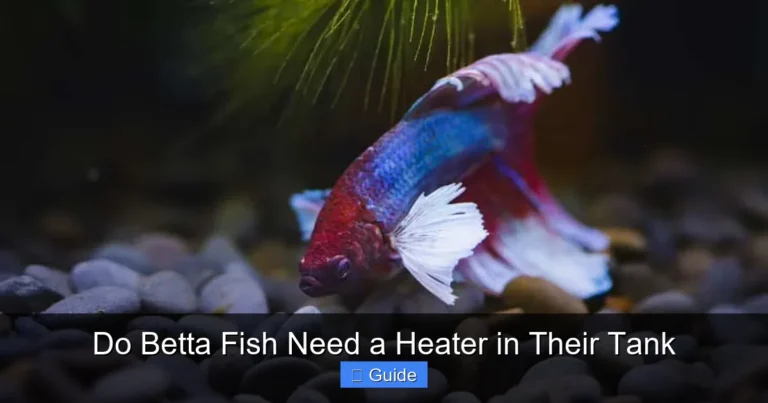
Are betta fish supposed to be alone? The short answer is yes — most betta fish thrive best when kept solo. Known as siamese fighting fish, bettas are naturally territorial and can become aggressive toward other fish. However, understanding betta fish social behavior helps you create the right environment for a happy, healthy pet.
So, you just brought home a beautiful betta fish and now you are wondering, are betta fish supposed to be alone? This question pops up in every new betta owner’s mind at some point. Maybe you saw other fish swimming happily in community tanks and thought, “Why can’t my betta have friends?”
The truth is, betta fish have a unique personality and specific needs. They are not like most tropical fish that thrive in groups. Understanding betta fish solitary behavior is the first step toward being a great fish parent. In this guide, we will walk through everything you need to know about keeping your betta happy, healthy, and stress-free — whether that means going solo or finding the right tank setup.
Key Takeaways
- Bettas are solitary by nature: Wild bettas prefer living alone, and captivity should reflect that whenever possible.
- Male bettas are highly territorial: Keeping two males together almost always leads to fighting and injury.
- Female bettas can sometimes coexist: A carefully managed sorority tank may work, but it requires experience and the right setup.
- Tank mates are possible but tricky: Some peaceful species can share a tank with a betta if conditions are right.
- A lonely betta can become stressed: Even though they prefer solitude, environmental enrichment still matters for their well-being.
- Tank size and setup make a big difference: A well-planned tank reduces aggression and boredom.
📑 Table of Contents
Why Are Betta Fish Supposed to Be Alone?
The short answer comes down to genetics. Betta fish, also known as siamese fighting fish, were bred for centuries in Southeast Asia for their aggressive tendencies. In the wild, males guard their territory fiercely. They chase away anything that looks like a rival — including other bettas.
When you keep two male bettas in the same tank, the results are usually predictable. One fish will bully the other. The weaker fish becomes stressed, stops eating, and may even injure itself by flashing against the tank walls. In the worst cases, fights lead to death.
The Science Behind Betta Aggression
Betta aggression is not just a quirky personality trait. It is a survival mechanism. In their natural habitat — rice paddies, slow streams, and shallow ponds in Thailand — bettas compete for limited space and resources. A male betta will defend a small territory against intruders to protect food sources and potential mates.
Captivity does not erase thousands of years of evolution. Even if your betta lives in a cozy 5-gallon tank with clean water and a comfortable temperature, its instincts remain the same. That is why keeping betta fish alone is the safest and most natural choice for most hobbyists.
Male vs. Female Betta Behavior
Not all bettas behave the same way. Male bettas are the most aggressive and territorial. They flare their gills, spread their fins, and will attack anything that moves near their space. Female bettas are generally less aggressive, but they can still be feisty.
Some experienced fish keepers manage to keep groups of female bettas together in what is called a “sorority.” However, this setup requires a large tank (at least 20 gallons), plenty of hiding spots, and careful monitoring. Even then, there is no guarantee that every fish will get along.
Can Betta Fish Live With Other Fish?
This is where things get interesting. While betta fish tank mates are not impossible, they are not a one-size-fits-all solution. The success of a community tank depends on several factors, including tank size, temperament, and species compatibility.
If you are considering adding other fish to your betta’s home, you need to think carefully. A crowded tank increases stress and raises the chances of conflict. On the other hand, a well-planned community tank can provide mental stimulation and reduce boredom for your betta.
Best Tank Mates for Betta Fish
Some peaceful species tend to coexist well with bettas. Here are a few options that many fish keepers have had success with:
- Neon tetras: Small, fast, and non-confrontational. They stay out of the betta’s way and add color to the tank.
- Corydoras catfish: Bottom-dwellers that mind their own business and help keep the tank clean.
- Snails (like mystery snails): Slow-moving and harmless. They are excellent algae eaters too.
- Kuhli loaches: Eel-like fish that stay hidden during the day and come out at night.
- Ghost shrimp: Inexpensive and unobtrusive. They make a good test subject to see how your betta reacts.
Fish to Avoid With Betta Fish
Certain species are a bad match for bettas. Avoid these to prevent fights and stress:
- Other male bettas: Never house two males together. This is a hard and fast rule.
- Fin-nipping fish: Species like tiger barbs or serpae tetras will nip at a betta’s long fins, causing injury and stress.
- Brightly colored fish: Fish that look like rival bettas (guppies, male mollies) can trigger territorial behavior.
- Large or aggressive fish: Anything that is bigger or more dominant will intimidation your betta.
Signs Your Betta Fish Is Lonely or Stressed
Even though bettas prefer solitude, they still need a stimulating environment. A fish that is bored or stressed can develop health problems. Learning to recognize the signs early can save your betta’s life.
Common Stress Signals
Watch for these warning signs that your betta might be unhappy:
- Clamped fins: When a betta holds its fins close to its body, it often signals stress or illness.
- Loss of color: A vibrant betta that turns pale or faded is likely feeling unwell or anxious.
- Refusing food: If your betta ignores meals it normally loves, something is wrong.
- Lethargy: Spending all day at the bottom of the tank or hiding in corners is not normal behavior.
- Flaring at nothing: Constant flaring at the glass or at their own reflection can indicate frustration.
How to Enrich Your Betta’s Environment
Even in a solo tank, you can make life interesting for your betta. A good setup goes beyond just a filter and a heater. Here are some ideas:
- Live plants: Plants like java moss or anubias provide cover and make the tank feel natural.
- Decorations and caves: Offer hiding spots where your betta can rest and explore.
- A gentle current: Bettas prefer slow-moving water. Strong filters can stress them out.
- Mirror sessions: Briefly showing a mirror (for 2-3 minutes, a few times a week) can stimulate natural behavior. Just do not overdo it.
How Big Should a Betta Tank Be?
The size of the tank matters more than most people think. A tiny bowl is not a suitable home for a betta. These fish need room to swim, explore, and establish their territory — even if they are living alone.
A 5-gallon tank is the absolute minimum for a single betta. A 10-gallon or larger tank gives you more flexibility for plants, decorations, and potentially compatible tank mates. Larger tanks also make it easier to maintain stable water parameters, which is crucial for betta fish health.
Why Small Tanks Cause Problems
When a betta lives in a too-small space, toxins like ammonia and nitrite build up quickly. These chemicals damage the fish’s gills and immune system. A stressed betta in a cramped tank is more likely to get sick, act aggressively, or lose its vibrant colors.
Bigger tanks also mean more stable temperatures. Betta fish sensitivity to water temperature is well documented. Sudden swings in temperature can shock your fish and lead to serious health issues. A heater and thermometer are essential investments.
Common Mistakes People Make With Betta Fish
Even well-meaning owners make mistakes. Here are a few common ones that can affect your betta’s quality of life:
- Overcrowding the tank: Adding too many fish or too many decorations can shrink your betta’s territory and increase stress.
- Ignoring water changes: Even with a filter, regular water changes (20-30% weekly) are necessary to keep the water clean.
- Using the wrong filter: Some filters create too strong of a current for bettas. Look for sponge filters or adjustable flow filters.
- Skipping enrichment: A bare tank with nothing to do leads to boredom. Add plants, caves, and varied décor.
- Overfeeding: Bettas have small stomachs. Feed them 2-3 pellets twice a day and skip a day each week to let their digestive system rest.
Expert Insights on Betta Fish Solitude
Many experienced aquarists agree that bettas are happier alone in most cases. According to bettafishinfo.com and other trusted resources, the natural behavior of bettas supports keeping them in individual tanks. When people ask, are betta fish meant to be alone, the consensus among experts leans strongly toward yes.
That said, every betta has its own personality. Some are more laid-back and tolerate the presence of other fish better than others. Observing your fish closely and adjusting its environment accordingly is the best approach. If you notice signs of stress when other fish are present, it is time to rehome the tank mates and give your betta its own space.
Some resources also suggest that why betta fish need to be alone comes down to their evolutionary history. Generations of selective breeding for fighting traits mean that aggression is deeply wired into their behavior. Even the most docile betta carries those instincts.
Final Thoughts on Keeping Betta Fish Alone
To wrap things up, are betta fish supposed to be alone? For the vast majority of bettas, the answer is yes. These stunning fish are built to thrive on their own. They are not lonely in the way humans are. Instead, they are content when their territory is secure, their water is clean, and their needs are met.
If you want to add other fish, do so carefully and with a well-planned setup. Monitor behavior closely and be ready to make changes if things do not work out. The most important thing is that your betta feels safe, comfortable, and engaged in its environment.
Whether your betta lives alone or shares a tank, the love and attention you give as an owner make all the difference. A happy betta is a healthy betta, and that is what every fish keeper wants.
Frequently Asked Questions
Can two male betta fish ever live together?
In almost all cases, no. Two male bettas will fight, often to the death. Their territorial instincts are too strong to overcome, even in large tanks with plenty of hiding spots. Always keep males in separate tanks.
How do I know if my betta is lonely?
Bettas do not experience loneliness the way mammals do. However, a bored or unstimulated betta may show signs of lethargy, loss of color, or repetitive behaviors. Providing enrichment like plants and decorations helps keep them engaged.
Can a betta fish live with a goldfish?
No. Goldfish and bettas have very different temperature and water quality needs. Goldfish also grow large and produce a lot of waste, making them a poor match for bettas.
Is it okay to keep a female betta with other fish?
It can be, but it requires careful planning. A larger tank with plenty of hiding spots and peaceful tank mates offers the best chance of success. Always monitor interactions closely.
What is the best tank setup for a solo betta?
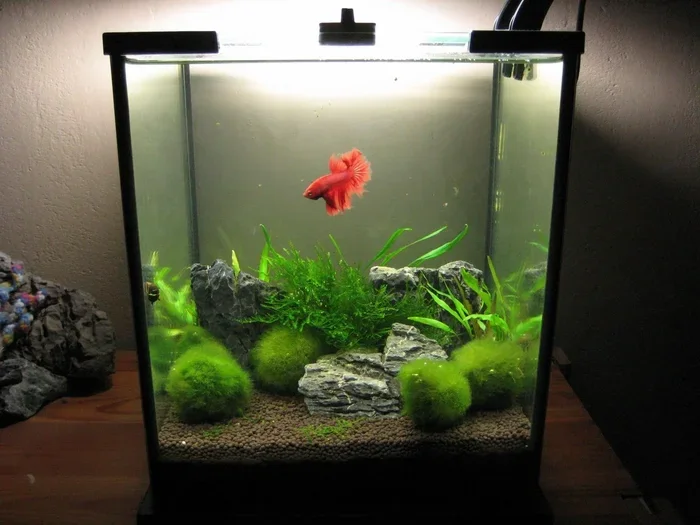
A 5-gallon or larger tank with a gentle filter, a heater set to 78-80 degrees Fahrenheit, live plants, and a few hiding spots creates a comfortable home. Keep the water clean with regular changes.
Do betta fish get bored in a small tank?
Yes, bettas can become bored in an empty or undersized tank. Adding plants, caves, and varied décor stimulates natural behaviors and keeps your betta mentally active and healthy.