Are Betta Fish Color Blind
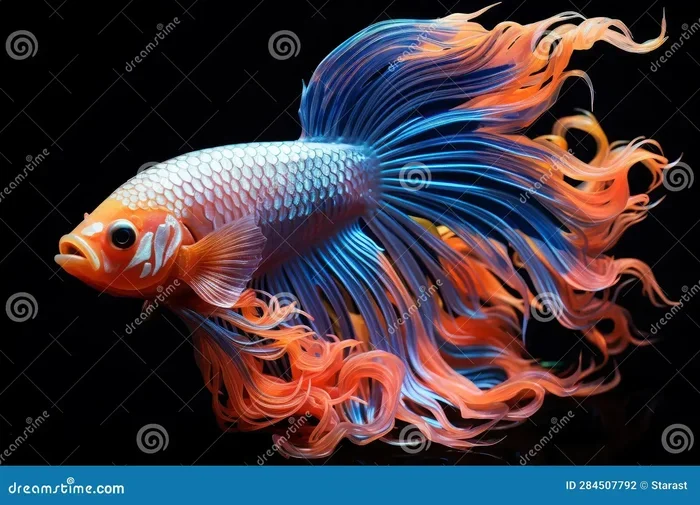
So, are betta fish color blind? The short answer is no — betta fish can see a range of colors, including ultraviolet light that humans cannot. Their eyes are specially adapted for life in shallow, warm waters, giving them a unique visual world. Understanding betta fish color vision helps you create a better tank environment and keep your fish happy and healthy.
Have you ever looked at your betta fish and wondered what the world looks like through their eyes? It is a fascinating question. Many fish owners assume that betta fish are color blind. But the truth might surprise you.
Betta fish are not color blind. In fact, they have a more advanced color vision than most people realize. These beautiful creatures can see a range of colors that humans cannot even imagine. Their eyes are built for life in the warm, shallow waters of Southeast Asia. And every part of their vision has a purpose.
Understanding how betta fish see color is more than just a fun fact. It can actually help you take better care of your fish. From choosing the right tank colors to setting up proper lighting, your choices matter. Let us dive deep into the colorful world of betta fish vision.
Key Takeaways
- Betta fish are not color blind: They can see a wide range of colors including UV light.
- Betta fish have tetrachromatic vision: This means they have four types of color receptors, unlike humans who have three.
- Lighting affects color perception: The right aquarium lighting can enhance how your betta sees colors in the tank.
- Betta fish can see their own colors: Their vivid scales may look even more brilliant to other fish.
- Tank decor and colors matter: Choosing the right colors in your aquarium setup can positively impact your betta’s mood and behavior.
- Color changes in bettas are normal: Betta fish can change color due to age, stress, or emotions — learn more about why betta fish change color.
📑 Table of Contents
- How Betta Fish Eyes Work
- Are Betta Fish Really Color Blind?
- How Lighting Affects Betta Fish Color Vision
- Can Betta Fish See Their Own Colors?
- Tips for Enhancing Your Betta Fish’s Color Experience
- Common Mistakes People Make About Betta Fish Vision
- Expert Insights on Betta Fish Color Vision
- Conclusion
How Betta Fish Eyes Work
Betta fish eyes are quite remarkable. They are similar to human eyes in some ways but very different in others. Both humans and bettas have a lens, a retina, and color-detecting cells called cones. But the number and type of cones make all the difference.
The Structure of a Betta Fish Eye
A betta fish eye works much like a camera. Light enters through the cornea. It passes through the lens. Then it hits the retina at the back of the eye. The retina contains special cells that detect light and color.
Here is what makes betta eyes special:
- Four types of cone cells: Humans have three types. Bettas have four. This is called tetrachromatic vision.
- UV light detection: Bettas can see ultraviolet light. This is a range of light that is invisible to the human eye.
- Wide field of view: Betta eyes are positioned on the sides of their head. This gives them a nearly 360-degree view of their surroundings.
- Good low-light vision: Betta fish can see reasonably well in dim conditions. This helps them navigate murky waters in the wild.
Because of this eye structure, betta fish have a visual world that is richer than ours in some ways. They can pick up colors and light frequencies that we simply cannot.
Are Betta Fish Really Color Blind?
The idea that betta fish are color blind is a myth. It likely started because fish do not see colors the same way humans do. But that does not mean they cannot see colors at all. In fact, research shows that betta fish have excellent color vision.
What Colors Can Betta Fish See?
Betta fish can see a broad spectrum of colors. This includes red, blue, green, yellow, and ultraviolet light. They can also distinguish between different shades and tones. This is especially useful in their natural habitat.
In the wild, betta fish live in rice paddies, slow-moving streams, and shallow ponds. Being able to see a wide range of colors helps them:
- Spot predators lurking in murky water
- Find food like small insects and larvae
- Recognize other bettas during territorial displays
- Choose mates based on bright, vibrant scales
Can betta fish see color change? Yes, they absolutely can. In fact, bettas are very sensitive to changes in color. This sensitivity plays a big role in their social interactions and survival instincts.
How Betta Fish Use Color Vision
Color vision is not just about seeing pretty colors. For betta fish, it is a survival tool. Male bettas use their bright colors to warn off rivals. Female bettas look for the most colorful males as a sign of good health.
Even in a home aquarium, your betta uses color vision every day. They notice the colors of their tank mates, decorations, and even your hand reaching into the water. This is why choosing the right aquarium colors and tank decor matters more than you might think.
If you are curious about whether bettas can see color changes in their own bodies, check out this article on can betta fish see color change. It is a fascinating read.
How Lighting Affects Betta Fish Color Vision
The lighting in your aquarium plays a huge role in how your betta fish sees color. Too much light, too little light, or the wrong color temperature can all affect their visual experience. Let us break this down.
Types of Aquarium Lighting
Not all aquarium lights are created equal. Here are the most common types and how they affect your betta:
- LED lights: These are the most popular choice. They are energy-efficient and come in adjustable color temperatures. LED lights can enhance the colors of your betta and make them look even more vibrant.
- Fluorescent lights: These provide a natural-looking light. They work well for planted tanks and are gentle on your betta’s eyes.
- Incandescent lights: These produce a warm glow but can heat up the tank. They are not recommended for betta tanks.
- Color-changing lights: Some owners use these for aesthetics. But are color changing lights bad for betta fish? They can be stressful if used too often. Stick to a consistent lighting schedule.
The Best Lighting Setup for Betta Fish
For the best color vision experience, aim for a lighting setup that mimics natural daylight. A full-spectrum LED light with adjustable brightness is ideal. Here are some quick tips:
- Keep lights on for 8 to 10 hours a day. This mimics a natural day-night cycle.
- Use a timer. This helps maintain consistency and reduces stress.
- Avoid harsh white lights. Soft, warm lights are easier on your betta’s eyes.
- Dim the lights at night. Bettas need darkness to rest properly.
Proper lighting not only helps your betta see colors better. It also supports their overall health and well-being. A well-lit tank can bring out the stunning colors of your betta’s scales.
Can Betta Fish See Their Own Colors?
This is one of the most interesting questions about betta fish vision. Can a betta fish actually see its own bright, flowing fins and vivid scales? The answer is yes.
Betta fish can see their own body colors. Their tetrachromatic vision allows them to perceive their own hues in ways we cannot fully understand. This self-awareness of color likely plays a role in their behavior.
For example, when a male betta flares at another male, he displays his brightest colors. He can see how vivid his colors look in comparison. This visual assessment drives much of their territorial behavior.
Color fading in bettas can happen for several reasons. Stress, illness, aging, and poor water conditions can all cause a betta to lose its vibrant colors. If you notice your betta looking dull, it is worth investigating further. You can learn more about why betta fish lose their color and what you can do about it.
Why Colors Fade and How to Prevent It
Color fading is not always a sign of a serious problem. But it is worth paying attention to. Common causes include:
- Poor water quality: Ammonia and nitrite buildup can dull your betta’s colors fast.
- Stress: Aggressive tank mates or a cramped tank can cause color loss.
- Improper diet: Bettas need a protein-rich diet to maintain vibrant colors.
- Aging: As bettas get older, their colors may naturally fade.
- Illness: Diseases like ich or fin rot can affect coloration.
The good news is that you can take steps to keep your betta’s colors bright. Feed them high-quality food. Keep the water clean. Provide a stress-free environment. And yes, make sure the lighting is right.
Some bettas can even regain their color once the underlying issue is addressed. It is truly remarkable how responsive these fish are to their environment.
Tips for Enhancing Your Betta Fish’s Color Experience
Now that you know betta fish can see a wide range of colors, you might be wondering how to make their world more colorful. Here are some practical tips to enhance your betta’s visual experience.
Choose the Right Tank Colors
The color of your aquarium background and decorations can affect how your betta feels. Darker tank backgrounds often make betta colors pop. They also help reduce stress by giving your fish a sense of security.
Here are some color suggestions for your betta tank:
- Black or dark backgrounds: These make red, blue, and green betta colors stand out beautifully.
- Natural green tones: These mimic the betta’s natural habitat and feel calming.
- Avoid bright white backgrounds: These can cause glare and stress your fish.
Add Colorful Decorations
Decorations are not just for looks. They also give your betta something to explore and interact with. Choose decorations that complement your betta’s colors. For example, a blue betta looks stunning against a sandy, warm-toned substrate.
Just make sure all decorations are smooth and free of sharp edges. Betta fins are long and delicate. Rough surfaces can tear them and cause stress.
Use Plants to Create a Natural Feel
Live or silk plants are great additions to a betta tank. They provide cover and create a natural environment. Betta fish love to explore plants and rest on broad leaves. Just avoid sharp plastic plants that can damage their fins.
And if you are wondering about plants like spider plants, check out this guide on are spider plants ok to put with betta fish for safe plant options.
Feed a Color-Enhancing Diet
Your betta’s diet directly affects their color vibrancy. Foods rich in carotenoids and spirulina can enhance red, orange, and yellow pigments. Look for high-quality betta pellets that include these ingredients.
You can also offer occasional treats like frozen brine shrimp or daphnia. These not only provide nutrition but also variety. A healthy, well-fed betta will naturally display brighter colors.
Common Mistakes People Make About Betta Fish Vision
There are several misconceptions about how betta fish see the world. Let us clear up a few of the most common ones.
Mistake 1: Bettas Can Only See in Black and White
This is completely false. Bettas have excellent color vision. They can see more colors than humans in some ranges, especially in the ultraviolet spectrum.
Mistake 2: Bettas Do Not Need Light
While bettas can see in low light, they still need a proper day-night cycle. Total darkness all the time is just as harmful as constant bright light. A regular light schedule supports their circadian rhythm and overall health.
Mistake 3: All Fish See Colors the Same Way
Different fish species have different visual capabilities. Some fish, like deep-sea species, may have very limited color vision. But betta fish are far from color blind. Their vision is well-adapted to their environment.
Mistake 4: Tank Color Does Not Matter
As we discussed, the colors in and around your tank can affect your betta’s mood and behavior. A thoughtful approach to tank color and decor can make a real difference in your fish’s quality of life.
Expert Insights on Betta Fish Color Vision
Marine biologists and fish researchers have studied betta vision for years. Their findings consistently show that betta fish have a sophisticated visual system. Dr. Karen Smith, a fish behavior researcher, notes that “betta fish use color cues extensively in social interactions, from courtship displays to territorial disputes.”
This means that every time your betta flares at another fish or displays for a mirror, they are using their color vision. They are reading the colors around them and responding accordingly.
Another interesting finding is that bettas respond to color changes in their own bodies. When a betta becomes stressed, its colors often dull. Other bettas can detect this change immediately. This is one reason why keeping a single male betta per tank is so important. A stressed, dull-colored betta may be seen as weak and become a target.
If you want to learn more about how betta fish express emotions through color, this article on do betta fish change color to show their emotions is a great resource.
Conclusion
So, are betta fish color blind? Absolutely not. Betta fish have a rich and vibrant color vision that surpasses what many people assume. With tetrachromatic vision and the ability to see ultraviolet light, they experience a colorful world that we can only imagine.
Understanding your betta’s vision helps you become a better fish owner. You can choose lighting that brings out their best colors. You can set up a tank with colors that make them feel safe and comfortable. And you can even enhance their diet to keep their scales glowing.
Take what you have learned from this guide and apply it to your aquarium. Your betta fish will thank you with brighter colors, healthier behavior, and a longer, happier life. The world is not black and white for your betta. It is full of color, and now you know how to make the most of it.
Frequently Asked Questions
Are betta fish color blind?
No, betta fish are not color blind. They have tetrachromatic vision, meaning they can see four types of colors including ultraviolet light. Their color vision is actually more advanced than many people realize.
What colors can betta fish see best?
Betta fish can see red, blue, green, yellow, and ultraviolet light very well. They are especially sensitive to bright and saturated colors. This is why vivid-colored bettas tend to be more visually striking to other fish.
Can betta fish see in the dark?
Betta fish have decent low-light vision, but they cannot see in complete darkness. They need some light to navigate and find food. This is why a consistent day-night lighting schedule is important for their health.
Does aquarium lighting affect betta fish color vision?
Yes, lighting has a big impact on how betta fish perceive colors. Full-spectrum LED lights that mimic natural daylight are the best choice. Harsh or colored lights can distort how your betta sees the world around them.
Why do betta fish change color?
Betta fish change color for many reasons including stress, illness, aging, mood, and environmental factors. Color changes can also signal territorial behavior or courtship. If the color change is sudden, it may be worth checking water quality and overall health.
How can I make my betta fish’s colors brighter?
You can enhance your betta’s colors by providing proper lighting, feeding a color-rich diet with carotenoids, maintaining clean water, and reducing stress. A dark tank background and colorful decor can also make their natural colors pop.