Are Betta Fish Asexual

No, betta fish are not asexual. Betta fish reproduce sexually, meaning they need both a male and a female to create offspring. Understanding how betta fish mate, lay eggs, and care for their young is essential for any fish keeper who wants to explore betta fish breeding.
Are betta fish asexual? This is a question that many fish keepers ask, especially beginners who are just starting to learn about betta fish reproduction. The short answer is no. Betta fish are not asexual. They reproduce sexually, which means you need both a male and a female fish to produce offspring.
Understanding how betta fish reproduce is important whether you are a curious pet owner or someone thinking about breeding them. Betta fish mating is a fascinating process that involves courtship, bubble nests, and careful tank management. In this guide, we will walk you through everything you need to know about betta fish gender, the betta fish reproduction process, and how to care for fry.
Betta fish, also known as Siamese fighting fish, are popular pets because of their vibrant colors and flowing fins. But beneath their beautiful appearance lies a complex reproductive system. Many people assume that because bettas can seem solitary, they might reproduce on their own. That is not the case. Let us dive deep into the world of betta fish breeding and clear up the confusion.
Key Takeaways
- Betta fish are not asexual: They require both male and female fish to reproduce through sexual reproduction.
- Male and female bettas look different: Recognizing gender differences is key to successful breeding and tank management.
- Bubble nests play a crucial role: Male bettas build bubble nests to house fertilized eggs during the breeding process.
- Breeding requires preparation: Proper tank conditions, diet, and separation strategies are necessary for healthy betta fish reproduction.
- Fry care is challenging: Raising betta fish offspring requires specific knowledge, tank setup, and feeding routines.
- Not all bettas are compatible: Mixing bettas with other fish or even other bettas can lead to aggression and stress.
📑 Table of Contents
- Understanding Betta Fish Reproduction
- Are Betta Fish Asexual? The Truth Explained
- Male vs Female Betta Fish: How to Tell the Difference
- The Betta Fish Breeding Process Step by Step
- Common Mistakes in Betta Fish Breeding
- Expert Insights on Betta Fish Reproduction
- Caring for Betta Fish Before and After Breeding
- Final Thoughts on Betta Fish Reproduction
Understanding Betta Fish Reproduction
Betta fish are sexually reproducing animals. This means they have distinct male and female individuals, and fertilization happens when the male releases sperm over the eggs laid by the female. Unlike some creatures that can reproduce without a partner, bettas absolutely need both sexes to create baby fish.
How Betta Fish Mate
The betta fish mating process is quite interesting to watch. When a male and female betta are ready to breed, the male begins by building a bubble nest at the surface of the water. This nest is made of tiny bubbles that the male blows using saliva. The bubble nest serves as a safe place for the eggs once they are fertilized.
During courtship, the male flares his fins and wraps his body around the female. The female then releases eggs, and the male fertilizes them externally. The male carefully collects the eggs and places them into the bubble nest. This whole process is called betta fish spawning, and it is a remarkable sight for any fish keeper.
The Role of Male and Female Betta Fish
Both male and female bettas play important roles in reproduction. The female produces the eggs, which are the starting point of new life. The male fertilizes the eggs and takes on the responsibility of guarding and caring for them. This is a key difference from asexual reproduction, where only one parent is needed.
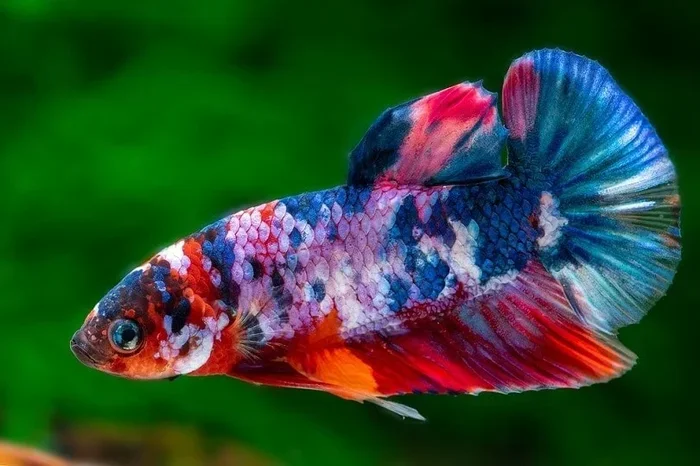
Betta fish gender also affects behavior. Males tend to be more colorful and have longer fins. Females are usually smaller and less vibrant. Knowing these betta fish gender differences helps you identify whether you have a male, a female, or a pair ready for breeding.
Are Betta Fish Asexual? The Truth Explained
Let us address the main question directly. Are betta fish asexual? No, they are not. Asexual reproduction means an organism can produce offspring without a mate. Some animals, like certain types of lizards and insects, can do this. But betta fish cannot.
Betta fish sexual reproduction is the only way they produce offspring. Every betta fish you see started as an egg fertilized by a male. There is no natural way for a single betta to create babies on its own. If you hear someone claim that bettas are asexual, now you know that is not true.
Why People Might Think Betta Fish Are Asexual
There are a few reasons why this misconception exists. First, bettas are often kept alone in small tanks. Because they are solitary fish, many people assume they do not need a mate for anything. Second, bettas can store sperm, which means a female can produce eggs even after being separated from a male for some time. This might give the impression that reproduction happens without mating.
Third, some people confuse bettas with other fish species that can change gender or reproduce in unusual ways. But bettas have a straightforward male and female system. They do not change gender, and they cannot self-fertilize. Understanding this helps set realistic expectations for anyone interested in betta fish breeding.
Betta Fish Reproduction Facts
- Betta fish need a male and female to produce offspring.
- Fertilization is external, meaning it happens outside the female’s body.
- The male builds a bubble nest to protect the fertilized eggs.
- A single spawning can produce 100 to 500 eggs at a time.
- Eggs hatch within 24 to 48 hours under proper conditions.
Male vs Female Betta Fish: How to Tell the Difference
If you are interested in breeding bettas or simply want to understand their betta fish reproduction, learning to identify gender is essential. Males and females look and behave differently, and these differences play a big role in the mating process.
Physical Differences
- Males: Brighter colors, longer flowing fins, a more pointed egg spot, and a more slender body shape.
- Females: Duller colors, shorter fins, a rounder body, and a visible white egg spot called the ovipositor.
Behavioral Differences
Males are more aggressive and territorial. They flare their gills and display their fins to attract females and warn off rivals. Females tend to be calmer but may show vertical stripes when they are ready to breed. These betta fish behavior cues are important signals during the betta fish mating process.
Can You Keep Male and Female Bettas Together?
Keeping a male and female together is possible, but it requires careful management. Many experienced keepers use a breeding tank where the pair can be introduced temporarily. After spawning, the female should be removed because the male can become aggressive and guard the eggs aggressively. If you want to learn more about keeping bettas with other fish, check out our guide on whether you are supposed to put betta fish with other fish.
The Betta Fish Breeding Process Step by Step
Breeding betta fish is not something you should do on a whim. It requires preparation, the right tank setup, and patience. Here is a step-by-step look at how betta fish breeding works in practice.
Step 1: Prepare the Breeding Tank
Set up a separate breeding tank with warm water, typically around 78 to 80 degrees Fahrenheit. The water should be clean and free from strong currents. A sponge filter is ideal because it provides gentle filtration without harming eggs or fry. Are water filters necessary for betta fish? Yes, but the filter must be appropriate for the tank size and not too powerful.
Step 2: Condition the Pair
Feed both the male and female high-quality live or frozen foods like brine shrimp and bloodworms for one to two weeks before introducing them. This conditioning helps trigger the breeding response and ensures both fish are healthy enough for reproduction.
Step 3: Introduce the Pair
Place the male and female in the breeding tank with a divider between them. This allows them to see each other without physical contact. After a day or two, remove the divider and observe their behavior. The male will start building a bubble nest, and courtship will begin.
Step 4: Spawning and Egg Collection
During spawning, the male wraps around the female to stimulate egg release. The female lays eggs, and the male fertilizes them immediately. The male then collects the eggs and places them in the bubble nest. Once the female has released all her eggs, she should be removed from the tank.
Step 5: Caring for the Eggs and Fry
The male will guard the bubble nest and the eggs for two to three days until they hatch. Once the fry are free-swimming, the male should also be removed. Fry need very small food, such as infusoria or baby brine shrimp, several times a day. Are seven-day feeders good for betta fish? They can be useful for adult bettas, but fry need live or freshly hatched food for proper growth.
Common Mistakes in Betta Fish Breeding
Breeding bettas can be rewarding, but it also comes with pitfalls. Here are some common mistakes that beginner breeders make.
- Skipping the breeding tank: Using a main display tank can lead to eggs and fry being eaten by other fish or filter intakes.
- Not conditioning the pair: Poorly conditioned fish may not breed successfully or may produce weak offspring.
- Leaving the female in too long: The male can become aggressive toward the female after spawning, which can cause injury or stress.
- Using too strong a filter: Strong water flow can destroy the delicate bubble nest and wash eggs away.
- Feeding fry incorrectly: Fry need extremely small food particles. Regular flakes or pellets are too large for them.
Avoiding these mistakes will greatly increase your chances of successful betta fish reproduction. Always research thoroughly before attempting to breed your fish.
Expert Insights on Betta Fish Reproduction
Experienced betta breeders emphasize the importance of patience and observation. According to many seasoned keepers, the key to successful breeding is creating a stress-free environment. Water quality, temperature stability, and proper nutrition all contribute to healthy spawning.
One expert tip: Watch the bubble nest closely. A healthy male will maintain and repair the nest regularly. If the nest collapses or the male stops tending to it, check the water parameters and reduce disturbances around the tank. Are some betta fish shy? Yes, and stress can make breeding behavior even more difficult to trigger in timid fish.
Another important consideration is genetics. Responsible breeders select pairs based on color, fin shape, and overall health. This helps produce strong, vibrant offspring. If you are just starting out, focus on learning the basics before trying to selectively breed for specific traits.
Caring for Betta Fish Before and After Breeding
Whether you are breeding bettas or just keeping them as pets, proper care is essential. Here are some tips that apply to both scenarios.
Daily Care Routine
- Check the water temperature daily. It should stay between 76 and 82 degrees Fahrenheit.
- Feed your betta once or twice a day with high-quality pellets or flakes. Are you supposed to feed betta fish every day? Yes, but in small amounts to avoid overfeeding.
- Observe your fish for signs of illness, such as clamped fins, loss of color, or lethargy.
- Perform partial water changes weekly to maintain water quality.
After Breeding Care
Once the fry are free-swimming, they need frequent feedings and clean water. A small air-driven sponge filter can help maintain water quality without endangering the tiny fry. As the fry grow, you can gradually introduce larger food items like crushed flakes and microworms.
Raising betta fry is a rewarding experience, but it requires dedication. Many fry do not survive the first few weeks, so be prepared for some losses. Over time, the surviving fry will develop their colors and fins, giving you a glimpse of their adult beauty.
Final Thoughts on Betta Fish Reproduction
So, to answer the question once and for all: are betta fish asexual? No, they are not. Betta fish reproduce sexually, requiring both a male and a female to produce offspring. The process involves bubble nest building, courtship, spawning, and careful parental care from the male.
Understanding betta fish reproduction gives you a deeper appreciation for these beautiful fish. Whether you are a casual pet owner or an aspiring breeder, knowing how bettas reproduce helps you provide better care and create the right conditions for healthy fish.
If you are considering breeding your bettas, start with proper research and preparation. Set up the right tank, condition your fish well, and be patient. The world of betta fish breeding is fascinating, and with the right knowledge, you can successfully raise healthy fry. Remember to always prioritize the health and safety of your fish throughout the process.
For more information on betta fish care and compatibility, explore our other guides on betta fish keeping and tank management.
Frequently Asked Questions
Can a single betta fish reproduce without a mate?
No, a single betta fish cannot reproduce on its own. Betta fish are sexually reproducing animals that need both a male and a female to produce offspring. The female produces eggs, and the male fertilizes them externally during spawning.
How long does the betta fish breeding process take?
The entire breeding process from courtship to hatching typically takes about three to five days. The male builds a bubble nest, the pair spawns, and the eggs hatch within 24 to 48 hours after fertilization. The male guards the nest throughout this period.
What do betta fish eggs look like?
Betta fish eggs are tiny, white, and oval-shaped. They are about 1 to 2 millimeters in size and are translucent. The male collects the eggs and places them carefully into the bubble nest he has built at the water surface.
How many eggs can a female betta fish lay at once?
A healthy female betta can lay between 100 and 500 eggs in a single spawning session. Not all eggs will be fertilized, and not all fry will survive, but a successful spawn can result in dozens of healthy baby fish.
Do male betta fish eat their own eggs or fry?
Male bettas are dedicated parents and do not typically eat their own eggs. They guard the bubble nest and retrieve any eggs that fall out. However, once the fry become free-swimming, the male should be removed to prevent any accidental harm.
Can betta fish breed in a community tank?
It is not recommended to breed bettas in a community tank. Other fish may eat the eggs or fry, and the male betta may become aggressive. A dedicated breeding tank provides a controlled environment that greatly improves the chances of successful betta fish reproduction.