Can Betta Fish Live Alone

Yes, betta fish can live alone. In fact, these colorful fish are better off without tank mates in many cases. A single betta thrives in a well-planned solo tank with proper enrichment, hiding spots, and a comfortable environment. This guide covers everything you need to know about keeping your betta fish solo, from tank size to mental stimulation.
You might have heard that betta fish need friends. Maybe someone told you a lonely betta is a sad betta. But the truth is simpler than you think. Can betta fish live alone? Absolutely. In fact, most bettas do better on their own than you might expect.
These stunning fish, also known as siamese fighting fish, have a long history of being kept by themselves. In the wild, bettas are territorial and prefer having their own space. A well-set-up solo tank can give your betta everything it needs to live a full, happy life. Let us walk through exactly how to make that happen.
Whether you are a first-time fish owner or a seasoned hobbyist, understanding solo betta care is important. This guide will cover tank size, enrichment, feeding, and everything else you need to know. By the end, you will feel confident keeping your betta fish solo and thriving.
Key Takeaways
- Betta fish are naturally solitary: They prefer living alone in the wild and do not need companions to be happy.
- A proper tank setup is essential: A minimum 5-gallon tank with heater, filter, and plants keeps a solo betta healthy.
- Enrichment prevents boredom: Decorations, caves, and live plants give your betta mental stimulation and a sense of territory.
- Watch for signs of stress: Faded colors, clamped fins, and lethargy can signal your betta needs better care.
- Tank mates are not always necessary: Many bettas do just fine without any other fish in the aquarium.
- Regular maintenance keeps your betta thriving: Weekly water changes and consistent water parameters are key to a long, healthy life.
📑 Table of Contents
Why Betta Fish Do Well Living Alone
Many people assume all fish need companions. That is not true for bettas. In fact, keeping a single betta is often the best choice for both the fish and the owner.
The Nature of Betta Fish
Betta fish come from the warm, slow-moving waters of Southeast Asia. In their natural habitat, they are solitary creatures. Each male betta claims its own territory and defends it fiercely. They only come together with other bettas to breed, and even then, the interaction is brief.
This means a solitary betta lifestyle is completely natural. Your fish does not feel lonely the way humans do. It does not need another fish to feel entertained or engaged. Instead, it needs a comfortable environment that mimics its natural surroundings.
Male vs. Female Betta Behavior
Male bettas are especially territorial. They have long, flowing fins and vivid colors that make them stand out. Because of this, they are more likely to fight with other males. Even female bettas can be aggressive toward each other in small spaces.
Keeping one betta per tank eliminates the risk of fights and fin damage. Your fish can swim freely without worrying about territorial disputes. This leads to less stress and a healthier, longer life.
Setting Up the Perfect Solo Betta Tank
A solo betta tank does not need to be complicated. But it does need the right basics to keep your fish healthy and happy. Think of it as creating a small underwater world just for your betta.
Tank Size Matters
The minimum recommended tank size for a single betta is 5 gallons. While bettas can survive in smaller bowls, a larger tank gives them room to swim and explore. A 5-gallon tank also makes it easier to maintain stable water conditions.
Here is a quick look at tank size options:
- 1-3 gallons: Too small for long-term health. Only acceptable in emergencies.
- 5 gallons: The ideal minimum size for a solo betta.
- 10 gallons or more: Excellent for a single betta with room for enrichment.
A bigger tank also dilutes waste more effectively, which means fewer water changes and a more stable environment for your fish.
Essential Equipment
Every solo betta tank needs a few key pieces of equipment. A heater keeps the water between 76 and 82 degrees Fahrenheit. Bettas are tropical fish and need warm water to stay healthy. A gentle filter maintains water quality without creating too much current, since bettas prefer calm water.
You should also add a few simple decorations. Caves, driftwood, and smooth rocks give your betta places to hide and explore. These elements make the tank feel more like a natural habitat and less like an empty box.
Keeping Your Betta Mentally Stimulated
One of the biggest concerns people have about solo bettas is boredom. A fish with nothing to do can become lethargic and stressed. But there are many easy ways to keep your betta engaged and active.
Live Plants and Natural Decor
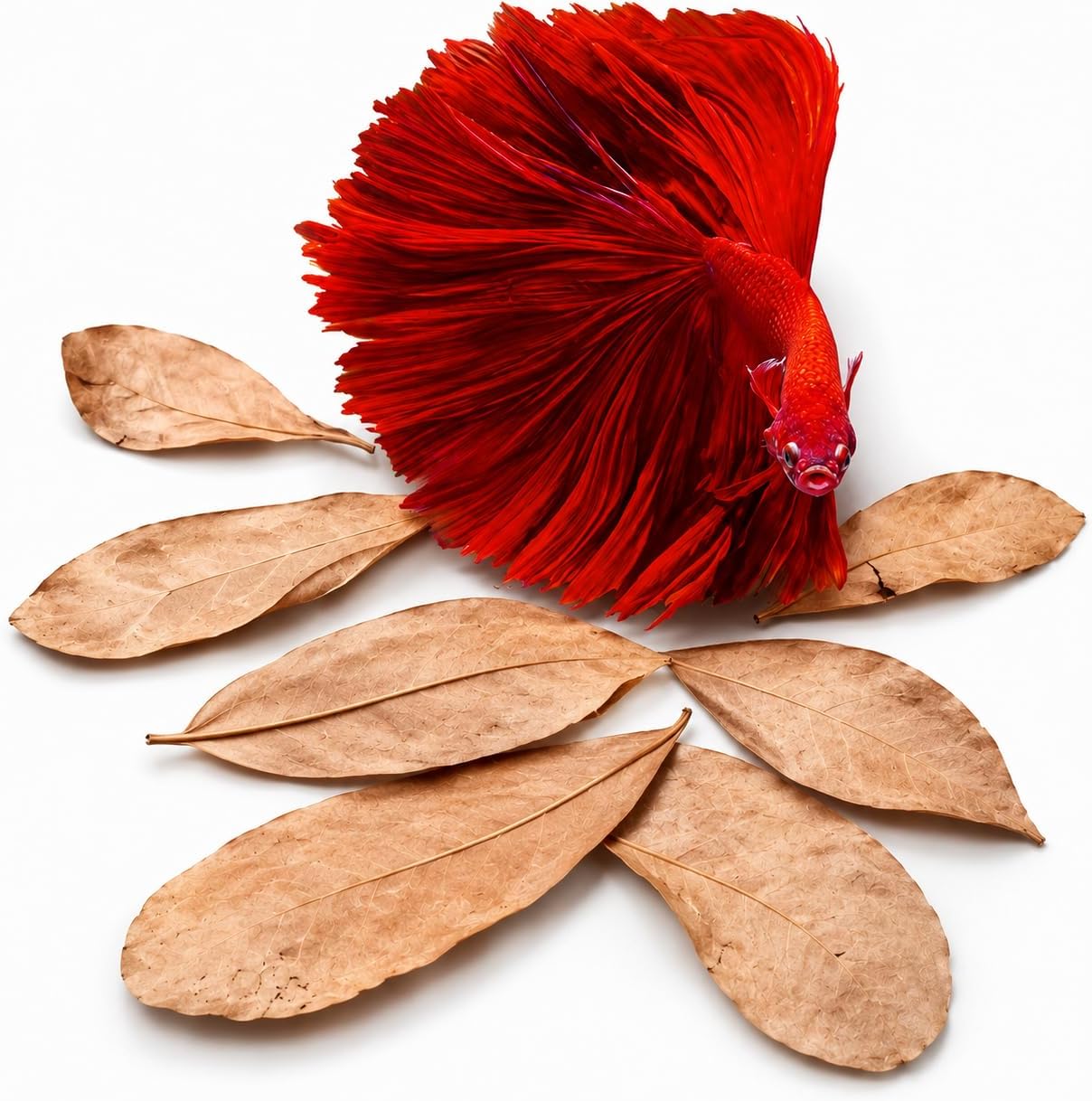
Adding live plants to your betta tank is one of the best things you can do. Plants provide natural cover, improve water quality, and give your betta something to interact with. Many bettas love to rest on broad leaves or weave through plant stems.
If you are wondering can you put a live water plant with betta fish, the answer is yes. Plants like java fern, anubias, and amazon sword are all great options. They are hardy, low-maintenance, and safe for bettas. You can learn more about pairing plants with bettas in our guide on live water plants with betta fish.
Tank Enrichment Ideas
Beyond plants, there are many ways to enrich your betta’s environment. A mirror placed briefly outside the tank can trigger your betta’s natural flaring behavior, which provides mental stimulation. Just do not leave it in place for too long, as this can cause stress.
You can also add a betta hammock or a floating leaf platform. Bettas love to rest near the surface, and these accessories give them a cozy spot to lounge. Changing the tank layout occasionally can also spark your betta’s curiosity and encourage exploration.
Feeding a Solo Betta Fish
Feeding your betta properly is one of the most important parts of solo care. Bettas are carnivorous fish that need a protein-rich diet. In the wild, they eat insects, larvae, and small crustaceans.
Best Foods for Bettas
A high-quality betta pellet should form the foundation of your fish’s diet. Look for pellets with fish meal or shrimp meal as the first ingredient. You can also supplement with frozen or freeze-dried bloodworms, brine shrimp, and daphnia.
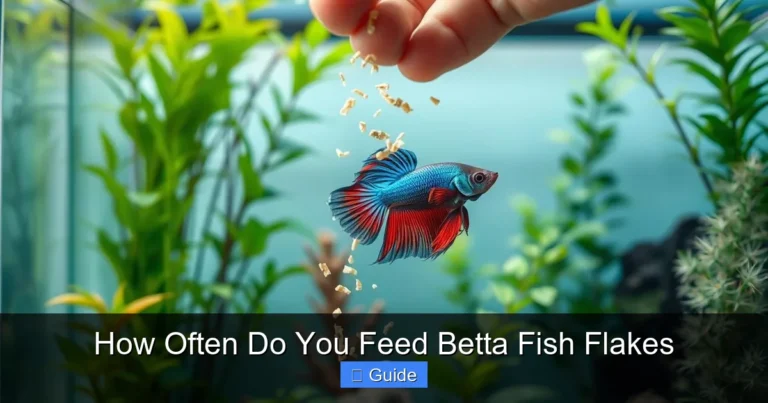
Feed your betta 2-3 pellets once or twice a day. Do not overfeed, as excess food can pollute the water and cause health problems. A good rule of thumb is to feed only what your betta can consume in two minutes.
Can You Give Betta Fish Live Food?
Yes, live food can be a great addition to your betta’s diet. Live brine shrimp and bloodworms are highly nutritious and can trigger natural hunting behavior. This is especially beneficial for a solo betta, since it gives the fish a job to do. If you want to learn more about feeding live food, check out our article on giving betta fish live food.
Common Mistakes When Keeping a Solo Betta
Even well-meaning owners can make mistakes that affect their betta’s health. Knowing what to avoid is just as important as knowing what to do.
Overcrowding the Tank
Some owners add too many decorations or tank mates to a small tank. This creates territorial stress and reduces swimming space. A solo betta tank should feel open enough for your fish to swim comfortably but have enough hiding spots to feel secure.
Neglecting Water Quality
Bettas are sensitive to poor water conditions. Ammonia and nitrite spikes can be deadly. Regular water changes, typically 25-30% weekly, are essential. Always test your water parameters to make sure ammonia and nitrite levels stay at zero.
Using the Wrong Tank Setup
Bowls and vases might look cute, but they are not suitable for long-term betta care. They lack filtration, heating, and enough space for proper water cycling. Always use a proper aquarium tank with the right equipment.
How to Tell If Your Solo Betta Is Happy
A happy betta is easy to spot once you know what to look for. Healthy bettas display bright colors, active swimming, and a good appetite. Their fins should be spread out and flowing, not clamped against their body.
Watch for these positive signs:
- Exploration: Your betta swims around the entire tank, not just hiding in one spot.
- Flaring: Occasional flaring at reflections or decorations is normal and shows a healthy betta.
- Eating eagerly: A good appetite is a strong indicator of overall well-being.
- Building bubble nests: Male bettas build bubble nests when they feel safe and comfortable.
If your betta shows signs of stress like faded colors, loss of appetite, or staying at the bottom of the tank, it is time to review your tank setup and water parameters. Small changes can make a big difference.
Final Thoughts on Keeping a Betta Fish Alone
The answer to can betta fish live alone is a clear yes. Bettas are perfectly capable of living happy, healthy lives as solo pets. In fact, many experts agree that a single betta in a well-maintained tank is the best setup for this species.
By providing the right tank size, proper equipment, enriching decor, and a quality diet, you give your betta everything it needs. You do not need to worry about finding compatible tank mates or managing aggressive interactions. Your betta can simply be itself in its own peaceful space.
If you ever wonder whether your betta needs a companion, remember that a well-enriched solo tank is often better than a crowded community tank. Focus on quality over quantity. Your betta will thank you with vibrant colors, active behavior, and a long, healthy life.
For more information on betta tank setups and care, explore our other guides on betta fish keeping. A happy solo betta is a well-cared-for betta, and that starts with you.
Frequently Asked Questions
Do betta fish get lonely if kept alone?
No, betta fish do not get lonely in the way humans do. They are solitary by nature and do not need the companionship of other fish. A well-set-up solo tank with plenty of enrichment keeps your betta stimulated and content.
What is the best tank size for a single betta fish?
A 5-gallon tank is the minimum recommended size for a solo betta. A 10-gallon tank or larger is even better, as it provides more swimming space and helps maintain stable water conditions. Avoid keeping bettas in bowls or vases.
Can a male betta live with any other fish?
Male bettas can sometimes live with certain peaceful species, but it is not always recommended. Many male bettas do best alone because of their territorial nature. If you want to explore tank mates, check out our guide on whether betta fish can live with other fish.
How often should I clean a solo betta tank?
Perform a 25-30% water change weekly. This helps keep ammonia and nitrite levels at zero. You should also vacuum the substrate and clean the filter media gently during each water change to maintain good water quality.
Can betta fish live in a bowl without a filter?
While bettas can survive in unfiltered bowls, it is not ideal. Bowls are too small to maintain stable water conditions, and they lack the filtration needed to remove harmful toxins. A filtered 5-gallon tank is the best choice for a healthy solo betta.
Do female bettas do better in groups or alone?
Female bettas can sometimes live in small groups called sororities, but this requires a larger tank and careful setup. Many female bettas also do very well living alone. Each betta has its own personality, so observe your fish and adjust its environment accordingly.