Is It Better to Fish After Rain
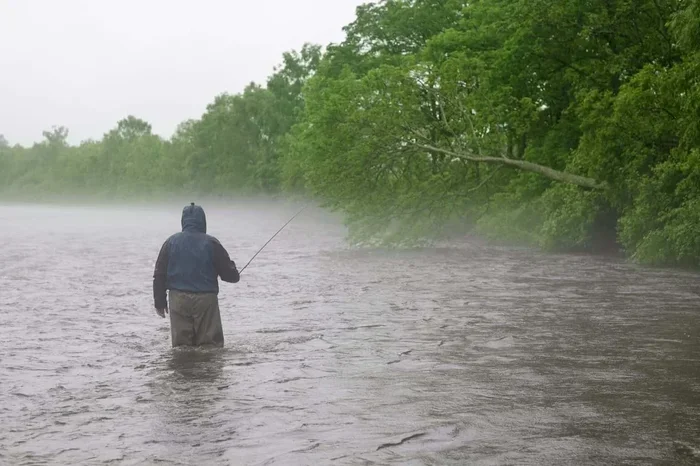
Yes, it is better to fish after rain. Rain triggers fish to feed aggressively, especially bass and catfish, as runoff brings food into the water. The best time to fish after rain is when the water clears slightly and the barometric pressure stabilizes. In this guide, you will learn why fish bite more after rain, which species to target, and the best fishing tips for wet weather to help you catch more fish in rain.
There is something magical about fishing after rain. The air smells fresh. The water looks different. And the fish? They seem to wake up and start feeding like never before.
If you have ever wondered is it better to fish after rain, you are not alone. Many anglers swear by post-rain fishing trips. They say the bites are bigger and more frequent. But is there real science behind this? Or is it just a lucky guess?
The truth is, rain changes everything about how fish behave. It changes the water temperature. It changes the oxygen levels. And it changes what fish eat. In this guide, we will break down why fishing after rainfall can be so productive. You will learn which species bite best, when to head out, and what gear to use. By the end, you will know exactly how to plan your next post-rain fishing trip for success.
Key Takeaways
- Fish feed more actively after rain: Runoff brings insects and baitfish, triggering aggressive feeding behavior in most species.
- Bass and catfish are the best targets: These species become especially active in post-rain conditions and are easier to locate.
- Timing matters: The golden window is 1 to 3 hours after the rain stops, when the water is slightly stained but safe to fish.
- Barometric pressure plays a big role: Falling pressure before rain and rising pressure after can boost feeding activity significantly.
- Safety first: Always check water levels, weather forecasts, and lightning risks before fishing in wet conditions.
- Use darker lures and slower presentations: These techniques work best in the murky water that rain creates.
📑 Table of Contents
Why Fish Bite More After Rain
The connection between rain and fish activity is real. It is not just an old angler’s tale. When rain falls, it triggers a chain reaction in the water that makes fish more active and hungry.
How Rain Changes Water Conditions
Rain does several important things to the water. First, it cools the surface temperature. Many species prefer cooler water, especially during hot summer months. Second, rain creates water conditions after rain that are rich in oxygen. Oxygen levels rise because rain stirs the surface and adds air to the water.
Third, and this is the big one, rain causes rainwater runoff. Runoff washes insects, worms, seeds, and other food into the lake or river. Fish notice this. They move to areas where the runoff enters because they know food is coming. This is why bass fishing after rain can be so productive. The fish are already in feeding mode before you even cast your line.
The Science Behind Fish Feeding After Rainfall
Barometric pressure and fishing are closely linked. Before a storm or rain, the barometric pressure drops. Fish can sense this change. Their feeding instinct kicks in. They start eating more because they know conditions are about to change.
After the rain stops, the pressure starts to rise again. This rising pressure often keeps fish feeding actively. So the window right after rain is prime time. Many expert anglers call this the best time to fish after rain because fish are in an aggressive feeding mood.
Also, fishing during rain and right after can be great because fish are already in a feeding mode. They do not need to be coaxed. The food is already coming to them through the runoff. This is one of the biggest advantages of fishing in wet weather compared to fishing on a clear sunny day.
Best Fish Species to Target After Rain
Not all fish respond the same way to rain. Some species go wild after a downpour. Others are not as affected. Here are the best species to target when you are fishing after rainfall.
Bass Fishing After Rain
Bass are the kings of post-rain fishing. They love the changes that rain brings. The cooler water, the higher oxygen, and the extra food all make bass more active and willing to bite.
Largemouth bass especially move to shallow water after rain. They follow the runoff into coves and creek arms. This makes them easier to find and catch. If you want to catch more fish in rain, bass should be at the top of your list.
Use dark-colored lures like black blue or black red. These stand out in the murky water that rain creates. Slow-rolling a spinnerbait or throwing a soft plastic into the shallows can produce huge bites. Focus on areas where creeks or streams feed into the main lake.
Catfish After Rain
Catfish after rain are a completely different story. Channel catfish and blue catfish go into a feeding frenzy after rainfall. They can sense the incoming water from far away and start moving toward the runoff areas.
Catfish love the muddy water that rain creates. It helps them use their senses better. They rely heavily on smell and taste. The runoff brings all kinds of scents that attract them. If you want to learn more about nighttime strategies, check out our article on fishing for catfish at night for additional tips. But after rain, even daytime catfishing can be incredible.
Use stink bait, cut bait, or chicken liver. Fish near creek mouths and river bends where the runoff collects. The current will carry the scent downstream and draw catfish in from a wide area.
Trout and Other Species
Trout fishing after rain can also be excellent. Trout love the cooler water temperatures that rain brings. In rivers and streams, the increased flow from rain dislodges insects and baitfish. Trout gorge themselves on this easy food source.
Other species like freshwater fishing after rain for crappie and bluegill can also be rewarding. These panfish move shallow to feed on the insects washed in by runoff. Even post-storm fishing for walleye can produce great results in certain lakes and rivers.
When Is the Best Time to Fish After Rain
Timing is everything when it comes to fishing after rain. You do not want to rush out the second the last raindrop falls. Nor do you want to wait too long and miss the window.
The Golden Window
The best time to hit the water is usually 1 to 3 hours after the rain stops. This is when the fish are still feeding aggressively but the water has not yet cleared completely.
During this window, the water is slightly stained or murky. Fish feel safer in this condition because they cannot see as well. They are more willing to venture out from cover and feed in open water. This is the sweet spot for post-rain fishing success.
If you fish too early during heavy rain, visibility is too low and safety becomes a concern. If you wait too long, the water clears and fish go back to their normal patterns. You want to be in the water during that transition period.
How Long to Wait After Rain
Here is a simple rule of thumb. Light rain? You can go almost immediately. Heavy downpour? Wait at least 1 to 2 hours. Flooding or severe storm conditions? Wait until the water starts to recede and clear.
The best fishing tips for rainy days include checking the water clarity before you cast. If you can see your feet in knee-deep water, it is probably too murky. If the water has a slight tea color, that is perfect for most species.
Also consider the season. In spring, fish are already in spawning mode. Rain can trigger them to move and feed more. In summer, the cooling effect of rain is what drives the activity. In fall, fishing after rainfall can be great because fish are fattening up for winter.
Tips for Fishing After Rain
Now that you know why fishing after rain works, let us talk about how to do it right. These practical tips will help you make the most of every post-rain trip.
Gear and Lure Choices
Murky water calls for different gear than clear water. Here is what works best:
- Dark-colored lures: Black, dark blue, and dark purple lures stand out in stained water and trigger more strikes.
- Noisy lures: Chatterbaits and spinnerbaits create vibration that fish can feel in low-visibility water.
- Slow presentations: Fish are less active in cold post-rain water. Slow down your retrieve and let the lure do the work.
- Larger lures: Fish are feeding aggressively after rain. They are willing to eat bigger prey than usual.
Safety First
Fishing in wet weather can be dangerous if you are not careful. Always check the forecast before you go. Lightning is a real risk during and after storms. If you hear thunder, get off the water immediately.
Watch for rising water levels. If the water is still rising, it is not safe to fish near the banks or in creeks. Slippery rocks and banks are also a serious hazard. Wear proper footwear with good grip and be extra careful on wet surfaces.
Let someone know where you are going. Bring a fully charged phone. These simple steps can save your life and should never be skipped.
Location Tips
After rain, fish move to areas where the runoff enters the main body of water. Look for these spots:
- Creek mouths and coves where streams enter lakes
- Downstream areas from rain gauges or drainage points
- Shallow flats near river banks
- Areas with visible current or moving water
These spots concentrate the food and the fish. You will find more bites in these locations than out in the open water. Spend extra time fishing the edges where clear water meets stained water.
Common Mistakes to Avoid After Rain
Even experienced anglers make mistakes when fishing after rainfall. Here are the most common ones and how to avoid them.
Going Out Too Early
The biggest mistake is heading out while it is still raining heavily. Not only is this unsafe, but the fish are often not feeding yet. They need a few minutes to adjust to the changes in the water.
Wait for the rain to ease up or stop completely. Then give it at least 30 minutes to an hour before you start casting. Patience pays off big time when fishing after rain.
Using the Wrong Lure Color
Many anglers make the mistake of using bright or natural-colored lures in murky post-rain water. These colors blend in and become almost invisible. Fish cannot see them well and will ignore them.
Switch to dark or bright neon colors. Chartreuse, black, and fire tiger patterns work wonders in stained water. If you are unsure, go darker than you normally would. Bright colors can also work well because they create a strong silhouette in low-visibility conditions.
Ignoring the Water Temperature
Rain can drop the water temperature significantly. Cold water makes fish sluggish. If the water drops below what a species prefers, they will not feed as much.
Pay attention to the water temperature. In summer, the cooling effect is welcome and boosts activity. In winter or early spring, a sudden drop can shut down the bite entirely. Bring a thermometer and check before you start fishing.
Is It Better to Fish After Rain? The Final Verdict
So, is it better to fish after rain? The answer is a strong yes. Rain creates conditions that trigger fish to feed more actively. The water gets cooler, more oxygenated, and full of food. Species like bass, catfish, and trout go into overdrive after a good rain.
The key is timing. Go out 1 to 3 hours after the rain stops. Use dark lures and slow presentations. Find the spots where runoff enters the water. And always prioritize safety above everything else.
If you want to dig deeper into the timing side of things, you might enjoy our article on fishing before or after rain to understand how the timing window shifts with different weather patterns.
Remember, every rain event is different. Some rains are light and barely change the water. Others are heavy downpours that flood the banks and create incredible fishing conditions. Learn to read the water and adjust your approach accordingly.
Next time you see rain in the forecast, do not pack up your gear and go inside. Grab your rod and head to the water. You might just experience the best fishing of your life. And if you want to learn more about how weather affects your fishing, check out our guide on fishing in the rain for more expert tips and strategies.
Now you have everything you need to make the most of your next post-rain fishing adventure. Get out there, stay safe, and enjoy every single cast.
Frequently Asked Questions
Is it better to fish before or after rain?
Fishing after rain is generally better because the runoff brings food into the water and triggers aggressive feeding. However, fishing before rain can also be productive due to falling barometric pressure. For a detailed comparison, check out our guide on fishing before or after rain.
What kind of fish bite best after rain?
Bass, catfish, and trout are the top species to target after rain. Bass move shallow to feed on runoff food. Catfish go into a feeding frenzy. Trout love the cooler water temperatures. Panfish like crappie and bluegill also become more active in post-rain conditions.
How long should you wait to fish after it rains?
The sweet spot is usually 1 to 3 hours after the rain stops. This gives the fish time to adjust and start feeding while the water is still slightly stained. Waiting too long lets the water clear and fish return to their normal patterns.
Is fishing after rain safe?
Fishing after rain can be safe if you take proper precautions. Always check for lightning and avoid the water during storms. Watch for rising water levels and slippery banks. Wear proper footwear and let someone know your plans. Safety should always come first.
What lures work best for fishing after rain?
Dark-colored lures like black blue and black red work best in murky post-rain water. Noisy lures like chatterbaits and spinnerbaits help fish locate your bait through vibration. Use larger lures since fish are feeding aggressively, and slow down your presentation in colder water.
Does rain affect freshwater and saltwater fish the same way?
Rain affects both freshwater and saltwater fish, but in different ways. In freshwater, runoff brings food and changes water chemistry. In saltwater, rain can lower salinity near the shore and push baitfish closer to shore. Both situations create excellent fishing opportunities after a rain event.