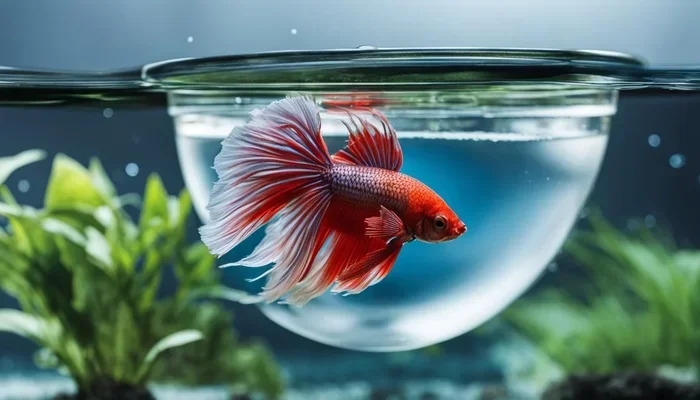
How Often Should I Change Betta Fish Water

You should change your betta fish water regularly to maintain a healthy and clean environment. A partial water change every 7 to 14 days is the standard recommendation for most betta tanks. This simple routine helps remove harmful toxins, keeps water parameters stable, and supports your betta fish health naturally.
Keeping your betta fish healthy starts with one simple habit: regular water changes. Many new fish owners wonder how often should i change betta fish water, and the answer is more straightforward than you might think. A consistent water change routine removes harmful toxins, keeps oxygen levels steady, and creates a comfortable home for your betta.
Your betta fish depends entirely on you for a clean living space. Unlike fish in the wild, captive bettas live in a closed environment where waste builds up fast. Without regular maintenance, ammonia and nitrate levels can spike quickly. This leads to stress, disease, and a shorter lifespan for your colorful companion.
In this guide, we will walk you through exactly how often to change betta fish water, what methods work best, and how to avoid common mistakes. Whether you keep your betta in a small bowl or a larger tank, you will find practical advice that fits your setup. Let us dive in and make your water change routine easy and stress-free.
Key Takeaways
- Partial Water Changes: Replace 25-50% of tank water every 7 to 14 days for optimal betta health.
- Full Water Changes: Only perform full water changes in emergency situations or when cycling a new tank.
- Water Quality Matters: Always use dechlorinated water and match the temperature to your tank.
- Watch for Warning Signs: Cloudy water, strong odors, and behavioral changes signal it is time for a change.
- Feeding Affects Water Quality: Overfeeding increases waste and speeds up the need for water changes.
- Consistency Is Key: Stick to a regular schedule to keep your betta fish environment stable and stress-free.
📑 Table of Contents
Why Water Changes Matter for Betta Fish
Water changes are the backbone of betta fish care. Your betta produces waste through breathing, eating, and natural bodily functions. This waste breaks down into ammonia, which is toxic even in small amounts. In a natural environment, flowing water and beneficial bacteria handle this process. But in a home aquarium, you are the primary filter system.
When you skip water changes, harmful compounds accumulate fast. Here is what happens inside an unmaintained betta tank:
- Ammonia buildup: Even tiny levels of ammonia burn your betta’s gills and skin.
- Nitrite spikes: These compounds prevent oxygen absorption and cause serious health problems.
- Nitrate accumulation: While less toxic than ammonia, high nitrates stress your fish over time.
- pH swings: Uneven water chemistry creates an unstable environment that weakens your betta’s immune system.
The Role of Beneficial Bacteria
Good bacteria in your tank help break down waste, but they cannot do the job alone. These bacteria live on surfaces like filter media and substrate. They convert ammonia into nitrite and then into nitrate. However, nitrate still needs to be removed through regular water changes. This is why partial water changes are so essential for long-term betta health.
How Often Should I Change Betta Fish Water
The ideal frequency depends on your tank size, filtration, and feeding habits. For most standard setups, a partial water change every 7 to 14 days works perfectly. Smaller tanks without filters may need changes every 5 to 7 days. Larger, well-filtered tanks can stretch to every 14 days.
Here is a simple breakdown based on tank size:
- 1 to 3 gallon bowls: Change 50% of the water every 5 to 7 days.
- 5 gallon tanks: Change 25 to 30% of the water every 7 to 10 days.
- 10 gallon tanks or larger: Change 20 to 25% every 10 to 14 days.
Factors That Change Your Schedule
Several factors can shift how often you need to change your betta fish water. If you feed your betta more than twice a day, waste builds up faster. Overfeeding is one of the most common mistakes new owners make. More food means more waste, which means you need to change the water more frequently.
Also, consider your filtration system. A strong filter helps remove debris and supports beneficial bacteria. But even the best filter cannot eliminate the need for water changes. Biological waste still accumulates, and dilution through fresh water is the only way to reduce nitrate levels effectively.
Another important factor is the number of fish in the tank. Bettas are solitary creatures and do best alone. But if you keep other species with your betta, the bioload increases. More fish means more frequent water changes to maintain clean water quality.
How To Do a Water Change for Betta Fish
Performing a water change is simple once you know the steps. You do not need expensive equipment. A basic siphon or turkey baster works great for smaller tanks. The goal is to remove dirty water and replace it with fresh, conditioned water at the right temperature.
Step-by-Step Water Change Process
- Gather your supplies: You need a siphon or gravel vacuum, a bucket, water conditioner, and a thermometer.
- Prepare the new water: Fill the bucket with treated tap water. Let it sit for 15 minutes to reach room temperature.
- Remove debris: Use the siphon to suck up waste from the substrate. Remove about 25 to 50 percent of the tank water.
- Add fresh water: Slowly pour the treated water into the tank. Try not to disturb your betta too much.
- Check the temperature: Make sure the new water matches the tank temperature. Sudden temperature drops stress your fish.
If you want a detailed walkthrough of this process, check out this guide on how to do a water change for betta fish. It covers every step with helpful visuals and extra tips for beginners.
Tips for Stress-Free Water Changes
- Always use a water conditioner to neutralize chlorine and chloramine from tap water.
- Never change more than 50% of the water at once, unless it is an emergency.
- Keep the new water close to the tank temperature to avoid shocking your betta.
- Clean the glass walls while you are at it for a clearer view of your fish.
- Wash your hands before handling tank water to avoid introducing contaminants.
Signs Your Betta Fish Needs a Water Change
Sometimes you cannot stick to a strict schedule. Life gets busy, and things happen. That is why it is important to recognize the signs that your betta needs fresh water. Catching these warning signals early can prevent serious health issues.
Visual Clues
- Cloudy water: This is the most obvious sign. Cloudiness comes from bacteria blooms, excess waste, or uneaten food.
- Algae growth: While some algae is normal, rapid green growth signals excess nutrients in the water.
- Debris on the substrate: Visible waste buildup at the bottom of the tank means it is time for a change.
- Strong odor: A foul smell from the tank indicates high levels of decomposing organic matter.
Behavioral Clues
Your betta will tell you when something is wrong. Watch for these behavioral changes that point to poor water quality:
- Lethargy: If your betta spends most of the time lying at the bottom, the water may be toxic.
- Loss of color: A vibrant betta that looks faded is often stressed by bad water conditions.
- Clamped fins: This is a classic sign of discomfort and potential water quality issues.
- Gasping at the surface: Your betta may be struggling to breathe because of low oxygen or high ammonia.
If you notice any of these signs, do a water change immediately. For more information on what to do after a water change goes wrong, read about how to save dying betta fish after water change. This resource can help you respond quickly in emergency situations.
Common Mistakes to Avoid When Changing Betta Water
Even experienced fish keepers make mistakes. The good news is that most errors are easy to avoid once you know what they are. Here are the top mistakes people make when changing betta fish water and how to prevent them.
Using Untreated Tap Water
Tap water contains chlorine and chloramine, which are deadly to betta fish. Always use a water conditioner before adding new water to the tank. This one simple step can save your fish from unnecessary harm. Products like Seachem Prime or API Stress Coat work well and are widely available.
Changing Too Much Water at Once
Draining more than 50% of the water at once can shock your betta. It also strips away beneficial bacteria that help maintain the nitrogen cycle. Stick to partial water changes of 25 to 30 percent for routine maintenance. This keeps the environment stable and your fish healthy.
Ignoring Water Temperature
Bettas are tropical fish and need warm water between 76 and 82 degrees Fahrenheit. Adding cold water during a change can cause temperature shock. Always check the temperature of new water before pouring it into the tank. A small thermometer is an inexpensive tool that makes a big difference.
Skipping Water Changes Entirely
Some owners believe that filters alone can keep the water clean. This is a dangerous myth. Filters remove debris and support bacteria, but they do not remove dissolved waste. Only fresh water dilutes these compounds. Skipping water changes will eventually lead to toxic conditions and a sick betta.
How Water Changes Connect to Feeding and Overall Care
Water changes do not happen in a vacuum. They are part of a larger care routine that includes feeding, tank cleaning, and monitoring water parameters. Understanding how these elements connect helps you create a holistic approach to betta fish care.
When you feed your betta, uneaten food sinks to the bottom and decomposes. This process releases ammonia into the water. The more you feed, the more waste your tank must process. A good rule of thumb is to feed your betta once or twice a day with small amounts. If you want guidance on feeding frequency, check out how often should i feed my betta fish for a complete feeding guide.
Regular tank cleaning also plays a role. Wipe down the glass, remove debris from the substrate, and rinse filter media in old tank water. These tasks work hand in hand with water changes to keep your betta’s environment pristine. Together, they form the foundation of a healthy betta fish care routine.
Remember that every tank is slightly different. Your setup, location, and habits all influence how quickly waste builds up. Pay attention to your water parameters using test kits. Test for ammonia, nitrite, nitrate, and pH regularly. This data tells you exactly when your betta needs fresh water before visible signs appear.
Final Thoughts
Now you know the answer to how often should i change betta fish water. A partial water change every 7 to 14 days is the sweet spot for most betta setups. Pair this routine with proper feeding, consistent monitoring, and gentle handling, and your betta will thrive for years to come.
Water changes might seem like a chore, but they are one of the most rewarding parts of fish keeping. You get to watch your betta swim happily in clean, fresh water. You get to spot early warning signs and fix problems before they escalate. And you build a deeper bond with your pet through attentive care.
Start today. Set a reminder on your phone for your next water change. Gather your supplies and make it a relaxing part of your weekly routine. Your betta fish will thank you with vibrant colors, energetic swimming, and a long, healthy life by your side.
Frequently Asked Questions
How often should I change betta fish water in a small bowl?
In a small bowl without a filter, you should change about 50% of the water every 5 to 7 days. Small bowls have no biological filtration, so waste accumulates quickly. Use treated water at the right temperature to keep your betta comfortable and healthy.
Can I use tap water directly for my betta fish tank?
No, always treat tap water with a conditioner before adding it to your tank. Tap water contains chlorine and chloramine that are harmful to betta fish. A good water conditioner removes these chemicals safely and quickly.
What percentage of water should I change for my betta fish?
For routine maintenance, change 25 to 30 percent of the water every 7 to 14 days. In emergency situations or small unfiltered bowls, you may need to change up to 50 percent. Avoid changing more than 50% at once to protect beneficial bacteria.
How do I know if my betta needs a water change?
Watch for cloudy water, strong odors, algae buildup, and behavioral changes like lethargy or clamped fins. These are clear signs that your betta’s water quality has dropped and a change is needed immediately.
Does a filter eliminate the need for water changes?
No, filters cannot replace water changes. Filters remove debris and support beneficial bacteria, but they do not remove dissolved toxins like nitrate. Regular water changes are still essential for a healthy betta tank environment.
Is it okay to change all the betta fish water at once?
Only in emergency situations should you change all the water at once. Full water changes remove beneficial bacteria and can shock your betta. Stick to partial water changes of 25 to 30 percent for safe and effective maintenance.