How Many Gallons Do a Betta Fish Need
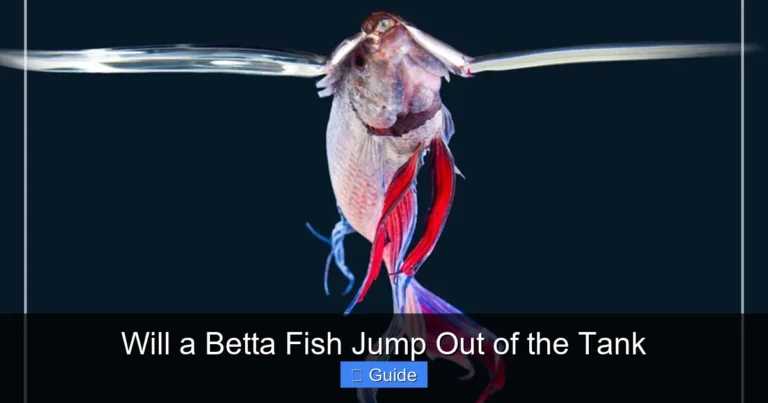
So, how many gallons do a betta fish need? The short answer is at least 5 gallons, but 10 gallons or more is ideal for a healthy, happy betta. Many beginners make the mistake of keeping bettas in tiny bowls, which leads to stress, illness, and a shorter lifespan. Choosing the right tank size is one of the most important decisions you will make for your betta fish care routine.
If you are thinking about getting a betta fish, one of the first questions you need to answer is how many gallons do a betta fish need. It is a simple question, but the answer matters a lot. The tank size you choose directly affects your betta’s health, happiness, and lifespan. Many new fish keepers make the mistake of buying a tiny bowl or a small vase and think it will be enough. Trust me, it is not. Bettas are active, curious fish that need room to move around and explore their surroundings.
The good news is that setting up the right tank is easier than you might think. Once you know the basics of betta fish tank size, everything else falls into place. In this guide, we will walk you through exactly how much space your betta needs, why it matters, and how to set up the perfect home. Whether you are a complete beginner or just looking to improve your current setup, this guide has you covered.
Key Takeaways
- Minimum 5 gallons: A 5-gallon tank is the absolute smallest you should use for a single betta fish.
- 10 gallons is ideal: A 10-gallon tank gives your betta room to swim, explore, and thrive.
- Bettas need more space than most people think: These fish are active swimmers and need horizontal room to move.
- Small bowls are harmful: Keeping a betta in a bowl under 1 gallon can cause serious health problems.
- Tank size affects water quality: Larger tanks are easier to maintain and keep stable parameters.
- Consider your betta’s environment: Plants, decorations, and equipment all take up space, so factor them in.
📑 Table of Contents
Understanding Betta Fish Tank Size Requirements
Before we dive into the numbers, let us talk about why tank size is so important. Bettas are not the low-maintenance pets that many people assume they are. Yes, they can breathe air from the surface, which is a unique trait. But that does not mean they can thrive in a tiny container. In the wild, bettas live in shallow rice paddies, slow-moving streams, and flooded fields. These environments are actually much larger than a small bowl or vase.
Why Tank Size Matters for Betta Fish
Tank size affects everything about your betta’s life. Here are the key reasons why it matters so much:
- Water quality: A larger volume of water dilutes toxins like ammonia and nitrite. In a small tank, these harmful substances build up quickly and can poison your fish.
- Swimming space: Bettas are active swimmers. They like to explore, chase food, and glide through the water. A cramped tank causes stress and behavioral problems.
- Temperature stability: Larger tanks hold heat better. Small containers experience rapid temperature swings, which can stress your betta and weaken its immune system.
- Mental stimulation: A bigger tank allows you to add plants, caves, and other decorations. These enrich your betta’s environment and keep it mentally healthy.
When you understand these factors, it becomes clear that the question of how many gallons do a betta fish need is really a question about quality of life.
The Minimum Tank Size Debate
You have probably heard different opinions about the minimum tank size for a betta. Some pet stores sell bettas in cups and tiny containers, which can be misleading. The truth is that most aquarium experts agree on a minimum of 5 gallons for a single betta fish. Some experienced hobbyists even recommend 10 gallons as the starting point. Here is a quick comparison:
- 1 gallon or less: Not recommended. Too small to maintain stable water conditions. Stressful for the fish.
- 2.5 gallons: The absolute bare minimum. It works, but it requires frequent water changes and careful monitoring.
- 5 gallons: The widely accepted minimum. A good balance of manageability and space for your betta.
- 10 gallons or more: The ideal size. More stable water parameters, room for enrichment, and easier maintenance.
If you want the best life for your betta, aim for 5 gallons minimum and 10 gallons if you can. This gives your fish the space it needs to truly thrive.
How Many Gallons Do a Betta Fish Need
Let us get straight to the point. How many gallons do a betta fish need? For a single betta, the answer is at least 5 gallons. This is the minimum that most fish veterinarians and experienced aquarists recommend. However, 10 gallons is the sweet spot that gives your betta the best chance at a long, healthy life.
Some people wonder if a betta can live in a 3-gallon tank or even a 1-gallon bowl. Technically, a betta can survive in these small spaces, but surviving is not the same as thriving. A fish kept in a too-small environment will often show signs of stress, such as clamped fins, loss of color, and lethargy. Over time, this can lead to serious health issues like fin rot, ich, and a weakened immune system.
The ideal tank size also depends on whether you plan to keep other fish with your betta. A 5-gallon tank is best for a single betta only. If you want to add tank mates, you will need a larger tank. For example, a 10-gallon tank can accommodate a betta and a few small, peaceful species. If you are curious about compatible tank mates, check out our guide on how many fish in a 10 gallon tank with a betta for detailed advice.
The Standard Recommendation
The standard recommendation from the aquarium community is clear: 5 gallons minimum for one betta fish. This is the baseline that gives you enough water volume to maintain stable conditions without too much effort. Here is what a 5-gallon setup looks like in practice:
- Room for a filter and heater
- Space for live or artificial plants
- Enough water volume to cycle properly
- Enough room for your betta to swim freely
A 5-gallon tank is also easy to manage for beginners. It is not so large that it becomes overwhelming, but it is big enough to make a real difference in your betta’s well-being.
Why Bigger Is Always Better
If you have the space and budget, going bigger than 5 gallons is always a smart move. A 10-gallon tank or even a 20-gallon tank offers significant advantages. Larger volumes of water are more forgiving when it comes to parameter fluctuations. You will not need to do water changes as frequently, and your betta will have more room to explore and exercise.
Here are some reasons to consider a larger tank:
- More stable water chemistry: Ammonia spikes are less likely in larger tanks.
- Better temperature control: Heat distributes more evenly in a bigger volume of water.
- More decoration options: You can create a beautiful, natural-looking aquascape with plenty of plants and hiding spots.
- Room for tank mates: A larger tank opens up possibilities for peaceful community tank setups.
Remember, a betta fish tank needs to be big enough to support a healthy ecosystem. When in doubt, go bigger.
Betta Fish Bowl vs. Tank
The debate between a betta fish bowl and a proper tank is one of the oldest in the hobby. Many people grew up seeing bettas kept in small bowls on store shelves. It looks cute, but it is not a good long-term home for a fish. Let us break down the differences and why a tank is almost always the better choice.
The Truth About Fish Bowls
A fish bowl is typically a round, small container with no filter, no heater, and very little water volume. Most betta bowls hold between 0.5 and 2 gallons of water. That is simply not enough for a betta to live a healthy life. Here is why bowls are problematic:
- No filtration: Waste builds up quickly in a bowl without a filter. This leads to ammonia poisoning.
- No heating: Room temperature water is often too cold for bettas. They need a stable temperature between 76 and 82 degrees Fahrenheit.
- Limited oxygen exchange: Bowls have a small surface area, which means less oxygen dissolves into the water.
- Rapid temperature changes: A small volume of water heats up and cools down very quickly, stressing your fish.
If you currently have your betta in a bowl, the best thing you can do is upgrade to a proper tank. Even a 5-gallon tank is a massive improvement. Your betta will be more active, more colorful, and likely to live longer.
When a Bowl Might Work (Briefly)
There are very few situations where a bowl is acceptable. Some people use a bowl as a temporary holding container while they set up a proper tank. That is fine for a day or two, but it should never be a permanent home. If you are just starting out and feel overwhelmed by the idea of a full tank setup, start with a 5-gallon kit. These all-in-one packages are affordable and beginner-friendly.
Setting Up the Perfect Betta Tank
Now that you know the right size, let us talk about how to set up the perfect home for your betta. A proper setup goes beyond just picking the right tank size. You also need the right equipment, decorations, and maintenance routine.
Essential Equipment for Your Betta Tank
Every betta tank needs a few key pieces of equipment to keep your fish healthy and comfortable. Here is what you will need:
- Filter: A gentle sponge filter is ideal for bettas. They do not like strong currents, so avoid powerful hang-on-back filters.
- Heater: A submersible heater set to 78-80°F keeps the water at the perfect temperature. Bettas are tropical fish and need consistent warmth.
- Thermometer: A simple adhesive thermometer lets you monitor the temperature daily.
- Lighting: Standard LED aquarium lights work great. Bettas do not need intense lighting, but they do need a regular day-night cycle.
- Substrate: Fine gravel or sand works well. Avoid rough substrates that could damage your betta’s delicate fins.
If you are not sure what to buy, check out our guide on what all do you need for a betta fish tank for a complete shopping list.
Decorating and Creating a Comfortable Habitat
Bettas love a well-decorated tank that mimics their natural habitat. Adding plants, caves, and open swimming areas makes your betta feel safe and stimulated. Here are some ideas:
- Live plants: Java fern, anubias, and amazon sword are great choices. They are hardy and easy to care for.
- Caves and hiding spots: Betta caves or coconut shells give your fish a place to retreat and rest.
- Open swimming area: Leave some space at the front of the tank for your betta to swim freely.
- Floating plants: Bettas love floating plants like frogbit or water lettuce. They provide shade and a natural feel.
Just make sure you do not overcrowd the tank. Leave enough open swimming space, especially in a 5 or 10-gallon setup. A cluttered tank can restrict movement and make cleaning harder.
Common Mistakes to Avoid
Even with the best intentions, many betta keepers make mistakes that affect their fish’s health and lifespan. Here are the most common ones to watch out for.
Overcrowding Your Betta Tank
One of the biggest mistakes is adding too many fish to a small tank. A 5-gallon tank is meant for one betta only. Adding other fish increases waste production, competes for resources, and raises stress levels. If you want a community tank, you need a larger setup. For guidance on stocking, you can read our article on how many fish in a 10 gallon tank with a betta.
Ignoring Water Quality
No matter how big your tank is, poor water quality will harm your betta. You need to test your water regularly and perform partial water changes weekly. A 25-30% water change every week keeps ammonia and nitrite levels in check. Also, make sure your tank is fully cycled before you add your betta. A fish-in-cycle is risky and can lead to serious health problems.
Skipping the Heater
Some people think bettas can live in room-temperature water. This is a myth. Bettas need warm water between 76 and 82 degrees Fahrenheit. Without a heater, your betta may become sluggish, lose its appetite, and become susceptible to diseases. If you live in a cold climate, a heater is absolutely essential.
Using the Wrong Tank Shape
Betta fish need horizontal swimming space more than vertical space. Tall, narrow tanks may look stylish, but they do not give your betta enough room to move around. A standard rectangular tank is the best shape for a betta. It provides more surface area for gas exchange and more usable swimming space.
Final Thoughts on Betta Fish Tank Size
Choosing the right tank size is one of the most important steps in responsible betta fish care. The answer to how many gallons do a betta fish need is simple: at least 5 gallons, with 10 gallons being the ideal target. A properly sized tank gives your betta the space, stability, and enrichment it needs to live a long, happy life.
Remember, a happy betta is a healthy betta. Investing in the right tank size upfront saves you time, money, and heartache in the long run. Your fish will thank you with vibrant colors, active swimming, and a longer lifespan. Take the time to set up the right home, and you will enjoy the companionship of a thriving betta for years to come.
If you are new to betta keeping and want a complete overview of care requirements, check out our guide on how do you care for a betta fish to get started on the right foot.
Frequently Asked Questions
Can a betta fish live in a 1-gallon bowl?
A betta can survive in a 1-gallon bowl, but it will not thrive. Such a small volume of water leads to rapid toxin buildup, temperature swings, and stress. A 5-gallon tank is the true minimum for a healthy, happy betta.
Is a 3-gallon tank enough for a betta fish?
A 3-gallon tank is better than a bowl, but it is still too small for a betta to truly thrive. You will need to do frequent water changes and monitor parameters closely. A 5-gallon tank is a much better choice for long-term health.
How often should I do water changes in a 5-gallon betta tank?
You should do a 25-30% water change every week in a 5-gallon tank. This helps keep ammonia and nitrite levels low. Use a gravel vacuum to remove debris from the substrate during each change.
Can I keep two betta fish in a 10-gallon tank?
No, two male bettas should never be kept together. They will fight and can seriously injure or kill each other. A 10-gallon tank is best for one betta, or one betta with a few small, peaceful tank mates.
Do betta fish need a heater in their tank?
Yes, betta fish need a heater. They are tropical fish and require a stable temperature between 76 and 82 degrees Fahrenheit. Without a heater, your betta can become stressed and vulnerable to illness. For more details, see our article on do betta fish need a heater in the tank.
What is the best tank shape for a betta fish?
A standard rectangular tank is the best shape for a betta. It provides the most horizontal swimming space and good surface area for gas exchange. Avoid tall, narrow tanks or round bowls, as they limit your betta’s movement and water quality.