How Many Times Do Betta Fish Lay Eggs
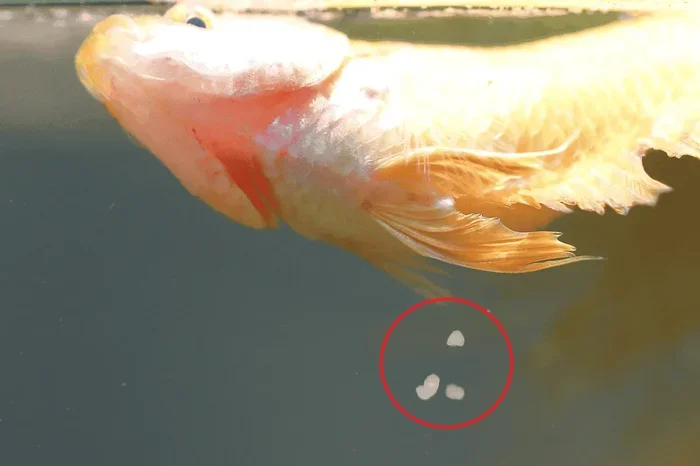
How many times do betta fish lay eggs? Female bettas can lay eggs every few weeks under the right conditions, but the real answer depends on their age, health, and environment. Understanding the betta fish breeding cycle helps you support your fish properly. This guide covers everything from egg-laying frequency to caring for betta fry after spawning.
If you own a betta fish, you might wonder about how many times do betta fish lay eggs. It is a great question, and the answer is more interesting than you might think.
Betta fish are fascinating creatures. They are colorful, active, and surprisingly social when it comes to breeding. Whether you are a new fish owner or a seasoned hobbyist, understanding the betta egg-laying process helps you create the best environment for your fish.
In this guide, we will walk through everything you need to know. From how often bettas spawn to how many eggs they produce, you will find clear answers backed by practical experience. Let us dive in.
Key Takeaways
- Betta fish can lay eggs every 2–4 weeks: A healthy female may spawn multiple times a month when conditions are ideal.
- Egg count varies widely: Each spawning session can produce anywhere from 10 to 500+ eggs depending on the fish’s size and health.
- A male bubble nest is essential: The male betta builds a nest to hold the eggs during the breeding process.
- Not all eggs will hatch: Unfertilized eggs are common and should be removed to prevent fungus.
- Age and health matter most: Younger, well-fed females lay eggs more frequently than older or stressed fish.
- Separate the female after breeding: The male may become aggressive, so removing the female protects both fish.
📑 Table of Contents
How Many Times Do Betta Fish Lay Eggs?
The short answer is that a healthy female betta fish can lay eggs every two to four weeks. However, this depends on several factors. Age, diet, water conditions, and the presence of a male all play a role.
Unlike mammals, betta fish do not carry live young. They lay eggs, and the male fertilizes them externally. This process is called betta spawning. Each spawning event is a cycle that includes nest building, egg release, fertilization, and hatching.
Some owners report their females laying eggs as often as every two weeks. Others see spawning only once a month. The key is creating stable, stress-free conditions. When everything lines up, your betta will follow its natural breeding rhythm.
What Triggers Betta Spawning?
Several things signal to a female betta that it is time to lay eggs:
- Water temperature: Warm water around 78–80°F encourages breeding behavior.
- Male presence: A male betta with a bubble nest often triggers the female.
- Proper nutrition: High-protein foods like bloodworms and brine shrimp prepare the female.
- Tank conditions: Clean water with low ammonia keeps the fish healthy and ready to breed.
- Tank size: A spacious tank reduces stress and supports natural behavior.
When these conditions are met, the female betta will release eggs during each spawning session. The frequency of these sessions is what answers the core question of how many times do betta fish lay eggs.
How Many Eggs Does a Betta Fish Lay Per Session?
Each time a female betta lays eggs, the number can vary a lot. A healthy female might release anywhere from 10 to 500 eggs in a single spawning event. The average is usually around 30 to 100 eggs.
Younger females tend to lay fewer eggs in their first few spawns. As they mature, the count increases. Larger females generally produce more eggs than smaller ones. This is why betta fish breeding success often depends on the overall health and size of the fish.
It is also important to note that not all eggs will be fertilized. The male betta releases milt over the eggs to fertilize them. Some eggs may remain unfertilized, and those will not hatch. For more details on unfertilized eggs, you can read about do betta fish ever lay unfertilized eggs.
What Affects Egg Count?
Several factors influence how many eggs a betta produces each time:
- Age: Prime breeding age is between 4 and 12 months.
- Diet: Protein-rich food boosts egg production.
- Water quality: Clean, warm water supports healthy spawning.
- Stress levels: A calm environment leads to better results.
- Genetics: Some bloodlines simply produce more eggs than others.
For a deeper look at the full egg count, check out our guide on how many eggs do betta fish lay.
The Betta Breeding Cycle Explained
Understanding the betta fish breeding cycle helps you know what to expect. The process follows a clear pattern each time a female lays eggs.
The cycle begins with the male building a bubble nest at the surface of the water. This nest is made of tiny air bubbles coated with saliva. It serves as a safe place for the eggs once they are released. Once the nest is ready, the male and female engage in a courtship dance.
During this dance, the female releases eggs, and the male fertilizes them immediately. The male then carefully collects the eggs and places them in the bubble nest. This entire process can take a few hours.
After spawning, it is important to remove the female from the tank. The male may become territorial and aggressive. He will focus on guarding the nest and caring for the eggs alone.
How Long Between Spawning Sessions?
A female betta needs time to recover and produce new eggs between sessions. Typically, this recovery period lasts about two to four weeks. During this time, you should focus on:
- Feeding the female high-quality, protein-rich food.
- Keeping the water clean and at the right temperature.
- Reducing any sources of stress in the tank.
Once the female has built up enough eggs again, she will be ready to spawn once more. This is why the answer to how many times do betta fish lay eggs is essentially “as often as conditions allow.”
Do All Female Betta Fish Lay Eggs?
Not all female bettas will lay eggs, and that is perfectly normal. A female betta can produce eggs even without a male present. However, those eggs will not be fertilized and will not hatch.
Some owners are surprised to find eggs in their female-only tank. This happens because egg production is a natural biological function. It does not always mean breeding has occurred. If you want to know more about this, read can female betta fish lay eggs without male.
For eggs to develop into fry, a male betta must be present to fertilize them. Without a male, the eggs are simply unfertilized and will not hatch. Removing them promptly helps keep the water clean and prevents fungal growth.
Signs Your Female Betta Is Ready to Lay Eggs
Watch for these signs that your female is preparing to spawn:
- A white spot called the ovipositor appears near her vent.
- Her belly becomes rounder and fuller.
- She develops horizontal stripes along her body.
- She becomes more active and curious around the male.
- She may start building a “nest” of bubbles herself.
These signals mean your female betta is entering her breeding phase. Providing the right environment during this time increases the chances of successful spawning.
Caring for Betta Eggs and Fry
Once the eggs are in the bubble nest, the male betta takes over. He guards the nest, repairs it, and eats any eggs that fall. This might seem harsh, but it is natural behavior.
Betta eggs typically hatch within 24 to 72 hours. The exact timing depends on water temperature. Warmer water speeds up hatching, while cooler water slows it down. For more on hatching timelines, see how many days to hatch betta fish eggs.
After hatching, the fry are very small and delicate. They float near the nest and absorb their yolk sacs for nutrition. After a few days, they become free-swimming and ready for infusoria or baby brine shrimp.
How Many Fry Can You Expect?
The number of surviving fry depends on several factors:
- Egg count: More eggs mean more potential fry.
- Fertilization rate: Well-fertilized eggs have a higher survival rate.
- Water quality: Clean water prevents infections in delicate fry.
- Male care: A diligent male protects more eggs and fry.
On average, a successful spawning can produce anywhere from 5 to 100 surviving fry. Some experienced breeders report even higher numbers. To learn more about fry survival, check out how many fry do betta fish have.
It is important to note that not all fry will survive. Some eggs will be unfertilized, some will develop fungus, and some fry may not make it past the first week. This is a natural part of the breeding process.
Common Mistakes When Breeding Betta Fish
Breeding bettas can be rewarding, but it also comes with common pitfalls. Here are mistakes many beginners make:
1. Skipping the Conditioning Phase
Both the male and female need to be well-fed and healthy before breeding. Skipping this step leads to fewer eggs and weaker fry. Feed both fish high-protein foods for one to two weeks before introducing them.
2. Keeping the Female with the Male Too Long
The female should be removed once spawning is complete. Leaving her in the tank risks injury from the male’s aggression. He will focus entirely on protecting the nest and may attack the female.
3. Poor Water Conditions
Dirty water stresses bettas and reduces egg production. Regular water changes and proper filtration are essential. Aim for a weekly water change of about 20 to 30 percent.
4. Wrong Water Temperature
Betta breeding requires warm water, typically between 78 and 80 degrees Fahrenheit. Too cold, and the fish will not breed. Too hot, and it can stress them out.
5. Overcrowding the Tank
A small, crowded tank creates stress and aggression. Use at least a 10-gallon tank for breeding setups. This gives the fish enough space to behave naturally.
Quick Tips for Successful Betta Breeding
Here are some quick tips to boost your breeding success:
- Use a separate breeding tank to control conditions and protect the fry.
- Feed live or frozen foods like bloodworms and brine shrimp to condition the fish.
- Keep the lights dim to reduce stress during spawning.
- Monitor the bubble nest daily and repair it if needed.
- Be patient. Not every spawning attempt will be successful, and that is okay.
- Remove dead eggs promptly to prevent fungus from spreading.
Following these simple steps creates the best possible environment for your bettas to thrive and reproduce naturally.
Final Thoughts
So, how many times do betta fish lay eggs? The answer is as often as every two to four weeks for a healthy, well-conditioned female. Each session can produce dozens to hundreds of eggs, though not all will be fertilized or survive.
Understanding the betta fish breeding cycle gives you the confidence to support your fish through every stage. From the initial courtship dance to the hatching of tiny fry, each step is fascinating to observe.
Remember that every betta is different. Age, health, diet, and environment all shape how often and how many eggs your fish will produce. Focus on providing excellent care, and the breeding will follow naturally.
If you are new to betta breeding, start slow. Observe your fish, learn their behavior, and make adjustments as needed. Over time, you will become more confident and successful. The journey of watching betta eggs hatch into active little fry is truly one of the most rewarding experiences in fish keeping.
Enjoy the process, keep your water clean, and celebrate each new generation of healthy betta fish. Happy breeding!
Frequently Asked Questions
How many times can a betta fish lay eggs in a month?
A healthy female betta can lay eggs once every two to four weeks. This means she may spawn one to two times per month under ideal conditions. The frequency depends on her age, diet, and the presence of a male betta.
Do betta fish lay eggs without a male?
Yes, a female betta can produce and lay eggs without a male present. However, those eggs will be unfertilized and will not hatch. For more details on this topic, check out can female betta fish lay eggs without male.
How long does it take for betta fish eggs to hatch?
Betta eggs typically hatch within 24 to 72 hours. Warmer water temperatures speed up the process, while cooler water slows it down. The male betta carefully guards the eggs in his bubble nest during this time.
How many fry do betta fish usually produce?
A successful spawning can produce anywhere from 5 to 100 surviving fry, depending on the egg count and fertilization rate. Some experienced breeders report even higher numbers with optimal care and conditions.
Should I remove unfertilized betta eggs from the tank?
Yes, removing unfertilized eggs is a good practice. They can develop fungus and spread infection to healthy eggs. The male betta often eats unfertilized eggs, but it is still best to monitor the nest and remove any that remain.
What should I feed a female betta to encourage egg production?
Feed high-protein foods like bloodworms, brine shrimp, and daphnia. These foods help condition the female and boost egg production. A varied, nutrient-rich diet supports overall health and breeding readiness.