How Many Pellets Should You Feed a Baby Betta Fish
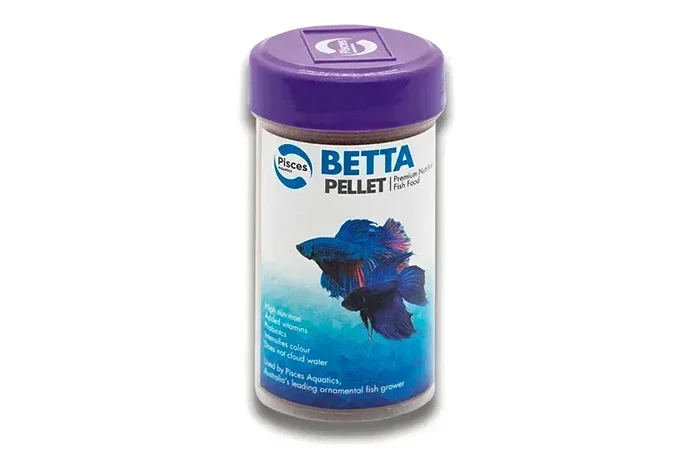
Feeding a baby betta fish the right number of pellets is crucial for its growth and health. Generally, you should offer 2-4 tiny pellets per meal, served 2-3 times daily. Baby betta fish have tiny stomachs, so portion control and a consistent feeding schedule matter more than the total amount.
Key Takeaways
- Small portions matter: Baby betta fish need only 2-4 micro pellets per meal due to their tiny stomachs.
- Feed frequently: A baby betta feeding schedule of 2-3 times daily supports rapid growth and development.
- Choose the right pellet size: Micro or mini pellets are ideal for young bettas. Large pellets can be a choking hazard.
- Overfeeding is a real risk: Uneaten food pollutes the water and can lead to serious health problems in baby bettas.
- Watch for hunger cues: Active hunting and visible interest in food mean your baby betta is ready to eat.
- Adjust as they grow: Increase portion sizes gradually as your betta matures from a fry into a juvenile.
📑 Table of Contents
- Why Feeding a Baby Betta Fish the Right Amount Matters
- How Many Pellets Should You Feed a Baby Betta Fish?
- Baby Betta Fish Feeding Schedule and Frequency
- What Type of Pellets Are Best for Baby Betta Fish?
- Common Mistakes When Feeding Baby Betta Fish
- How to Tell If Your Baby Betta Fish Is Getting Enough Food
- Conclusion
Why Feeding a Baby Betta Fish the Right Amount Matters
Baby betta fish are tiny, fragile creatures that grow fast. In their first few weeks of life, they can double or triple in size. All that growth needs proper fuel. And the fuel comes from the food you give them.
But here is the thing most new betta owners do not realize. Baby betta fish are not just small adults. Their bodies work differently. They have extremely tiny stomachs, fast metabolisms, and delicate digestive systems. Give them too much food, and you risk overfeeding, which is one of the top killers of young bettas.
Giving them too little food is also a problem. Underfed baby bettas grow slowly, become weak, and may not survive. That is why finding the sweet spot is so important. In this guide, we will walk you through everything you need to know about how many pellets should you feed a baby betta fish, including portion sizes, feeding frequency, and common mistakes to avoid.
If you want your baby betta to grow into a strong, colorful adult, getting the feeding routine right from day one is essential. Let us dive in.
How Many Pellets Should You Feed a Baby Betta Fish?
The short answer is 2 to 4 small pellets per meal. But the full answer involves a few important details. Not all pellets are the same size, and not all baby bettas are the same age. Let us break it down.
By Age and Size
Baby bettas go through different stages. The number of pellets you offer should change as they grow.
- Newly hatched fry (0-2 weeks): At this stage, baby bettas are barely visible. They need infusoria or liquid fry food, not pellets yet. Their mouths are too small for anything else. You can learn more about early feeding in our article on can you feed a baby betta fish.
- Young fry (2-4 weeks): Now your betta fry can start eating micro pellets. Offer 2-3 tiny pellets per feeding. Crush regular pellets into powder if needed.
- Older fry (4-8 weeks): As the baby betta grows, increase to 3-4 micro or mini pellets per meal. Their stomachs can handle a bit more now.
- Juvenile bettas (8+ weeks): Your betta is almost an adult. Offer 4-5 pellets per feeding, moving toward the adult portion size.
Real-World Example
Say you have a 3-week-old baby betta in a 5-gallon tank. You would drop 2-3 micro pellets into the water. Watch your betta eat. If it finishes within 2 minutes and looks hungry again, you can add 1-2 more. But never dump a handful of pellets in and walk away.
For more details on adult betta pellet portions, check out our guide on how many pellets to feed a betta fish.
What If My Baby Betta Refuses Pellets?
This happens often. Baby bettas can be picky eaters. If your fry ignores pellets, try these alternatives:
- Crush regular pellets into a fine powder
- Offer baby brine shrimp or micro worms
- Use high-quality liquid fry food
- Try freeze-dried bloodworms crushed into small pieces
Sometimes the issue is not the amount. It is the pellet size. Make sure you are using appropriately sized pellets for a young betta. For more on this, see our article on can a baby betta fish eat betta pellets.
Baby Betta Fish Feeding Schedule and Frequency
Knowing how often to feed is just as important as knowing how much. A consistent baby betta fish feeding schedule keeps their metabolism steady and prevents overfeeding.
How Often Should You Feed a Baby Betta?
For most baby bettas, 2 to 3 feedings per day works best. Here is a sample schedule:
- Morning (7-8 AM): 2-3 micro pellets
- Midday (12-1 PM): 2-3 micro pellets (optional for very young fry)
- Evening (6-7 PM): 2-3 micro pellets
If you choose to feed only twice a day, simply increase the pellets slightly per meal. The goal is to provide enough nutrition without leaving excess food in the tank.
Why Spacing Matters
Baby bettas digest food quickly. Their stomachs are roughly the size of their eye. Eating small meals spread throughout the day mimics their natural feeding pattern in the wild. They would graze on tiny insects and larvae constantly, not eat one big meal.
Spacing meals also helps maintain stable energy levels throughout the day. A well-fed baby betta is active, curious, and shows vibrant colors. A poorly fed or overfed one becomes lethargic and stressed.
For a deeper dive into feeding frequency, our article on how often should you feed a betta fish covers the topic in detail.
Can You Feed a Baby Betta Every Other Day?
No. Baby bettas need daily feeding. Their fast metabolisms mean they burn through energy quickly. Skipping days can lead to stunted growth and weakness. Only adult bettas can handle occasional fasting days. For more on this topic, see our article on can you feed a betta fish every other day.
What Type of Pellets Are Best for Baby Betta Fish?
Not all betta pellets are created equal. The wrong type can harm your baby betta or simply go uneaten. Choosing the right food is a big part of answering the question: how many pellets should you feed a baby betta fish.
Micro Pellets vs. Regular Pellets
Standard betta pellets are usually 2-3mm in diameter. That is way too big for a baby betta. You need micro pellets (1mm or smaller) or pellets specifically designed for fry. Some brands offer “fry food” pellets that are tiny and nutrient-dense.
What to Look For in Quality Baby Betta Food
- High protein content: Baby bettas need at least 35-40% protein for healthy growth.
- Real animal ingredients: Look for fish meal, shrimp, or insect protein as the first ingredients.
- No fillers: Avoid foods heavy in corn, wheat, or soy. These offer little nutrition.
- Sinking or slow-sinking: Baby bettas are bottom feeders. Sinking pellets make it easier for them to find food.
- Small size: Always check that pellets are small enough for your baby betta’s mouth.
Recommended Pellet Types for Baby Bettas
Here are some popular and effective options:
- Fluval Bug Bites Mini — Small, high-protein, and designed for small fish.
- Hikari Micro Wafers — Tiny and nutrient-rich for fry.
- Tetra Pro Crisp — A solid choice with good ingredient quality.
- Crushed high-quality pellets — Any good adult betta pellet crushed into powder or tiny pieces works in a pinch.
Remember, variety is good. Rotate between pellets and live or frozen foods like baby brine shrimp and daphnia to provide a balanced betta fish diet.
Common Mistakes When Feeding Baby Betta Fish
Even experienced fish keepers make mistakes when feeding baby bettas. Here are the most common ones to avoid.
Overfeeding
This is the number one mistake. Baby bettas look hungry. They will always seem ready for more food. But their stomachs cannot handle it. Overfeeding leads to bloating, swim bladder problems, and dirty water. If you are unsure whether you are overfeeding, our article on can you feed a betta fish too much explains the warning signs.
Signs of overfeeding include:
- Food leftover after 2-3 minutes
- Cloudy or foul-smelling water
- Betta appears bloated or floats oddly
- Reduced appetite at the next feeding
Feeding Too Few Pellets
On the flip side, some owners worry about overfeeding so much that they underfeed. A baby betta that is always hungry will not grow properly. Watch for hunger cues like active searching along the bottom, rapid swimming near the surface, or digging in substrate. These mean it is time to eat.
Using the Wrong Pellet Size
Large pellets can physically injure a baby betta. They may try to swallow them whole and choke. Always match the food size to your fish. When in doubt, crush pellets before feeding.
Ignoring Water Quality
Uneaten food decays fast. It produces ammonia and nitrites, which are toxic to fish. Baby bettas are especially sensitive. Always remove leftover food after a few minutes and keep up with regular tank maintenance. For tips on tank maintenance, see our article on how often should you clean your betta fish bowl.
How to Tell If Your Baby Betta Fish Is Getting Enough Food
You have chosen the right number of pellets, set a feeding schedule, and picked quality food. But how do you know if your baby betta is actually thriving? Here are the signs of a well-fed baby betta:
- Active and energetic: A healthy baby betta swims around exploring, not hiding in corners.
- Vibrant colors: Proper nutrition brings out the beautiful colors bettas are known for.
- Steady growth: Measure your betta weekly. Steady, consistent growth means food is sufficient.
- Good appetite: Your betta should eat eagerly at each feeding.
- Clear, active eyes: Cloudy or sunken eyes can signal malnutrition or illness.
When to Adjust the Feeding Amount
Every baby betta is different. Some are bigger eaters. Others are pickier. Here is how to adjust:
- If food is always left over: Reduce by 1 pellet per feeding.
- If your betta finishes food in under 30 seconds and looks desperate: Add 1 pellet per feeding.
- If your betta stops growing: Increase protein-rich foods and add a supplementary feeding of live or frozen food.
- If your betta looks bloated: Stop feeding for half a day and reduce portions the next day.
Quick Tips for Feeding Baby Betta Fish
- Feed in a quiet spot away from strong water flow.
- Use tweezers or a pipette to place pellets right in front of your betta for easy access.
- Remove any uneaten pellets after 3-5 minutes.
- Stick to the same schedule every day. Baby bettas thrive on routine.
- Track your betta’s growth weekly with measurements or photos.
Expert Insight on Feeding Baby Bettas
Experienced betta breeders often feed their fry small amounts multiple times a day — sometimes up to 4-5 feedings daily for the youngest fry. They also emphasize the importance of live food during the first few weeks. Infusoria, microworms, and baby brine shrimp provide nutrients that processed foods cannot fully replace. As the fry grows, pellets gradually become the staple food. This approach produces strong, healthy bettas with excellent color development.
Conclusion
Feeding a baby betta fish the right number of pellets is both an art and a science. The general rule of 2-4 small pellets per meal, fed 2-3 times daily works for most baby bettas. But always pay attention to your individual fish. Watch their behavior, adjust portions as they grow, and choose high-quality, appropriately sized food.
How many pellets should you feed a baby betta fish? The answer depends on age, size, activity level, and overall health. Start with the guidelines in this article, observe your betta closely, and make small adjustments over time. With proper feeding, your baby betta will grow into a stunning, healthy adult that brings joy to your home for years to come.
Take the time to get this right now. Your baby betta’s future depends on it.
Frequently Asked Questions
How many pellets should I feed my baby betta fish per day?
Feed your baby betta 2-4 small pellets per meal, 2-3 times a day. That totals roughly 6-12 pellets daily depending on age. Younger fry need fewer pellets, while older juveniles can handle slightly more. Always watch for leftover food to gauge if the portion is right.
Can baby betta fish eat regular pellets?
Not really. Regular betta pellets are usually too large for a baby betta’s tiny mouth. You should use micro pellets or fry-specific food. If you only have regular pellets, crush them into a fine powder or small pieces before feeding. This ensures your baby betta can eat safely without choking.
How do I know if my baby betta is hungry?
Hungry baby bettas show clear signs. They will actively search the bottom of the tank, swim near the surface, and appear restless. Some bettas dig in the substrate looking for food. If you see these behaviors at feeding time, your baby betta is likely ready to eat.
Is it okay to feed a baby betta fish twice a day?
Yes, feeding twice a day is perfectly fine for most baby bettas. Just make sure each meal includes enough food for healthy growth. If your betta is a fast eater, you may want to add a third small feeding for very young fry. Consistent spacing between meals is more important than the exact number of feedings.
What happens if I overfeed my baby betta fish?
Overfeeding can cause bloating, swim bladder disorder, and poor water quality. Uneaten food rots in the tank, producing harmful ammonia. Your betta may become lethargic, float abnormally, or refuse food. If this happens, stop feeding for 24 hours and reduce portion sizes going forward.
When should I increase the number of pellets for my baby betta?
Increase pellets gradually as your betta grows. At around 4-6 weeks old, you can bump up from 2-3 pellets to 3-4 per meal. By 8 weeks, your betta is nearly juvenile-sized and can handle 4-5 pellets. Watch for consistent growth and active behavior as signs that the current amount is working.