How Many Gallons Would You Need to Breed Betta Fish
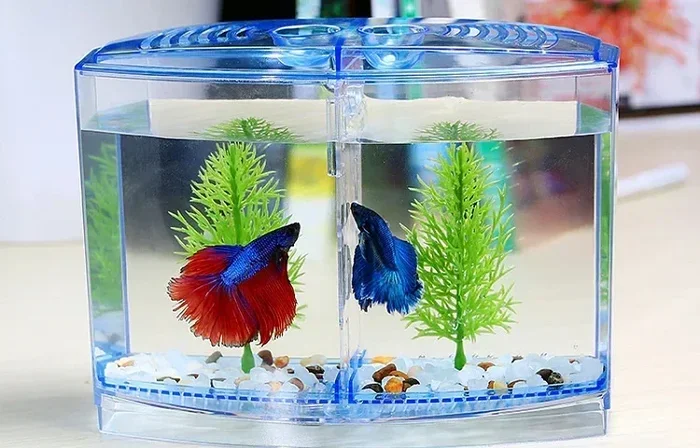
You need at least 10 to 20 gallons to breed betta fish properly. A dedicated breeding tank gives your fish enough space to spawn and keeps the water quality stable. The right tank size reduces stress and helps your betta pair thrive during the breeding process.
Key Takeaways
- Minimum 10 gallons: A small breeding tank works, but bigger is always better for betta fish.
- 20 gallons is the sweet spot: This size gives enough room for spawning, hiding spots, and stable water conditions.
- Separate the pair after breeding: The male needs space to care for eggs without stress from the female.
- Setup matters as much as size: Heater, filter, and plants create the ideal breeding environment.
- Age and health matter: Only breed mature, healthy betta fish in the right-sized tank.
- Avoid small bowls: Bowls and tiny containers stress fish and lower breeding success.
📑 Table of Contents
Why Tank Size Matters When Breeding Betta Fish
Breeding betta fish is exciting. But many beginners overlook one critical detail: tank size. The gallons you provide directly impact the health of your fish and the success of breeding.
When you breed betta fish, both the male and female need enough room to move, flare, and spawn comfortably. A cramped space causes stress. Stress leads to disease, poor spawning, and even death. That is why choosing the right breeding tank size matters so much.
Think of it this way. You would not want to live in a tiny closet. Your fish feel the same way. Giving them proper space is the first step toward a successful breeding project.
If you are new to this, start by learning the basics of betta fish breeding. Understanding how to breed betta fish properly sets the foundation for everything else. Tank size is one of the most important factors in that foundation.
How Many Gallons Do You Really Need to Breed Betta Fish
The short answer is 10 to 20 gallons. But the ideal size depends on several factors. Let us break it down so you can make the best decision for your fish.
Minimum Tank Size for Breeding
A 10-gallon tank is the absolute minimum for breeding betta fish. This size gives the male enough room to build a bubble nest. It also gives the female space to retreat after spawning.
However, 10 gallons is tight. Water parameters can swing quickly in a small tank. If you are a beginner, you might want to start with 15 or 20 gallons instead. More water means more stability. And stability is the key to healthy betta fish care.
Small tanks require more frequent water changes. In a breeding setup, you want to minimize disturbance. Frequent changes can stress the fish and disrupt the breeding process. A larger tank gives you a buffer against these problems.
Why Bigger Tanks Work Better
A 20-gallon tank is the sweet spot for most breeders. Here is why:
- Stable water conditions: Larger volumes dilute waste faster. This keeps ammonia and nitrite levels low. Stable water parameters are essential for betta fish health.
- More swimming room: Both fish can move freely without feeling trapped. This reduces aggression and promotes natural spawning behavior.
- Easier to maintain: You have more room for a heater, filter, and plants. Equipment placement is more flexible in a bigger tank.
- Better temperature control: Heat spreads more evenly in a bigger tank. This creates consistent breeding conditions for your pair.
If you are serious about betta fish breeding, a 20-gallon tank is your best friend. It gives you a buffer against mistakes and keeps your fish healthy throughout the process.
How Many Gallons for a Single Betta Fish vs. a Breeding Pair
Here is something many people miss. A single betta fish can live in 5 gallons. But breeding requires more space. You need room for two fish plus breeding equipment. Check out this guide on how many gallons for a betta fish to understand the basics of tank sizing.
For a breeding pair, always go with at least 10 gallons. For the best results, aim for 20 gallons. The extra space makes a huge difference in water quality and fish behavior. Your pair will be happier, and your breeding success rate will go up.
Setting Up the Perfect Breeding Tank
Once you know your tank size, it is time to set things up. A proper aquarium setup makes breeding much easier. Here is what you need to focus on.
Essential Equipment for the Breeding Tank
You do not need a lot of fancy gear. But you do need a few key items to create the right breeding conditions:
- Aquarium heater: Keep the water between 78 and 82 degrees Fahrenheit. This temperature range triggers spawning behavior in betta fish.
- Filter: Use a gentle sponge filter. Strong filters can destroy bubble nests. A sponge filter provides biological filtration without harsh flow.
- Thermometer: Monitor the water temperature daily. Sudden drops can stress your fish and halt the breeding process.
- Plants and hiding spots: Add live or silk plants. These give the female places to hide from the male after spawning.
- Tank divider (optional): Some breeders use a divider to keep the pair separated until ready. This helps reduce aggression before introducing them.
If you want step-by-step guidance on setting up the aquarium, check out this detailed article on how to breed betta fish in aquarium. It covers equipment, water preparation, and tank layout in depth.
Water Parameters for Breeding Success
Clean water is non-negotiable. Betta fish breeding requires specific water conditions. Here are the target parameters you should aim for:
- pH: 6.5 to 7.0 (slightly acidic to neutral)
- Temperature: 78 to 82 degrees Fahrenheit
- Ammonia: 0 ppm
- Nitrite: 0 ppm
- Nitrate: Below 20 ppm
Test your water regularly. Use a liquid test kit for the most accurate readings. Dirty water is the number one killer of betta fish fry. Keep the breeding tank clean and your fish will reward you with healthy spawning.
Male and Female Betta Fish Space Requirements
Not all betta fish are the same. Male and female bettas have different space needs during breeding. Understanding these differences helps you plan the right setup.
Male Betta Fish Space Needs
The male betta needs the most space during breeding. He builds the bubble nest and guards the eggs. A stressed male may eat his own eggs or attack the female.
Give the male at least 10 gallons of space. A 20-gallon tank allows him to establish a territory without feeling crowded. He needs room to swim, build a nest, and care for the fry after hatching. The male betta fish will be active and protective, so space is essential.
Female Betta Fish Space Needs
The female needs her own safe space too. After spawning, the male chases the female. She needs plenty of hiding spots to recover. Dense plants and caves work great for this purpose.
Never keep two females in a breeding tank unless it is 20 gallons or larger. Even then, monitor them closely. Overcrowding leads to aggression and failed spawning. Each female needs her own territory within the tank.
Before you start, make sure both fish are healthy and mature. Learn more about the right age for breeding in this guide on how old betta fish to breed. Age plays a big role in breeding success. A mature pair in a properly sized tank has the best chance of producing healthy fry.
Common Mistakes About Tank Size for Breeding
Many new breeders make avoidable mistakes. Here are the most common ones and how to fix them.
Using a Bowl or Vase
Some people try to breed betta fish in a bowl. This is a bad idea. Bowls are too small. They cannot hold a heater or filter properly. Water quality crashes fast. Your fish will not thrive in a bowl, and breeding will almost certainly fail.
If you want to learn more about proper setups, check out how to breed betta fish in a bowl. Even the best bowl setup cannot replace a proper tank for breeding purposes.
Skipping the Tank Cycle
Even with the right gallons, an uncycled tank is dangerous. Ammonia spikes can kill fish within hours. Always cycle your breeding tank for at least two weeks before introducing any fish. This builds beneficial bacteria that keep the water safe.
Overcrowding the Tank
It is tempting to add lots of fish to the breeding tank. Do not do it. The breeding tank is for the pair and their fry only. Extra fish add waste, compete for food, and stress the breeding pair. Keep it simple and focused.
Underestimating the Need for Space
Some breeders think 5 gallons is enough for a pair. It is not. Five gallons works for a single fish, not for breeding. The pair needs room to establish a safe environment for eggs and fry. Always choose a tank that gives both fish comfortable swimming space.
Tips for a Successful Breeding Setup
Now that you know the right tank size, here are some extra tips to boost your success rate.
Start with Healthy Fish
Choose a vibrant male with bright colors and a strong appetite. Pick a plump, active female with a visible egg spot. Healthy fish breed better and produce stronger fry. Look for fish with no signs of disease or lethargy.
Condition the Pair Before Breeding
Feed both fish high-quality food for two weeks before introducing them. Use live or frozen brine shrimp and bloodworms. Good nutrition improves egg production and male nesting behavior. Well-conditioned fish spawn more frequently and with better results.
Watch for Spawning Behavior
When the pair is ready, the male will build a bubble nest at the surface. The female will show vertical stripes. They will wrap around each other to release eggs and milt. This is an exciting moment for any breeder. Make sure you are ready to observe and act quickly if needed.
Remove the Female After Spawning
Once the female releases her eggs, remove her from the tank. The male will chase and may harm her. Leave the male alone to guard the eggs and care for the fry. A separate recovery tank for the female is a good idea.
Raise the Fry Properly
After the eggs hatch in about 24 to 48 hours, the male cares for the fry. In a 20-gallon tank, you have plenty of room to raise them. Feed the fry infusoria or liquid fry food for the first week. Gradually introduce baby brine shrimp as they grow. A well-sized tank gives the fry room to develop without competition for food.
Breeding betta fish is a rewarding hobby. With the right tank size and proper care, you can raise healthy fry and enjoy the process every step of the way.
Conclusion
So, how many gallons would you need to breed betta fish? The answer is clear. Aim for 10 to 20 gallons. A 20-gallon tank gives you the best results for betta fish breeding. It provides stable water, enough space, and a healthy environment for both the pair and their fry.
Do not cut corners on tank size. The right setup makes all the difference. Start with a properly sized tank, condition your fish well, and enjoy the journey of raising betta fish from eggs to fry.
Whether you are a first-time breeder or a seasoned hobbyist, getting the tank size right is the foundation of success. Your fish will thank you with healthy spawning and vibrant fry. Choose the right gallons, set up your breeding tank with care, and watch your betta fish thrive.
Frequently Asked Questions
Can you breed betta fish in a 5-gallon tank?
A 5-gallon tank is too small for breeding. It is only suitable for a single betta fish. Breeding requires at least 10 gallons, with 20 gallons being the ideal size for a healthy pair and their fry.
What is the best tank size for raising betta fish fry?
A 20-gallon tank works best for raising betta fish fry. The extra space allows the fry to grow without competition. It also makes water maintenance easier, which is critical for the delicate early stages of fry development.
Do you need a separate breeding tank for betta fish?
Yes, a separate breeding tank is highly recommended. It gives you control over water parameters and reduces stress for both the male and female. A dedicated breeding tank also protects the eggs and fry from being eaten by other fish.
How does tank size affect betta fish breeding success?
Larger tanks provide stable water conditions, which are essential for successful spawning. Small tanks experience rapid changes in ammonia and temperature. These fluctuations stress the fish and lower the chances of healthy eggs and fry.
Should you use a tank divider when breeding betta fish?
A tank divider can be helpful. It allows the male and female to see each other without direct contact. This reduces aggression and helps condition the pair before introducing them into the full breeding tank.
Can you breed betta fish in a bowl?
Breeding betta fish in a bowl is not recommended. Bowls are too small to maintain stable water conditions. They lack space for proper equipment like heaters and filters. A dedicated breeding tank of at least 10 gallons is necessary for successful betta fish breeding.