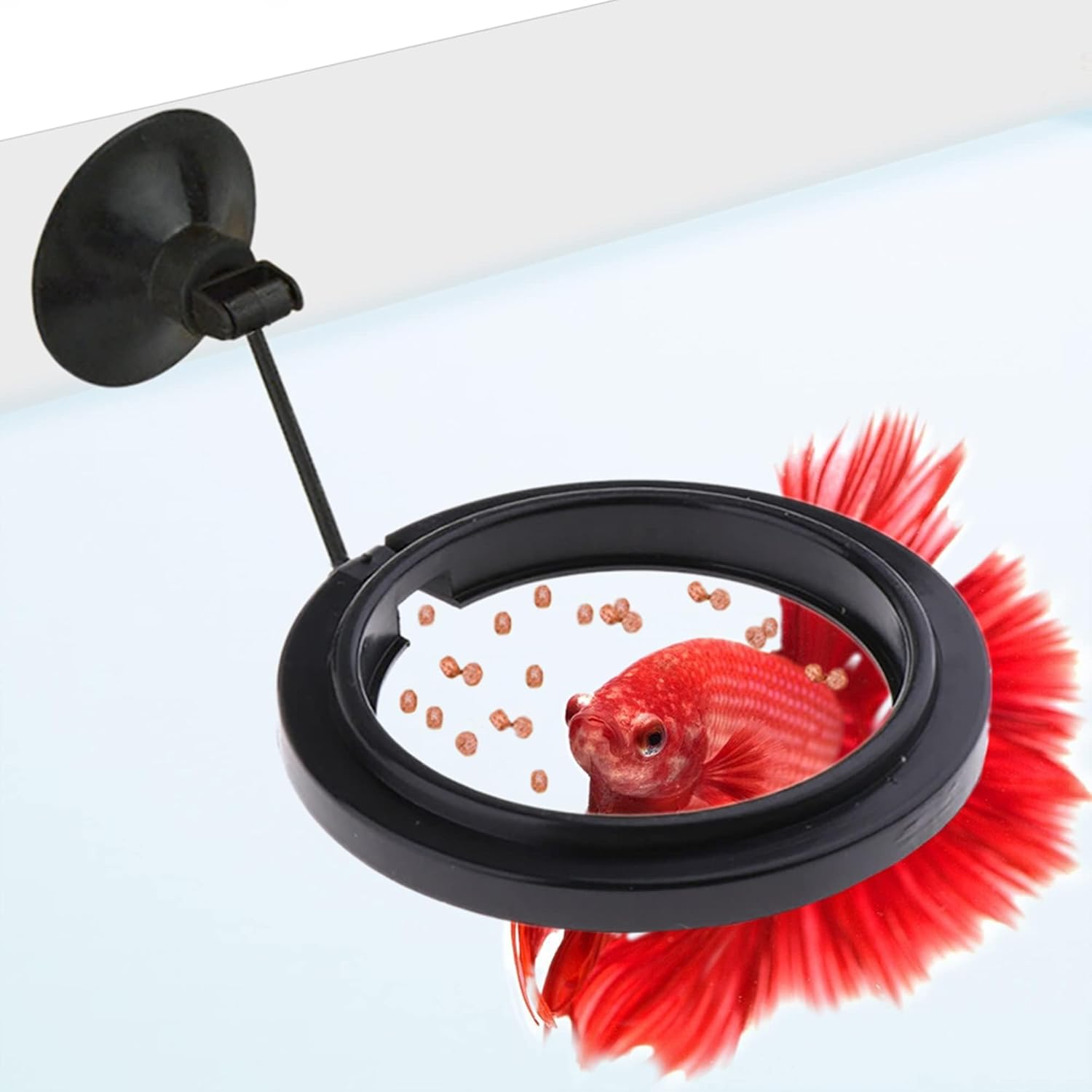
How Many Fins Does a Betta Fish Have
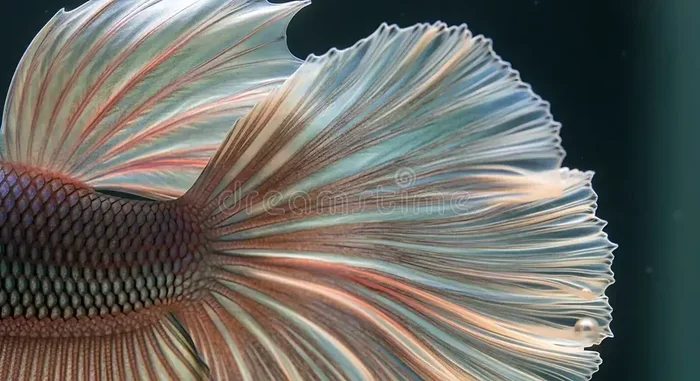
So, how many fins does a betta fish have? Betta fish have seven fins in total, each serving a specific purpose. Their impressive betta fish fins include the dorsal, caudal, anal, pectoral, pelvic, and sometimes additional fin extensions. Understanding your betta’s fin structure helps you keep them healthy and happy.
Key Takeaways
- Seven fins total: A betta fish has seven fins including dorsal, caudal, anal, pectoral, pelvic, and paired fins on each side.
- Each fin has a job: From steering to balance, every fin plays a critical role in swimming and survival.
- Fin rot is common: Poor water quality and stress can cause fin damage, so regular tank maintenance is essential.
- Fin nipping is a risk: Tank mates with long fins or aggressive behavior can harm your betta’s fins.
- Breeding affects fins: Male bettas develop longer, more colorful fins for courtship displays.
- Proper care prevents damage: Clean water, good nutrition, and compatible tank mates keep fins healthy.
📑 Table of Contents
- How Many Fins Does a Betta Fish Have?
- Understanding Betta Fish Fin Anatomy
- The Seven Fins of a Betta Fish
- Functions of Each Fin
- Common Betta Fin Problems
- How to Keep Your Betta’s Fins Healthy
- Breeding and Fin Development
- Do Betta Fin Count Vary by Breed?
- Quick Tips for Betta Fin Care
- Common Mistakes Bettas Owners Make
- Expert Insights on Betta Fin Health
- Conclusion
How Many Fins Does a Betta Fish Have?
Betta fish are some of the most beautiful creatures in the aquarium world. Their flowing, colorful fins are a huge part of what makes them so popular. But have you ever wondered exactly how many fins a betta fish has? The answer might surprise you.
A betta fish has seven fins in total. Each fin serves a specific purpose, from helping the fish swim to keeping it balanced. Knowing about these fins helps you take better care of your betta. It also helps you spot problems early, like fin rot or damage from tank mates.
In this article, we will break down each fin, explain what it does, and share tips for keeping your betta’s fins healthy and strong. Whether you are a new betta owner or a seasoned hobbyist, this guide has something for you.
Understanding Betta Fish Fin Anatomy
Before we count the fins, let us look at how they are structured. A betta’s fins are made of thin, delicate rays supported by a membrane. These rays are called lepidotrichia. They are bony extensions that give the fin its shape.
The membrane between the rays is thin and fragile. This is why bettas are prone to fin damage. Unlike tougher fish species, bettas cannot easily repair torn fins on their own. Their fins are both beautiful and vulnerable.
What Are the Main Parts of a Betta Fin?
- Fin rays: These are the hard, structural supports that hold the fin up.
- Membrane: The soft tissue stretched between the rays. This is the part you see coloring on.
- Fin base: Where the fin connects to the body. This area is rich with blood vessels.
- Fin edges: The outer tips of the fins. These are often the first parts to show damage.
Understanding this structure helps you see why proper care is so important. Any tear or rip in the membrane can lead to infection if not addressed quickly.
The Seven Fins of a Betta Fish
Now let us count and explore each of the seven fins a betta fish has. Some are paired, meaning there is one on each side of the body. Others are single, located along the midline.
1. Dorsal Fin
The dorsal fin sits on top of the betta’s back. It is a single fin that runs along the spine. In many betta varieties, the dorsal fin is large and flowing, adding to the fish’s overall beauty.
This fin mainly helps with stability. It prevents the betta from rolling sideways while swimming. Think of it like a balancing pole. Without it, the fish would wobble and struggle to move in a straight line.
In some betta breeds, like the halfmoon, the dorsal fin can be extremely wide. This makes it look even more dramatic but also more fragile. A wide dorsal fin is more likely to catch on decorations or get torn by water flow.
2. Caudal Fin (Tail Fin)
The caudal fin is the tail fin. It is probably the most recognizable fin on a betta. This is the big, flowing fin that gives bettas their signature look. It is also the fin most people admire the most.
This fin powers the fish forward. When a betta swims, it pushes water with its tail. The shape of the caudal fin affects speed and agility. For example, a halfmoon betta has a wide, fan-shaped tail. A crowntail has a more narrow, pointed tail.
A healthy caudal fin is a sign of a healthy betta. If you notice ragged edges or discoloration, it could be a sign of fin rot or stress.
3. Anal Fin
The anal fin is located on the bottom of the betta, near the tail. It is a single fin that mirrors the dorsal fin in position. Its main job is also stability, but it focuses on the lower body.
When a betta turns or dips, the anal fin helps it stay level. It works together with the dorsal fin to create balance. In male bettas, the anal fin can be quite long and colorful, especially during breeding season.
4. Pectoral Fins
The pectoral fins are a pair of fins located on each side of the betta, just behind the gills. These are small but mighty. They are the betta’s main steering tools.
Here is what pectoral fins do:
- Steering: They help the betta turn left or right.
- Braking: They act like brakes to slow the fish down.
- Hovering: They allow the betta to stay in one spot in the water.
- Feeding: They help direct food toward the mouth.
Without pectoral fins, a betta would struggle to navigate its tank. These fins are also very sensitive. Strong water currents can damage them, so a gentle filter is important.
5. Pelvic Fins
The pelvic fins are another pair, located on the underside of the betta, below the pectoral fins. They are smaller and often overlooked. But they play a big role in maneuverability.
Pelvic fins help the betta move up and down in the water column. They also help with sudden stops and quick direction changes. In some betta varieties, pelvic fins are long and thin, adding elegance to the fish’s movement.
These fins also have sensory functions. They can detect changes in water pressure and help the fish sense its surroundings. This is especially useful in dimly lit tanks.
6. Adipose Fin
The adipose fin is a small, fleshy fin located between the dorsal fin and the tail. It does not have any rays or support structure. It looks like a small, transparent flap.
This fin does not have a clear function in bettas. Scientists believe it may help with sensing water movement. It is more prominent in some species than in bettas. In most betta fish, the adipose fin is small and often goes unnoticed.
7. Paired Pectoral and Pelvic Fins (Summary)
Wait, did we already count the pectoral and pelvic fins? Yes. But here is the key. Pectoral fins are paired, so there are two. Pelvic fins are also paired, so there are two. That is why the total count reaches seven:
- Dorsal fin: 1
- Caudal fin: 1
- Anal fin: 1
- Pectoral fins: 2 (one on each side)
- Pelvic fins: 2 (one on each side)
Some sources also count the adipose fin, which would make eight. But the most widely accepted count for betta fish is seven fins. The adipose fin is often considered a minor or vestigial structure.
Functions of Each Fin
Now that we know the count, let us look at how all these fins work together. A betta fish is a skilled swimmer, and every fin contributes to that skill. Here is a quick comparison of each fin and its main function.
| Fin | Location | Primary Function |
|---|---|---|
| Dorsal Fin | Top of back | Stability and balance |
| Caudal Fin | Tail | Forward propulsion |
| Anal Fin | Bottom near tail | Stability and balance |
| Pectoral Fins | Sides behind gills | Steering and braking |
| Pelvic Fins | Underside | Maneuverability and depth control |
| Adipose Fin | Between dorsal and tail | Sensory (minor) |
As you can see, each fin has a specific role. If one fin is damaged, the betta may still swim but with reduced agility. This is why protecting fin health is so important.
Common Betta Fin Problems
Bettas are known for their long, flowing fins. But those same fins can be a source of problems. Here are the most common issues betta owners face.
Fin Rot
Fin rot is one of the most common diseases in betta fish. It causes the edges of the fins to look ragged, torn, or discolored. Often, the fin edges turn white or black.
Fin rot is usually caused by poor water quality. Bacteria like Columnaris or Pseudomonas attack the fin tissue. If left untreated, the rot can spread to the body and become life-threatening.
To prevent fin rot:
- Keep your tank water clean and well-filtered.
- Do over 25% water changes weekly.
- Avoid overfeeding, which pollutes the water.
- Quarantine new fish before adding them to your tank.
Fin Nipping
Fin nipping happens when tank mates bite off pieces of your betta’s fins. This is a common problem in community tanks. Fish like tiger barbs, serpae tetras, and some gouramis are notorious fin nippers.
Even other bettas can be fin nippers. Male bettas are territorial and may attack their own reflection, causing self-inflicted damage. Always choose tank mates carefully. A betta in a solo tank is often the safest option.
Physical Damage
Sharp decorations, rough gravel, or strong filter currents can all cause physical fin damage. Bettas are not the strongest swimmers. A powerful filter can push them around and tear their fins on objects.
To prevent this:
- Use soft, fine gravel or sand substrate.
- Avoid sharp or rough decorations.
- Choose a gentle filter with a baffle.
- Keep water flow low to moderate.
How to Keep Your Betta’s Fins Healthy
Healthy fins are a sign of a happy betta. Here are some practical tips to keep those fins in top shape.
Maintain Water Quality
This is the number one rule. Clean water prevents disease and promotes healing. Test your water regularly for ammonia, nitrite, and nitrate levels. Keep the temperature between 78 and 80 degrees Fahrenheit. This is the ideal betta fish temperature range for health and comfort.
Feed a Balanced Diet
Nutrition plays a big role in fin health. A well-fed betta grows stronger fins. Feed high-quality pellets as a staple. Add frozen or live foods like bloodworms and brine shrimp for variety. This boosts color and fin growth. For more details on feeding, check out our guide on how much does a betta fish eat and how many pellets to feed a betta fish.
Avoid Aggressive Tank Mates
As mentioned, fin nipping is a real risk. If you want a community tank, choose peaceful species. Ember tetras and ghost shrimp are good options. But always monitor your betta’s behavior. If you notice torn fins, separate the aggressor immediately.
Provide Plenty of Hiding Spots
Bettas feel safer with places to hide. Plants, caves, and driftwood reduce stress. A stressed betta is more likely to damage its fins. They may dash into objects or become lethargic. A relaxed betta swims gracefully and keeps its fins intact.
Treat Diseases Early
If you spot signs of fin rot or infection, act fast. Use aquarium salt as a first treatment. For more severe cases, medicated foods or water treatments may be needed. The sooner you treat the problem, the better the outcome.
Breeding and Fin Development
Breeding season brings big changes to a betta’s fins. Male bettas develop longer, more colorful fins during this time. This is part of their courtship display. A male with impressive fins is more attractive to females.
Female bettas also see fin changes, though less dramatic. Their fins may lengthen slightly and darken in color. Breeding behavior also increases activity levels, which can lead to more wear and tear on fins.
If you are planning to breed your bettas, make sure both fish are healthy. Strong fins indicate good genetics. For more on betta breeding and egg laying, see our article on how many eggs does a betta fish lay and how does a male betta fish fertilize the eggs.
Do Betta Fin Count Vary by Breed?
Different betta breeds have different fin shapes and sizes. But the underlying fin count remains the same. A halfmoon betta has the same seven fins as a crown tail or plakat. What changes is the appearance.
Here is a quick comparison of popular betta breeds and their fin characteristics:
- Halfmoon: Wide, fan-shaped tail fin up to 180 degrees. Large dorsal and anal fins.
- Crown Tail: Reduced webbing between fin rays. Fins look spiky or crowned.
- Plakat: Short fins, closer to wild betta type. Hardier and less prone to damage.
- Crowntail Delta: Moderate tail spread, between plakat and halfmoon.
- Super Delta: Tail spread over 120 degrees but less than a full halfmoon.
No matter the breed, all bettas share the same basic fin structure. The differences are in the expression of those genes. A plakat may have short fins, but it still has seven.
Quick Tips for Betta Fin Care
- Check fins daily: Look for tears, discoloration, or ragged edges.
- Keep water warm: Cold water weakens the immune system and slows healing.
- Reduce stress: Avoid sudden light changes or loud noises near the tank.
- Do not overcrowd: A cramped tank leads to aggression and fin damage.
- Use a soft substrate: Rough gravel can scratch and tear fins.
Common Mistakes Bettas Owners Make
Even experienced owners can make mistakes that harm fin health. Here are a few to avoid.
- Overcleaning the tank: Too many water changes strip beneficial bacteria. Stick to a routine.
- Using a strong filter: A filter that is too powerful can tire out your betta and tear fins. Always use a pre-filter or sponge cover.
- Keeping bettas in small bowls: A bowl does not provide enough space or filtration. A 5-gallon tank is the minimum. For more on tank size, see how many gallons for a betta fish and how much space does a betta fish really need.
- Ignoring early warning signs: Small tears can become infected quickly. Always monitor your fish closely.
- Feeding only flakes: Flakes lack nutrition and can pollute the water. High-quality pellets are a better choice.
Expert Insights on Betta Fin Health
Veterinarians and experienced breeders agree on a few key points about betta fins. First, prevention is always better than cure. Keeping water parameters stable is the best defense against fin problems.
Second, genetics play a role. Some betta lines are bred for extremely long fins. These fish are more susceptible to damage. If you want a hardier pet, consider a plakat or crown tail variety. Their shorter fins are more practical.
Third, enrichment matters. Bettas are curious fish. They need stimulation to stay active and healthy. A well-planted tank with some open swimming space keeps them engaged. A bored betta is more likely to damage its fins on decorations or the glass.
Conclusion
So, how many fins does a betta fish have? The answer is seven fins. Each one plays a vital role in the fish’s movement, balance, and survival. From the powerful caudal fin that drives the fish forward to the tiny pelvic fins that help with steering, every fin counts.
Understanding your betta’s fin structure is about more than trivia. It helps you provide better care. You now know what each fin does, what can damage them, and how to keep them healthy. Apply these tips and your betta will reward you with vibrant, flowing fins for years to come. A healthy betta is a beautiful betta, and it all starts with knowing the basics.
Frequently Asked Questions
How many fins does a betta fish have in total?
A betta fish has seven fins in total. This includes one dorsal fin, one caudal fin, one anal fin, two pectoral fins, and two pelvic fins. Some sources also count a small adipose fin, which could make it eight.
Which fin is most important for a betta fish?
The caudal fin, or tail fin, is arguably the most important. It provides the main propulsion for swimming. However, the pectoral and pelvic fins are also critical for steering and maneuverability.
Can a betta fish regrow a damaged fin?
Yes, a betta can regrow a torn fin if the damage is minor and treated properly. Clean water and good nutrition support regrowth. Severe damage or infection may prevent full recovery.
Why are my betta’s fins clamped together?
Clamped fins are a sign of stress or illness. Common causes include poor water quality, temperature shock, or disease. Test your water and check tank conditions if you notice this behavior.
Do all betta breeds have the same number of fins?
Yes, all betta breeds have seven fins regardless of their variety. Breeds like halfmoon, crown tail, and plakat differ in fin size and shape, but the underlying structure and count remain the same.
How can I prevent fin rot in my betta?
Prevent fin rot by keeping your tank clean and well-maintained. Do regular water changes, avoid overfeeding, and quarantine new fish. A stable temperature and balanced diet also strengthen your betta’s immune system. For detailed feeding guidance, visit our page on how often does a betta fish eat.