How Many Eggs to Betta Fish Lay
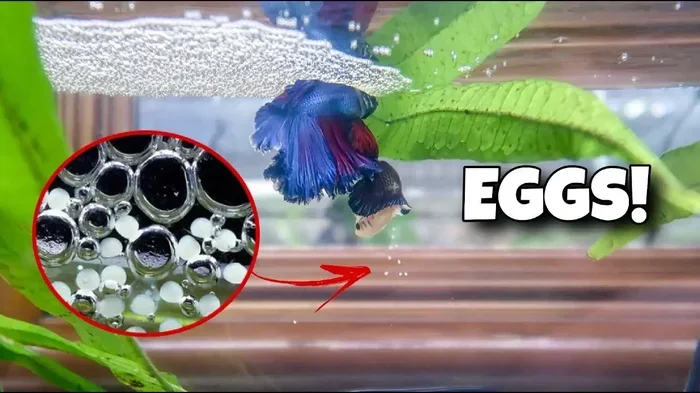
Betta fish typically lay between 10 and 50 eggs per spawning session, though some females can release up to 500 eggs in rare cases. The number of eggs depends on factors like the fish’s age, health, tank conditions, and whether the eggs are fertilized. Understanding the breeding process helps betta fish owners create the best environment for successful egg laying and hatching.
Have you ever wondered how many eggs to betta fish lay? If you own or are planning to breed betta fish, understanding their egg-laying habits is essential. The answer might surprise you. While a typical female betta fish releases anywhere from 10 to 50 eggs per spawning session, the actual number can vary widely based on several factors.
Whether you are a beginner or a seasoned fish keeper, knowing what to expect during the breeding process helps you provide better care. In this guide, we will walk you through everything about betta fish eggs, from how many a female betta fish can produce to what happens after the eggs are laid. Let us dive in.
Key Takeaways
- Average egg count: A healthy female betta fish usually lays 10 to 50 eggs per spawn.
- Maximum capacity: Some large, mature females can lay up to 500 eggs in a single spawning event.
- Fertilization matters: Not all eggs will be fertilized, and the male betta fish plays a key role in this process.
- Tank conditions count: Proper water temperature, cleanliness, and a bubble nest support healthy egg production.
- Hatching timeline: Betta fish eggs typically hatch within 24 to 72 hours under the right conditions.
- Care after laying: Removing the female betta fish after spawning protects both her and the eggs.
- Not all bettas lay eggs: Male betta fish do not lay eggs, and some females may never spawn depending on health and readiness.
📑 Table of Contents
How Many Eggs Does a Betta Fish Lay?
The short answer is that a female betta fish can lay anywhere from a handful to several hundred eggs. But the number depends on many things, including her age, size, health, and the conditions of her tank. Let us break this down further.
Average Egg Count Per Spawn
Most healthy female betta fish lay between 10 and 50 eggs during a single spawning event. This is the most common range that fish keepers observe. The eggs are small, white, and slightly translucent. They look like tiny pearls scattered in the water.
However, this number is not set in stone. Some factors can push the count higher or lower. For example, a young and healthy female tends to release more eggs than an older one. Similarly, a well-fed betta in a clean tank with proper water conditions will likely produce more eggs.
Maximum Egg Count: Up to 500 Eggs
In exceptional cases, a large and mature female betta fish can lay up to 500 eggs in one spawn. This is rare and usually happens with fish that are in peak health and kept in ideal tank conditions. Experienced breeders sometimes see these high counts, but it is not the norm.
If you are curious about the full range, you can check out this detailed guide on how many eggs does a betta fish lay for more specifics on egg counts across different scenarios.
Do All Eggs Get Fertilized?
No, not all eggs will be fertilized. The male betta fish releases milt (sperm) over the eggs, but only a portion will actually be fertilized. Unfertilized eggs typically turn white and may develop fungus. The male betta fish often eats unfertilized or dead eggs to keep the tank clean.
This is a natural process and nothing to worry about. Even in the best breeding setups, a percentage of eggs will not develop into fry.
The Betta Fish Breeding Process
Understanding how betta fish breed helps you appreciate why egg counts vary. The process is fascinating and involves several steps that both male and female bettas play a role in.
Step 1: Preparing the Breeding Pair
Before breeding, you need a healthy male and female betta fish. The female should be plump and active, showing a white egg spot near her ventral area. The male should be colorful and energetic, as he will be the one building the bubble nest.
Both fish should be kept in separate tanks and conditioned with high-quality food for about one to two weeks before introducing them. This preparation boosts their health and readiness to breed.
Step 2: The Spawning Ritual
When the pair is ready, the male betta fish builds a bubble nest at the surface of the water. This nest is made of tiny bubbles coated with saliva. It serves as a safe place for the eggs once they are released.
The female then releases her eggs, usually in batches. The male fertilizes them immediately and carefully places them into the bubble nest. This process can repeat several times over a few hours. During this time, the female may lay anywhere from a few eggs to several dozen.
If you want to learn more about the timeline of betta breeding, here is a helpful resource on how many days to breed betta fish and what to expect at each stage.
Step 3: After the Eggs Are Laid
Once spawning is complete, it is important to remove the female betta fish from the tank. The male betta fish becomes very protective of the eggs and may become aggressive toward the female. Leaving them together can result in injury to the female.
The male will guard the eggs and maintain the bubble nest until they hatch. He will also pick up any eggs that fall from the nest and place them back carefully.
Factors That Affect How Many Eggs a Betta Fish Lays
Not all betta fish are the same. Several factors influence the number of eggs a female betta produces during each spawn. Let us look at the most important ones.
Age of the Female Betta Fish
Younger, mature female bettas tend to lay more eggs than older females. A betta fish that is between 4 and 12 months old is typically at her peak breeding age. As she gets older, her egg production naturally decreases.
If you are breeding betta fish, it is best to use females in their prime for the best results.
Health and Diet
A well-fed and healthy female betta fish will produce more eggs. Feed her high-quality foods like brine shrimp, bloodworms, and pellets rich in protein. Good nutrition supports egg development and overall reproductive health.
On the flip side, a malnourished or sick betta fish may lay fewer eggs or none at all. Always monitor your fish for signs of illness, such as faded colors, lethargy, or loss of appetite.
Tank Conditions and Water Quality
The environment plays a huge role in egg production. Clean water with the right temperature encourages healthy spawning. Here are some key water parameters to maintain:
- Temperature: Keep the water between 78 and 82 degrees Fahrenheit.
- pH Level: Aim for a pH between 6.5 and 7.5.
- Water Hardness: Soft to moderately hard water is best.
- Tank Size: A breeding tank of at least 10 gallons works well.
Regular water changes also matter. Learn more about how many times to change water for betta fish to keep your tank in top condition for breeding.
Experience of the Breeder
If you are new to betta breeding, do not be discouraged if your first spawn produces fewer eggs. Experience matters. As you learn your fish’s behavior and fine-tune the tank conditions, you will likely see better results over time.
What Happens After the Eggs Are Laid?
Once the eggs are in the bubble nest, the waiting game begins. Most betta fish eggs hatch within 24 to 72 hours. The male betta fish takes care of everything during this time.
The Hatching Process
The eggs absorb their yolk sac during the first day or two. Once they are ready, the fry (baby bettas) will hatch and start swimming. At first, they are very tiny and will stay near the nest. The male betta fish continues to protect them and gather any that fall back into the nest.
For detailed information on the hatching timeline, you can read about how many days to hatch betta fish eggs and understand each stage of development.
Caring for Betta Fry
After hatching, the fry need very small food, such as infusoria or baby brine shrimp. They grow quickly and will start to look like tiny versions of adult bettas within a few weeks.
It is important to keep the fry in a separate container or grow-out tank to protect them from being eaten by adult fish. As they grow, you can gradually introduce them to larger foods and eventually move them into their own tanks.
Common Mistakes to Avoid When Breeding Betta Fish
Breeding betta fish can be rewarding, but it also comes with pitfalls. Here are some common mistakes to avoid:
- Skipping the conditioning phase: Both the male and female need proper nutrition before breeding. Skipping this step can lead to fewer eggs and weaker fry.
- Leaving the female in the tank too long: Always remove the female after spawning is complete. The male can become aggressive and may harm her.
- Poor water quality: Dirty water stresses the fish and reduces egg production. Test your water regularly and perform partial water changes.
- Wrong water temperature: Too cold or too hot water can prevent spawning altogether. Stick to the recommended range of 78 to 82 degrees Fahrenheit.
- Overcrowding the breeding tank: Keep the breeding tank simple with plants and a bubble nest. Too many decorations can make it hard for the male to manage the eggs.
If you want to learn more about avoiding common breeding problems, this article on can female betta fish lay eggs without male covers some important scenarios that every breeder should know about.
Quick Tips for Successful Betta Fish Breeding
Here are some quick tips to increase your chances of a successful spawn:
- Use a healthy female betta fish that is plump and active.
- Make sure the male has built a strong bubble nest before introducing the female.
- Condition both fish with protein-rich foods for one to two weeks.
- Maintain clean water with stable temperature and pH levels.
- Remove the female immediately after spawning is complete.
- Keep the male in the breeding tank to care for the eggs and fry.
- Feed the fry with appropriately small foods once they are free-swimming.
Do All Betta Fish Lay Eggs?
Not all betta fish lay eggs. Only female betta fish produce eggs. Male betta fish do not lay eggs, but they play a crucial role in the breeding process by building the bubble nest and fertilizing the eggs. If you are unsure whether your betta fish can lay eggs, you can read more about this topic in our guide on do all betta fish lay eggs.
Some female bettas may never lay eggs, especially if they are not in optimal health or if they have not reached breeding maturity. This is completely normal and does not necessarily mean anything is wrong with your fish.
Conclusion
So, how many eggs to betta fish lay? The answer is typically between 10 and 50 eggs per spawn, with some exceptional females reaching up to 500 eggs. The number depends on the female’s age, health, diet, tank conditions, and the overall breeding setup.
Breeding betta fish is a rewarding experience that requires patience, preparation, and proper care. By understanding the egg-laying process and providing the right environment, you can give your betta fish the best chance of producing healthy fry. Whether you are a curious pet owner or an aspiring breeder, the key is to create a safe and clean environment that supports natural spawning behavior.
Start by focusing on the basics: healthy fish, clean water, and proper nutrition. From there, you can build your knowledge and confidence as a betta fish breeder. Happy fish keeping!
Frequently Asked Questions
How many eggs does a betta fish lay in one spawn?
A healthy female betta fish typically lays between 10 and 50 eggs in one spawning session. In rare cases, a large and mature female can lay up to 500 eggs. The actual count depends on her age, health, and tank conditions.
How long does it take for betta fish eggs to hatch?
Betta fish eggs usually hatch within 24 to 72 hours after they are laid. The male betta fish guards the eggs in the bubble nest during this time. Temperature and water quality can affect the exact hatching timeline.
Can a female betta fish lay eggs without a male?
Yes, a female betta fish can lay eggs without a male present. However, the eggs will not be fertilized and will not develop into fry. The female may release eggs during regular spawning behavior even when no male is around.
Do betta fish lay unfertilized eggs?
Yes, betta fish can lay unfertilized eggs. These eggs are typically white and may develop fungus. The male betta fish often eats unfertilized eggs to keep the tank clean. This is a normal part of the breeding process.
What should I feed a female betta fish to encourage egg production?
Feed your female betta fish protein-rich foods like brine shrimp, bloodworms, and high-quality pellets. A nutritious diet supports healthy egg development and increases the chances of a successful spawn. Always provide a balanced diet and avoid overfeeding.
Should I remove the female betta fish after she lays eggs?
Yes, you should remove the female betta fish immediately after spawning is complete. The male betta fish becomes very protective of the eggs and may become aggressive toward the female. Removing her prevents injury and stress to both fish.