How Many Betta Fish Can You Put Together
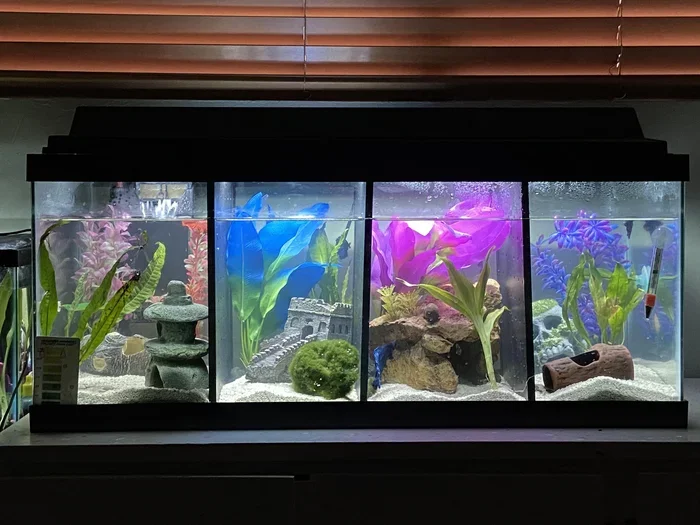
So, how many betta fish can you put together? The answer depends on your tank setup, fish gender, and species temperament. Most experts agree that a single male betta should live alone, while a group of female bettas can thrive in a sorority tank with the right conditions. Understanding betta fish compatibility is the key to a peaceful aquarium.
Keeping betta fish can be a rewarding hobby. These colorful creatures have personality and charm that few other fish can match. But one question comes up again and again: how many betta fish can you put together?
The short answer is not as simple as a single number. It depends on gender, tank size, and the temperament of each individual fish. Some setups work beautifully. Others end in disaster. In this guide, we walk through everything you need to know about betta fish compatibility and housing multiple bettas safely.
Whether you are a beginner or a seasoned aquarist, understanding the social dynamics of betta fish species will save you time, money, and heartache. Let us dive in.
Key Takeaways
- Male bettas should always be housed alone: They are highly territorial and will fight other males.
- A group of 4-6 female bettas can work: But only in a tank of 20 gallons or more with plenty of hiding spots.
- Tank size matters a lot: Bigger tanks reduce aggression and give fish room to establish territories.
- Gender combinations are tricky: Male and female bettas should not share a tank unless breeding.
- Watch for aggression signs: Flaring, chasing, and fin nipping mean your setup needs adjustment.
- Always research before adding tank mates: Not all fish get along with bettas.
📑 Table of Contents
- Understanding Betta Fish Temperament
- How Many Betta Fish Can You Put Together Based on Gender
- The Role of Tank Size in Housing Multiple Bettas
- Setting Up a Betta Sorority Tank
- Can You Put Different Types of Fish With Bettas?
- Common Mistakes When Keeping Multiple Bettas Together
- Final Thoughts on How Many Betta Fish Can You Put Together
Understanding Betta Fish Temperament
Betta fish, also known as Siamese fighting fish, are naturally territorial. This is important to understand before you even think about placing more than one in a tank. Their aggression is not random. It is deeply rooted in their biology.
Why Are Betta Fish So Territorial?
In the wild, bettas live in shallow rice paddies and slow-moving streams in Southeast Asia. Each male claims a small territory and defends it fiercely. They flare their gills, spread their fins, and fight to protect their space. This behavior is instinctive and hardwired into their DNA.
When you keep bettas in a home aquarium, that same instinct remains. A small tank makes things worse because fish cannot escape each other. This is why housing betta fish requires careful planning.
Male vs. Female Betta Behavior
Male bettas are far more aggressive than females. A male will almost always attack another male if they share a tank. This is why the rule “one male per tank” exists. Females can be territorial too, but they have a better chance of coexisting in groups.
Female bettas form a hierarchy when kept together. They establish a pecking order, and the dominant fish leads the group. This is called a sorority tank setup. It works best when there are enough fish to diffuse aggression and plenty of hiding places.
How Many Betta Fish Can You Put Together Based on Gender
The gender of your bettas is the single biggest factor in determining how many you can keep together. Let us break it down.
Male Betta Fish: One Per Tank
The golden rule for male bettas is simple: one male, one tank. A male betta should never share a tank with another male. The result is almost always fighting, injury, and stress. Even if they seem calm at first, aggression can flare up suddenly.
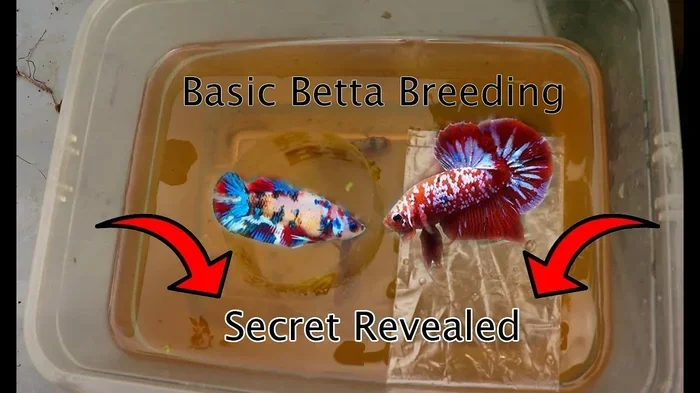
Some people wonder if a male can live with a female. The answer is mostly no. Can you put a male and female betta fish together? Only in very specific breeding situations, and even then, it requires close supervision. Outside of breeding, a male and female should be kept separately.
If you want to add other fish to a male betta’s tank, that is a different story. Can you put betta fish together with other fish? Yes, many peaceful species can be great tank mates for a male betta. But another betta is a no-go.
Female Betta Fish: Groups Can Work
Female bettas can live together in what is called a sorority. A good starting group is four to six females. This number gives them enough social structure to spread out aggression.
But here is the catch. A sorority tank needs to be at least 20 gallons. Smaller tanks create too much tension. Each fish needs its own space to retreat to. Decorations, plants, and caves help break up sightlines and reduce conflict.
Even with the right setup, not all female groups get along. Some females are just more aggressive than others. You need to watch them closely, especially in the first few weeks. If you notice constant chasing or fin damage, you may need to separate the bully fish.
The Role of Tank Size in Housing Multiple Bettas
Tank size is everything when it comes to keeping multiple bettas together. A small bowl or a 5-gallon tank is not suitable for a group. The fish need room to swim and establish their own territories without constant confrontation.
Minimum Tank Size for a Sorority
For a group of four to six female bettas, aim for a 20-gallon tank or larger. Here is a simple breakdown:
- 4 female bettas: Minimum 20 gallons
- 6 female bettas: Minimum 30 gallons
- Male betta alone: Minimum 5 gallons (10 gallons is better)
Bigger tanks give fish more room to swim and hide. This reduces stress and the likelihood of fights. If you want to learn more about how many betta fish can live together, the tank size is always the starting point.
Why Small Tanks Cause Problems
In a small tank, there is nowhere to hide. Every betta can see every other betta all the time. This constant visibility triggers territorial behavior. Fish flare at each other, chase each other, and wear each other down. Over time, this leads to weakened immune systems and disease.
A larger tank with plenty of plants and decorations gives each fish a place to claim as its own. This mimics their natural habitat and keeps them healthier and happier.
Setting Up a Betta Sorority Tank
If you want to keep a group of female bettas, proper setup is critical. A sorority tank is not just a bigger tank. It needs specific features to work well.
Plants and Decorations
Live or silk plants are essential. They break up lines of sight and give shy fish places to hide. Avoid sharp plastic decorations that can tear delicate betta fins. Good plant choices include java fern, anubias, and amazon sword plants.
Add caves, driftwood, and ceramic shelters. Each fish should have at least one hiding spot it can call its own. This helps reduce tension and gives weaker fish a place to escape.
Filtration and Water Quality
A gentle filter is important for a sorority tank. Bettas do not like strong currents. Sponge filters work great because they provide mechanical and biological filtration without creating too much flow.
Keep the water temperature between 76 and 82 degrees Fahrenheit. Test the water regularly for ammonia, nitrite, and nitrate levels. Clean water keeps all the fish healthy and reduces stress-related aggression.
Feeding Tips for Multiple Bettas
Feeding time can be a source of conflict. Spread food across the tank so all fish get a chance to eat. Use a variety of foods like pellets, frozen bloodworms, and brine shrimp. This ensures everyone gets proper nutrition.
Watch during feeding. If one fish hoggs all the food, you may need to feed that fish separately or use a feeding ring to distribute food more evenly.
Can You Put Different Types of Fish With Bettas?
Many fish keepers want to add other species to their betta tank. This can work, but it requires careful planning. Not every fish is a good match for a betta.
Good Tank Mates for Bettas
Some peaceful species coexist well with bettas. Here are a few options:
- Neon tetras: Small, peaceful, and stay in the upper tank levels.
- Corydoras catfish: Bottom dwellers that keep to themselves.
- Mystery snails: Great algae eaters that do not bother bettas.
- Ghost shrimp: Inexpensive and generally ignored by bettas.
- Harlequin rasboras: Schooling fish that add movement without stress.
Always research any potential tank mates before adding them. Some fish are too nippy or too active for bettas. Others may carry diseases that stress your betta. Learn more about can you put other fish in with a betta fish to understand the best choices.
Fish to Avoid With Bettas
Some fish are a bad match for bettas. Avoid fin-nippers like tiger barbs and serpae tetras. Brightly colored fish that resemble bettas can trigger aggression. Also, avoid fish that are too large or too boisterous. They will stress out your betta and may bully it.
Common Mistakes When Keeping Multiple Bettas Together
Even experienced fish keepers make mistakes. Here are the most common ones to avoid.
Overcrowding the Tank
More fish does not mean a better tank. Overcrowding leads to poor water quality and increased aggression. Stick to the recommended numbers for your tank size. If you are unsure, fewer fish is always safer.
Skipping the Quarantine Period
New fish should always be quarantined before adding them to an existing tank. This prevents the spread of disease and parasites. A quarantine tank also lets you observe the new fish for signs of aggression before introducing it to the group.
Ignoring Warning Signs
Fin tearing, loss of color, hiding constantly, and refusing food are all signs of stress. If you see these behaviors, investigate immediately. Catching problems early can save lives.
Final Thoughts on How Many Betta Fish Can You Put Together
The answer to how many betta fish can you put together comes down to three things: gender, tank size, and setup. A single male betta should always live alone. A group of four to six female bettas can thrive in a well-planned sorority tank of 20 gallons or more. Mixing males and females is generally not recommended outside of breeding.
If you want to keep multiple bettas, take the time to plan your setup carefully. Choose the right tank size, add plenty of hiding spots, and monitor your fish closely. With the right approach, you can create a beautiful and peaceful aquarium that showcases the natural beauty of these amazing fish.
Remember, every betta is an individual. Some are calm, and some are feisty. Pay attention to their behavior, make adjustments when needed, and your fish will thrive. For more details on why you can’t put betta fish together in certain setups, check out our guide on the topic.
Start with the basics, keep learning, and enjoy the journey of keeping these stunning creatures. Happy fish keeping!
Frequently Asked Questions
Can two male betta fish ever live together?
No. Two male bettas should never share a tank. They will fight aggressively and can seriously injure or kill each other. Always keep male bettas in separate tanks.
How many female bettas can I keep in one tank?
A group of four to six female bettas works best in a 20-gallon tank or larger. This gives them enough space to establish territories and reduces the chance of serious fights.
Can I keep a male and female betta together?
Generally, no. Male and female bettas should only be kept together for short breeding periods under close supervision. Outside of breeding, they should be housed separately.
What is the minimum tank size for a betta sorority?
A 20-gallon tank is the minimum recommended size for a group of female bettas. Larger tanks provide more room and help reduce aggression between fish.
What signs show my bettas are stressed or fighting?
Look for fin tearing, loss of color, constant hiding, refusal to eat, and chasing behavior. If you notice these signs, you may need to adjust your tank setup or separate the fish.
Can bettas live with other types of fish?
Yes, bettas can live with peaceful species like neon tetras, corydoras catfish, and mystery snails. Avoid aggressive or fin-nipping fish that can stress or harm your betta.