How Many Betta Fish Can I Put Together
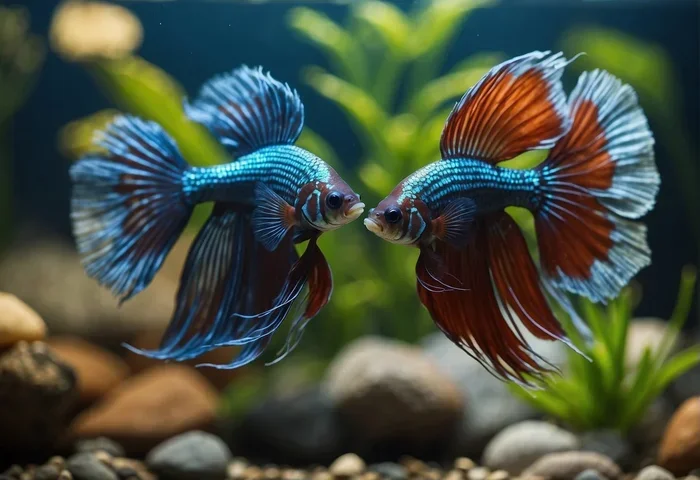
So, how many betta fish can I put together? The answer depends on your tank size, the gender of your bettas, and their temperament. Most experts recommend keeping only one male betta fish per tank due to their aggressive nature. However, you can successfully house female bettas in small groups called sororities.
Key Takeaways
- One male betta per tank: Male bettas are highly territorial and should live alone to prevent fighting and stress.
- Female bettas can live in groups: A female betta sorority of 4-6 can work in a properly sized tank with plenty of hiding spots.
- Tank size matters: You need at least a 20-gallon tank to safely keep multiple betta fish together.
- Avoid mixing males and females long-term: While they can breed together, keeping a male and female betta fish together permanently often leads to stress.
- Watch for signs of stress: Fin nipping, hiding, and loss of color are red flags when housing bettas together.
- Proper decorations reduce aggression: Plants, caves, and visual barriers help break lines of sight and calm territorial bettas.
- Never overcrowd your tank: Overcrowding increases ammonia levels and triggers aggressive behavior in betta fish.
📑 Table of Contents
- How Many Betta Fish Can I Put Together? A Complete Guide
- Understanding Betta Fish Behavior
- How Many Betta Fish Can I Put Together in One Tank?
- Factors That Affect How Many Betta Fish Can Live Together
- Common Mistakes When Keeping Multiple Betta Fish
- Quick Tips for Successfully Keeping Multiple Betta Fish Together
- Expert Insights on Betta Fish Groupings
- Can I Put My Betta Fish With Other Species?
- Conclusion
How Many Betta Fish Can I Put Together? A Complete Guide
If you love betta fish, you might have wondered whether you can keep more than one in your tank. The short answer is: it depends. How many betta fish can I put together depends on several factors, including tank size, gender, and each fish’s personality. Getting this wrong can lead to stress, injury, or even death for your beloved fish.
In this guide, you’ll learn everything about keeping multiple bettas together. We’ll cover male and female bettas, tank requirements, and proven tips to keep your fish happy and healthy. Whether you’re a beginner or a seasoned hobbyist, this article has the answers you need.
Understanding Betta Fish Behavior
Before we dive into numbers, let’s talk about betta fish behavior. Betta fish (also known as Siamese fighting fish) are known for their vibrant colors and flowing fins. But they also have a reputation for being aggressive. This aggression is rooted in their natural instincts.
In the wild, bettas are territorial creatures. They defend their space from other fish. This behavior is especially strong in males. Understanding this is key to figuring out how many betta fish you can keep together safely.
Why Are Betta Fish Aggressive?
Male bettas are called “Siamese fighting fish” for a reason. They were originally bred for fighting in Southeast Asia. Today, even though fighting is no longer encouraged, their territorial instincts remain strong.
Here are some common triggers for betta aggression:
- Seeing another male betta — they view other males as rivals.
- Limited space — a small bowl or cramped tank makes things worse.
- Bright colors — some bettas react to the bright colors of other fish.
- Lack of hiding spots — without cover, bettas feel exposed and threatened.
Female bettas are generally less aggressive. But they can still show aggression, especially in poorly set-up tanks. This is why tank setup plays a huge role in betta fish compatibility.
How Many Betta Fish Can I Put Together in One Tank?
This is the million-dollar question. The answer varies based on the gender of your fish and your tank setup. Let’s break it down by scenario so you know exactly what to expect.
Male Betta Fish: One Per Tank
The golden rule for keeping betta fish is this: never house two male bettas together. Two males will fight. It’s not a matter of “if” but “when.” The fighting can cause torn fins, injuries, and severe stress. In many cases, one fish may even die.
Even in a large tank, two male bettas will constantly challenge each other. They see each other as threats. If you already have a male betta, it’s best to keep him solo. You can still add other types of tank mates, but never another male betta.
If you’re curious about whether two males can ever coexist, check out this detailed guide on can I put two betta fish together.
Female Betta Fish: Small Groups (Sororities)
Female bettas can live together in groups called betta sororities. A sorority typically consists of 4-6 female bettas. This works because females are less territorial than males. However, you still need the right setup.
Here are the requirements for a successful betta sorority:
- A tank of at least 20 gallons (long and wide, not tall).
- plenty of plants, caves, and hiding spots.
- Multiple feeding stations to reduce competition.
- All females should be introduced at the same time.
Not all females will get along. Some are just more aggressive than others. You need to watch your fish closely and be ready to separate them if needed.
Male and Female Betta Fish Together
Can you put a male and female betta fish together? Technically, yes — but only for breeding purposes. After breeding, you should remove the female. Males become aggressive after mating. Keeping them together long-term is risky.
For more on this topic, read our article on putting a male and female betta fish together.
Comparison Table: How Many Bettas Per Tank Size
| Tank Size | Male Betta(s) | Female Betta(s) |
|---|---|---|
| 5 gallons | 1 only | Not recommended |
| 10 gallons | 1 only | 2-3 (with setup) |
| 20 gallons | 1 only | 4-6 (sorority) |
| 30+ gallons | 1 only | 6+ (with careful planning) |
Factors That Affect How Many Betta Fish Can Live Together
It’s not just about numbers. Several factors determine whether your bettas will thrive together or fight. Let’s look at the most important ones.
Tank Size and Shape
Betta fish tank size is one of the biggest factors. A tiny bowl is never okay for multiple fish. Bettas need space to establish territories. When they don’t have enough room, stress and aggression spike.
Tank shape matters too. A long, wide tank offers more horizontal space. This gives each betta its own area. Tall, narrow tanks don’t work as well because bettas swim horizontally, not vertically.
Water Conditions
Bettas are sensitive to water quality. Poor water conditions weaken their immune system and increase stress. When fish are stressed, they act out. Keep ammonia, nitrite, and nitrate levels low at all times.
Here are ideal water parameters for bettas:
- Temperature: 76-82°F (24-28°C)
- pH: 6.5-7.5
- Ammonia: 0 ppm
- Nitrate: Below 20 ppm
Decorations and Hiding Spots
A bare tank is a recipe for disaster when keeping multiple bettas. Add plants, driftwood, and caves. These create betta fish hiding spots and break lines of sight. When fish can’t see each other constantly, they feel safer.
Live plants are best. They oxygenate the water and look natural. Silk plants also work well since bettas don’t tear them apart like real plants might. Avoid sharp decorations that could damage their delicate fins.
Feeding Strategy
Food competition causes fights. When you feed multiple bettas, spread food across several spots in the tank. This prevents one fish from dominating the food supply. You can also use feeding rings or target feed each fish.
Common Mistakes When Keeping Multiple Betta Fish
Even experienced fish keepers make mistakes. Here are some common errors that lead to failed betta groupings:
- Starting with a tank that’s too small. A 5-gallon bowl is fine for one betta. It’s not enough for two or more.
- Introducing fish one at a time. This lets the first fish claim the entire tank. Add all females at once for a sorority.
- Ignoring signs of stress. Clamped fins, hiding, and color fading are red flags. Don’t ignore them.
- Putting too many fish in the tank. Betta fish overcrowding leads to poor water quality and aggression.
- Using a tank with no decoration. A bare tank means constant face-to-face confrontation between bettas.
- Keeping two male bettas “to see what happens.” This always ends badly. Don’t gamble with their lives.
What to Do If Your Bettas Are Fighting
Sometimes, despite your best efforts, bettas will fight. Here’s what to do immediately:
- Watch the fight for 1-2 minutes. Sometimes they settle down quickly.
- If the fighting continues, separate the fish immediately.
- Use a breeding box or a separate tank for the aggressive fish.
- Rearrange the decorations in the main tank to reset territories.
- Try again with a different grouping if you want to attempt a sorority.
Quick Tips for Successfully Keeping Multiple Betta Fish Together
Ready to try keeping multiple bettas? Here are some practical tips to set yourself up for success:
- Start with a large tank. Go for at least 20 gallons for a sorority. Bigger is always better.
- Set up the tank before adding fish. Cycle your tank and add decorations first. Let the environment stabilize.
- Choose females with calm temperaments. Not all females are the same. Pick the least aggressive ones if possible.
- Add all fish at the same time. This prevents territorial claims. Drop them in together.
- Monitor closely for the first two weeks. This is the critical adjustment period. Watch for bullying and fin damage.
- Keep the water clean. Do weekly water changes of 25-30%. Clean water keeps fish healthy and calm.
- Feed a high-quality diet. Good nutrition supports strong colors and a healthy immune system. Use pellets and occasional freeze-dried treats.
Expert Insights on Betta Fish Groupings
Professional aquarists agree on a few key points about housing bettas together:
“The biggest mistake people make is underestimating how territorial bettas really are. Even females can be surprisingly aggressive. Always plan for the worst and hope for the best when setting up a sorority.”
Another expert shared this advice: “Invest in a proper tank setup with lots of visual barriers. Plants, driftwood, and even aquarium dividers can make the difference between a peaceful tank and a warzone.”
The betta fish lifespan can be shortened dramatically by stress. A stressed betta may only live 2-3 years instead of the typical 3-5 years. Creating a calm environment is one of the best things you can do for your fish.
Can I Put My Betta Fish With Other Species?
Sometimes, instead of keeping multiple bettas, you might want to add different species. Betta fish tank mates can work, but choose carefully. Not every fish gets along with bettas.
Some safe options include:
- Snails — mystery snails and nerite snails are great choices. They don’t bother bettas and help clean the tank.
- Shrimp — cherry shrimp can coexist with bettas. However, some bettas may hunt them.
- Small schooling fish — ember tetras and harlequin rasboras can work in larger tanks.
Keep in mind that bettas may also eat smaller fish. Always research betta fish compatibility before adding new species. If you’re considering mixing bettas with other fish, our guide on putting other fish in with a betta is a great resource.
Some combinations to avoid include keeping bettas with goldfish, guppies, or angelfish. These fish have very different needs and often trigger aggression. For example, our article on betta fish with goldfish explains why this pairing rarely works.
Conclusion
So, how many betta fish can I put together? The answer depends on your specific situation. For male bettas, the answer is always one per tank. For females, you can keep a small group of 4-6 in a properly set-up 20-gallon tank. Always consider tank size, water quality, decorations, and each fish’s personality before making your decision.
Remember that every betta is an individual. Some are peaceful, and some are just plain aggressive. Watch your fish closely, be ready to make changes, and never compromise on tank size or water quality. With the right setup and careful monitoring, you can create a beautiful and harmonious betta community. Your fish will thank you for it with vibrant colors and active, happy behavior.
Now you have the knowledge to make the best choices for your betta fish. Take your time, plan carefully, and enjoy the rewarding experience of keeping these amazing creatures. Good luck, and happy fish keeping!
Frequently Asked Questions
Can I keep two male betta fish in the same tank with a divider?
Using a divider can reduce visual contact, but it’s still risky. Male bettas can sense each other through the divider and may become stressed or aggressive. The best approach is to keep each male betta in a separate tank. This eliminates all risk of fighting and stress.
How many female betta fish can I keep in a 10-gallon tank?
A 10-gallon tank can house 2-3 female bettas, but it’s not the ideal setup. A 20-gallon long tank is the recommended minimum for a proper betta sorority of 4-6 females. In a 10-gallon tank, you’ll need excellent filtration, lots of plants, and close monitoring to keep the peace.
Can betta fish live with other tropical fish in a community tank?
Yes, but carefully. Bettas can coexist with peaceful community fish like ember tetras, corydoras, and snails. Avoid housing bettas with aggressive or brightly colored fish that may trigger territorial behavior. Always research compatibility and provide plenty of hiding spaces.
What is a betta sorority and how do I set one up?
A betta sorority is a group of female bettas kept together in one tank. To set one up, use at least a 20-gallon long tank, add plenty of live plants and hiding spots, and introduce 4-6 females at the same time. Feed them in multiple spots and monitor closely for aggression during the first two weeks.
How do I know if my betta fish is stressed when kept with others?
Watch for clamped fins, hiding constantly, loss of color, refusing to eat, or staying in one corner. These are clear signs of stress. If you notice any of these behaviors, separate the stressed fish immediately and assess your tank setup. Adjust decorations or reduce the number of tank mates as needed.
Can I put my betta fish with a snail or shrimp?
Yes, snails and shrimp are generally safe tank mates for bettas. Mystery snails and nerite snails are excellent choices. Cherry shrimp can work too, though some bettas may try to eat them. These creatures help keep your tank clean and usually don’t bother your betta. Just make sure your betta isn’t overly aggressive before adding them.