How Many Babies Do Betta Fish Usually Have
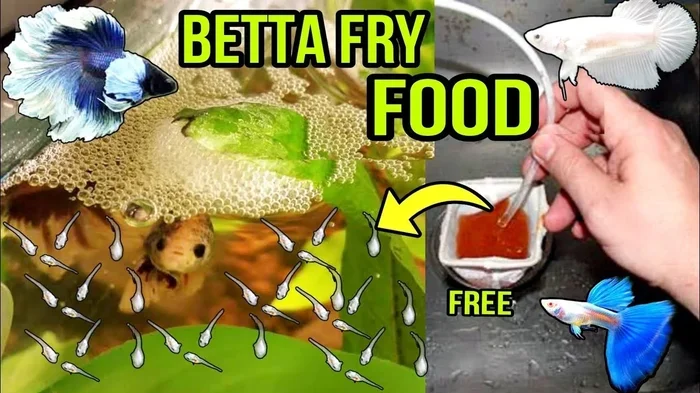
Betta fish typically have between 30 and 100 babies per spawning cycle, though some litters can reach up to 500 fry. The number of babies depends on factors like the female’s age, size, health, and tank conditions. Understanding betta fish reproduction helps you prepare for caring for dozens or even hundreds of tiny fry.
Betta fish never cease to amaze hobbyists. One moment you have a single beautiful fish, and the next you are staring at dozens of tiny wriggling fry. If you have ever wondered how many babies do betta fish usually have, you are not alone. This question comes up constantly among both new and experienced fish keepers. The answer might surprise you.
The truth is that betta fish reproduction is fascinating and complex. A single spawning event can produce a wide range of fry. Many factors play a role in determining the final count. Let us dive deep into everything you need to know about betta fish litter size, the breeding process, and how to care for the babies.
Key Takeaways
- Average Litter Size: Most betta fish produce 30 to 100 fry per spawning cycle, with some exceptional cases reaching 200 or more.
- Spawning Frequency: Female bettas can spawn every two to three weeks under optimal conditions.
- Key Factors: Age, size, health, water quality, and diet all influence how many babies a betta fish has.
- Fry Survival: Only a fraction of fry typically survive without proper care and separation from adult fish.
- Preparation Matters: Setting up a proper breeding tank before spawning dramatically improves fry survival rates.
📑 Table of Contents
How Many Babies Do Betta Fish Usually Have
So, how many babies do betta fish usually have? On average, a healthy female betta fish will produce between 30 and 100 fry per spawning cycle. However, this number can vary quite a bit. Some bettas may only produce 10 to 20 fry, while others can deliver 200 or more in a single batch.
The average betta fish litter size depends heavily on several factors. These include the female’s age, size, overall health, and the conditions of the tank. First-time mothers tend to have smaller litters. As they mature and spawn more often, the numbers often increase. A well-cared-for female in peak condition will almost always produce more fry than one that is stressed or unhealthy.
It is also worth noting that how many fry do betta fish have can differ from the initial egg count. Not all eggs will successfully hatch, and not all fry will survive the first few days. This is completely natural. Experienced breeders expect some loss and plan accordingly.
What Affects Betta Fish Litter Size
Several key factors determine the number of babies a betta fish produces. Let us break them down one by one.
- Age of the Female: Younger females that are spawning for the first time often have smaller litters. Mature females between 6 months and 2 years old tend to produce the most fry.
- Size and Health: A larger, well-fed female carries more eggs. Healthy bettas with good color and active behavior are more likely to produce bigger clutches.
- Water Conditions: Clean, warm water with stable parameters encourages better spawning. Poor water quality can reduce egg production and fry survival.
- Diet and Nutrition: A protein-rich diet before and during breeding directly impacts the number of eggs a female can produce.
- Tank Environment: A calm, stress-free breeding tank leads to better results. Aggressive tankmates or loud noises can stress the female and reduce litter size.
How Often Do Betta Fish Breed
Betta fish can spawn relatively frequently. Under ideal conditions, a healthy pair can breed every two to three weeks. However, most responsible breeders allow a resting period between spawnings. Giving the female time to recover is essential for her health and the quality of future litters.
The betta fish breeding cycle begins when the male builds a bubble nest. This is a sign that he is ready to mate. Once the female is receptive, they will embrace and the female will release eggs. The male then collects the eggs and places them in the bubble nest. The entire process is quick but fascinating to watch.
It is important to separate the female from the male after spawning. Male bettas can become aggressive toward the female once the eggs are secured. Leaving them together can result in injury or even death. If you are interested in the full breeding process, check out our guide on do betta fish have live babies for more details.
The Betta Fish Reproduction Process
Understanding how bettas reproduce helps you appreciate why litter sizes vary the way they do. Betta fish are egg layers, not livebearers. This means the female releases eggs, and the male fertilizes them externally. Let us walk through each stage of the process.
Step 1: Bubble Nest Building
The male betta starts by building a bubble nest at the surface of the water. He blows bubbles and debris together to create a floating cluster. This nest will hold the eggs once they are released. A healthy male builds a strong, thick nest when conditions are right. The size of the bubble nest does not always predict the number of eggs, but it does show that the male is ready.
Step 2: Courtship and Embracing
Next comes the courtship phase. The male flared his fins and wraps his body around the female. This “embracing” triggers the female to release eggs. The male simultaneously releases milt to fertilize them. This process may happen several times over a few hours. Each embrace can release anywhere from 10 to 40 eggs depending on the female.
Step 3: Egg Collection
After each embrace, the male carefully collects the eggs and places them in the bubble nest. The female usually plays no role in this. In fact, she is often moved to a separate container to keep her safe from the male’s territorial behavior. A single spawning session can produce anywhere from 30 to 500 eggs, though 30 to 100 is most common.
Step 4: Hatching and Early Development
Betta fish eggs typically hatch within 24 to 48 hours. The male guards the nest and retrieves any eggs that fall. Once the fry hatch, they are very tiny and fragile. They absorb their yolk sacs for nutrition in the first few days. After the yolk sac is consumed, the fry need infusoria or very fine food to survive.
Caring for Betta Fish Fry
Raising betta fry is both rewarding and challenging. The number of babies you have directly impacts how much work is involved. Here are some practical tips to help your fry thrive.
Setting Up a Fry Tank
You should set up a separate tank for the fry before the spawning happens. A 5 to 10 gallon tank works well. Use a sponge filter to keep the water clean without creating strong currents that can harm the tiny fry. Maintain the water temperature between 78 and 80 degrees Fahrenheit. Stable water conditions are critical for fry survival.
Many beginners wonder about do betta fish have to have special water. The answer is yes, especially for fry. Use dechlorinated water with a gentle sponge filter. Avoid any strong filtration that could suck up the babies.
Feeding Newborn Betta Fry
Feeding betta fry properly is one of the biggest challenges. In the first 48 hours, they live off their yolk sacs. After that, they need very small food. Here are some good options:
- Infusoria: These are tiny organisms found in aquarium water. They are the perfect first food for newborn fry.
- Baby Brine Shrimp: This is a favorite among breeders. It is nutritious and easy to hatch at home.
- Microworms: These small nematodes make an excellent continuous food source for growing fry.
- Crushed Flakes: Once the fry are a few weeks old, you can offer finely crushed high-quality flakes.
Feed the fry small amounts multiple times a day. Overfeeding can foul the water quickly and harm the babies. Underfeeding can stunt their growth. Finding the right balance takes patience and observation.
Survival Rates and What to Expect
Not all betta fry will survive. In a well-maintained tank, you can expect 50 to 80 percent survival from a typical litter. In less ideal conditions, survival rates can drop significantly. The first week is the most critical. During this time, the fry are extremely vulnerable to water quality changes and improper feeding.
If you are concerned about do betta fish kill their babies, the answer is that male bettas generally do not eat their own eggs or fry. However, they may eat eggs that fall outside the nest. Removing the female after spawning greatly reduces the risk of fry loss.
How to Maximize Your Betta Fish Litter Size
If you are a breeder looking to get the most out of your betta fish, there are proven strategies to increase litter size. These methods focus on optimizing health, nutrition, and environment.
Choose the Right Breeding Pair
Start with healthy, mature fish. A female that is at least 6 months old and a male that is actively building bubble nests are your best candidates. Avoid breeding fish that show signs of illness or stress. Genetics play a big role in litter size, so choose fish from strong, vibrant bloodlines.
Optimize the Diet Before Breeding
Feed the female a high-protein diet for at least two weeks before introducing her to the breeding tank. Live or frozen foods like bloodworms and brine shrimp work wonders. A well-nourished female will carry more eggs and produce a healthier litter. This simple step can make a noticeable difference in how many eggs do betta fish lay during each spawning event.
Maintain Perfect Water Conditions
Keep the breeding tank clean and stable. Perform small water changes regularly. Test for ammonia, nitrite, and nitrate levels frequently. Ideal parameters include a temperature of 78 to 80 degrees Fahrenheit, a pH of 6.5 to 7.0, and very low ammonia and nitrite levels. Any spikes in these parameters can stress the fish and reduce breeding success.
Minimize Stress
Stress is the enemy of successful breeding. Keep the tank in a quiet area of your home. Avoid sudden changes in lighting or temperature. Handle the fish as little as possible during the breeding process. A calm environment leads to better spawning and higher fry counts.
Common Mistakes to Avoid When Breeding Betta Fish
Even experienced hobbyists make mistakes when breeding bettas. Here are some common errors that can reduce litter size or fry survival.
- Skipping the Conditioning Phase: Failing to feed the breeding pair a high-quality diet beforehand leads to smaller litters.
- Breeding Too Young or Too Old: Fish under 4 months or over 2 years tend to produce fewer eggs.
- Using Too Large a Tank: A huge breeding tank makes it hard for the male to find and collect eggs. A 5 to 10 gallon tank is ideal.
- Not Separating the Female: Leaving the female with the male after spawning can lead to aggression and injury.
- Overfeeding the Fry: Excess food rots quickly and spikes ammonia levels, which can kill delicate fry.
- Ignoring Water Changes: Fry tanks need frequent small water changes to maintain pristine conditions.
Avoiding these mistakes will set you up for success. For more information on betta fish behavior and needs, explore our article on do betta fish have personality to better understand how their temperament affects breeding.
When to Expect the First Litter
If you are new to breeding bettas, timing matters. Female bettas reach sexual maturity around 4 to 6 months of age. Males are typically ready a bit later. Once both fish are mature and healthy, you can begin the conditioning process and introduce them for breeding.
The first litter is often the smallest. Do not be discouraged if you only see 20 to 30 fry. As the female gains experience and her body adjusts to the spawning process, subsequent litters tend to be larger. Many breeders report that the third or fourth spawning produces the biggest clutch.
Final Thoughts
So, how many babies do betta fish usually have? The answer is typically between 30 and 100 fry per spawning, though the range can be broader depending on conditions and fish health. Betta fish reproduction is a remarkable process that rewards patience and careful preparation. Whether you are a curious hobbyist or an aspiring breeder, understanding the factors that influence litter size puts you in a much better position.
Focus on keeping your fish healthy, the water clean, and the environment stress-free. These simple steps make a huge difference. Start small, learn from each spawning, and gradually build your experience. With time, you will become more confident in managing betta fish fry and improving your results with every breeding cycle.
Remember that every batch of fry is unique. Enjoy the process, celebrate the successes, and learn from the challenges. Breeding betta fish is one of the most rewarding experiences in the hobby, and understanding how many babies do betta fish usually have is the perfect starting point.
Frequently Asked Questions
How many babies do betta fish have in their first litter?
First-time mothers usually produce smaller litters, often between 10 and 30 fry. As the female matures and gains experience, her litter sizes tend to increase significantly. The first spawning is always a learning experience for both the fish and the breeder.
Can a betta fish have more than 100 babies at once?
Yes, some healthy female bettas can produce 200 or more eggs in a single spawning cycle. However, litters of 30 to 100 are the most common. Exceptionally large litters usually come from well-conditioned, mature females in optimal tank conditions.
How long does it take for betta fish eggs to hatch?
Betta fish eggs typically hatch within 24 to 48 hours after spawning. The male betta guards the bubble nest during this time and retrieves any eggs that fall. Once hatched, the fry remain attached to the nest for another day or two before becoming free-swimming.
Do betta fish eat their own babies?
Male bettas generally do not eat their eggs or fry. They are dedicated nest guardians. However, if eggs fall outside the bubble nest, the male may consume them. Female bettas should always be removed after spawning to prevent any risk of fry predation.
What should I feed betta fry in the first week?
In the first 48 hours, betta fry absorb their yolk sacs for nutrition. After that, offer infusoria or commercially available liquid fry food. As they grow, you can introduce baby brine shrimp and microworms. Feed very small amounts multiple times a day.
How many times can a betta fish spawn in a year?
Under ideal conditions, a healthy betta pair can spawn every two to three weeks. This could mean 8 to 12 spawnings per year. However, responsible breeders allow rest periods between spawnings to protect the health of the female and ensure the quality of each litter.