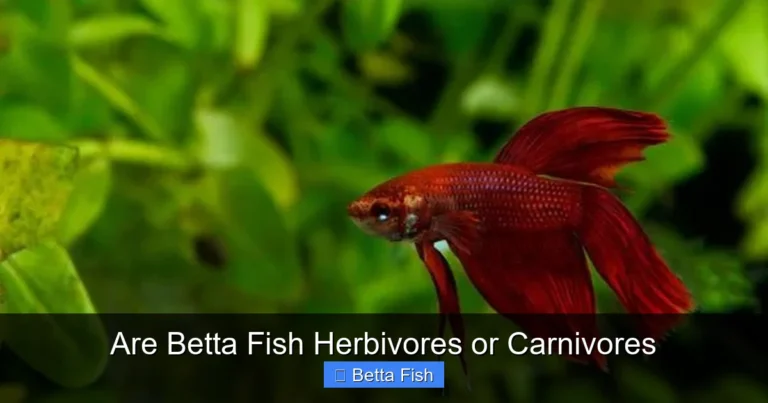
How Long Does Betta Fish Live in a Tank

Betta fish can live 3 to 5 years in a tank when given proper care. Tank size, water quality, diet, and temperature all play a big role in how long betta fish live in a tank. With the right setup and consistent maintenance, you can help your betta reach its full lifespan potential.
So you just brought home a beautiful betta fish. Maybe you picked it up from a pet store, or maybe you rescued one from a tiny cup. Either way, you probably want to know — how long does betta fish live in a tank? The answer might surprise you.
Betta fish are tougher than they look. Those flowing fins and bright colors might make them seem delicate, but bettas are actually pretty resilient. In a proper tank setup, a betta can live anywhere from 3 to 5 years. Some dedicated fish keepers have even reported their bettas reaching 6 or 7 years.
But here is the catch. A betta living in a cramped bowl with no filter and cold water might only survive for a year or two. The difference between a short life and a long, healthy life comes down to how you care for your fish. This guide breaks down everything you need to know about betta fish lifespan in a tank, from setup to daily care.
We will cover tank size, water conditions, diet, and common mistakes that shorten your betta’s life. By the end, you will know exactly what it takes to give your betta the longest, happiest life possible.
Key Takeaways
- Average lifespan: Betta fish typically live 3 to 5 years in a well-maintained tank.
- Tank size matters: A 5-gallon tank or larger gives bettas room to thrive and live longer.
- Water quality is critical: Regular water changes and proper filtration directly impact betta health and lifespan.
- Diet affects longevity: Feeding a varied, high-quality diet keeps bettas healthy and extends their life.
- Temperature control: Keeping water between 76°F and 82°F supports optimal betta health.
- Stress reduction: Avoiding aggressive tankmates and providing hiding spots helps bettas live longer.
- Wild vs. captivity: Bettas in the wild face shorter lifespans due to environmental threats and disease.
📑 Table of Contents
Understanding Betta Fish Lifespan
Before we dive into tank setup and care routines, let us talk numbers. The average betta fish lifespan in captivity is about 3 to 5 years. But that is just an average. Many factors determine whether your betta lives on the short end or the long end of that range.
When people ask how long do betta fish live, they often assume the answer is simple. It is not. A betta’s lifespan depends on genetics, environment, diet, and overall care. Think of it like humans. Some people live to 90 with healthy habits, while others face health challenges early in life. Bettas work the same way.
If you want a rough benchmark, here is what you can expect:
- 1 year or less: Poor tank conditions, no filtration, incorrect temperature, or bad diet.
- 2 to 3 years: Basic care with some neglect. The fish survives but does not thrive.
- 3 to 5 years: Good care with proper tank setup, clean water, and quality food.
- 5 to 7 years: Exceptional care. This is rare but achievable with dedicated fish keeping.
The key takeaway? You have a lot of control over how long your betta lives. The choices you make every day — what you feed, how you clean, what tank you use — all add up over time.
How Long Do Betta Fish Live in the Wild?
Wild bettas generally live shorter lives than pet bettas. In their natural habitat in Southeast Asia, bettas face predators, disease, pollution, and seasonal droughts. How long do betta fish live in the wild is usually around 2 to 3 years at best. The harsh conditions of their natural environment take a toll that captivity can protect them from.
This contrast is important to understand. When you keep a betta in a properly maintained tank, you are already giving it a better chance at a longer life than it would have in the wild. That is a pretty cool responsibility to have.
Tank Size and Its Impact on Betta Lifespan
Let us get one thing straight right away. A betta fish is not a decoration for a tiny vase. Those small bowls and cups that pet stores sell bettas in are terrible for their health and lifespan. The tank size you choose directly affects how long your betta will live.
A 5-gallon tank is the minimum recommended size for a single betta. In a 5-gallon setup, water parameters stay more stable, there is room for filtration, and your betta has space to swim. How long do betta fish live in a 5 gallon tank compared to smaller containers? The difference is significant. Bettas in 5-gallon tanks regularly outlive those in bowls by 2 to 3 years.
Here is a quick comparison of tank sizes and their effect on betta lifespan:
- 1 gallon or less: Water parameters crash quickly. Stress and disease set in fast. Lifespan drops to 1 to 2 years at most.
- 3 gallon tank: Slightly better, but still risky. Harder to maintain stable conditions. Expect 2 to 3 years.
- 5 gallon tank: The sweet spot for a single betta. Stable water, room to swim. 3 to 5 years is realistic.
- 10 gallon tank or larger: Even better for water stability. More room for enrichment. Bettas can thrive for 5+ years.
Bigger tanks are more forgiving. They dilute waste, keep temperature steady, and give your betta a healthier environment. If you are serious about giving your betta a long life, go bigger than 5 gallons whenever possible.
Can Betta Fish Live in a Tank Without a Filter?
Bettas can survive in unfiltered tanks, but they will not thrive. Without a filter, waste builds up fast, ammonia spikes, and water quality deteriorates quickly. Can betta fish live in a tank without a filter? Yes, but their lifespan will likely be shorter. A gentle sponge filter is inexpensive and makes a huge difference. It keeps the water cleaner and reduces the stress on your fish.
Filters also help create a mild current, which bettas enjoy in moderation. Just make sure the filter flow is not too strong. Bettas are not strong swimmers, and a powerful current can tire them out and cause stress.
Water Quality and Maintenance
If there is one thing that matters more than anything else for your betta’s lifespan, it is water quality. Dirty water is the number one killer of betta fish. Ammonia and nitrite are toxic even in small amounts, and they build up fast in enclosed tanks.
Here is what you need to do to keep the water clean and safe:
- Test your water regularly. Use a liquid test kit to check ammonia, nitrite, nitrate, and pH levels. Test strips work in a pinch, but liquid kits are more accurate.
- Do partial water changes weekly. Replace 25% to 50% of the tank water with dechlorinated water at the same temperature. This removes waste buildup without disrupting beneficial bacteria.
- Use a water conditioner. Tap water contains chlorine and chloramine that harm fish. Always treat new water with a conditioner before adding it to the tank.
- Clean the substrate. Gravel and sand trap debris. Use a gravel vacuum during water changes to remove waste from the bottom of the tank.
- Monitor temperature. Keep the water between 76°F and 82°F. Cold water slows a betta’s metabolism and weakens its immune system. Hot water holds less oxygen and causes stress.
Consistency is everything. A betta that lives in stable, clean water will be less stressed, fight off disease better, and live longer. It is not about perfection — it is about routine.
Common Water Mistakes That Shorten Betta Lifespan
Many beginners make water quality mistakes without realizing it. Here are the most common ones to avoid:
- Skipping water changes. Even with a filter, waste builds up over time. No filter can remove all the dissolved waste from fish waste and uneaten food.
- Doing full water changes. Replacing all the water at once removes beneficial bacteria and shocks your betta. Stick to partial changes.
- Using untreated tap water. Chlorine and chloramine are deadly to fish. Always condition your water.
- Ignoring temperature fluctuations. Placing a tank near a window, heater vent, or drafty area causes temperature swings. Betta fish are sensitive to these changes.
Diet and Nutrition for a Longer Life
What you feed your betta directly impacts its health and how long it lives. A poor diet leads to malnutrition, obesity, and a weakened immune system. A varied, high-quality diet supports growth, color, and longevity.
Betta fish are carnivores. In the wild, they eat insects, larvae, and small crustaceans. Your goal should be to replicate that diet as closely as possible. Here are the best food options for a long-lived betta:
- High-quality betta pellets. Look for pellets where fish meal or whole krill is the first ingredient. These provide balanced nutrition and are easy to portion.
- Frozen or live bloodworms. A great treat that mimics natural food. Feed sparingly — a few worms 2 to 3 times a week is plenty.
- Brine shrimp. Another excellent protein source. Frozen brine shrimp are widely available and easy to prepare.
- Daphnia. Small freshwater crustaceans that act as a natural digestive aid. They are great for occasional feeding.
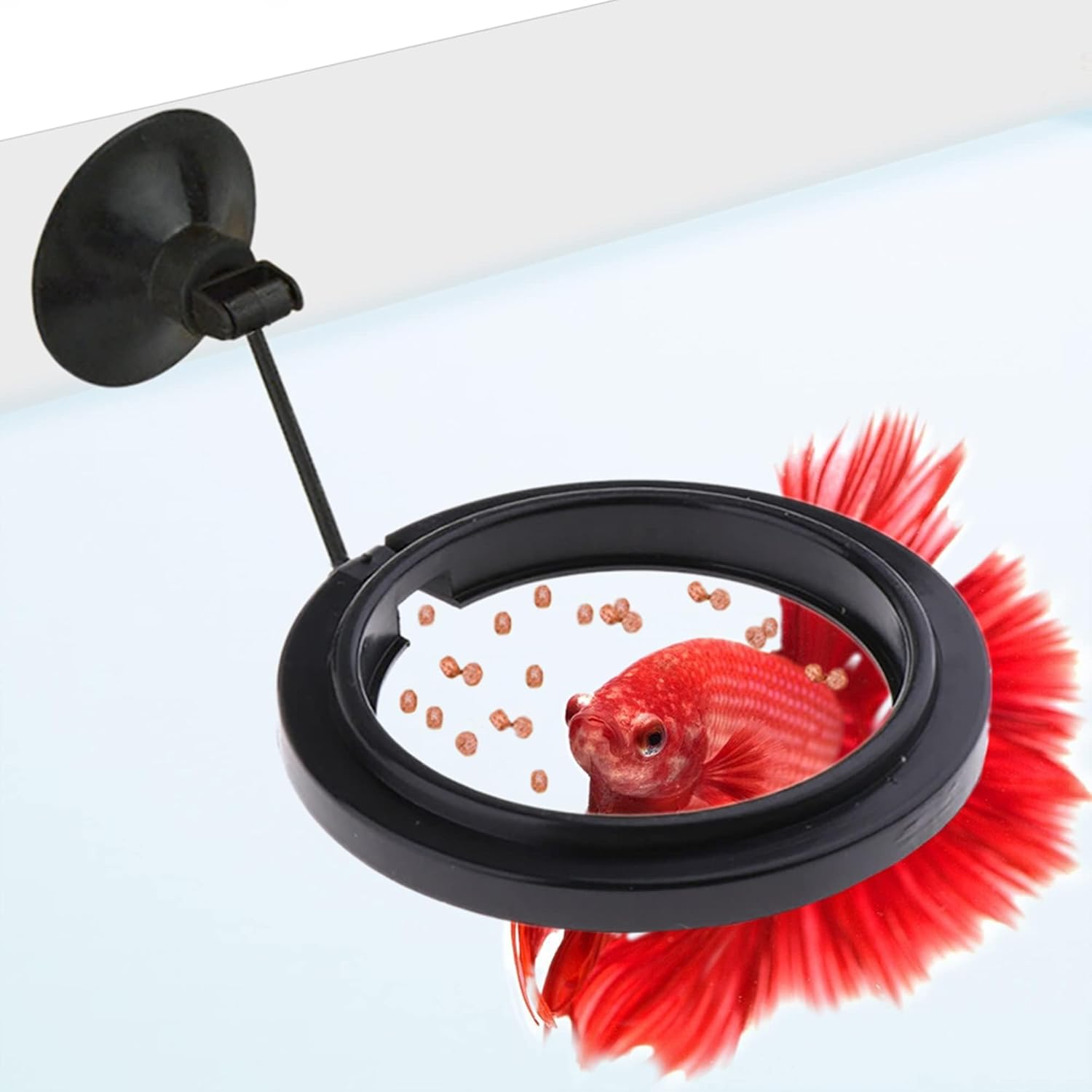
Feeding frequency matters just as much as food quality. Overfeeding is one of the most common mistakes new betta owners make. Feed your betta 2 to 3 pellets twice a day. Skip one feeding day per week to help digestion and prevent constipation.
Signs of a healthy, well-fed betta include bright colors, active swimming, and a good appetite. If your betta stops eating or looks bloated, adjust the diet and check water quality. Both factors play a role in how long your betta fish lives in a tank.
Tank Setup and Environment
A well-designed tank does more than look nice. It creates a healthy environment that supports your betta’s physical and mental well-being. Stressed fish get sick more often, and sick fish die younger.
Here are the key elements of a betta tank setup that promotes a long, healthy life:
Heating and Temperature Control
Betta fish come from warm tropical climates. They need a heater in their tank to stay healthy. An adjustable aquarium heater set to 78°F is the ideal target. Without a heater, room temperature water (especially in winter) can drop too low and weaken your betta’s immune system.
Live Plants and Hiding Spots
Bettas love places to rest and hide. Live plants like java fern, anubias, and betta bulbs create natural resting spots and improve water quality. Silk plants also work well if you prefer low maintenance. Avoid sharp plastic plants that can tear delicate betta fins.
Tank Mates and Community Setup
Male bettas should not live with other male bettas — they will fight, and the stress can be fatal. But can betta fish live in a tank with other fish? Yes, with the right choices. Peaceful community fish like corydoras, neon tetras, and kuhli loaches can coexist with bettas in larger tanks. Just make sure the tank is at least 10 gallons and all fish have similar temperature and water requirements.
Lighting and Day/Night Cycle
Bettas need a regular day and night cycle. Provide 8 to 10 hours of light per day and keep the tank dark at night. This supports their natural rhythms and reduces stress. If your room gets bright light at night, consider a timer for your tank light.
Common Mistakes That Shorten Betta Lifespan
Most betta fish do not die of old age. They die because of preventable care mistakes. Here are the biggest ones to avoid:
- Keeping a betta in a bowl. Bowls lack filtration, heating, and space. They are the fastest route to a short, unhappy life for your fish.
- Overcrowding the tank. Too many fish create too much waste. Even in a larger tank, overstocking leads to poor water quality.
- Ignoring signs of illness. Fin rot, ich, and bloating are common betta diseases. Catching them early and treating them promptly saves lives.
- Not quarantining new fish. Introducing a new fish without quarantine can introduce diseases to your entire tank.
- Using the wrong decorations. Sharp gravel, metal decorations, and rough surfaces can injure betta fins. Stick to smooth, fish-safe materials.
Every one of these mistakes is avoidable. A little knowledge and a little effort go a long way in giving your betta a full, healthy life.
Signs of a Healthy, Happy Betta
How do you know your betta is thriving? A healthy betta shows clear signs of good health:
- Vibrant colors. A well-fed, stress-free betta displays deep reds, blues, greens, and purples. Faded colors often signal stress or illness.
- Active swimming. Your betta should explore the tank, build bubble nests, and interact with its environment. Lethargy is a red flag.
- Healthy appetite. A betta that eats eagerly and finishes its food is a happy betta.
- Intact fins. Fins should be smooth and flowing, not torn, clamped, or rotting.
- Clear eyes and body. No bloating, white spots, or redness on the body.
If your betta shows these signs, you are doing something right. Keep it up, and your fish has every chance of living a long, fulfilling life in your care.
Conclusion
How long does betta fish live in a tank depends mostly on you. With a proper 5-gallon or larger tank, stable water conditions, a balanced diet, and consistent maintenance, your betta can live 3 to 5 years or even longer. The small choices you make every day — testing the water, doing partial changes, feeding quality food — all add up to a longer, healthier life for your fish.
Do not let the myths about betta fish being “disposable” or “too simple to care for” fool you. These are living creatures with real needs and real lifespans. When you give a betta the care it deserves, you get a loyal, beautiful companion that brings color and joy to your home for years.
Start with the basics. Get the right tank size. Set up proper filtration and heating. Learn to test and maintain water quality. Feed a varied, high-quality diet. And most importantly, pay attention to your fish. The more you know, the longer your betta will live. Your journey to being a great betta owner starts today.
Frequently Asked Questions
How long can a betta fish live in a 5 gallon tank?
A betta fish can live 3 to 5 years in a properly maintained 5-gallon tank. The 5-gallon size provides enough space for stable water conditions, filtration, and room to swim. This is the recommended minimum tank size for a single betta, and it significantly extends their lifespan compared to smaller containers.
Can betta fish live in a tank with other fish?
Yes, bettas can live with certain peaceful community fish in a tank of at least 10 gallons. Good tank mates include corydoras, neon tetras, and kuhli loaches. Avoid aggressive or fin-nipping species, and always monitor your betta for signs of stress when introducing new fish.
What is the oldest a betta fish has ever lived?
The oldest recorded betta fish lived around 6 to 7 years in captivity. This is rare and usually happens when the fish receives exceptional care, including pristine water, a large tank, optimal diet, and low stress levels. Most pet bettas live 3 to 5 years with average care.
Do betta fish live longer in filtered tanks?
Yes, betta fish live significantly longer in filtered tanks. A filter maintains water quality by removing harmful ammonia and nitrite. It also supports beneficial bacteria that break down waste. Even a gentle sponge filter makes a big difference in extending a betta’s lifespan compared to an unfiltered setup.
How often should I change the water in my betta tank?
Perform a partial water change of 25% to 50% every week. This removes accumulated waste and keeps water parameters stable. Never replace all the water at once, as this can crash the beneficial bacteria colony and shock your betta. Always use dechlorinated water at the same temperature as the tank.
Does tank temperature affect betta fish lifespan?
Absolutely. Betta fish need warm water between 76°F and 82°F to stay healthy. Cold water slows their metabolism and weakens their immune system, making them more susceptible to disease. A reliable aquarium heater is essential for maintaining the stable temperature that supports a long betta lifespan.