How Long Does a Baby Betta Fish Take to Grow

Baby betta fish typically reach full size in about 4 to 6 months. During this time, they go through several rapid growth stages, from tiny fry to mature fish. Proper water quality, nutrition, and tank setup play a huge role in how fast your baby betta grows.
Watching a baby betta fish grow is one of the most rewarding experiences for any fish keeper. From a tiny speck floating in the water to a vibrant, fully developed fish, the journey is fascinating. But exactly how long does a baby betta fish take to grow? The answer depends on several factors, including care, diet, and environment.
In this guide, we will walk through every stage of betta fish growth. You will learn what to expect week by week, what to feed your baby betta, and how to set up the perfect tank for healthy development. Whether you are a first-time fish owner or a seasoned hobbyist, this guide has everything you need.
Key Takeaways
- Growth Timeline: Baby betta fish grow from fry to full size in 4 to 6 months under ideal conditions.
- Growth Stages: Bettas pass through distinct phases including egg, fry, juvenile, and adult stages.
- Tank Size Matters: A proper tank setup supports healthy growth and reduces stress on young bettas.
- Feeding Frequency: Baby bettas need multiple small feedings daily to fuel their rapid growth.
- Water Quality: Clean, warm water with stable parameters is essential for healthy betta fry development.
- Common Mistakes: Overcrowding, poor diet, and dirty water can stunt growth and harm baby bettas.
📑 Table of Contents
Understanding Baby Betta Fish Growth
Betta fish growth follows a fairly predictable pattern. Most baby bettas reach their full size within the first half year of life. However, the growth rate can vary based on several key factors. Understanding these stages helps you provide the best care at every step.
The primary keyword here is how long does a baby betta fish take to grow. On average, the answer is around 4 to 6 months. But the journey from a tiny egg to a full-grown adult involves several important milestones. Let us break them down.
Growth Stages of a Baby Betta Fish
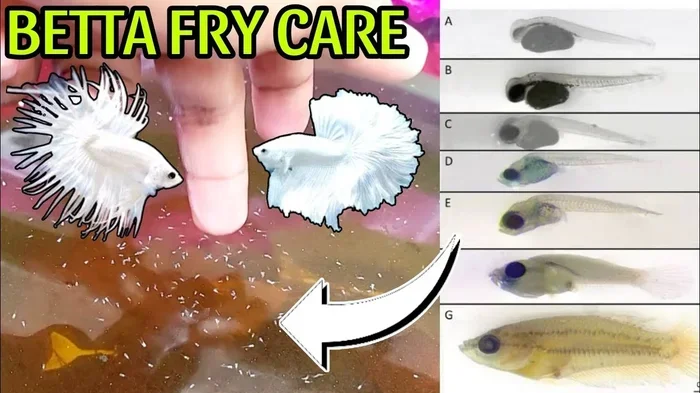
Betta fish go through clear growth stages. Each stage has unique needs and characteristics. Here is what you can expect:
- Egg Stage (Days 1-2): Betta eggs are tiny and translucent. They hatch within 24 to 48 hours.
- Fry Stage (Days 3-4): Newly hatched fry are still attached to their yolk sac. They do not eat yet and rely on the yolk for nutrition.
- Free-Swimming Fry (Week 1-2): Once the yolk sac is absorbed, fry start swimming freely and looking for food.
- Juvenile Stage (Month 2-4): This is when growth accelerates. Fins start developing, and colors begin to show.
- Adult Stage (Month 5-6+): Bettas reach near-full size. Their colors deepen, and finnage becomes more elaborate.
Each of these stages requires specific attention. If you want to learn more about the earliest stage, check out our guide on how long it takes betta fish eggs to hatch. That article covers everything about the egg phase in detail.
Factors That Affect Baby Betta Growth Rate
Not all baby bettas grow at the same speed. Several factors influence how quickly a betta fry matures into an adult. Understanding these factors helps you optimize conditions for faster, healthier growth.
Water Quality and Temperature
Clean water is the foundation of healthy betta growth. Baby bettas are very sensitive to ammonia and nitrite spikes. Even small amounts of these toxins can stunt growth or cause death.
Water temperature also plays a huge role. Bettas thrive in warm water between 78°F and 80°F. Warmer water speeds up metabolism, which promotes faster growth. But be careful not to go above 82°F, as that can stress young fish.
Regular water changes are essential. For baby bettas, try changing about 20% of the water every few days. This keeps the environment clean without causing sudden parameter swings.
Nutrition and Feeding
Food is fuel for growing bettas. Baby bettas need small, frequent meals throughout the day. In the first week, feed them infusoria or liquid fry food. As they grow, you can introduce baby brine shrimp and micro worms.
By the time they reach the juvenile stage, you can offer crushed flakes and small pellets. For more detailed feeding guidance, our article on how to feed a pea to a betta fish offers great tips on proper betta nutrition.
Overfeeding is a common mistake. Too much food fouls the water quickly and can make baby bettas sick. Feed only what they can consume in 2 to 3 minutes per meal.
Tank Size and Environment
A common question is how big a tank needs to be for a baby betta. While fry can start in small containers, they need room to grow. A tank of at least 5 gallons is ideal for a growing betta. For detailed tank setup advice, read our guide on how to set up a fish tank for betta fish.
Adding plants and hiding spots helps reduce stress. Stressed bettas grow slower. Live plants also help maintain water quality by absorbing nitrates.
How to Care for Growing Baby Betta Fish
Raising baby bettas requires patience and consistency. Here are the most important care steps to ensure healthy growth.
Setting Up the Right Tank
Start with a clean, cycled tank. Baby bettas are very vulnerable to water parameter fluctuations. A cycled tank means beneficial bacteria are already present to break down waste.
- Use a sponge filter to keep water moving without creating strong currents.
- Keep the water temperature stable with a reliable heater.
- Add gentle lighting to mimic natural conditions.
- Include soft plants for hiding and resting.
For more on proper care, see our complete guide on how to take care of a betta fish. It covers all the essentials for keeping your betta healthy at any age.
Maintaining Clean Water
Water maintenance is critical during the baby stage. Here is a simple routine to follow:
- Test water parameters every 2 to 3 days.
- Perform 20% water changes every few days.
- Use a turkey baster to remove uneaten food and waste.
- Never use tap water directly; always treat it with a water conditioner.
Clean water prevents diseases and supports steady growth. Baby bettas that live in dirty water often develop health problems that slow their growth significantly.
Feeding Schedule for Baby Bettas
A consistent feeding schedule makes a big difference. Baby bettas have tiny stomachs and need small amounts of food frequently. Here is a recommended feeding schedule:
- Week 1: Feed infusoria or liquid fry food 3 to 4 times daily.
- Week 2-3: Introduce baby brine shrimp. Feed 3 times daily.
- Week 4-8: Offer micro worms and crushed flakes. Feed 2 to 3 times daily.
- Month 3+: Transition to small pellets or flakes. Feed 2 times daily.
Watch your baby bettas during feeding. If they seem uninterested, the food might be too large. Adjust the size accordingly. Also, remove any uneaten food after a few minutes to keep the water clean.
Common Mistakes That Slow Baby Betta Growth
Many new betta keepers make mistakes that unintentionally slow down growth. Here are the most common ones to avoid.
Overcrowding the Tank
Baby bettas need space. Keeping too many fry in a small container leads to competition for food and poor water quality. As a general rule, keep no more than 5 to 10 fry per gallon during the early weeks.
Feeding the Wrong Foods
Adult betta food is too large for baby bettas. They simply cannot eat it. Always offer appropriately sized food. If the food does not fit in their tiny mouths, it is too big.
Ignoring Water Changes
Dirty water is the number one killer of baby bettas. Skipping water changes leads to ammonia buildup, which stunts growth and causes illness. Stay on top of your water change schedule.
Dropping Water Temperature
Cold water slows a betta’s metabolism significantly. This means slower digestion, slower growth, and a weakened immune system. Always maintain stable warm water temperatures.
When to Expect Your Betta to Reach Full Size
Most baby bettas reach their full adult size by the time they are 6 months old. A fully grown betta is typically about 2.5 to 3 inches long, including the tail fins.
However, some bettas may continue to fill out and develop their colors until they are 8 to 9 months old. The finnage of long-finned varieties like the veiltail betta may continue to grow even longer. For more information on caring for specific types, check out our guide on how to take care of a veiltail betta fish.
If you want to track your betta’s progress, consider taking weekly photos. This helps you see the growth visually and identify any issues early. It is also a great way to share your journey with other fish enthusiasts.
Growth Comparison Table
Here is a quick comparison of what to expect at different ages:
| Age | Size | Development Milestone |
|---|---|---|
| Hatch (Day 1-2) | Less than 1mm | Egg hatches, attached to yolk sac |
| Week 1 | 2-3mm | Free-swimming, starts eating |
| Week 2 | 3-5mm | Fins begin to form |
| Month 1 | 5-10mm | Color starts appearing |
| Month 2 | 10-15mm | Rapid growth, fins lengthening |
| Month 3 | 15-20mm | Juvenile, resembles adult shape |
| Month 4-5 | 20-25mm | Near full size, colors deepening |
| Month 6+ | 25-30mm+ | Fully grown, adult coloring |
Tips for Maximizing Baby Betta Growth
Want your baby betta to grow as fast and healthy as possible? Follow these proven tips:
- Keep water parameters stable. Test ammonia, nitrite, and nitrate levels regularly.
- Feed high-quality food. Use specially formulated fry food or live foods for the best nutrition.
- Maintain a consistent feeding schedule. Regularity helps baby bettas develop a healthy appetite and digestion.
- Perform regular water changes. Clean water equals healthy, fast-growing fish.
- Provide adequate space. Do not keep fry in containers that are too small as they grow.
- Monitor for signs of illness. Early detection of problems leads to better outcomes.
For more tips on keeping your betta warm and healthy, especially during colder months, read our article on how to take care of betta fish in winter. Temperature management is especially important for growing fish.
Conclusion
The journey from a tiny betta egg to a fully grown, colorful adult is a remarkable process. Now you know the answer to how long does a baby betta fish take to grow. Most bettas reach full size within 4 to 6 months, provided they receive proper care, nutrition, and a clean environment.
Remember that every betta is different. Some grow faster, some slower. The key is to provide consistent, high-quality care throughout each growth stage. By following the tips in this guide, you give your baby betta the best possible start in life.
Enjoy watching your little fish grow and thrive. The effort you put in during the early weeks pays off with a healthy, vibrant betta that will bring you joy for years to come.
Frequently Asked Questions
How fast do baby betta fish grow?
Baby betta fish grow relatively fast. In the first month, they can grow from less than 1mm to about 5-10mm. Growth then slows slightly but remains steady until they reach full size at around 4 to 6 months.
What should I feed my baby betta fish?
In the first week, feed infusoria or liquid fry food. After that, introduce baby brine shrimp and micro worms. As they grow, transition to crushed flakes and small pellets. Always offer food in tiny amounts multiple times a day.
Can baby betta fish live in a small bowl?
Baby bettas can start in a small container, but they need to be moved to a larger tank as they grow. A 5-gallon tank is the minimum recommended size for a growing betta. Small bowls restrict movement and can stunt growth.
Why is my baby betta fish not growing?
Several factors can slow growth, including poor water quality, incorrect temperature, insufficient nutrition, and stress. Check your water parameters, ensure the temperature is between 78°F and 80°F, and review your feeding schedule to identify the issue.
How can I tell if my baby betta is healthy?
A healthy baby betta will be active, have a good appetite, and display vibrant colors as it matures. Look for clear eyes, smooth fins, and regular swimming patterns. Any signs of lethargy, clamped fins, or loss of color may indicate a problem.
When can baby betta fish be moved to a regular tank?
Baby bettas can be moved to a regular tank once they are about 1 inch long, typically around 2 to 3 months old. At this size, they are less vulnerable to being eaten by tank mates and can handle the water flow from filters better.